Paracetamol and Autism

Greetings Earthlings! 🙂

It is with my face cupped in my hands that I write this post for you after the latest “recommendations” coming from the States in recent weeks. In case you’ve been living under a rock, US president Donald Trump and RFK Jr., announced that there is a link between the use of paracetamol (also known as Tylenol) during pregnancy and the development of autism 🤦🏻‍♀️Historically this has been the safest drug that a woman can take during pregnancy to treat pain and fever (from infection), but now the Trump administration is slapping a warning label on this essential medication to scare women about the risk of autism when they’re at their most vulnerable.

So let’s separate fact from fiction- what does the research actually say?

Experts and researchers across the world have come out against these recommendations as the evidence largely does not support a causal link between autism and paracetamol. With regard to the current literature, there are often conflicting results in studies as it’s very hard to pin down accurate usage rates from medical records alone as paracetamol is an over the counter drug. Moreover, as it’s often used to treat other conditions, it’s hard to determine if any increase in autism rates is linked to the drug or the condition that paracetamol was used to treat. One of the largest studies of this type examined data from 2.5 million Swedish children from 1995-2019 to see if rates of paracetamol usage aligned with autism diagnoses. This study found that there was an increased likelihood, buuutttt not by much- 1.42% of children exposed to paracetamol were autistic versus 1.33% in those who were not exposed. I don’t think a 0.09% increased risk of autism is anything to write home about!

Sibling studies were also conducted to compare pregnancies where paracetamol had been given for one but not the other. These were performed as siblings are raised in the same environment, share genetic traits, and the health of the mother would have been similar for both pregnancies, removing a lot of factors that can influence the development of autism. This makes it easier to tell if paracetamol is having an impact in pregnancy. No links were found between the drug and autism in these studies.

On another note, researchers are of the opinion that the latest review of the research being pushed by the Trump administration hasn’t used the most robust of research methods. A more rigorous review of higher quality research was published on this topic earlier this year, and again, found no clinically significant risk of developing autism after paracetamol exposure in utero. The conflicting results seem to indicate a motivated agenda- and we all know how well that worked out last time with vaccines

Research aside, telling a pregnant woman to “tough it out” instead of taking paracetamol is simply not good enough. High fever in pregnancy can be extremely dangerous, increasing the risk of complications like miscarriage, preterm birth, or neural tube defects (congenital malformations of the brain and spine such as spina bifida and Anencephaly- a fatal brain defect where parts of the brain don’t fully develop). If doctors are discouraged from administering this vital medication, the outcomes could be so much worse for the baby than autism. It beggars belief that Trump essentially deems the risk of autism to be worse than death. Even more so given that most experts agree that the American president himself is on the spectrum!

The important thing to remember about the research is that this link, however miniscule, is just an association. Just because it’s associated with autism, does not make it the cause. My mother, and thousands of others on social media, never took paracetamol during pregnancy, but all of them have children on the spectrum. If you’re an expectant mother, don’t let Trump scare you into avoiding paracetamol if you require it. Listen to your care provider and make the best decision for your health and your baby’s.

Hope you enjoyed this post dear Earthlings!

Have a lovely weekend! 🙂

Aoife

Autism and AI

Greetings Earthlings,

This week I’d like to discuss a bit of a hot button topic at the moment- Artificial intelligence (AI).

Once upon a time, AI used to mean that atrocious Steven Spielberg film, but now AI is creeping into our every day lives. Chat-bots, deepfakes, AI research models, advanced searches and content recommendations- we can’t escape it. The applications are seemingly limitless, with great potential for people with autism.

But first things first, what exactly is AI?

AI is the technology that enables computers and other digital devices to do the things that humans do like read, write, learn, talk, analyze etc. While not human, the combination of human-like abilities and machine thinking can make it a powerful tool to be reckoned with.

So how can we leverage AI when it comes to autism?

Now here’s where things get cool. Robots are being used to help manage autism! Researchers are training robots how to interact with children with autism so that autists can get practice identifying facial expressions and social cues and help them to learn how to respond appropriately. Robots are the ideal companions as they have limitless patience and allow autists to practice their skills in a safe, non-judgmental environment. There are also a number of new AI apps that similarly work to help autists to practice their social skills, with AI technology being used to help move and learn what works best for the autist and help suggest the right kind of calming exercises depending on their mood.

In addition, AI models can be used to study the MRI’s of autists to help us better understand the condition, particularly how neurological changes and autistic traits vary between neurodivergents.

Most recently new AI systems has been developed that can quickly and accurately diagnose autism- one system by measuring how water travels in the brain by analyzing MRI images; and another that detects autism by measuring responses to a flash of light in the eye. This could revolutionize how we diagnose autism, allowing autists to get access to services sooner for better overall outcomes. Other cool AI apps allow parents to upload videos of their child’s behaviours to be analyzed by clinicians for remote diagnosis using AI to help categorize and assess them.

On the other hand, AI is a force that we must be careful with. It has great potential for use, but we need to be careful where we tow the line. This is especially true of Elon Musk’s Neuralink- a computer chip that can be implanted in the human brain, allowing us to control mobile devices through the power of thought. This week saw the first reported successful (though the evidence remains to be seen) implant where the patient has recovered well and is able to control a mouse on a screen with their brain. What was once the stuff of science fiction is rapidly becoming a reality. Aside from these tech applications, Musk claimed in 2019 that Neuralink has untapped medical potential to help “solve” neurological diseases like Parkinson’s, Alzheimer’s, Schizophrenia and…. autism.

Now… this was naturally met with a lot of backlash from autism charities- especially given that Musk has openly discussed how his autism has contributed to his success. Autism is a different way of thinking, it is not something that the majority of autists would like to “solve”. New approaches to help autists navigate life in a neurotypical world yes, but most would not wish to get rid of their autism if given the choice. Would modifying autistic traits through AI really help autists, or could it make things worse by taking away our unique way of thinking?

It’s a very fine line we tread, so we must proceed optimistically with caution when applying AI to autism.

Hope you enjoyed (or were horrified by) this post dear Earthlings!

Have a lovely weekend!

Aoife

Autism and Diabetes

Greetings Earthlings! 🙂

This week I’d like to discuss the topic of diabetes and how it can be linked to autism.

But before we get into that, what is diabetes?

In the body, the hormone insulin is produced by our friend the pancreas (in the image above) to control the absorption of sugar into our cells. Diabetes mellitus is a condition where blood sugar levels are uncontrolled due to insufficient insulin production. Elevated blood sugar levels (hyperglycemia) can cause a range of health issues such as nerve damage in the hands and feet (peripheral neuropathy), permanent damage to eyesight (diabetic retinopathy) and life threatening ketoacidosis (where substances called ketones build up in the body making blood more acidic).

There are a few different types of diabetes:

  • Type 1 or insulin dependent diabetes– this occurs when the pancreas ceases to produce insulin (caused by the immune system attacking insulin producing β cells) leading to high blood sugar levels. Replacement insulin must be injected to keep blood sugar levels stable.
  • Type 2 diabetes– occurs when the body develops insulin resistance so insulin is no longer able to control blood sugar levels. It usually occurs in adulthood as a result of poor diet, obesity and lack of physical exercise
  • Gestational diabetes– this type of diabetes occurs during pregnancy in women who have never previously had diabetes. It usually goes away following birth of the baby, but does increase your risk for type 2 diabetes in later life

That’s great Aoife, but what has all this got to do with autism?

Research suggests that idividuals with autism may have a 57% higher risk of developing diabetes compared with their neurotypical peers; specifically the risk is roughly 64% higher for type 1 diabetes, and a whopping 146% higher for type 2 diabetes!

So why are autists more susceptible?

In the case of type 1 diabetes, as I’ve previously discussed, autists tend to have an overactive immune system (likely due to genetic mutation) which could be damaging the pancreas preventing insulin production. Research has also found that type 1 diabetic mothers are at a higher risk for giving birth to an autistic child as it’s thought that autoimmune diseases like type 1 diabetes produce antibodies that can attack the developing brain in the womb. Similarly, gestational diabetes has been linked to a slightly increased risk in the development of autism and ADHD due to exposure to high blood glucose levels in utero.

The massive type 2 link on the other hand has a lot more to do with lifestyle. Sensory processing issues relating to food can lead to quite a restrictive diet. This diet is often high in sugar which may lead to type 2 diabetes in adulthood. Some autists with ADHD also have impulsive issues with over-eating for sensory stimulation, while others struggle with insatiable hunger (polyphagia), especially those with co-morbid Prader–Willi syndrome. Physical limitations due to co-morbid issues like of dyspraxia can also reduce and limit physical activity increasing the risk for diabetes. In addition, some studies have found genetic links to autism and weight gain which further compound this risk.

As with all things in life, just because there is an increased risk does not mean that the disease will manifest, but it’s useful to be aware of the risk nonetheless.

Hope you enjoyed this post!

Have a lovely weekend!

Aoife

Autism and Lactate/Lactic Acid

Greetings Earthlings! 🙂

This week I’d like to discuss an interesting biomarker that is elevated in people with autism- lactate.

So what exactly is lactate?

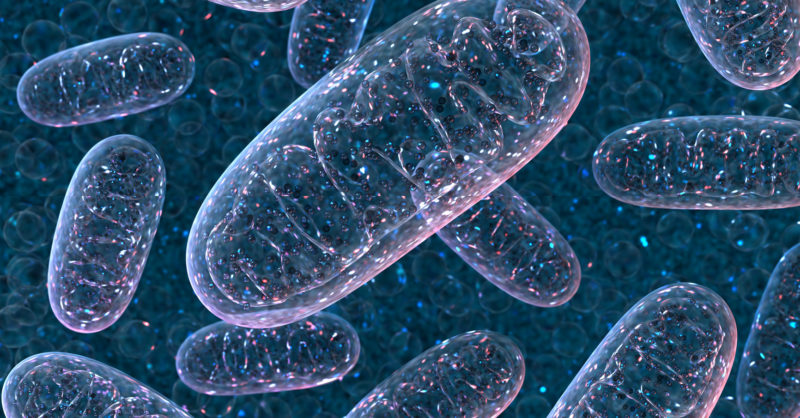
Lactate, also known as lactic acid, is a bi-product of normal energy metabolism in the body. You might have heard of it in relation to exercise as lactic acid builds up in the muscles when oxygen is low leading to that burning sensation we sometimes experience. Normally the body produces energy by breaking down glucose in the mitochondria in our cells using oxygen (aerobic respiration), but when oxygen is low, glucose is broken down without oxygen (anaerobic respiration). This happens separately in the cytosol, the liquid inside of cells, where energy is produced along with the waste product lactic acid.

But what does all this have to do with autism?

Mitochondrial dysfunction is thought to be one of the possible causes of autism spectrum disorders as the nervous system is the most commonly impacted system. Recent studies supporting this theory have shown that lactate levels are elevated in autists which are thought to have an influence on behavioural issues. When mitochondria cannot perform efficiently to produce energy in autism, there are two potential alternatives- the cell may compensate using the anaerobic pathway described above, or by using something called the Warburg effect. The Warburg effect describes when energy is produced outside the mitochondria in the cytosol despite the presence of normal oxygen levels where lactate is produced as a bi-product. Research suggests that the canonical WNT/β-catenin pathway, which is involved in the regulation of the enzymes that control metabolism, is abnormally activated in autism leading to energy production via the Warburg effect. Interestingly, lactate is also elevated in lots of other disorders that can be co-morbid with autism such as bipolar disorder, depression, ADHD and gastrointestinal disorders.

Microscope image of Mitochondria

Who knew that the pesky burn you feel during exercise could have such an influence on our brain chemistry!

Hope you enjoyed this post dear Earthlings!

Have a lovely weekend! 🙂

Aoife

Autism and Dyslexia

Greetings Earthlings! 🙂

This week I’d like to take a look at another neurological condition that can be co-morbid with autism- dyslexia.

First things first, what is dyslexia?

Dyslexia can be described as a specific type of learning disability that impacts a persons reading, writing and spelling abilities. Impacting approximately 10% of the population, dyslexia ranges from mild to severe characterized by cognitive difficulties with processing phonetics, working memory and speed of long term memory retrieval. Like autism, the exact neurological causes and mechanisms are unclear, but as dyslexia can run in families, genetic factors are largely thought to contribute.

So how is it linked to autism?

The link between autism and dyslexia has not been scientifically established, but there are some commonalities. Interestingly, dyslexia overlaps with many autistic co-morbidities such as ADHD, dysgraphia, dyspraxia (an estimated 52-53% of dyslexics are also dyspraxic), and auditory processing disorders, which would suggest that these conditions likely operate through similar neurological mechanisms and pathways.

Scientists have found it difficult to establish a direct genetic link between the two conditions, however, recent research may implicate gene deletions in CNTNAP5 (a gene involved in connecting neurons)  and DOCK4 (a gene that regulates junctions between cells) in both dyslexia and autism. In addition to this, a 2015 study found that declarative memory (the type of memory that can be “declared” like names, facts, figures etc.) can be used to develop coping mechanisms for both autism and dyslexia, suggesting that perhaps there may be overlap in the brain regions associated with this type of memory formation. Other studies exploring the neural mechanisms of dyslexia indicate structural changes in such regions as the frontal lobe (memory and problem solving), cerebellum (the motor centre) and corpus callosum (the bundle of nerves that splits and connects the left and right hemispheres of the brain)- all areas that have also shown structural changes in studies of the autistic brain.

Most recently, a 2021 study exploring the co-occurrence of dyslexia and other neurodevelopmental disorders reported that many dyslexic patients in their dataset also had issues with sensory processing and other ASD traits, but concluded that the links between the two conditions are complex and hard to underpin, especially given that some autists are hyperlexic (guilty!) rather than dyslexic.

Whilst there is no definitive scientific link, the overlap cannot be denied.

Hope you enjoyed this post dear Earthlings! 🙂

Have a lovely weekend!

Aoife

Autism and Brain Zaps

Greetings Earthlings! 🙂

Leading on from my previous post about autism and anxiety, this week I’d like to talk about the phenomenon of brain zaps which autists may experience.

So what exactly are brain zaps?

Brain zaps (also know as brain shakes/shocks/shivers/flips) are a poorly understood phenomenon where it feels as though the brain is undergoing an electrical shock or a shaking/shivering/vibrating sensation. I personally have experienced these from time to time as a vibrating sensation in my brain, where it feels like your brain is literally shaking in your skull. Others report that it feels like a zap has gone off in their head and they can hear a hissing or a ringing sound in their ears. In some cases people experience bursts of light and can feel faint and disorientated afterwards. They are not harmful to the brain but they can be distracting and uncomfortable, especially for autists who are already sensitive to sensory stimuli.

So what causes them?

Like many neurological sensations, they are somewhat of a mystery, but they generally tend to occur in response to withdrawal or missed doses of certain drugs such as anti-depressants, ecstasy and MDMA, and medications for anxiety and ADHD – many of which are prescribed for co-morbid mental health conditions in autists. As these drugs alter levels of key calming inhibitory neurotransmitters such as serotonin and GABA (levels which are naturally dysregulated in the autistic brain), it is thought that low levels of these neurotransmitters may cause over-excitement in the brain, leading to abnormal firing between the neurons causing localized minor seizures i.e. brain zaps.

Don’t be alarmed by the term seizure here- this theory has not yet been confirmed and there is no evidence that brain zaps have a negative impact on our health.

On the other hand, brain zaps can also occur in response to high stress and anxiety. When you experience chronic stress, the brain is hyperstimulated as your worries swirl round and around in your restless mind. Completely overworked and overexcited from stress, your neurotransmitter levels fluctuate causing lower levels of calming GABA and higher levels of glutamate- the primary excitatory neurotransmitter. Such changes may over-excite the brain resulting in a localised seizure/brain zap as described above. Autists may be particularly susceptible to brain zaps in this manner as we experience higher levels of biological stress than our neurotypical peers, not to mention that our neurons are naturally hyper-connected, our neurotransmitters dysregulated and our brains hyperstimulated as a result.

Interestingly, a recent study has suggested that lateral eye movement may be a triggering factor for brain zaps. This is particularly intriguing for autists as evidence suggests that we process most visual information in our periphery, so our natural inclination to avoid direct eye contact could trigger brain zaps.

There are no treatments for brain zaps, but while they may not be the most pleasant sensation, they are generally nothing to be worried about and can be mitigated with proper management of stress and your prescribed medications.

Hope you enjoyed this post dear Earthlings! 🙂

Have a lovely weekend!

Aoife

Autism and Asthma

Greetings Earthlings! 😀

Having just been officially diagnosed with asthma this week (after 23 years of uming and ahing about whether to diagnose as it’s been mild thusfar), I decided to do some investigating to see if there are any links between ASD’s and asthma.

asthma

Did you know, that autists are 35% more likely to suffer from asthma than the general population?

Seemingly random, but true!

So what exactly is happening in the lungs of asthmatics?

Asthma is a chronic inflammatory disease of the airways in the lungs. Inflammation in the airways in response to triggers (such as allergens, cold air, tobacco smoke etc.) causes the airways to narrow and spasm, resulting in bouts of wheezing and shortness of breath- which I’m ironically experiencing as I write this *drags deeply on inhaler*.

Image result for it ain't easy being wheezy

But how exactly are asthma and ASD’s intertwined? 

The exact cause of asthma, like autism remains unknown, however, it’s inflammatory nature may reveal it’s links to autism. A recent study suggests that there is a connection between inflammation and ASD’s. Post mortem examination of the brains of autists show that there are increased levels of the pro-inflammatory cytokine (a substance secreted by the immune system) IL-18 in the amygdala and the dorsolateral prefrontal cortex of the brain- areas where alterations are often linked to autism. Perhaps these increased inflammatory markers may predispose autists to the development of asthma. Moreover, research has shown that there is genetic overlap between asthma genes and multiple mental health disorders such as anxiety, ADHD and major depressive disorder (MDD) that are often co-morbid with autism, which could suggest a common genetic pathway for both asthma and autism.

In addition to the link between asthma and autism, recent research suggests that having a parent with an asthma diagnosis may slightly increase the risk of autism development. However, there are conflicting studies as to whether or not the use of asthma medications during pregnancy may increase this risk (although the most recent of these studies supports their use).

bitmoji-20190906102035

Hope you enjoyed this post dear Earthlings! 😀

Have a lovely weekend!

Aoife


Research News Update July 2018

Greetings Earthlings! 🙂

The world of research is fast paced- every day new studies are published telling us new and exciting things about the human body. As the scientific community has yet to pinpoint the exact underlying mechanisms involved in autism, the wheel of research is constantly churning out new evidence to provide us with a better picture of the autistic brain.

Since my previous post about the neuroscience of autism, there have been several new and exciting insights into the physiology of the autistic brain, so I’ve decided to give you a brief summary of the research! 🙂

research

Folding in the Brain

In recent weeks a study has emerged that suggest that symptoms of autism may be attributed to excessive folding in the brain.

No- I’m not talking origami, but the formulation of the squiggly ridges or ‘folds’ that make up the brain (by a process known as gyrification) as you can see in the gif below:

Image result for brain folding gif

Brain tissue folds to allow for a greater surface area for cognitive functioning within the cramped confines of the skull- like a bar of chocolate melts quicker when you break the pieces up, so too does the folded brain work more efficiently than if the surface were smooth.

Recent research shows that autists brains may not fold in the same way as their neurotypical peers. Some regions of the brain, such as those associated with facial recognition are smoother in autists, whereas other areas such as the temporal (sensory processing) and frontal lobes (memory and attention) show signs of exaggerated folding. Excessive folding in these areas could explain sensory sensitivities in autists, in addition to variations in memory and attention deficits. On the other hand, decreased folding in the occipital lobe may explain why autists struggle with facial reading and processing 🙂

Brain Shape

In addition to folding, recent research has focused on the cerebellum (meaning little brain in Latin) which contains roughly 80% of the neurons of the brain whilst only taking up 10% of it’s total volume! Thought to be associated with implicit learning (learning without awareness like learning to ride a bike or to swim), sensory function and cognitive function, 3D analysis of MRI data suggests that the shape and structure of the cerebellum may be different in autism. It appears that in some autists the cerebellum is flatter on the right side (the flatter the tissue, the lower the efficiency of the brain), but in autists with higher functioning social skills the structure is closer to that of a neurotypical individual- which may explain some of the communication difficulties associated with autism as the right side of the cerebellum is associated with language processing.

Image result for homer brain

Abnormal Brain Connections

MRI scans of preschoolers with autism have provided more evidence that the autistic brain is abnormally connected. In this study it appears that a number of brain networks connecting different areas of the brain show significant differences from neurotypicals. A number of components of the basal ganglia network in particular were altered in autism (which plays an important role in behaviour). Differences were also found in the para-limbic network which is also involved in behaviour in addition to emotional processing, motivation and self-control.

This may indicate the use of MRI scans to obtain faster autism diagnoses in the future, but it’s still very much early days 🙂

There we have it now dear Earthlings, hope you hadn’t missed me too much while I was away.

Enjoy the weekend everyone! 🙂

brain

Aoife

Autism and Echolalia

Greetings Earthlings! 🙂

This week we’re going to talk about something that effects approximately 75% of autists- Echolalia.

Image result for what in the world gif

I know, I know, it’s a mouthful- but echolalia is actually quite simple:

Echolalia is the meaningless repetition of noises, words or phrases immediately after their occurrence (although sometimes this can be delayed).

Derived from Greek echo, “to repeat,” and laliá, meaning “talk” or “speech,” Echolalia is an automatic and unintentional behaviour.  In most cases Echolalia is used in an attempt to communicate, practice or even learn language. In fact, Echolalia is part of normal development- every child experiences Echolalia when they learn a spoken language.

However, whilst “normal”, this behaviour can persist for longer in autists.

But why might this be?

Psychologically speaking, Echolalia is considered by some to simply be a repetitive or self-stimulatory behaviour in autists (as some experience this behaviour only when they are stressed), however, the general school of thought is that it is a communicative behaviour. Imitative behaviour is an essential part of social learning. As autists struggle so much socially, this imitative behaviour can act as a tool to help improve their social skills.

I’ve certainly exhibited such imitative behaviour during my formative years. For example, I somehow got it into my head that in my final year of primary school I needed to practice my swearing so that I would better be able to fit in when I made the jump to secondary school! 😬🙈 Wasn’t especially successful- sure I could swear like a sailor, buuuuuut it didn’t do much to improve my social skills or status (but I suppose I sounded a little less like a walking thesaurus for a change! 😛 ).

woof.png

On the biological side of things, much of the physiology of Echolalia remains to be explored, however, one study indicates that the ITGB3 gene (which carries the information for β3 integrin- a cell membrane protein that will interact with other proteins to trigger a number of biochemical reactions in our cells) seems to link autism and echolalia.

There we have it now Earthlings I hope you enjoyed this post! 🙂

Have a lovely weekend everyone! 😀

Aoife

Autism and Memory

Greetings Earthlings! 🙂

In today’s post we’re going to explore the concept of memory and autism.

When we think of autism and memory, we often picture the ‘Rain Man‘ stereotype- an individual with superb, photographic memory.

Whilst this is a stereotypical view of autism, stereotypes often are based on fact. It is indeed true that many autists possess impeccable and often eidetic memories (although the scientific jury is still out as to whether or not true eidetic memories really exist).

Just check out this autstic artists sketch drawn entirely from memory! 😲

https://www.youtube.com/watch?v=x3IMP0fwlCM

However, the opposite is also true in that many individuals with autism equally possess a number of memory deficits such as difficulties with short term and working memory (a part of the short term memory that temporarily stores information for processing-e.g decision making, reasoning and behavior). As a result of this, children with autism often have poorer memory for more complicated information.

My own memory has always been kind of strange- I fall somewhere between having a normal memory and an eidetic one (I definitely don’t have a full eidetic memory- school would have been a lot easier if I had! 😛 )

bitmoji792226925Whilst I can’t recite the entire works of JK Rowling word for word, my brain does however, tend to randomly churn out eidetic memories every now and again (known as sporadic eidetic memory). I sporadically come out with full eidetic memories recalling such minuscule details as clothes, smells, songs, haircuts etc. My memories are so detailed that I once when recounting the previous night’s episode of Desperate Housewives to my Physical Therapist went so far as to mention the likely flavour of smoothie that the ladies of Wisteria Lane were drinking as they gossiped! 😂😬

I’ve unwittingly been dubbed the “family historian” as a result 😛

But what has the science to say about memory and autism?

bitmoji-386840795

The research is conflicting. Scientists have had great difficulty in obtaining consistent results across memory studies- they are as diverse as the spectrum itself!

However, there are a couple of areas in which scientists seem to agree:

  • Visual memory is thought to be a particular strength in autists due to increased activity in visual areas of the autistic brain, resulting in enhanced perceptual processing (and eidetic memory formation)
  • Deficits in working memory may arise from alterations in the brain networks involved in working memory such as the amygdaloid complex and the medial temporal lobe (MTL) affecting their ability to encode and process information

Fun Fact: The regions of the brain involved in declarative memory (memory of facts and events) are thought to compensate for social deficits in autism, becoming activated in social situations to allow autists to mask (for example using formulaic speech i.e. learned phrases)

That’s all for this week dear Earthlings- I hope this post was ‘memorable’ 😉

Enjoy the weekend! 😀

Aoife

Blog at WordPress.com.

Up ↑