Autism in ‘The Unbreakable Boy’

Greetings Earthlings! 🙂

This week I’d like to take a look at autism in the film ‘The Unbreakable Boy‘ based on the book ‘The Unbreakable Boy: A Father’s Fear, a Son’s Courage, and a Story of Unconditional Love’ by Scott Michael LeRette and Susy Flory.

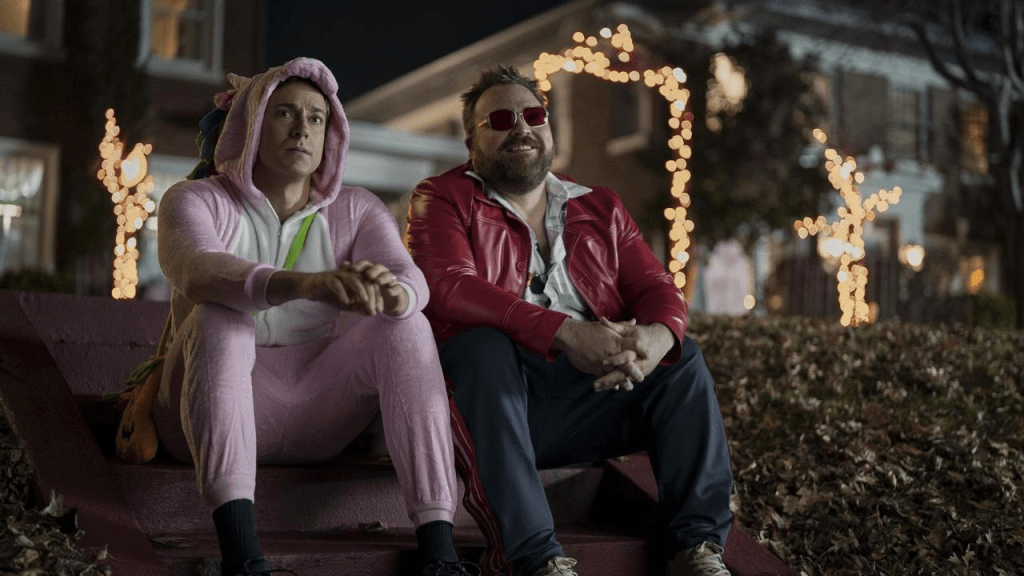
Starring Zachary Levi, the film tells the true story of Scott and Susy’s experiences as first time parents to Austin who has both Osteogenesis imperfecta (brittle bone disease) and autism. The film gives us an honest depiction of the ups and downs of caring for a child with needs like Austin’s and the strain that this can put on the family unit.

You can see a trailer for the film below:

So how did I rate the films depiction of autism?

It’s always interesting to see how Hollywood will handle an adaptation of a true story about an autistic child, but this film did a pretty good job. Keeping with the current trend in autistic representation, Austin is played by autistic actor Jacob Laval (who also happens to have Osteogenesis imperfecta) which always helps to truly translate the autistic experience. In the film, we get to see some of the classic signs of autism we’re used to like lining up toys and counting them, nerdy specialist interests like Star Wars and dinosaurs, violent meltdowns, OCD, food issues and literal thinking. I did get a chortle when Austin is told he was asked to do something 100 times for him to respond that it’s only been 4 times 🤣

However, the film does showcase some lesser known autistic traits like constant talking (which is rare given how often we’re presented with the non-verbal/introverted autist), tendencies towards daydreaming and fantasies, issues with hand-eye coordination, and sensory issues around clothing. In one particular scene, Austin takes off all of his clothes in the bathroom at church- a behaviour that’s common among some autists who struggle with clothing sensitivity.

The real Scott and Austin at the film premiere

On another level, while I don’t know much about the author, Scott’s character in the film certainly shows some higher functioning autistic traits himself, which is often true for parents of autists. Throughout the film, Scott struggles to cope with parenthood and develops issues with substance abuse to get through. There’s also a throwaway comment about money being wasted on Scott’s hobbies and gadgets which could be a subtle indicator of specialist interests. However, a lot of critics have remarked that focusing on Scott’s experiences in the movie tend to sideline Austin who is the primary focus of the book.

Whilst the film was a fairly lackluster affair (it doesn’t quite hit the warm and fuzzy wholesome feels you’d expect from this type of film), the depiction of autism and the strains it places on the family unit are fairly spot on, charting the highs and lows that come from life on the spectrum.

Hope you enjoyed this post dear Earthlings! 🙂

Have a lovely weekend!

Aoife

Google Accessibility Discovery Centre (ADC)

Greetings Earthlings! 🙂

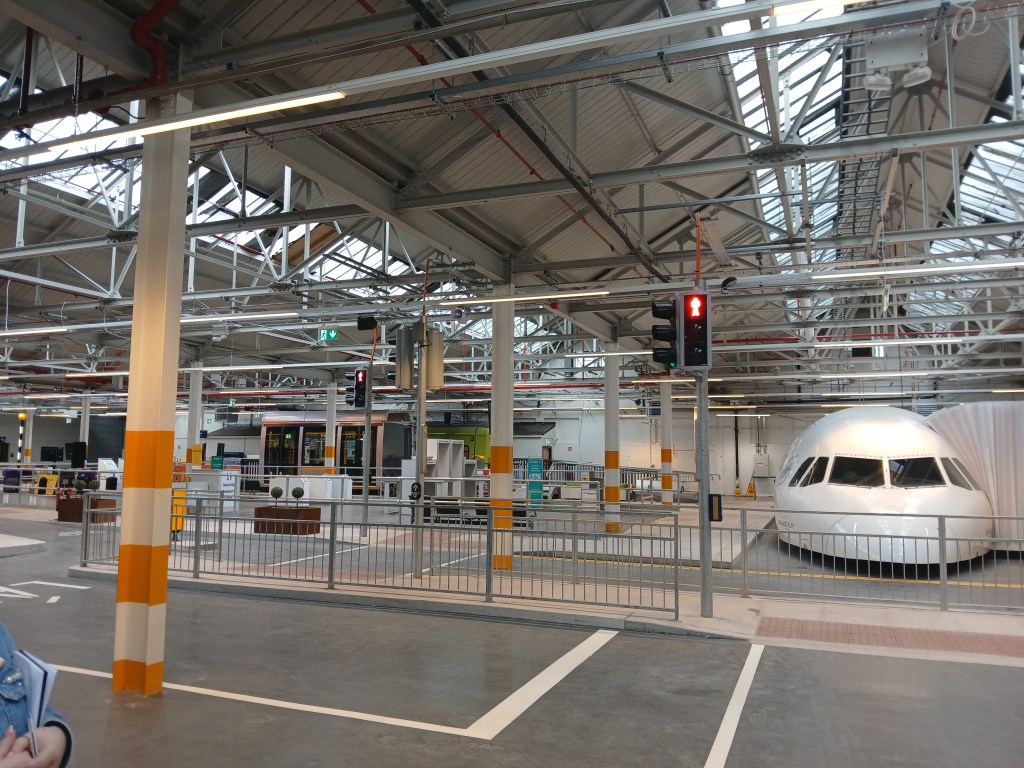
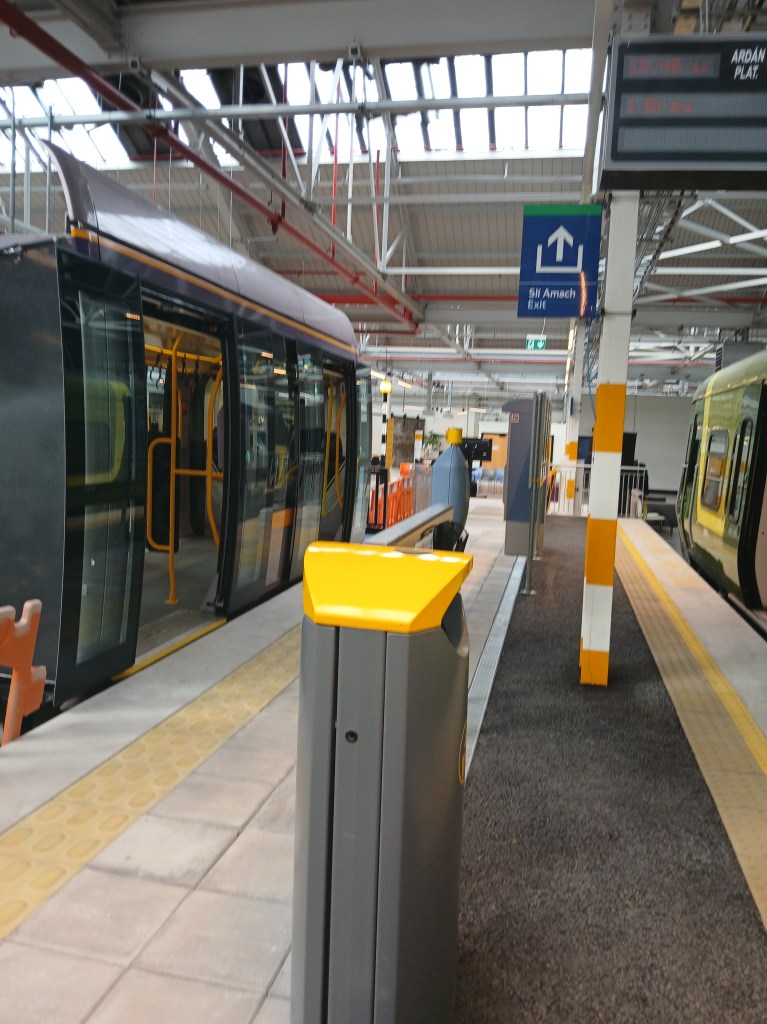
This week I’d like to talk about a recent trip I took to Google’s Accessibility Discovery Centre (ADC) in Dublin- the first of it’s kind in the EU. Now I know you might be wondering what a trip to Google has to do with autism- but bear with me!

So the ADC is a dedicated space where researchers and engineers develop new technologies that can help people with disabilities including those with autism. Not only do they develop new technologies, Google also uses this space to engage more effectively with disability communities to better understand our needs. The space is specifically designed to facilitate different disabilities- it’s wheelchair accessible, the colour scheme was designed to suit different disabilities with muted tones, and the lighting can be easily adjusted for sensitivities.

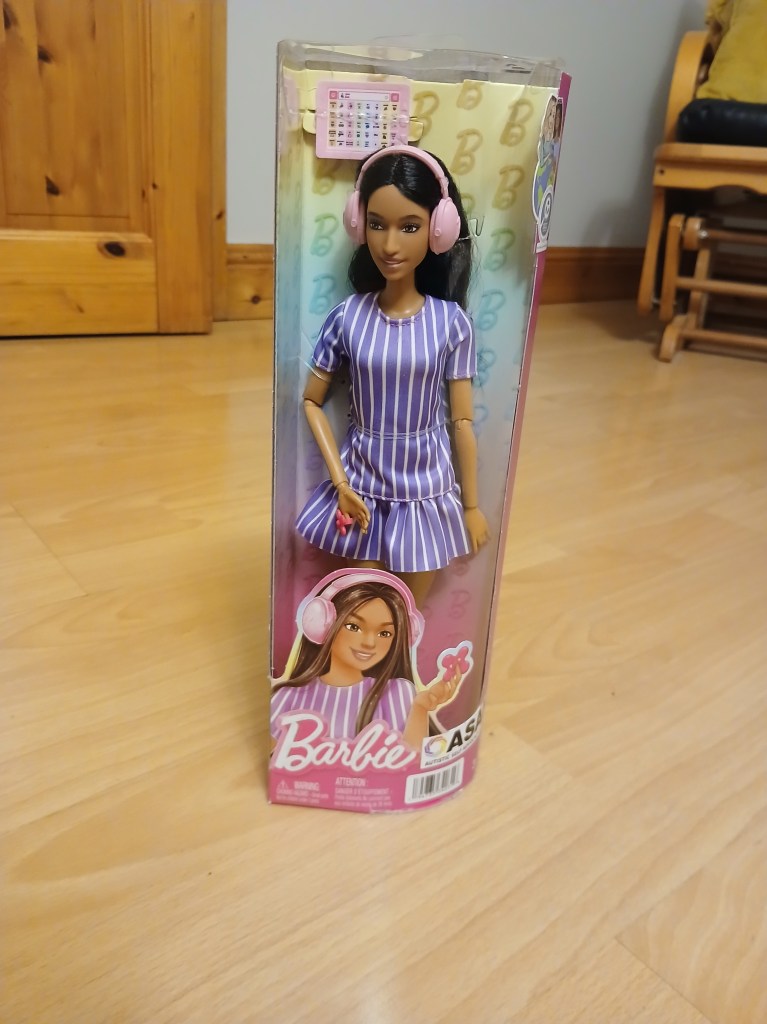
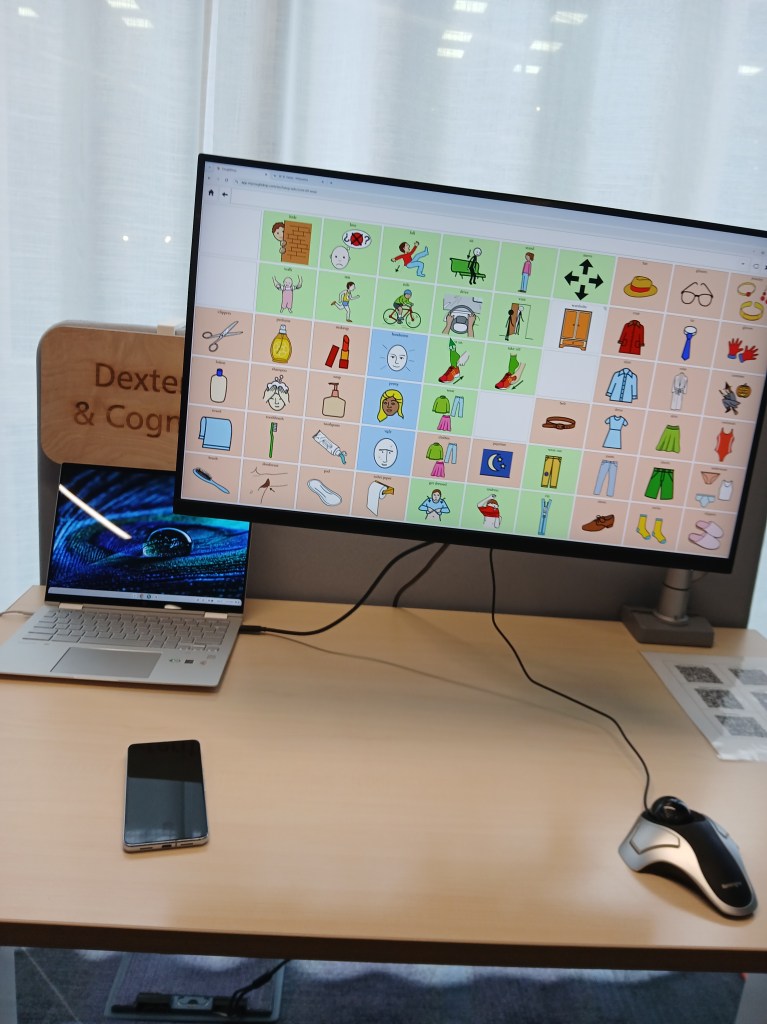
There were a number of really cool, innovative technologies that will really help the quality of life for people with physical disabilities including games that can be controlled with a chin joystick and ones that track eye movements- you can literally drive a car on the screen using your eyes! They are also working on some amazing tools for those with nonverbal autism such as a picture based program where you can click on images to make sentences (kind of like the rapid prompting method). You can see this in the image below:

They also showed us around their suite of accessibility tools and extensions available when using Google Chrome, including dyslexic font to help make reading easier- who knew such things could exist?🤯 One of my favourite parts of the tour was the neurodivergent corner where they had a range of nifty sensory toys you could play with which were great for stimming. They also had some glasses for light sensitivity issues, loop earplugs and a sliding social battery pin- which I could really do with getting my hands on 🤣.

It is a really cool facility and it’s great to see new dedicated spaces like these that are working on making life easier for neurodivergents and others with disabilities. If you’d like to tour the ADC, you can email Google at adc-dublin@google.com to set it up- I highly recommend the experience! 😀

Hope you enjoyed this post dear Earthlings!

Have a lovely weekend!

Aoife
Paracetamol and Autism

Greetings Earthlings! 🙂

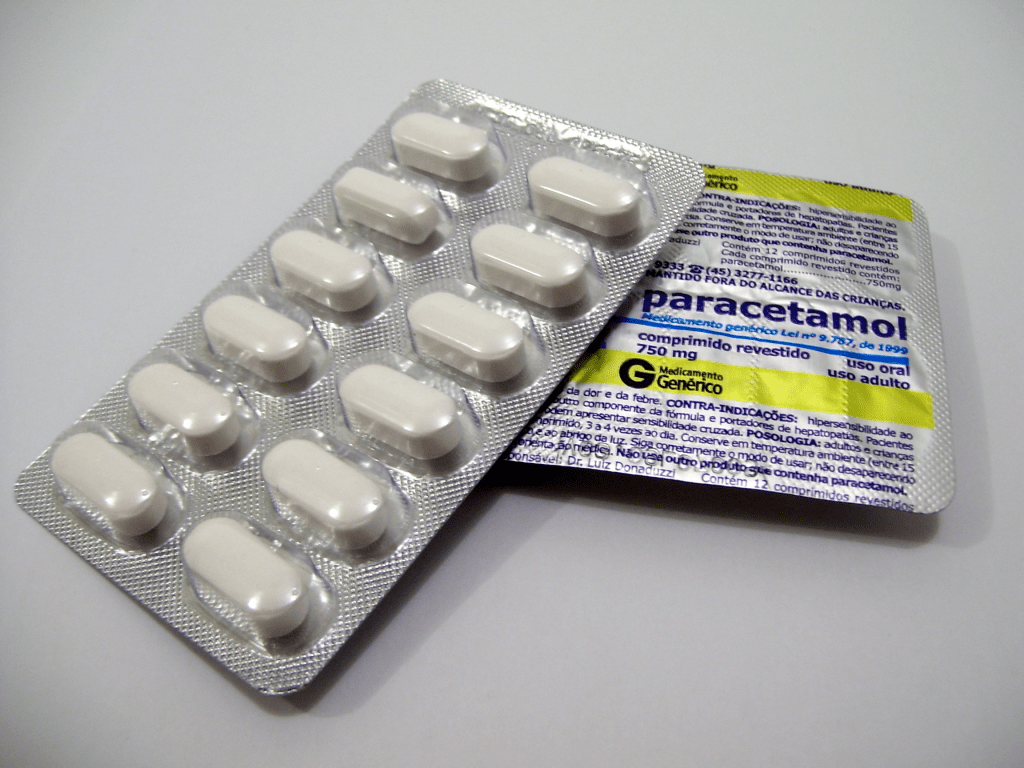
It is with my face cupped in my hands that I write this post for you after the latest “recommendations” coming from the States in recent weeks. In case you’ve been living under a rock, US president Donald Trump and RFK Jr., announced that there is a link between the use of paracetamol (also known as Tylenol) during pregnancy and the development of autism 🤦🏻‍♀️Historically this has been the safest drug that a woman can take during pregnancy to treat pain and fever (from infection), but now the Trump administration is slapping a warning label on this essential medication to scare women about the risk of autism when they’re at their most vulnerable.

So let’s separate fact from fiction- what does the research actually say?

Experts and researchers across the world have come out against these recommendations as the evidence largely does not support a causal link between autism and paracetamol. With regard to the current literature, there are often conflicting results in studies as it’s very hard to pin down accurate usage rates from medical records alone as paracetamol is an over the counter drug. Moreover, as it’s often used to treat other conditions, it’s hard to determine if any increase in autism rates is linked to the drug or the condition that paracetamol was used to treat. One of the largest studies of this type examined data from 2.5 million Swedish children from 1995-2019 to see if rates of paracetamol usage aligned with autism diagnoses. This study found that there was an increased likelihood, buuutttt not by much- 1.42% of children exposed to paracetamol were autistic versus 1.33% in those who were not exposed. I don’t think a 0.09% increased risk of autism is anything to write home about!

Sibling studies were also conducted to compare pregnancies where paracetamol had been given for one but not the other. These were performed as siblings are raised in the same environment, share genetic traits, and the health of the mother would have been similar for both pregnancies, removing a lot of factors that can influence the development of autism. This makes it easier to tell if paracetamol is having an impact in pregnancy. No links were found between the drug and autism in these studies.

On another note, researchers are of the opinion that the latest review of the research being pushed by the Trump administration hasn’t used the most robust of research methods. A more rigorous review of higher quality research was published on this topic earlier this year, and again, found no clinically significant risk of developing autism after paracetamol exposure in utero. The conflicting results seem to indicate a motivated agenda- and we all know how well that worked out last time with vaccines

Research aside, telling a pregnant woman to “tough it out” instead of taking paracetamol is simply not good enough. High fever in pregnancy can be extremely dangerous, increasing the risk of complications like miscarriage, preterm birth, or neural tube defects (congenital malformations of the brain and spine such as spina bifida and Anencephaly- a fatal brain defect where parts of the brain don’t fully develop). If doctors are discouraged from administering this vital medication, the outcomes could be so much worse for the baby than autism. It beggars belief that Trump essentially deems the risk of autism to be worse than death. Even more so given that most experts agree that the American president himself is on the spectrum!

The important thing to remember about the research is that this link, however miniscule, is just an association. Just because it’s associated with autism, does not make it the cause. My mother, and thousands of others on social media, never took paracetamol during pregnancy, but all of them have children on the spectrum. If you’re an expectant mother, don’t let Trump scare you into avoiding paracetamol if you require it. Listen to your care provider and make the best decision for your health and your baby’s.

Hope you enjoyed this post dear Earthlings!

Have a lovely weekend! 🙂

Aoife

Autism and Homelessness

Greetings Earthlings! 🙂

Leading on from my previous post about autism and employment, this week I’d like to discuss the link between autism and homelessness. I was shocked to learn recently that people with autism are at a higher risk of experiencing and remaining homeless than the general population. Research varies, but estimates of autism in the homeless range from 3%- 18.5%. This is a staggering statistic given that autism in the homed population is roughly 1-2%.

But why are autists more likely to experience homelessness?

As I’ve mentioned previously, 75-85% of autists are unable to find and maintain employment. Moreover, many autists struggle with co-morbid mental health issues and can be more likely to suffer from addiction issues- all of which can be contributing factors for homelessness. As a result of these struggles, autists do not have the same means that neurotypicals do to reduce their risk of homelessness and the ability to change their circumstances once homeless.

Autism is a condition that thrives on routine, stability and regulation of sensory environments which homelessness only serves to exacerbate. The sensory struggles with weather, the unfiltered noise of the city, the nasty smells from your surroundings can be completely overwhelming. Your mental health is on a knife edge and symptoms worsen without support and understanding. Most countries already struggle to provide adequate resources for housed autists and the general homeless population, making it even harder to properly support homeless autists. There is a serious lack of understanding of autism among workers in the homeless sector, especially with regard to the female experience. Surveys among workers in the homeless sector in the UK and Ireland have highlighted these gaps with over 90% of respondents noting the low levels of support for homeless autists and the need for autism specific training.

This is clearly a challenging issue that needs care and consideration to properly support the autistic community in both preventing and reversing homelessness.

Hope you enjoyed this post dear Earthlings!

Have a lovely weekend!

Aoife
Autism and Revenge bedtime procrastination (RBP)

Greetings Earthlings!

This week I’d like to discuss something that I have a very bad habit of engaging in- revenge bedtime procrastination.

And what pray tell is that when it’s at home?

You may never have heard of the expression, but it’s something that most 0f us have likely done at some point in our lives, especially for autists. Revenge bedtime procrastination (or RBP) is the deliberate act of putting off sleep in order to reclaim leisure time that was lost during the day, often after a busy and stressful one. The term was first coined on Chinese social media in 2014, where ‘revenge’ comes from taking back time for yourself, however, this behaviour is often self sabotaging resulting in poor sleep quality and deprivation.

For autists in particular, this behaviour is seen as a means of taking back control in a world where we often feel out of it. It’s a coping mechanism of sorts where we engage in this intentional sleep deprivation after an overwhelming day of sensory overload and social obligations. Taking back this time, while self sabotaging, is needed for self soothing, allowing autists to recover from the demands of living in a neurotypical world. Many autists struggle with executive dysfunction and ADHD, so organization and planning can be difficult, often leading to an out of balance day where routine can be difficult to maintain. RBP allows an autist to use their limited time at night for specialist interests and relaxation, where the cost of sleep is considered a worthy investment (or at least perceived as such til the next morning 😴).

I’m especially prone to this type of behaviour- I just wasn’t aware there was a word for it until recently. My schedule can be pretty hectic at times, often rolling home late at night, but despite my tiredness, I have to pull out my phone or a book for a while when I get to bed to veg out and decompress after the day. Other times, I tear into a few rows of knitting late at night, or tell myself I need just an episode or two of whatever show I’m currently binging before I can go to bed. I may be falling down from the tiredness, but there’s just something in me that pushes me to do these things before I turn out the light. Sometimes it’s this need to feel productive in my projects, other times its to zone out. It doesn’t matter how tired I’m going to be in the morning, my brain just needs those extra few minutes of me time.

It may not be the most sensible autistic behaviour, but with all the sleep issues autists experience at night, do whatever you need to do to reset your brain before bed 😌

Hope you enjoyed this post!

Have a lovely weekend!

Aoife

Virtual Autism

Greetings Earthlings!

This week I’d like to talk about a new type of autism that is emerging- virtual autism!

Em… what on earth is that?

No, it’s not some kind of futuristic disease or new computer virus. The reality of this condition is far more concerning.

Virtual autism is being used to describe a growing trend of developmental delays in children that mimic autism due to excessive digital device usage. In other words, screen usage is causing children to falsely present as autistic!

The term was first coined in 2018 by Romanian psychologist Marius Zamfir to describe behavioral abnormalities observed in children between the ages of 0 and 3 resulting from a lack of motor, sensory and social stimulation after spending >4 hours a day in a virtual environment. Symptoms observed  include communication issues, social withdrawal, lack of eye contact, attention problems, sleep issues, physical inactivity, and developmental delays which overlap with the early signs of classic autism. Similarly, other studies have backed up these observations by confirming the presence of autism like symptoms in toddlers that used electronic screens excessively.

Whilst the condition is too new to be recognized as a genuine diagnostic form of autism, experts are nonetheless warning parents about the risks and dangers of virtual autism. The good news is that unlike other forms of autism, virtual autism is easily preventable by monitoring and restricting screen usage. Similarly, virtual autism can be reversed and improved in most cases by reducing screen time, encouraging face to face interaction and playing with toys. The brain is highly adaptable, especially in childhood, so fear not if you think your child is showing signs of virtual autism. If you are unsure if your child is truly autistic or showing signs of virtual autism, cutting out excessive screen usage is a good first step to rule out virtual.

Hope you enjoyed this post dear Earthlings!

Have a lovely weekend! 🙂

Aoife

Physical attributes of Autism

Greetings Earthlings! 🙂

Leading on from my previous post You don’t look autistic?, it seems that I might need to eat my words that no one looks autistic. Research in recent years indicates that autism may in fact have some physical attributes- in other words, there is actually an autistic look 🤯

Yep, I had to be peeled off the floor when I heard that- so many autists making jokes about not looking autistic and here we have science telling us that we do! 😂

So what does the research say?

Whilst there isn’t a specific definitive autistic look as with other genetic conditions like Down’s Syndrome, studies have identified the following facial features in autistic children:

  • Eyes are wider and spaced further apart
  • Broader upper face
  • Shorter middle face
  • Larger mouth and philtrum (i.e., the groove between your nose and mouth)
  • Others may also have a flattened nasal bridge, a longer philtrum, and a less pronounced chin

Similarly, studies suggest that 10-35% of autists have a larger head size than their neurotypical peers. The circumference of the head, particularly in males with autism, is much larger than average- a condition known as macrocephaly. This size difference is often linked to larger brain volume in childhood, thought to be caused by early brain overgrowth. Head size usually balances out in adulthood, but it may persist for some autists.

As with all autistic traits, not all autists may have these facial features (my mouth is so small my wisdom teeth had no room to grow), and the differences are so subtle it’s doubtful that the untrained eye will notice. The research is very limited, so these facial features may not even indicate an autism diagnosis, but still it’s a very interesting concept. Perhaps one day facial analysis may help speed up the autism diagnostic process.

Hope you enjoyed this post dear Earthlings!

Have a lovely weekend!

Aoife
Autism in Doctor Odyssey

Greetings Earthlings! 🙂

This week I’d like to discuss the recent depiction of an autistic character in the medical drama Doctor Odyssey.

For those who haven’t seen the show yet (not that I’d recommend it, I mainly stuck with it for closure on how the series ended 🫠), Doctor Odyssey follows Max Bankman (played by Dawson’s Creek alum Joshua Jackson) who has just taken a job as the on-board doctor for the luxury cruise ship ‘The Odyssey’. This overhyped drama from producer Ryan Murphy (known for Glee, American Horror Story, Monsters and 9-11) was 90% unrealistic rubbish, BUT it did provide us with a somewhat true depiction of autism.

During episodes 9 and 10 of the first series (which by current reports seems likely to be it’s last 🫠), the ship receives a distress call from a group who’s charter ship sank after a shark attack. Among the rescued is first mate Ray (played by AuDHD actor Liam Johnson), a straight talking, literal thinking, awkward autist who is a little out of sorts on the ship as his routine has been disrupted following the shark attack. Following a rocky start after inadvertently annoying staff on the ship, Ray quickly becomes an asset using his mathematic and marine skills to chart the quickest course to port, in addition to advising the ships captain when The Odyssey is besieged by a pod of orcas (as if the sharks weren’t enough…).

Now while Ray’s onscreen traits and manner are relatively stereotypical (there’s a lot of scenes about sound sensitivity around using sound cannons and fireworks to get rid of the orcas), what was refreshing was how the show chose to depict him as a handsome, stoic, naval character. When men are depicted with autism, they are generally overtly nerdy, skinny, outcasts working in some form of STEM, but here we find a jock-esque first mate confidently navigating the seas, showing us all that with a little support and understanding, autists can do anything they set their mind to.

All in all, while the show is rather far fetched, it does sort of get autism right (though I still wouldn’t recommend watching it- stick with The Pitt and The Good Doctor 😉).

Hope you enjoyed this post dear Earthlings!

Have a lovely weekend!

Aoife
Robert F Kennedy Jr.’s Autism Beliefs

Greetings Earthlings! 🙂

I can’t even remember what I was planning to write about this week, so incensed am I about these comments that Robert F Kennedy Jr. (the US Health secretary) has been making about autism in recent weeks.

For those of you who haven’t heard, RFK Jr. has vowed to find the cause autism by September, as he believes that it is an entirely preventable epidemic resulting from exposure to environmental toxins. A vaccine skeptic, he plans to launch a major study to identify the right toxin to rid America of autism, going against the multitude of studies that indicate a genetic cause (he claims genes just make you more susceptible to environmental toxins🙄). This study is coming on the back of the Trump administration’s ban on research and services related to diversity, equity, inclusion and accessibility. Naturally, the autism community is in uproar about these flippant, uneducated comments leaving RFK Jr. baffled by the “tsunami of anger” that has come his way.

Here’s just a taste of his comments:

“These are kids who will never pay taxes. They’ll never hold a job. They’ll never play baseball. They’ll never write a poem. They’ll never go out on a date. Many of them will never use a toilet unassisted.”

This sort of statement beggars belief… He has since clarified that he only meant the 25% of autists who are severe level 3, but that doesn’t make it any better. Let’s go through this checklist for a minute:

  • Never pay taxes or hold a job? My employers and Irish revenue would beg to differ (the latter have made a fortune from me!)
  • Play baseball? I could (badly) if I wanted to, but baseball is boring
  • Write a poem? I’ve written many (and this blog can attest to my writing skills)
  • Go out on a date? I recently sat through 32 speed dates (though it did require painkillers and chicken nuggets to reset after 🫠)
  • Use the toilet unassisted? Always- unless I need a hand getting out of a jumpsuit!

Every single neurodivergent I know will equally pass this list. As we have discussed many times on this blog, autism is a spectrum, you cannot make generalizations. We’re all unique and experience autism differently. Not to mention how damaging it is to claim that he intends to “cure” autism, seeing our existence as a problem to be fixed.

And when you think things can’t get any worse, it’s been reported that there are plans to monitor autism records and make major cuts to disability services. The National Institute of Health (NIH) is collecting private medical records to provide researchers with data for RFK Jr’s new study, with reports saying there are plans to craft a new registry to track people with autism🤦🏻‍♀️.

Compiling such a list could have huge implications for data security. Who’s to say this registry wouldn’t be made available for potential employers who could use it discriminate against candidates? As much as we’d like to believe we live in a society more accepting of neurodivergence, prejudices still exist when it comes to disability in the workplace. Whilst my current employers are very supportive (they’ve even asked me how to make the snacks more autism friendly 😂), I’ve had other experiences where I was discriminated against for my diagnosis.

Even worse, if this registry made it into the hands of criminals, they could create a campaign to defraud you, playing on your social inadequacies and trusting nature. It’s a disaster waiting to happen…

Just saying, it’s beginning to sound an awful lot like another person with harmful ideas who took a registry…

This will be an interesting story to follow over the next few months.

Hope you enjoyed this post (or at least my commentary since the subject matter sucks)!

Have a lovely weekend!

Aoife

Do people with autism look younger?

Greetings Earthlings! 🙂

Leading on my from my previous post about autism and ageing, this week I’d like to discuss whether or not people with autism look younger.

Yep, apparently there appears to be a link between autism and looking younger!

In my own experience, it has been mentioned that I look far younger than my age. I’ve always had a youthful complexion, but I’d just chalked it down to good skincare, genes and the lack of a man to turn my hair grey 😂 Never in my wildest dreams did I think that my autism might be linked to my appearance!

So let’s explore why autists look younger.

As I’ve discussed in my previous post about autism and joint hypermobility, some autists have co-morbid hypermobility conditions such as Ehlers-Danlos Syndrome (EDS). This causes structural tissues like collagen to be weaker and more elastic which causes stretchy joints. However, this increased elasticity can result in a more youthful appearance as the skin is more resistant to damage, which can delay or even prevent the appearance of wrinkles🫨

Facial expressions may also contribute to a youthful visage, as autists tend to produce facial expressions less frequently and for shorter durations than neurotypicals. A less expressive face = less wrinkles.

It’s also possible that our youthful appearance may be more behavioural than biological. A lot of autists tend to be introverted and prefer indoorsy activities away from the elements, especially those with light sensitivity. As a result, lower UV exposure may be preserving our skin from the ageing impact of the sun. My nickname was ‘Dracula’ as a teenager as I would spend summers indoors reading, often returning from sun holidays with little to no tan🙈. On another level, our tendency towards naivety, more childish interests and behaviours can make us seem younger by association rather than looks.

However, while the evidence does seem to suggest autists do look younger, there equally is evidence that some autists look a lot older. As much as EDS increases skin elasticity, it can also lead to thin, fragile skin that can be more prone to bruising, resulting in premature ageing. One study even suggests that autists experience a faster rate of ageing and that they have an older facial age. This may however be correlated to poor self care, lifestyle and the higher levels of biological stress experienced by autists, buuuttt the same can largely be said for neurotypical ageing🤷‍♀️.

Hope you enjoyed this post dear Earthlings! 🙂

Happy Easter!

Aoife

Blog at WordPress.com.

Up ↑