Autism in ‘The Unbreakable Boy’

Greetings Earthlings! 🙂

This week I’d like to take a look at autism in the film ‘The Unbreakable Boy‘ based on the book ‘The Unbreakable Boy: A Father’s Fear, a Son’s Courage, and a Story of Unconditional Love’ by Scott Michael LeRette and Susy Flory.

Starring Zachary Levi, the film tells the true story of Scott and Susy’s experiences as first time parents to Austin who has both Osteogenesis imperfecta (brittle bone disease) and autism. The film gives us an honest depiction of the ups and downs of caring for a child with needs like Austin’s and the strain that this can put on the family unit.

You can see a trailer for the film below:

So how did I rate the films depiction of autism?

It’s always interesting to see how Hollywood will handle an adaptation of a true story about an autistic child, but this film did a pretty good job. Keeping with the current trend in autistic representation, Austin is played by autistic actor Jacob Laval (who also happens to have Osteogenesis imperfecta) which always helps to truly translate the autistic experience. In the film, we get to see some of the classic signs of autism we’re used to like lining up toys and counting them, nerdy specialist interests like Star Wars and dinosaurs, violent meltdowns, OCD, food issues and literal thinking. I did get a chortle when Austin is told he was asked to do something 100 times for him to respond that it’s only been 4 times 🤣

However, the film does showcase some lesser known autistic traits like constant talking (which is rare given how often we’re presented with the non-verbal/introverted autist), tendencies towards daydreaming and fantasies, issues with hand-eye coordination, and sensory issues around clothing. In one particular scene, Austin takes off all of his clothes in the bathroom at church- a behaviour that’s common among some autists who struggle with clothing sensitivity.

The real Scott and Austin at the film premiere

On another level, while I don’t know much about the author, Scott’s character in the film certainly shows some higher functioning autistic traits himself, which is often true for parents of autists. Throughout the film, Scott struggles to cope with parenthood and develops issues with substance abuse to get through. There’s also a throwaway comment about money being wasted on Scott’s hobbies and gadgets which could be a subtle indicator of specialist interests. However, a lot of critics have remarked that focusing on Scott’s experiences in the movie tend to sideline Austin who is the primary focus of the book.
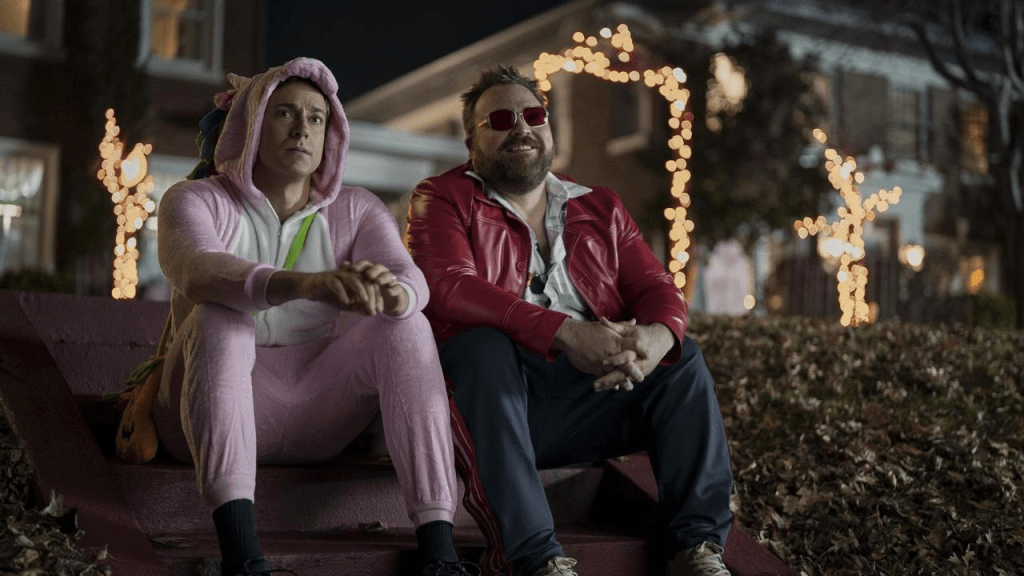
Whilst the film was a fairly lackluster affair (it doesn’t quite hit the warm and fuzzy wholesome feels you’d expect from this type of film), the depiction of autism and the strains it places on the family unit are fairly spot on, charting the highs and lows that come from life on the spectrum.

Hope you enjoyed this post dear Earthlings! 🙂

Have a lovely weekend!

Aoife

Autism in ‘The Princess Diaries’

Greetings Earthlings! 😀

This week I’d like to discuss autism in one of my favourite teenage book series ‘The Princess Diaries‘ (we won’t go into the films- they deviated too much from the books and Anne Hathaway comes across more adorably awkward than autistic).

So what are the books about?

The books focus on American teenager Mia Thermopolis and her discovery that she is secretly a princess to the small European principality of Genovia. Mia keeps a diary to help process her feelings in the wake of this massive revelation, whilst also navigating the ups and downs of school life, teenage crushes, bullies, self image and self-discovery. Two later books geared at the adults who grew up with Mia document her royal wedding and experiences of quarantine life during the Covid-19 pandemic.

But what about autism?

Now here’s where things get interesting. Reading these books was probably the first time that I had ever heard of Asperger’s syndrome (the original series was written pre-2013 when Asperger’s was still a separate diagnosis). Mia is assigned to do a report on the condition in psychology class in book 5 ‘Princess in Pink‘ (or ‘Give Me Five ‘ as I knew it), quickly identifying with many traits, and subsequently diagnosing herself and everyone in her social circle. However, her mother reminds her that she thought she had Tourette’s syndrome during her previous assignment, brushing away her fears and never mentioning autism again. Her mom does suggest that Mia’s best friend Lily might have Aspergers- which is likely, but in my opinion Lily tends to veer more towards narcissism than spectrum.

Princess Diaries author Meg Cabot

So is Mia really autistic?

Despite being brushed off by her family, I (and many other autistic readers) believe that ironically Mia is quite likely on the spectrum. I always identified with Mia and saw a lot of myself in her. Tomboyish and nerdy, she always marched to her own beat (in spite of her bullies), but struggled to fit in outside her close knit friend group. She’s a highly sensitive over-thinker with a tendency to catastrophize and create scenarios in her head out of nothing. She obsesses over the minutia of how the world perceives her and the social pressures and expectations of society (she spends several books overthinking about her readiness for physical intimacy and what is expected of her), often describing herself as a ‘freak’ who wants to be normal. An avid writer, Mia journals everything in detail, her thoughts often resonating with ADHD thinking. Moreover, she is quite drawn to smells like her brothers head and her boyfriend’s neck, feeling calmer after she has sniffed these- something that many autists can relate to. She also tends to look to romantic comedies and romance novels for how relationships should play out- something that many experts have noted autistic women do.

One moment in particular stands out to me with the hindsight of my diagnosis. In the 6th book Princess in Training (Sixsational in the UK/Ireland), Mia completely cracks under the pressure of her princess duties, running for student council, her first ever B in English, and her paranoia that her boyfriend will break up with her as she’s not ready for sex. After seeing her grandmother handing out pens in school for her presidential campaign, she freaks out, starts throwing the pens and completely breaks down crying and is hauled off to the nurses office, an incident the nurse described as “a crying jag”. This seems far more like a classic meltdown to me. Moreover, there are many more instances of things like this where when things go wrong, Mia goes into flight mode running off with her diary to her fire escape, the school roof, abandoned stairwells and spends an awful lot of time in bathroom stalls mirroring my own responses to upsetting situations as a teenager.

Some readers however were not happy about Mia’s assumption that everyone she knows has Asperger’s. Meg Cabot has apologised on her blog for any pain caused by this as she was trying to portray how Asperger’s can be so diverse in it’s symptoms and how we all have traits, but was mainly trying to show the phenomenon of thinking you have the disease you’re reading about. On another level, I think this is really interesting how Mia keeps seeing it in her friend group as quite often neurodivergents tend to gravitate towards each other (a number of my friends have sought autism/ADHD diagnoses as adults), so it’s fair to say her friends likely do have many autistic traits.

Not much was widely known about the female experience of autism back when these books were written, but it’s a pretty accurate depiction, however unintentional.

Hope you enjoyed this post dear Earthlings! 🙂

Have a lovely weekend!

Aoife

Autism in ‘Geek Girl’

Greetings Earthling! 😀

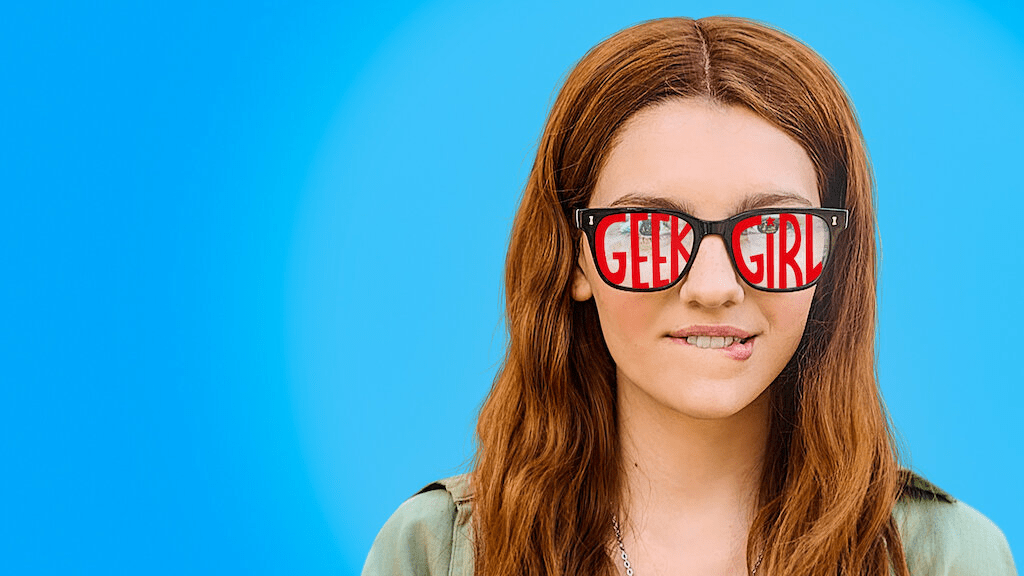
This week I’d like to talk about the new young adult series Geek Girl on Netflix (they’re really on the ball with neurodiversity the last few years!) and it’s accurate depiction of the struggles of an autistic teenage girl.

Based on the Geek Girl books by Holly Smale (which I have purchased and will write about eventually), the series follows awkward “geek” Harriet Manners who’s life completely changes after being scouted by a modelling agency. Mercilessly bullied at school, she sets out on her modelling journey to reinvent herself. You can check out a trailer for the series here:

But you haven’t mentioned anything about autism yet Aoife?

So- the author Holly Smale wrote these books based on her own experiences of being an awkward teen model, BUT Holly was diagnosed with autism at the age of 39 and has retrospectively described Harriet as autistic. As such, it seems that the TV series is planning to incorporate an autism diagnosis down the line, as lead actress Emily Carey is autistic, and there have been many hints to her neurodivergence including a conversation between her agent and her father about seeking a professional and not wanting to label her.

So what did I make of the show?

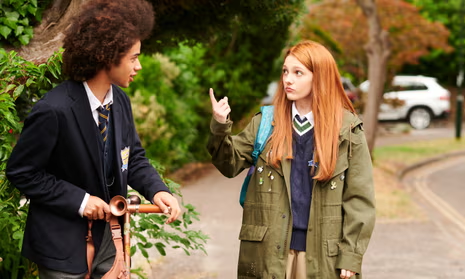
Well I absolutely loved it- a lovely wholesome show with an authentic portrayal of neurodivergence, I was hooked! Harriet’s autistic traits were subtle (as they are for most high functioning autists)- stimming, coordination issues, minor issues reading social cues etc. What really sets the series apart from others though is Harriet’s narration. We get to see her internal monologue, how she thinks and processes, which really helps to give an insight into what we autists go through on the inside (though I will say that my internal monologues speak waaaaaaay faster than Harriet’s 😂). Harriet’s friend Toby is also clearly on the spectrum, albeit he presents far more like the traditional autistic oddball that we often see in media depictions of autism- which while a little stereotypical, really helps to show how different male and female presentations of autism can differ.

One of the other things I found most interesting was how Harriet’s dad also appears to be neurodivergent. He seems to struggle with work, is quite nerdy and eccentric (he drives Harriet to school in his PJs one day) and is described by his wife as very childish. At one point during an online job interview his wife holds up flashcards for him coaching him on what to say, reminding me of how people have tried to guide me in certain social situations. Very often with on screen portrayals of autism we focus on the child or the oddball single adult, we don’t tend to see neurodivergence in the wider family like between parent and child 0r other spectrum siblings. Autism is highly genetic with many parents discovering their neurodivergence after their child is diagnosed, and there can often be multiple autistic children within a family (I once came across a family with 5 sons on the spectrum).

My one criticism, again like Dinosaur, was Harriet’s stereotypical love of dinosaurs and desire to be a paleontologist, buuutttt as a real autist wrote the show, I can’t really argue with lived experience 😜. I’m really starting to wonder- did I miss the autism memo that you need to be obsessed with dinosaurs cause I have never really seen the fascination 🤣🙈 Dogs are much more my vibe!

Interestingly, many critics have branded the show an “inauthentic” representation of autism… to which Holly Smale had the following to say:

“It’s based on books written by me (autistic), about me as a teen (autistic). I wrote all of Harriet for the show (still autistic) and the lead actor is autistic. It’s the DEFINITION of authentic. I think people are so used to seeing inauthentic representation they don’t recognise it when it’s in front of them.”

You can’t get more authentic than that folks! 🤣🙈

All in all I highly recommend this show and look forward to seeing Harriet’s journey in future seasons!

Hope you enjoyed this post dear Earthlings! 🙂

Have a lovely weekend!

Aoife

Autism in ‘Freya Harte is not a Puzzle’

Greetings Earthlings! 🙂

This week I’d like to talk to you about an exciting new book for autistic teenagers- ‘Freya Harte is not a Puzzle‘ by up and coming Irish author Méabh Collins. The book centres on 14 year old Freya Harte who has just received an autism diagnosis and details her experiences as she comes to terms with it.

Having read an article about this book and it’s author Méabh (she and I are the same age and interestingly also diagnosed at the same age!) I was very excited to read it. Finally- a book about a teenage girl with autism written by a fellow autist! Best of all, Freya is coming up through the Irish education system- just the kind of book my teenage self could have related to.

So what did I make of it?

Author Méabh Collins

Quite frankly, I couldn’t put the book down! Freya’s experiences of autism were so similar to my own (apart from the timeline on the diagnosis), I really connected with her. Her literal thinking, the constant battle to fit in with her peers, the struggles to keep the tears at bay, the solace of the confined bathroom stall- it all hit very close to home. One of the things I most liked about the book was how Méabh gave us a genuine insight into the workings of the autistic mind and the issues we can have with twisted logic. For example, Freya struggles with an eating disorder because she read an article about foods for a healthy brain and thought that if she changed her diet drastically, maybe her brain would be more normal. She also gets up really early on a Saturday and takes the Luas into Dublin city to buy a Disney magazine far away from where anyone she may know might catch her buying it so that her peers don’t judge her for her specialist interest. It seems a bit daft when you read it, but these are the kind of logical decisions/conclusions the autistic mind makes- there’s method in the perceived madness!

This book gives great insight into how we work and I would highly recommend it for any teachers, parents or friends who are trying to support a woman through an autism diagnosis. No two autists are the same, but it’s a very good starting point to help you to understand what our minds go through on a day to day basis, how we see the world and rationalize every aspect of our day. Méabh deliberately took the approach of focusing on autism from the inside out. No stereotypical savants, no tricks or exaggerations for dramatic/comedic effect; just a nuanced exploration of the female autistic experience so that the reader can begin to understand how and why we think the way we do.

Understanding goes a long way to helping an autist, so this book is a must read for anyone who knows a woman with autism and would like an insight into the autistic mind.

Hope you enjoyed this post dear Earthlings! 🙂

Have a lovely weekend!

Aoife
Autism on Screen- Sherlock

Greetings Earthlings! 🙂

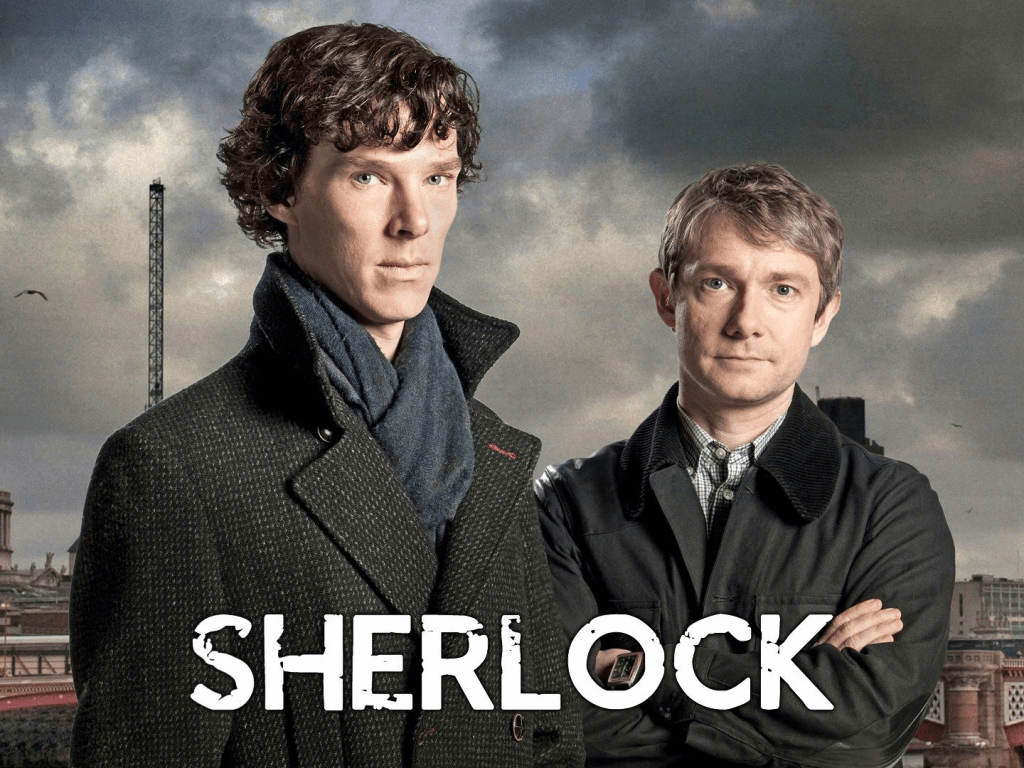
This week I’d like to take a look at autism in the popular BBC mystery/crime drama series ‘Sherlock‘ starring Benedict Cumberbatch and Martin Freeman (I know, I’m a bit late to the party on this show, but I only recently binged it during the pandemic 😛 ).

So what’s Sherlock about?

The premise of Sherlock is fairly self explanatory- it’s a series based on the infamous Sherlock Holmes stories by Sir Arthur Conan Doyle set in modern day London. Holmes, a consulting detective, works closely with his friend Dr. Watson to solve mysteries and crimes across London by using Sherlock’s keen powers of observation and deduction in tandem with modern sleuthing technologies, giving Holmes’s story a contemporary edge.

Here’s a trailer of the series for those of you who have never seen it:

So how does autism tie into all of this?

There has been much debate as to whether or not the character of Sherlock has Asperger’s Syndrome. Many experts have theorized that he original character of Sherlock Holmes in the 19th century stories may have been displaying signs of autism decades before the condition was first characterized. Sherlock indeed displays many traits of Asperger’s- his powers of observation, his intellect and memory, obsession with his work, issues with sleep and drug addiction, mind blindness to social cues, his struggles with empathy, and moments of perceived sociopathy (some autists have been misdiagnosed as sociopaths) all tend to paint the picture of an autist. Moreover, the chief of police and Dr. Watson have even theorized that Sherlock may have Asperger’s.

You can find a video of some of Sherlock’s best bits in the show at the link below:

https://fb.watch/eIYlHsMlKw/

However, this depiction has not been without it’s critiques. It has been argued that this depiction of Sherlock as a superhuman intellect with sociopathic tendencies is damaging for the autistic community as this is a negative, somewhat romanticized and simplistic portrayal of the condition that can mislead the public in their perceptions of the condition (although let’s face it- 90% of autistic characters recycle the same traits and rarely give us an insight into the variety and complexity of the neurodivergent population 😛 ). The autistic community on the whole however, has mainly been supportive in claiming Sherlock as one of our own as many relate to Sherlock and feel seen in Cumberbatch’s portrayal.

Hope you enjoyed this post dear Earthlings!

Have a lovely weekend! 🙂

Aoife

Autism in ‘Convenience Store Woman’

Greetings Earthlings! 🙂

This week I’d like to talk about another autistic female character in the book ‘Convenience Store Woman‘ by Japanese author Sayaka Murata.

So what’s the book about?

The book tells the story of convenience store (or konbini) worker Keiko Furukura, a 36 year old woman who has worked part time in her local store for the last 18 years. She is content with her life in the store, happily set in routine as a functional cog in the “machine of society”. But as content as Keiko may be, the world is not content with her life. Keiko is considered somewhat of an anomaly in Japanese society, as convenience store jobs are considered stop gaps for students, job seekers, housewives etc. As she approaches her late thirties, her family and friends become increasingly invasive in their questioning of her lifestyle- why has she never moved on from the store? Why hasn’t she married? Why won’t she try to be like everyone else? Everyone wants to “fix” Keiko so that she will become a “normal”, functioning member of society. Things become so bad that Keiko goes so far as to adopt an obnoxious former employee at the store as a room mate/ “pet” to get the world off of her back and to let them assume that she is in a relationship and finally acting “normal”.

Author Sayaka Murata

So is Keiko autistic?

While autism is never mentioned in the book, many autistic women have felt a real connection with Keiko and her struggles. Keiko is socially awkward, and a constant worry to her family. She regularly says and does the wrong thing- like hitting a boy over the head with a shovel in school to break up a fight, or asking to eat a dead budgie in the park, struggling completely to understand why these things were unacceptable.

The book I felt contains one of the best descriptions of autistic masking that I have come across. When Keiko first joined the convenience store, it was like she finally felt like a real person, as the detailed employee trainee videos trained her on how to act in the store, how to speak, to smile, phrases to use- she remarked that it was the first time that anyone had ever shown her what normal speech and facial expressions looked like. She took to the organized monotony of store life like a duck to water, finally feeling like she had a purpose. Based on her experiences in the store, Keiko learned to mask the behaviours of others around her, studying them, taking on their facial expressions, turns of phrases, speech patterns, even looking up their clothes and buying them online so that she could pass for what she felt the world considered “normal.” Reading this I saw myself reflected in her actions- how often I mimic my friends speech patterns and phrases, discerned standard responses to common questions, to picking up their bad behaviours (I deliberately developed a bad habit of chewing pens when I started secondary school as I had gotten it into my head from watching those around me that I needed to exhibit a habit like this to fit in and be “normal”!)

The book is a nice short read (160 pages in the English translation) and whether intentional or not, paints a quirky portrait of an autistic woman at odds with the world, which so many of us can relate to, and I highly recommend it’s portrayal of masking 🙂

Hope you enjoyed this post dear Earthlings!

Have a lovely weekend! 🙂

Aoife

Autism in ‘Big Girl, Small Town’

Greetings Earthlings! 🙂

This week I’d like to discuss a book featuring an autistic protagonist ‘Big Girl, Small Town‘ by Michelle Gallen.

So what’s the book about?

The book details a week in the life of Majella O’ Neil, a 27 year old woman with undiagnosed autism living in Aghybogey, a border town in Northern Ireland in the post Troubles era. She lives a life of strict routine with her alcoholic mother- she eats the same dinner every day, wears the same clothes, and watches reruns of Dallas every night after she finishes work in the local chipper (for my international readers- a chipper is a fast food establishment that sells ‘chips’ or fries in addition to an array of other deep fried meats and products). You can check out an audio excerpt from the book here narrated by Nicola Coughlan of Derry Girls and Bridgerton fame:

So how did I find it’s depiction of autism?

As it transpires, the author Michelle Gallen is not neurotypical- she experienced a catastrophic brain injury in her twenties from auto-immune encephalitis which has left her with many deficits and sensory sensitivities that parallel with autistic symptoms. In interviews she appears to describe autistic people almost separate from herself so she doesn’t appear to identify as autistic, but her doctors reckon that she was always neurodiverse as she has had struggles with social situations and understanding her peers growing up.

With a neurodiverse voice at the helm of this book, we’re given a refreshing slant on the classic literary autist. In an interesting twist, each new scene is preceded by Majella’s numbered list items of likes and dislikes (mainly dislikes) relating to the events you are about to read about (e.g. ‘Item 4.1: Fluorescent lights’) which really gives us an insight into the array of bugbears that autists deal with on a day to day basis. The book details many classic signs of autism such as stimming (she’s really into finger flicking and sucking her fingers), sensory issues, impulsivity, OCD, mind blindness, the need for routine and resistance to change, but we also see a lot of the sides of autism that are often ignored such as masking. The book describes how Majella drinks in the people around her and has learned/auto responses to certain questions to navigate conversations- one of the most prominent traits for autistic women. Majella is also just a girl working in a chipper, content with her lot which is a nice deviation from the classic genius narrative 😛

One of the most striking things about the book is that the author tackles taboo issues such as sex, periods and puberty head on- issues that can be very challenging for autists. In fact, sex is one of Majella’s favourite things, something that is regularly shied away from when it comes to autism. As autists struggle so much on a social and sensory level, most people seem to think that we’re asexual robots, but like autism, autistic sexuality is a spectrum ranging from asexuality to hypersexuality, so it’s nice to see this stigma challenged.

On the other hand, once again we are presented with a book that is marketed as being about an autistic character, yet it does not tackle the issue head on or even mention the elephant in the room in passing (as in The Rosie Project). Much of the promotional material for the book describes Majella as autistic, but it appears that the author accidentally created the portrait of an autistic woman based on her own experiences of neurodiversity:

“I kept being asked this question, What’s wrong with Majella? I knew she was kind of unusual … I decided to read up a bit more on the female presentation of autism, and when I started even the most basic reading of it, I was like, Oh my God. OK. I realized that I created a portrait of an autistic woman, because these types of behaviors were incredibly familiar to me. What’s wrong with Majella? There’s nothing wrong with Majella. She’s an undiagnosed autistic woman. And she’s fascinating.”

On a personal level as a book lover, I was not a fan of the novel (I was very disappointed as the reviews were glowing). I really struggled to get into it and were it not for the benefit of this post for my loyal readers, I would have given up on it after the first 30 pages. I found it needlessly vulgar with a difficult to follow phonetic writing style (to convey the nuances of the Northern Irish accent). Indeed, post-Troubles Northern Ireland can be a very rough and vulgar place at times, but this could have been conveyed just as viscerally with a more traditional, non-profane style of writing. A lot of the sub-plots felt underdeveloped and unfinished at the books close, and the day to day monotony of Majella’s routine and work life wasn’t exactly a thrill a minute- there were times I felt like half the words in the book were food orders from her job in the chipper… Despite the fact that Majella thinks a lot like me, I found it really hard to like her and identify with her, and I just didn’t get that same sense of kinship as I did from reading about Allegra in Cecelia Ahern’s ‘Freckles‘.

All in all, this book provides a good insight into the thinkings of a neurodiverse mind, but it’s not a story that I would recommend.

Hope you enjoyed this post dear Earthlings! 🙂

Have a lovely weekend!

Aoife
Autism in ‘Freckles’ by Cecelia Ahern

Greetings Earthlings! 🙂

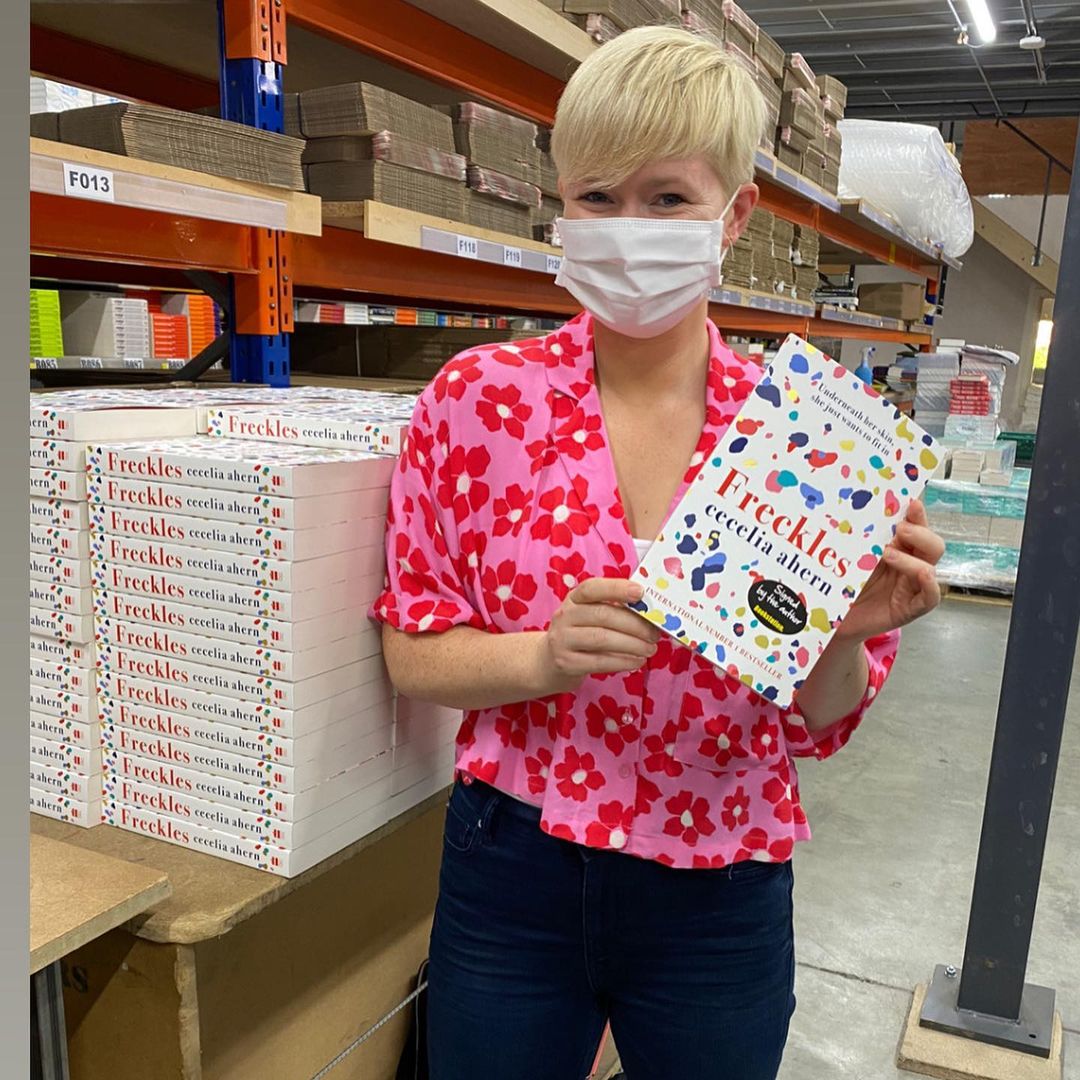
This week I’d like to discuss a book I recently read while on holidays- ‘Freckles‘ by Cecelia Ahern.

Freckles by Cecelia Ahern

So what exactly is ‘Freckles‘ about?

Freckles‘ tells the story of Allegra, a young traffic warden in Dublin city, nicknamed ‘Freckles’ due to the abundance of freckles on her body. One day, Allegra get’s into an altercation with the owner of a Lamborghini who tells her that she is the average of the five people that she spends most of her time with. This sends her into a spiral questioning the people in her life and how they have moulded her, sending her on a journey of friendship and self discovery.

You can catch a clip of Cecelia talking about the book here:

So how does ‘Freckles‘ relate to autism?

After reading ‘Freckles‘ (and being unable to put it down), I really feel that both Allegra and her father strongly come across as being on the autistic spectrum. I truly felt for the first time ever that I was reading about someone just like me, like I’d never identified with a literary character so much in my life (with the exception of Hermione Granger). Allegra is very rule and routine orientated. She loves being a traffic warden- the rules are all black and white and she has her set walking circuits and routines. If even one thing is different or she is a few minutes late, she becomes completely disorientated and her whole day get’s thrown off kilter. She remarks multiple times that she is often misunderstood by people, finding that she says the wrong thing in social scenarios. Allegra also stims and has shown some self injurious tendencies. As a child, she became obsessed with connecting her freckles with pen to trace the constellations, later using sharp implements to carve them which left scars that she would in later life run her hands over to trace the constellations in times of anxiety. Allegra can also be quite impulsive and a little bit of a loner, among a number of other quirks throughout the book.

Nicky Byrne reveals the important part he played in sister-in-law Celia  Ahern's latest novel - VIP Magazine

Autism is never directly mentioned in the book, and it’s not clear either if Cecelia had an autistic perspective in mind when writing, but regardless of that, the book is a great insight into a female character who possesses a number of autistic traits 🙂

Hope you enjoyed this post dear Earthlings!

Have a lovely weekend!

Aoife

Autism in Books: Diary of a Young Naturalist

Greetings Earthlings! 🙂

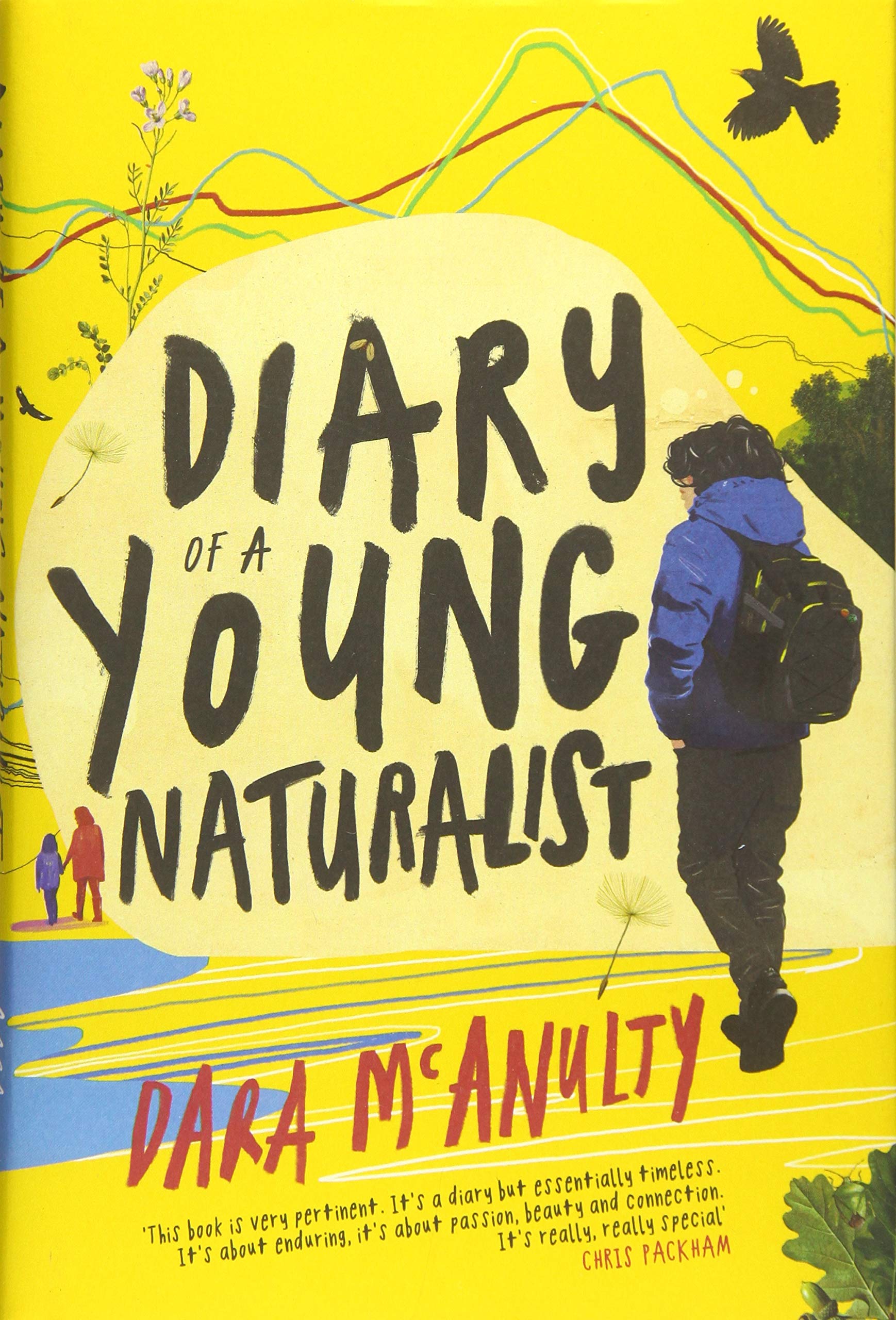
As we have just celebrated St. Patrick’s Day here in Ireland, this week I’d like to review a book by a young Irish author- Diary of a Young Naturalist by Dara McAnulty.

Diary of a Young Naturalist: WINNER OF THE 2020 WAINWRIGHT PRIZE FOR NATURE  WRITING: Amazon.co.uk: McAnulty, Dara: 9781908213792: Books

Dara is a 16 year old autistic naturalist and author who wrote ‘Diary of A Naturalist‘ to chronicle his fourteenth year on this planet. In the book, Dara gives us beautiful insight into his intense connection to nature and how it provides him with an escape to cope with his autism. The book has won numerous literary awards, making Dara the youngest recipient of the Wainwright prize for nature writing and the RSPB (Royal Society for the Protection of Birds) medal in the UK.

Here’s a video of Dara discussing his experience of how nature helps him manage his autism:

So what did I make of the book?

The book is beautifully written, powerfully evoking vivid imagery of the Northern Irish landscape and it’s local wildlife where Dara lives with his family. You really feel Dara’s intense passion for the natural world through his writing whilst giving us an insight into his everyday experiences of autism. Dara bravely tells us about his struggles with bullying, sensory overload and mental health showing a maturity way beyond his 16 years. Autists so often struggle to describe their emotions (as many of us have alexithymia), it’s a real privilege to have such an intimate insight into Dara’s mind.

Perhaps one of the most powerful aspects of the book for me personally, although small, was Dara’s account of his struggles with change and his mental turmoil as his family moved to a different part of Northern Ireland. I experienced a similar situation when I was 11 after selling my childhood home. We only relocated a few miles down the road (to a new house that was designed in a near identical layout to our previous house), but the change was devastating to my mental health. I always felt ridiculous that something seemingly so small could have such an effect on me, but it’s comforting to know that I’m not alone in this experience.

May be an image of 1 person and book

All in all, this book is a must read for anyone who is passionate about the natural world and conservationism 🙂

Hope you enjoyed this post dear Earthlings! 🙂

Have a lovely weekend!

Aoife

Autism in The Rosie Result

Greetings Earthlings! 🙂

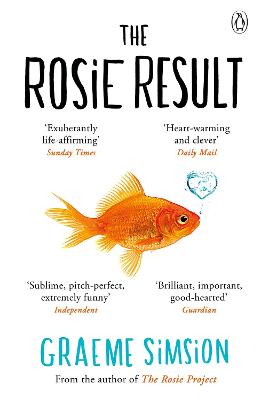
This week I’d like to conclude my review of the Rosie trilogy by discussing autism in the book ‘The Rosie Result‘ by Graeme Simsion.

The Rosie Result by Graeme Simsion | Waterstones

So what is the book about?

The third book in the series picks up with Don and Rosie several years after ‘The Rosie Effect‘ as they prepare to move back from New York to Australia with their son Hudson. Hudson naturally shares many of his fathers quirks, and following his enrollment at a new school, the teachers are quick to recommend him for an autism assessment. Determined that his son will not be disadvantaged or pigeonholed by such a diagnosis, Don takes a sabbatical from his career as a geneticist so that he can devote his time to Hudson and impart on him the many coping mechanisms that he himself has used to “fit in” (aka ‘The Hudson Project’).

Here’s a fun little trailer for the book:

So how did this book compare with the others in the series in it’s portrayal of autism?

I really enjoyed the book, however, many ranked this book as their least favourite, with some even criticizing it for portraying autistic characters as “caricatures” of autism. For the first time in the trilogy, the subject of autism is tackled head on, and to an extent I would have to agree with this summation of the books portrayal of autism. There are several autistic characters in the book, and indeed many of them are quite stereotypically nerdy, Sheldon-Cooper-esque types. Hudson is indeed cut from the same cloth as his father, and naturally has many of the same classic symptoms of Asperger’s Syndrome, such as his aversion to change, fondness for routine, niche specialist interests, sensory sensitivities etc. Granted, as Don’s son you would expect similarities, but as autism is unique to the individual, it would have been nice to add a different twist to Hudson’s traits.

The Rosie Result by Graeme Simsion | Hilarious, Rosie, Author

Regardless of this, it was a highly entertaining read and I would highly recommend it as a lockdown distraction. Yes, the character’s are stereotyped, but this book does challenge our perceptions of autists in a lighthearted humorous manner- a refreshing change from the doom and gloom that is often depicted around autism in popular culture 🙂

Hope you enjoyed this post dear Earthlings! 🙂

Have a lovely weekend!

Aoife

Blog at WordPress.com.

Up ↑