Autism and Hormones

Greetings Earthlings! 🙂

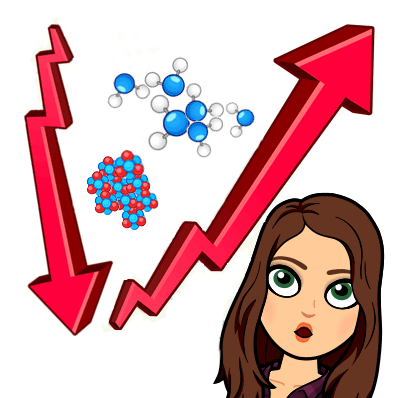
This week I’d like to talk about the role that hormones (or horror-mones as my younger cousin used to call them) and fluctuations in hormone levels may play in autism.

So first off the basics, what exactly is a hormone?

We’ve all heard of them, but not all of us are aware of how they work.

Hormones are powerful biochemical messengers that travel through the blood in the body influencing a number of bodily changes and functions such as growth, mood, metabolism, puberty and reproduction to name but a few. Secreted by the endocrine glands of the body (e.g. adrenal glands, thyroid, pancreas etc.), it only takes a small amount of hormone to trigger large changes in the body, so fluctuations in normal hormone levels can have serious consequences for bodily functions.

So what impact do hormone changes have for autists?

Research suggests that a number of hormonal imbalances can contribute to autistic behaviours. The primary hormones thought to contribute to autism are oxytocin and vasopressin- also referred to as the “love” or “social” hormones. These hormones are involved in social bonding, trust, sexual behaviours and processing of sensory information. Studies have revealed that autists have lower levels of both of these hormones, and that treatments designed to increase these hormones may help improve social behaviours.

Most recently, new evidence suggests that growth hormone and the digestive hormone ghrelin may contribute to autism. A recent study showed that children with autism have lower levels of these hormones compared with their neurotypical peers. Ghrelin has a wide range of physiological functions such as stimulating the release of growth hormone, memory and learning, the formation of new brain synapses between neurons (i.e biochemical junctions joining one brain cell to the next) and it is involved in triggering satiety after meals (guess that explains why I’m always hungry 😛 ).

As many of these functions are disrupted in autism, low levels of these hormones likely contribute to their pathology. Moreover, ghrelin is thought to have a protective effect against reactive oxygen species in the brain which are also thought to contribute to autism (as I’ve discussed in previous posts) so reduced ghrelin levels could reduce the brains protection against these chemicals.

Hormone fluctuations are also thought to cause sleep issues for autists. The amino acid tryptophan is needed for the body to produce melatonin (aka the hormone that controls sleep and wakefulness), an amino acid which research has shown can be either higher or lower than normal in people with autism. Ordinarily melatonin is released in response to darkness (to induce sleep) with levels dropping during daylight hours (to keep us awake). However, studies have shown the opposite in some autists, where higher levels of melatonin are released during the daytime and lower levels at night- which certainly explains why I often have the urge to nap throughout the day 😛

In addition to these, higher stress hormone levels are thought to be the driving force behind a number of autistic behaviours such as meltdowns, shutdowns and issues with anxiety. As I’ve discussed in a number of previous posts, stress hormones such as cortisol and adrenaline are released in response to stressful situations from the hypothalamic–pituitary–adrenal axis or HPA axisThis is a complex interconnecting network that comprises the hypothalamus, the pituitary gland and the adrenal gland (i.e. HPA) to control our response to stress- a network that is hyperactive in autists. Following exposure to a stressful situation, stress hormone levels should return to normal, however, research has shown that stress hormone levels tend to persist in autists, which can make us more susceptible to stress related outbursts and meltdowns. In other words, we’re constantly living in a state of fight or flight. Long term activation of the stress system can lead to a number of health problems such as poor mental health, weight gain, sleep issues, digestive and cardiovascular problems to name but a few- many of which are regularly comorbid with autism.

Sex hormones are also thought to contribute to the development of autism. Research in recent years has indicated that exposure to higher levels of testosterone and/or oestrogen in the womb may predispose developing babies to autism- this is known as the sex-steroid theory of autism. It’s thought that these elevated hormone levels likely interact with genetic factors that may affect the developing brain. There is a particular trend among women who suffer from polycystic ovarian syndrome (PCOS) as the ovaries produce abnormal amounts of testosterone.

Moreover as I’ve discussed in previous posts, hormone imbalances are also thought to contribute to changes in behaviour in autistic women due to fluctuating hormone levels at different points in their menstrual cycle. In addition, behavioural changes are also associated with autistic women going through the menopause.

With the interplay of all these different hormone fluctuations, it’s no wonder our brains are a little muddled trying to cope with the constant change (as if we don’t find change hard enough! 😛 )

Hope you enjoyed this post dear Earthlings!

Have a lovely weekend! 🙂

Aoife

Autism in Holby City

Greetings Earthlings! 🙂

This week I’d like to talk about an autistic character in the British medical TV drama ‘Holby City‘ that I have been following for a few years now- Jason Haynes.

Jules Robertson - IMDb

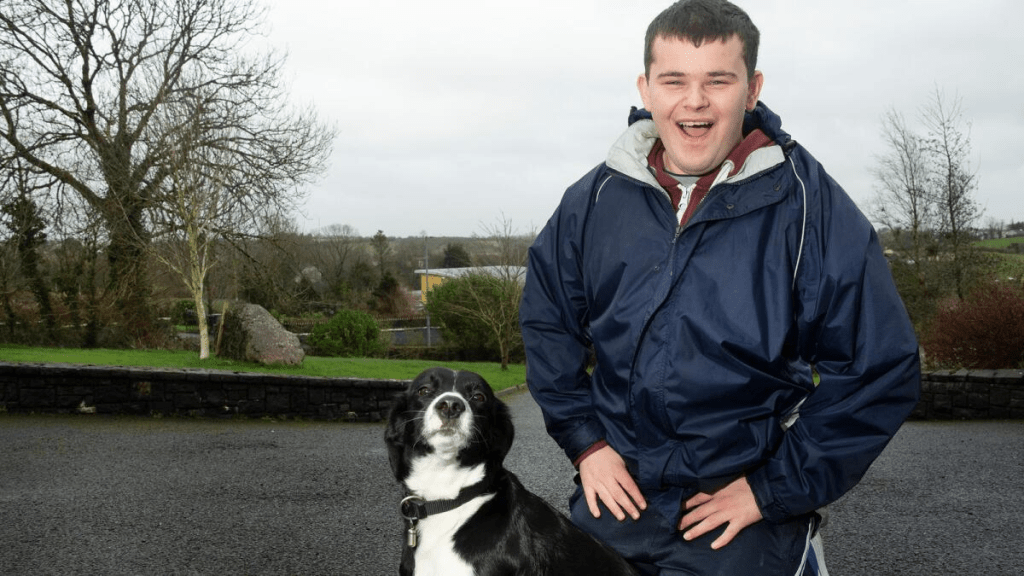
One of the really special things about this character is that Jason is portrayed by actor Jules Robertson who has Asperger’s syndrome – the first autistic actor to have a recurring acting role in a BBC TV show! Jules has been playing Jason on and off again since 2015 and has proven very popular with both his co-stars and the audience. His portrayal has been praised by several autism charities in the UK and Jules has even been nominated for a BAFTA for his acting work.

You can see Jules in action as Jason in this behind the scenes video:

Over the years the writers have really developed Jason’s character to highlight how much can be achieved when autists are properly supported. When he first appeared in the show, Jason was very literal, and needed full time care. Over time, he get’s a job as a hospital porter, get’s a girlfriend (who also has Asperger’s) and they have a baby and get married living completely independent lives, really challenging the stigma surrounding what autists can and can’t do.

I always get great enjoyment out of any episode that Jason appears in (he get’s some great one liners!). It’s a pleasure to see such a truthful portrayal of autism. Whilst Jules may not have some of the same issues in real life as Jason does, nevertheless he lights up the screen, fully able to be his true autistic self.

Jules Robertson in Holby City

None of this would have happened were it not for producer Simon Harper who fought hard to have an autistic actor play Jason to avoid another cliched Rainman-esque portrayal of an autist. Minor accommodations are made when Jules is filming such as encouraging a calm set and preparing the scripts further in advance than would be the norm for him, enabling Jules to work and inspire the next generation of autists to realize their dreams.

You can read an interview where Jules talks about life with autism here:

https://disabilityhorizons.com/2019/05/actor-jules-robertson-on-living-with-aspergers-and-rising-to-fame-in-holby-city/

Hope you enjoyed this post dear Earthlings! 🙂

Have a lovely weekend!

Aoife

Was Kurt Cobain Autistic?

Greetings Earthlings! 🙂

This week I’d like to discuss something that I’ve been wondering about for a while, whether Nirvana front man Kurt Cobain was on the autistic spectrum.

As a teenager in the mid noughties, I discovered the music of Nirvana during a particularly turbulent time in my life (the joys of being an undiagnosed teenage aspie). Kurt’s words brought me great comfort as he verbalized so many emotions that I was struggling to identify. Reading more about his life, I really identified with him and felt a sense of kinship- his experiences of bullying and struggling to fit in as a teen, his shyness and intense sensitivity, his struggles with mental health and how he was so often misunderstood by the world.

After receiving my Asperger’s diagnosis in 2014, I became more familiar with autistic traits, and I often wondered if maybe Kurt had been on the spectrum- a question that many people have pondered on various messaging boards across the internet. Kurt was a quirky individual, often aloof and preferring social isolation, regularly rejecting social norms as many autists are prone to. He was an extremely sensitive individual who often struggled to balance empathy and apathy as he cared so deeply about the world and everyone in it. His struggles with addiction are well documented, something that is increasingly associated with autists. Kurt also suffered from an agonizing, unexplained stomach complaint. Many autists suffer from co-morbid digestive issues, issues that can be exacerbated by intense stress- the kind that would be worsened by such a meteoric rise to fame like Kurt’s.

The Dispatch - CDE News - Nirvana

Interestingly, Kurt’s widow Courtney Love is mildly autistic- if Kurt was indeed on the spectrum, this could explain their intense connection and turbulent relationship. Some of my closest friends are on the spectrum and the sense of connection I feel with them is completely different to my other friendships- we understand each other more than anyone else ever could, like matching locks and keys clicking perfectly together.

Having recently finished Nirvana drummer Dave Grohl’s memoir ‘The Storyteller‘ (for any Nirvana or Foo Fighter’s fans I highly recommend it 🙂 ), Dave’s personal stories from life on the road with Kurt have really reaffirmed for me what I had long suspected. In the book, Dave talks of how the huge crowds that gathered to see Nirvana in tiny venues at the peak of their fame would drive him to breaking point, constantly crawling onto the stage and interrupting the set. Kurt would reach a point in the show where he would become completely frustrated and seemingly overwhelmed with the feral fans and he would proceed to break things around him like instruments, soundboards, anything he could find to vent his frustrations. As Dave described in the book, when Kurt got frustrated, things were going to get destroyed. To the media, this seemed like a deliberate rock and roll statement, but Dave assures the reader that it was no show.

The Storyteller: Tales of Life and Music: Amazon.co.uk: Grohl, Dave:  9781398503700: Books

Reading these passages felt so much like someone describing an outsiders view of a meltdown. So many times during a meltdown I’ve felt the intense need to pick things up and throw them or break them just to disperse some of the pent up emotions from sensory overload (my maths book was thrown at the wall soooo many times when I couldn’t understand my homework!). When your brain is overloaded from sensory input, it pushes you to physically output energy to try to redirect your overload and expend some of the excess energy coursing through your brain. Stimming is the classic example, but sometimes the physical urge manifests in other ways like throwing things, punching, kicking etc.

Kurt’s quotes and lyrics have always resonated strongly with me. As many of you may have noticed, my homepage is emblazoned with his immortal words: “Trying to be someone else is a waste of the person that you are.” Kurt’s lyrics are ablaze with the pain of someone who always struggled with their identity, never felt at ease, never felt like they belonged. In the song Dumb, Kurt gently lilts “I’m not like them, but I can pretend,” a sentiment that resonates with so many of us autists. Perhaps his life could have turned out differently had there been a better understanding of neurodiversity during his lifetime ❤

Kurt Cobain | Blogged about here | Sally | Flickr

Hope you enjoyed this post dear Earthlings!

Have a lovely weekend! 🙂

Aoife
Christmas Greetings 2021

Greetings Earthlings! 😀

Just taking this opportunity to wish you all a very merry Christmas and a happy and healthy 2022. In spite of all the lockdowns, this year has been quite good to me- the blog hit a milestone 100,000 all times views a couple of months ago! 😱🥳

Thank you all so much for your continued readership, support and kind messages this year. I read them all and appreciate every one.🥰

Here’s to 2022!! 🥳😃

Aoife

Autism in ‘Freckles’ by Cecelia Ahern

Greetings Earthlings! 🙂

This week I’d like to discuss a book I recently read while on holidays- ‘Freckles‘ by Cecelia Ahern.

Freckles by Cecelia Ahern

So what exactly is ‘Freckles‘ about?

Freckles‘ tells the story of Allegra, a young traffic warden in Dublin city, nicknamed ‘Freckles’ due to the abundance of freckles on her body. One day, Allegra get’s into an altercation with the owner of a Lamborghini who tells her that she is the average of the five people that she spends most of her time with. This sends her into a spiral questioning the people in her life and how they have moulded her, sending her on a journey of friendship and self discovery.

You can catch a clip of Cecelia talking about the book here:

So how does ‘Freckles‘ relate to autism?

After reading ‘Freckles‘ (and being unable to put it down), I really feel that both Allegra and her father strongly come across as being on the autistic spectrum. I truly felt for the first time ever that I was reading about someone just like me, like I’d never identified with a literary character so much in my life (with the exception of Hermione Granger). Allegra is very rule and routine orientated. She loves being a traffic warden- the rules are all black and white and she has her set walking circuits and routines. If even one thing is different or she is a few minutes late, she becomes completely disorientated and her whole day get’s thrown off kilter. She remarks multiple times that she is often misunderstood by people, finding that she says the wrong thing in social scenarios. Allegra also stims and has shown some self injurious tendencies. As a child, she became obsessed with connecting her freckles with pen to trace the constellations, later using sharp implements to carve them which left scars that she would in later life run her hands over to trace the constellations in times of anxiety. Allegra can also be quite impulsive and a little bit of a loner, among a number of other quirks throughout the book.

Nicky Byrne reveals the important part he played in sister-in-law Celia  Ahern's latest novel - VIP Magazine

Autism is never directly mentioned in the book, and it’s not clear either if Cecelia had an autistic perspective in mind when writing, but regardless of that, the book is a great insight into a female character who possesses a number of autistic traits 🙂

Hope you enjoyed this post dear Earthlings!

Have a lovely weekend!

Aoife

Autism on Stage: ‘What I (Don’t) Know About Autism’

Greetings Earthlings! 🙂

This week I’d like to shake things up a bit and talk to you about a unique play about autism called ‘What I (Don’t) Know About Autism‘ based on the best selling book by Jody O’Neill.

What I (Don't) Know About Autism by Jody O'Neill

So what’s the play about?

The play takes you on a journey through autism with each scene exploring a different aspect of life on the spectrum such as education, interventions and treatments, socializing, getting a diagnosis etc. told through a combination of song, dance and narrative, with built in question times for the audience to ask their own questions from the cast- a mix of both autistic and neurotypical actors. The play is a celebration of autistic identity, whilst also giving non-autistic audiences a deeper insight into the autistic experience.

Here’s a clip of Jody discussing her story and the play:

The play is unique in that it is a “relaxed” performance so to be more autism friendly. This means that the audience lights will remain on, warnings will be given ahead of loud noises (to allow for earplug insertion), audience members are allowed to come and go as they need and if they need to make noise or move around, this is also permitted. The performance is also captioned and the scenes are labelled and crossed out on a white board when they are completed so that the audience can keep track of the 80 minute run time. Here’s a quick video about the relaxed structure:

So what did I make of it?

The play is a unique and entertaining insight into the autistic experience and I thoroughly enjoyed my online viewing. It was so real and relatable without the overt Hollywood dramatics that one often finds when seeing autistic stories played out in a theatrical setting. There were no tricks, just reality to help us all understand autism a little better, and to appreciate and embrace neurodiversity. Myths were debunked, questions were answered and the play did not shy away from some of the difficult realities of autism, giving a well rounded, heartfelt and educational play about the autistic experience.

What I (Don't) Know About Autism: An Autistic Review - AsIAm.ie

It’s hard to give any further details without spoiling the show for you, so if you think you might like to see it, you can catch the recording online through the Abbey Theatre website until the 20th of November on demand.

Hope you enjoyed this post dear Earthlings!

Have a lovely weekend! 🙂

Aoife

Travelling on the Autistic Spectrum- When Things Go Wrong

Greetings Earthlings! 🙂

Leading on from my previous post about managing autism while travelling, after a recent mishap with a suitcase in the airport on my way to Italy, this week I’d like to talk about when things go wrong.

Ordinarily, travelling on my own through an airport is no great hassle for me. I’ve done it loads of times before with no issue, however, with all the disruptions to travel since the start of the pandemic, flying has become a little bit more stressful. Due to reduced capacities on public transport, I started out my journey on the wrong foot by driving the 2 hours to Dublin up a very busy motorway on a Friday afternoon- not the most calming of scenarios given some of the issues autists can have driving. Arriving in the terminal after a lengthy search for a free parking space (despite pre-booking), I made my way directly to bag drop off to relieve myself of the ginormous suitcase I was carrying, laden with goodies from home for an overseas relative.

That’s when things started to go awry…

The suitcase wobbled and rolled off of the self service scales as it was recording the weight, so the label the machine printed off displayed an incorrect value. I proceeded to put the bag on the drop off conveyor… buuuttt it wouldn’t take my suitcase! Now as we are in Covid times, there were crowds of people round me travelling, but not a lot of staff to ask for help from at these desks in order to reduce interactions. So I tried to re-weigh and reprint my tag a second time to find that my bag was 0.8 kg over the limit, leading me to frantically kneel down in the middle of the floor, pulling out shoes and baked goods to shove them in my carry on. I was enduring this stress while still wearing my coat and a face mask, so the heat from the situation was rising, not to mention I was still coming down from the stressful drive, was tired, hungry, and in need of the bathroom- so my sanity was hanging on by a thread! Once I had reduced my weight sufficiently, the machine then refused to print another label for my luggage, and tried to charge me €60 for the pleasure! 🙈

Sooo I frantically searched for a an attendant to advise me, who did not have a solution only that I join the massive queue at the ticket desk…aannnnd then the meltdown hit! Thankfully it wasn’t more than a few tears, and once I communicated that I was autistic to the attendant, she was very nice and supportive 🙂

But the saga wasn’t quite over yet! As I proceeded towards the ticket desk for assistance, another attendant saw me and asked where I was going with my suitcase (as the desk was in the opposite direction to the drop off). I communicated my issue and this no-nonsense lady firmly told me to stop crying! Believe me, I wouldn’t be crying in my thirties over something so stupid as an overweight suitcase if I had the choice 😛 She eventually steered me direct to the drop off and fired the suitcase on the conveyor with a final parting order to stop crying. Five minutes later, I was sitting calmly in McDonald’s, my crisis was over and the mortification set in 😳

Granted, this experience was resolved quickly and could have been a lot worse (I’ve had a 24 hour delay on a previous family holiday), but it was still an extremely stressful few minutes!

Based on this mortifying experience, here are some modified tips for dealing with autism while travelling when it’s too late for prevention:

Take a moment to collect yourself– if you feel like a meltdown could be coming on, take a step back. My stress over increased airport traffic with international travel opening up pushed me to keep going, but I should have paused to take off my coat, grab a snack from my bag, and try the suitcase again.

Take a break in a sensory friendly room (if available)– Irish airports have pioneered sensory friendly rooms for travelling autists to enable you to take some chill time to come down from stressful scenarios. If a space like this is available, take some time out.

Approach a member of staff for help– if you feel that you are struggling and are in a position to communicate your struggles, reach out to a member of airport staff and they should be able to help make your journey a little easier. Dublin Airport, among others, has a special lanyard that you can get to alert staff that you are autistic if you are in need of assistance, so the training is there for staff to help you in your time of need.

Take a break from your face maskface masks can be quite problematic for a lot of autists, but are a requirement for travel at present. If you’re getting overwhelmed from wearing the mask for too long, go to the bathroom for a few minutes to pull down your mask and take some deep breaths privately. Pro tip– spend as long as you can in the food court as you will not be required to wear your mask in this area.

Bonus tip– If you’re using a self service scale, place your bag on it’s side, not on it’s wheels- learn from my mistakes 😛 😉

Perhaps the best tip I can offer is to make use of autism assistance programs where available. I have not previously used this service as I have not needed it, and also because other airports like Shannon Airport advocate the use of bright orange hats to quickly identify an autist, which as an adult, this concept would make me feel like a bit of a sore thumb 😛 Check out if the airport you are going to has an assistance program for autists that you can avail of so that in the event that something does go wrong, you will be taken care of. Once I was able to communicate that I was autistic, the staff were happy to help, but other autists may not be able to communicate this mid-meltdown, so make sure to check out assistance programs ahead of time to ensure that the help is available to you in the event that things go wrong 🙂

Hope you enjoyed this post dear Earthlings!

Have a lovely weekend!

Aoife

Autism and Early Intervention

Greetings Earthlings! 🙂

This week I’d like to talk about a recent landmark study showing the importance of early intervention for long term outcomes for autists.

For many years, studies have reported great benefits for autists when early interventions are taken. The research suggests that the earlier interventions are put in place, the better the outcomes for autists. Putting the right behavioural therapies in place as early as 18 months, such as applied behavioural analysis (APA), can be effective in improving language ability, social interactions and IQ for autists. Other programs advocate practical social interventions, peer intervention programs and active family involvement.

Recently, a new type of early intervention has been in the news showing really interesting results. An Australian clinical trial was conducted on a group of autists that showed early behavioural signs of autism to assess the impact of preemptive interventions long before any autism diagnosis (the group were all between 9-14 months old). The intervention used in this study is called iBASIS-VIPP (Intervention within the British Autism Study of Infant Siblings- Video Interaction to Promote Positive Parenting. Talk about a mouthful!). This intervention is a parent led, video aided therapy which is used to improve social communication and development in infants by helping parents to understand their child’s communication style and to learn how to adapt to it. Parent-child interactions were filmed during 12, 2 hour sessions over a period of 5 months and discussions were held focusing on both child and parent behaviours and how to address them to improve social interaction.

So what did the study find?

Results showed significant reductions in the severity of autistic behaviours throughout early childhood. The most interesting finding however, was that this preemptive intervention had greatly reduced the odds for meeting the diagnostic criteria for autism than those who received normal care from 21% down to 7%- that’s 2/3 reduction! 😲 In other words, use of iBASIS-VIPP in early childhood greatly reduces the severity of autism symptoms, and the odds of receiving an autism diagnosis.

Although given how many of us pass through the radar undetected, implementing a program like iBASIS-VIPP on a wider scale is easier said than done. Some early signs may be too subtle to detect, so later bloomers may not reap the same benefits. Nevertheless, early intervention, where possible can have serious lifelong benefits for autists.

Hope you enjoyed this post dear Earthlings!

Have a lovely weekend! 🙂

Aoife

Autism in Tuner and Hooch (TV Series)

Greetings Earthlings! 🙂

This week I’ve been binge watching the Disney+ TV revival of Turner and Hooch, and in the midst of my fading interest in the show (it’s a bit meh, but grand background watching while you’re doing other things), I encountered some autistic characters on screen, so I decided to give my 2 cents on the representation of autism in this series.

Turner & Hooch (TV Series 2021– ) - IMDb

Based on the 1989 film starring Tom Hanks, the series picks up in the present day following Turner’s son Scott as he enters the police force shortly after the passing of his father. Suddenly, his life get’s turned upside down as his father has willed his dog Hooch to him, a police dog in training whom his dad believed to be a reincarnation of his first canine buddy Hooch. Together, Turner and the wayward Hooch embark on a series of wacky adventures, solving crimes and making friends along the way.

Here’s a trailer for the TV series if you haven’t checked it out yet:

So where does autism fit in with the show?

For starters, Hooch’s trainer Erica has an autistic brother Curtis, who helps her out with the police dog training program. We don’t get to see much of Curtis, but as it turns out, the actor who plays Curtis, Jonathan Simao, does in fact have Asperger’s syndrome; so when you are seeing him on screen, you’re getting the real deal.

In episode 9 of the series, we get a much closer look at autism. Scott and Hooch have been assigned to protect an autistic child Anthony, who has witnessed an attack on his neighbour by an assassin, but due to his communication difficulties, he finds it hard to give the police a description. What follows is an endearing episode where Erica is brought in to help Turner and Hooch to communicate with Anthony, where Hooch is instrumental in getting him to open up.

Interestingly, Lucas Yao who portrays Anthony, is a renowned child prodigy and is himself mildly on the spectrum. You can read more about him here. This is very positive to see the show runners employing autistic actors to play autistic roles- something that many in the community have been crying out for.

The episode handles autism with great sensitivity without resorting to overt stereotypes (although having Anthony obsessed with trains is veering a little bit into this territory). It was particularly lovely to see the “paws-itive” impact that Hooch has on Anthony, as studies have shown significant benefits for autists who own dogs as I’ve discussed in a previous post.

While the TV show itself may not be the most thrilling, this was a lovely episode to see, and is a real step forward in screen portrayals of autism.

Hope you enjoyed this post dear Earthlings! 🙂

Have a lovely weekend!

Aoife

Autism and Shopping

Greetings Earthlings! 🙂

Leading on from my previous post about autism friendly shopping, this week I’d like to elaborate a little bit more on the subject. 

5f6f5c1e6a2e4824ca00e20742725f419533f29ebee5142fe5d2a1f4d8bb5aaf.0

Shopping can be quite an overwhelming experience for an autist- the hustle and bustle, bright lighting, loud noises, overwhelming choices, strong smells etc. It can be a real sensory assault. Personally, I HATE shopping (although I’m surprisingly good at it- I even buy my Christmas and birthday presents for friends and family months in advance!).  It’s never been my thing, I’ve hated it for as long as I can remember; could never explain it. I did everything to avoid it growing up, so much so that when I was 16, I couldn’t figure out how to work the coin slot on the trolley! 🙈 But as time has gone on, I’ve had to adapt and get used to the process 🙂 

While shopping can be troublesome for an autist, there are many alternative options to help you navigate the experience more smoothly. 

Here are some of my top tips for making the shopping process a little easier:

  • Make lists- if you find that you get overwhelmed by the choices on offer in the shops, I find it very useful to write out a list to bring with me to keep me from getting distracted and to ensure that I hit all my targets as quickly as possible. Pro- tip, try writing the items you’re seeking in the order you would encounter them in the shops e.g fruit and veg first, meats and cold items, frozen foods etc. This way you can get in and out as quickly as possible without forgetting anything important.
  • Shop online-the joys of modern technology! In the last year, the online retail industry has exploded, so now you don’t even have to leave your house to get your shopping done. There’s websites for everything, and in most cases, the shipping costs are fairly low, so if you’re really anxious, just pull up your laptop and let your shopping come to you.dc855bea69ee17a435c9bae5ab45be12b4f4ed11ecbf0d76dd154fc18c55a1b4.0
  • Avail of autism friendly shopping times- as I previously discussed in my linked post, most supermarkets have regular autism friendly shopping hours where the atmosphere is adjusted to be more sensory friendly. Even busy shopping centres have dedicated autism times to allow autists to pass through and browse the shops without fear of getting overwhelmed. 
  • Set spending limits– if you have impulsivity issues surrounding shopping, try to set a spending limit to keep you from going overboard. Many financial apps can do this for you. You can even remove the tap feature on your debit card to discourage you from impulsively tapping your funds away. 
  • Keep it short and sweet– to prevent a meltdown, keep your shopping visits nice and short until you feel more comfortable with longer shopping periods. You can slowly build up your tolerance over time.
  • Make use of sensory tools– as discussed in many of my previous blogs, using such sensory tools as noise reducing or cancelling headphones, sunglasses/tinted lenses, weighted clothing or even an item in your pocket to stim with can help to reduce some of the sensory impact of your surroundings.

aff1c53dd96cb615e4721f8fe17a1bb0daa39198ea61affafe34d0d4cba00d0c.0


Shopping can be a scary sensory experience, but if you follow some of the above tips, you’ll find the experience so much easier 🙂 

Hope you enjoyed this post dear Earthlings! 

Enjoy your weekend!

Aoife

Blog at WordPress.com.

Up ↑