I can’t even remember what I was planning to write about this week, so incensed am I about these comments that Robert F Kennedy Jr. (the US Health secretary) has been making about autism in recent weeks.
For those of you who haven’t heard, RFK Jr. has vowed to find the cause autism by September, as he believes that it is an entirely preventable epidemic resulting from exposure to environmental toxins. A vaccine skeptic, he plans to launch a major study to identify the right toxin to rid America of autism, going against the multitude of studies that indicate a genetic cause (he claims genes just make you more susceptible to environmental toxins🙄). This study is coming on the back of the Trump administration’s ban on research and services related to diversity, equity, inclusion and accessibility. Naturally, the autism community is in uproar about these flippant, uneducated comments leaving RFK Jr. baffled by the “tsunami of anger” that has come his way.
Here’s just a taste of his comments:
“These are kids who will never pay taxes. They’ll never hold a job. They’ll never play baseball. They’ll never write a poem. They’ll never go out on a date. Many of them will never use a toilet unassisted.”
This sort of statement beggars belief… He has since clarified that he only meant the 25% of autists who are severe level 3, but that doesn’t make it any better. Let’s go through this checklist for a minute:
Never pay taxes or hold a job? My employers and Irish revenue would beg to differ (the latter have made a fortune from me!)
Play baseball? I could (badly) if I wanted to, but baseball is boring
Write a poem? I’ve written many (and this blog can attest to my writing skills)
Go out on a date? I recently sat through 32 speed dates (though it did require painkillers and chicken nuggets to reset after 🫠)
Use the toilet unassisted? Always- unless I need a hand getting out of a jumpsuit!
Every single neurodivergent I know will equally pass this list. As we have discussed many times on this blog, autism is a spectrum, you cannot make generalizations. We’re all unique and experience autism differently. Not to mention how damaging it is to claim that he intends to “cure” autism, seeing our existence as a problem to be fixed.
And when you think things can’t get any worse, it’s been reported that there are plans to monitor autism records and make major cuts to disability services. The National Institute of Health (NIH) is collecting private medical records to provide researchers with data for RFK Jr’s new study, with reports saying there are plans to craft a new registry to track people with autism🤦🏻♀️.
Compiling such a list could have huge implications for data security. Who’s to say this registry wouldn’t be made available for potential employers who could use it discriminate against candidates? As much as we’d like to believe we live in a society more accepting of neurodivergence, prejudices still exist when it comes to disability in the workplace. Whilst my current employers are very supportive (they’ve even asked me how to make the snacks more autism friendly 😂), I’ve had other experiences where I was discriminated against for my diagnosis.
Even worse, if this registry made it into the hands of criminals, they could create a campaign to defraud you, playing on your social inadequacies and trusting nature. It’s a disaster waiting to happen…
Just saying, it’s beginning to sound an awful lot like another person with harmful ideas who took a registry…
This will be an interesting story to follow over the next few months.
Hope you enjoyed this post (or at least my commentary since the subject matter sucks)!
Leading on my from my previous post about autism and ageing, this week I’d like to discuss whether or not people with autism look younger.
Yep, apparently there appears to be a link between autism and looking younger!
In my own experience, it has been mentioned that I look far younger than my age. I’ve always had a youthful complexion, but I’d just chalked it down to good skincare, genes and the lack of a man to turn my hair grey 😂 Never in my wildest dreams did I think that my autism might be linked to my appearance!
So let’s explore why autists look younger.
As I’ve discussed in my previous post about autism and joint hypermobility, some autists have co-morbid hypermobility conditions such as Ehlers-Danlos Syndrome (EDS). This causes structural tissues like collagen to be weaker and more elastic which causes stretchy joints. However, this increased elasticity can result in a more youthful appearance as the skin is more resistant to damage, which can delay or even prevent the appearance of wrinkles🫨
Facial expressions may also contribute to a youthful visage, as autists tend to produce facial expressions less frequently and for shorter durations than neurotypicals. A less expressive face = less wrinkles.
It’s also possible that our youthful appearance may be more behavioural than biological. A lot of autists tend to be introverted and prefer indoorsy activities away from the elements, especially those with light sensitivity. As a result, lower UV exposure may be preserving our skin from the ageing impact of the sun. My nickname was ‘Dracula’ as a teenager as I would spend summers indoors reading, often returning from sun holidays with little to no tan🙈. On another level, our tendency towards naivety, more childish interests and behaviours can make us seem younger by association rather than looks.
However, while the evidence does seem to suggest autists do look younger, there equally is evidence that some autists look a lot older. As much as EDS increases skin elasticity, it can also lead to thin, fragile skin that can be more prone to bruising, resulting in premature ageing. One study even suggests that autists experience a faster rate of ageing and that they have an older facial age. This may however be correlated to poor self care, lifestyle and the higher levels of biological stress experienced by autists, buuuttt the same can largely be said for neurotypical ageing🤷♀️.
This week I’d like to discuss autism in the brand new medical drama that everyone’s talking about- The Pitt.
So The Pitt is a unique new medical drama set in the emergency room of the fictional Pittsburgh Trauma Medical Hospital (hence the name). Unlike conventional dramas however, the show happens in real time, with each episode focusing on one hour of the doctor’s shift. By the end of the season, there will have been 15 episodes documenting one single 15 hour shift in the E.R. The show has been praised for how realistic it is, not shying away from the squeamish reality of medicine like close up surgeries, gory injuries and uncovered birth scenes.
And before any of you guys ask, yes that is the guy from E.R.- Noah Wyle (a little bit typecasty bringing him back to lead another series set in an E.R. but everyone is raving about his performance!).
So to autism!
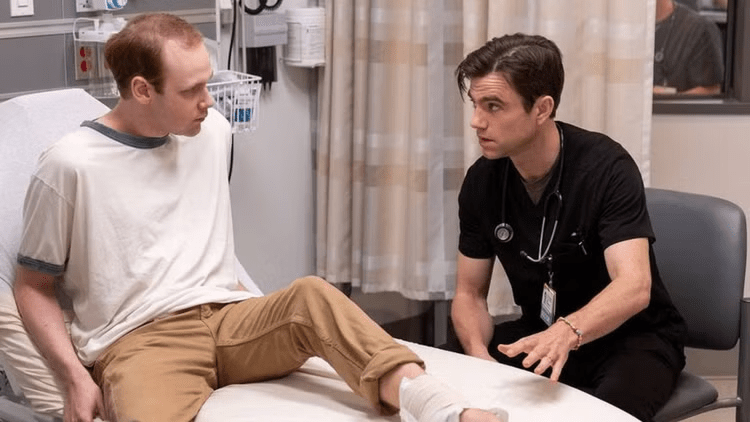
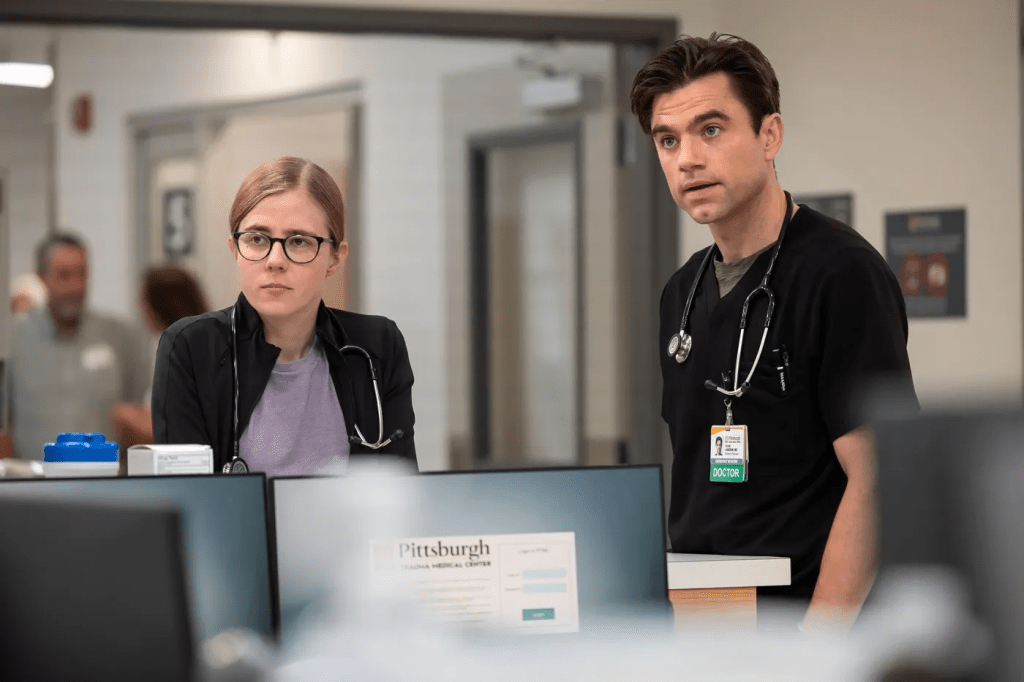
In episode 7, Terrance (played by autistic actor Coby Bird) comes into the E.R. with a sprained ankle. His autistic traits are immediately obvious to the trained eye (his lack of eye contact, constant questions, interrupting his doctor, monotone voice and language use) buuutttt his doctor does not pick up on any of it. Instead he leaves frustrated giving out that he couldn’t take a patient history from the constant questions. Thankfully another doctor’s spidey senses start to tingle, and she quickly spots his autism diagnosis in his medical history file in the hospitals computer.
Mel has an autistic twin sister (played by autistic actress Tal Anderson) and immediately volunteers to take over. She calmly enters the room, closes the doors to the noisy E.R., turns off the lights, and disables some alarms going off on the wall. This allowed her to have a calm conversation with Terrance to understand his concerns about his ankle and assess his injury. She quickly reassures him that his injury won’t keep him from a table tennis tournament, explains the scans that need to be performed, and even shows him a model of the bones in his foot to show what kinds of injury he could have.
Here’s a quick short from the episode:
This was such a heartwarming moment in the episode to see an autistic patient getting the proper care and understanding they need in a medical setting. Medical environments can be very overwhelming on a sensory level before you add in your fears, uncertainty and uncomfortable procedures. I’ve had minor meltdown’s every time I’ve had a cannula placed in my hand, but thankfully the nursing staff were aware of my diagnosis and made every effort to make things easier for me where others would have told me to grow up and stop crying. They got me to start talking about alpacas and my blood pressure dropped right back down to normal 🙃🦙
On another level, Mel herself has many neurodivergent traits, as is often the case with siblings of autists. Several members of the autistic community believe she is on the spectrum and feel seen by her portrayal. Taylor Dearden (daughter of Breaking Bad’s Bryan Cranston) is herself neurodivergent (she has ADHD) which she says has really helped her to shape the character of Mel. As Mel goes forward into the rest of this season and beyond (it’s already been renewed for season 2), I can’t wait to see what other neurodiversity story lines we may encounter.
Autistic patients come up a lot in medical dramas, but rarely are they treated with this level of understanding. It’s great to see The Pitt demonstrating the true reality of this experience. If medical drama’s are your jam, I highly recommend you check it out 🙂
As every year passes, I’m hearing about more and more celebrities that are on/suspected to be on the spectrum. So this week I’d like to continue on from my previous 3 posts on the subject and let you know about some more autistic celebs:
Bella Ramsey
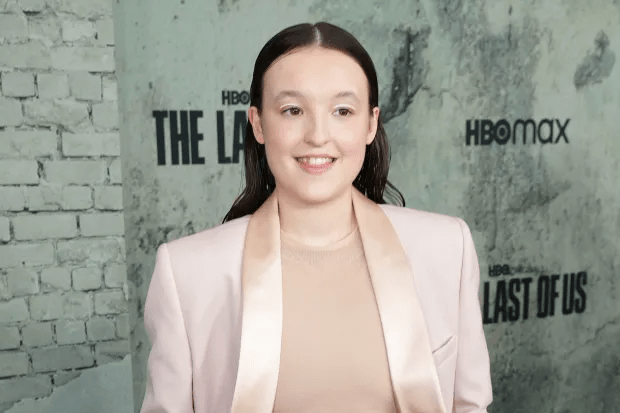
The Last of Us non-binary actor Bella Ramsey has been in the news over the last few weeks disclosing their diagnosis after a crew member picked up on autistic traits. This person had a daughter with autism and assumed that Bella had also been diagnosed, sending them on their diagnosis journey, ultimately confirming what they had always wondered about.
Here’s a clip of Bella discussing how their diagnosis has made them a better actor:
Emma Langford
Irish singer-songwriter Emma Langford was diagnosed with autism at the age of 32. After getting involved in a fundraiser for autism charity As I Am during the pandemic, she started to do some research and noticed that she related to many of the experiences of autists. In retrospect after receiving her diagnosis, she noticed that all her songs were about the autistic experience as she used music to express the feelings that she couldn’t understand. The diagnosis has made her past clearer and the future brighter as she finally knows there is a place for her in the world, she just works a little differently.
Lee Ryan
Having recently watched the BBC documentary Boybands Forever, I did some ‘where are they now’ searching and discovered that Lee Ryan of Blue fame has been diagnosed with autism (Asperger’s syndrome) and ADHD in his forties. Of his diagnosis Lee wrote on Instagram:
‘I’ve struggled with various things since I was a child, but these things weren’t really known about back then or spoken about. What it means for me is that I have a high IQ but my brain works in a different way to others. For all the kids and adults out there who are going through the same thing, there’s nothing wrong with you. You might be very clever, highly creative – have highs and lows, but you might deal with social situations differently from others. You might react differently, particularly to sounds, sights, smells and even touch. People might think you’re being rude, difficult or chaotic. This is going to sound a bit weird but I’ve always hated the wind, the way it feels on my skin when it hits you. I’m particularly sensitive to touch, so when someone does that and I’m in a stressful situation then I might react quickly. There is so much I’m learning about myself and a lot is starting to make sense.‘
You can see a brief clip of him discussing his diagnosis below:
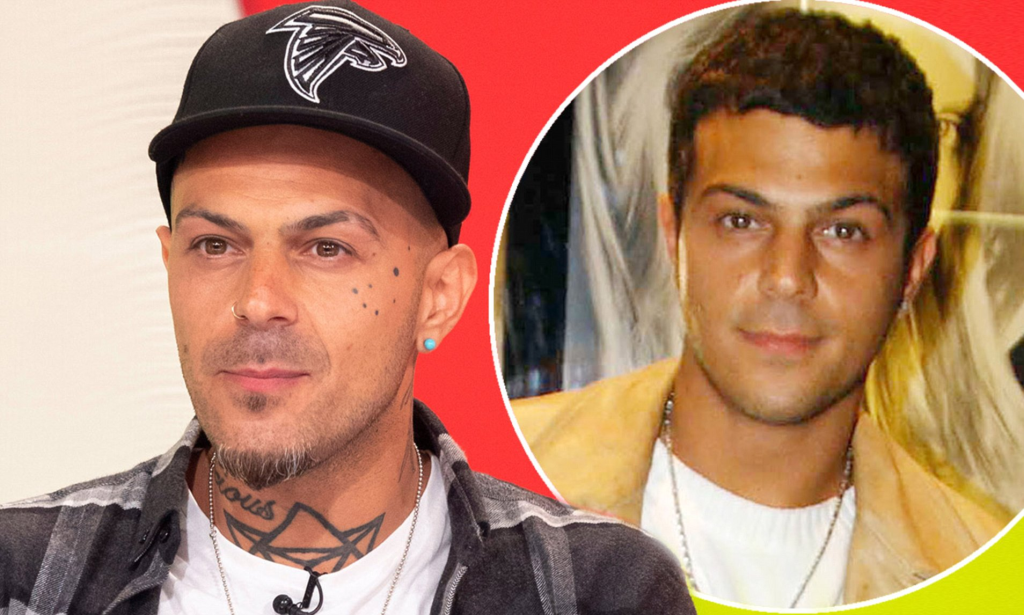
Sticking with British boybands, I again discovered post watching Boybands Forever that Abz Lov (Richard Abidin Breen) from the band Five was diagnosed with Asperger’s syndrome as an adult. Abz disclosed his diagnosis in 2013 after a stint on Celebrity Big Brother following encouragement from his CBB housemate Sophie Anderton. Of the diagnosis, Abz has said “It’s a personal thing but it makes it difficult for me in certain scenarios when people want the sparkly bright Abz all the time.” Abz struggled with addiction after Five first broke up and even went through a period where he paid people to be his friends 😢
Tylan Grant
Trans actor Tylan Grant (child of vocal coach Carrie Grant who I discussed in my previous post) was diagnosed with autism at the age of 7 and at age 16 made history becoming the first black actor to portray an autistic character in the British soap opera Hollyoaks.
You can see Tylan discuss his experience with autism in this interview:
Jess Kidd
London-Irish author Jess Kidd was diagnosed with autism in her late forties after one day her daughter asked “Mum, do you think you might be autistic?” She told her that she would look into it, likening the diagnosis process to the X-Factor where you keep getting through to the next round. She has embraced the diagnosis as a positive and advocates for awareness around the female experience of autism.
Josh Thomas
Australian comedian Josh Thomas was diagnosed with autism at 33 (and ADHD at 28), ironically after he had created the TV show ‘Everything’s Gonna Be Okay‘- a show that was celebrated for having a realistic autistic lead character played by Kayla Cromer who is herself on the spectrum. The diagnosis confirmed a nagging suspicion he had always had and described it as a positive experience that has helped him to better understand himself and for the people around him to do the same.
You can see an interview with him discussing his diagnosis in the video here:
Jacksepticeye
Irish Youtuber Sean McLoughlin (better known by his handle Jackscepticeye) was diagnosed with autism in 2024 having been previously diagnosed with ADHD. In the midst of his ADHD journey after medication didn’t work, he started to read about the overlap with autism and the penny started to drop, so he sought a diagnosis to satisfy his curiosity.
You can see him chatting about his diagnosis in the video below on his channel:
Tom Stoltman
The world’s strongest man Tom Stoltman was diagnosed with autism at the age of 8. He often felt very isolated as a young man and struggled in school with bullies and teachers who told him he wouldn’t go anywhere in this life. For him, autism initially felt like a burden often wondering why him? His attitude has since drastically changed, now viewing it as a superpower. Going to the gym completely changed his perspective, allowing him to see how useful his autistic traits like hyperfocus can be in his training regimen.
You can see him discuss his experience of autism in the video below:
Neil Gaiman
Controversial English writer Neil Gaiman has lowkey discussed that he was diagnosed with autism in posts on Twitter and Tumblr describing his experience as “From my point of view, it’s both my super powers and it’s my kryptonite. Your mileage (as they say sensibly) may vary.” However, he is currently embroiled in legal proceedings regarding multiple sexual assaults, and some people are trying to use autism to excuse his behaviour…. Let’s move on!
Damien Haas
Actor and writer Damian Haas, best known for his work with Smosh Games on YouTube, has openly discussed being diagnosed with autism, ADHD and OCD. He has described his diagnosis as a characteristic part of who he is, emphasizing that it is not something to be fixed, it’s just the deck of card’s he’s dealing with.
You can see him discussing his AuDHD here:
Bobby Fischer
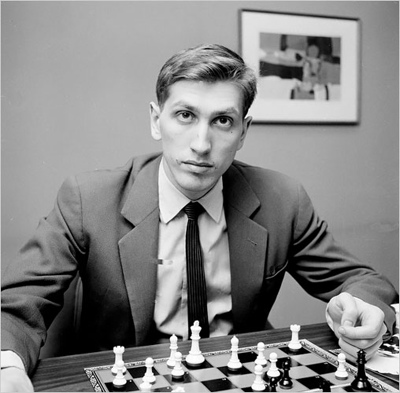
Chess prodigy and grandmaster Bobby Fischer has long been in the subject of debate as to whether or not he was on the spectrum. Psychologist Rueben Fine has said “Some of Bobby’s behavior is so strange, unpredictable, odd and bizarre that even his most ardent apologists have had a hard time explaining what makes him tick“. However, he could also have been schizophrenic or had paranoid personality disorder which can be co-morbidities with autism, so take from that what you will.
The Founding Fathers
While we cannot officially diagnose them, historical records about the Founding Fathers of America suggest that they may have all been neurodivergent in some way or another showing signs of ADHD and autism. Just have a quick look at this summary short and you’ll see what I mean:
Taylor Swift?
Okay, now this one maaaaay be a stretch, but some psychologists have speculated that based on her public demeanor, dating history, food habits, stimming behaviours and her music that Taylor Swift is likely autistic. A lot of fans have been debating whether or not this could be true, especially as her music resonates quite strongly with some autists. Then again most people resonate with her music so who knows 🤷♀️
Following on from my post about autism and driving, this week I’d like to talk about autism friendly parking facilities!
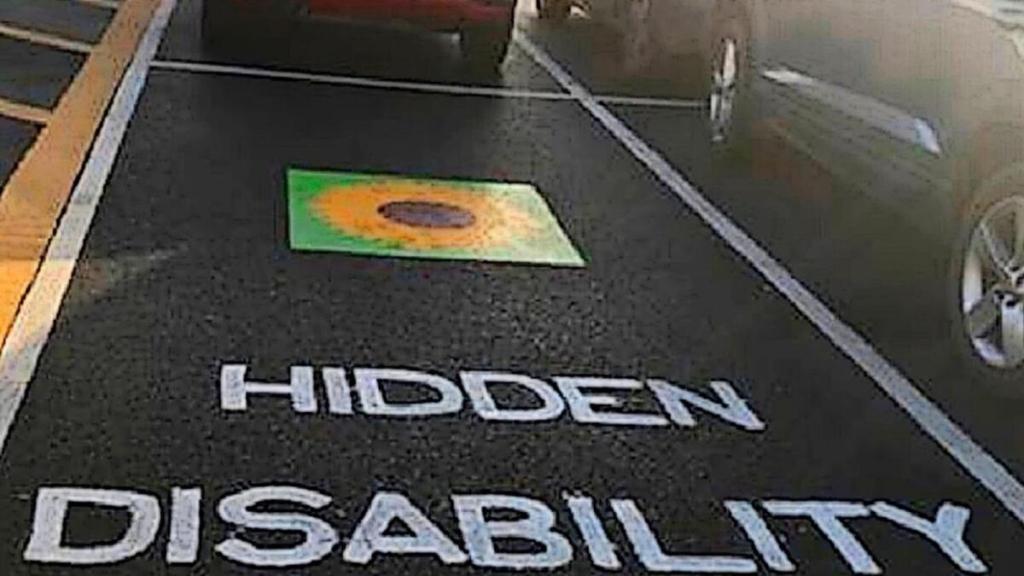
So I was recently out looking for parking in my local shopping centre and was surprised to see a sign for ‘Autism Friendly Parking’ with designated spaces for autistic drivers/autistic passengers. Parking is perhaps, in my experience, one of the most stressful aspects of driving on the spectrum. The stress of trying to find a space, efforts to get into available spaces, the panic from holding up traffic when it takes you an age to get into an awkward spot- I would love to see what my blood pressure readings are like after it sometime!🙈 In all my years of driving I have never come across an autism friendly parking system, so naturally I had to investigate.
Many businesses have now started providing designated autism friendly parking. These spaces are located closer to the door of business’s (just like disabled sparking spots), to make life easier for autists, especially for those with mobility issues.
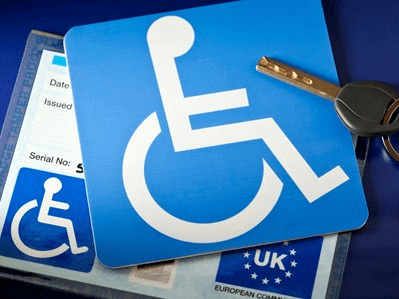
So in Ireland, you can apply to get an autism friendly parking permit. With proof of diagnosis and a small fee, you will be sent a permit to put in your car window which will allow you to avail of autism friendly parking spaces. These permits prevent abuse of the system and allow you to park in these spaces without fear of clamping. The permit also has the dual function of alerting emergency services that there may be an autistic driver/passenger in the car in the event of an accident, just like autism ID cards. So far this system is mainly provided by private businesses, but autism friendly towns like Dungarvan have implemented these parking schemes throughout the area. In recent weeks, Cork councilors are seeking to roll out a similar model to Dungarvan across the county, so this scheme could soon be a lot more readily available.
Similar schemes exist in other countries like the United States and the UK. In the UK for example, hidden disabilities like autism are now eligible for the blue badge scheme- the UK’s disability parking scheme, which enables autists to park in designated disabled parking spaces.
So if you find parking as stressful as I do, it’s worth investigating if there is an autism friendly parking scheme available in your area 🙂
This week I’d like to talk about a new TV interview show on BCC called ‘The Assembly’. The format of this show involves a celebrity being grilled by a panel of journalists over the course of 3 hours (30 minutes of which are broadcast). Sounds simple enough, however, the unique thing about this TV show is that the panel is comprised entirely of 35 neurodivergent novice journalists! Bucking the growing trend of highly scripted, edited, agenda driven interviews, the show is an un-filtered breath of fresh air where no question is out of bounds.
The Assembly is carefully recorded with autists in mind to prevent sensory overload, such as recording in a room with lots of natural light (to avoid fluorescent artificial lights). This show is the UK adaptation of the popular French show ‘Les Rencontres du Papotin‘ where many French public figures such as Emanuel Macron were interviewed by a neurodivergent panel run by the newspaper Le Papotin. In honour of Autism Acceptance Week, the BBC broadcast an interview with Welsh actor Michael Sheen on Friday the 5th of April. There are no further episodes currently scheduled, but showrunners have lots of eager celebrities wishing to be interviewed should The Assembly be picked up for series. You can see a trailer for the series here:
The show is a very heartwarming and wholesome affair that has had reviewers raving about it. The questions are so unexpected (ranging from Michael’s opinions on the royal family to the age gap between him and his partner) with delightful results. Michael is such a kind and patient interviewee providing insightful and hilarious answers to the delight of his audience. In one particularly touching moment, a very shy interviewer named Leo is struggling to get past his nerves to ask his question, but Michael is patient with him, allowing him the time and space to ask a very insightful question about Michaels favourite poet.
All in all the show is a wonderful change to your regularly scheduled BBC interview, with the added bonus that the show provides visibility and creates opportunities for the often marginalized autistic community.
This week I’d like to discuss how the immune system can contribute to autism through inflammation and autoimmune diseases.
Really Aoife? I thought the immune system was supposed to protect me from illness and repair the body after injuries?
Yes- ordinarily the immune system functions to protect and heal us from injury and disease, however, dysfunctions in the immune system can cause serious health issues. There are three main categories of immune dysfunction:
Immunodeficiency– where one or more parts of the immune system are inactive
Autoimmunity– where an overactive immune system is unable to tell the difference between the cells of the body and foreign invaders like bacteria and viruses. This leads to autoimmune disease (such as rheumatoid arthritis) where the immune system attacks healthy cells causing disease
Hypersensitivity– similar to autoimmunity where the immune system triggers an undesirable allergic reaction (like asthma and anaphylaxis) which attacks the cells of the body
So how does the immune system relate to autism?
A number have studies have highlighted that abnormal immune system activation could be playing a role in the development of autism. Inflammation is the body’s natural defense against foreign invaders. When the body is under attack from an infection for example, it starts to release pro-inflammatory chemicals called cytokines which triggers inflammation to start the battle. Once the threat has passed, an anti-inflammatory response begins to cool the body back down. This heating/cooling cycle doesn’t always run smoothly for some people leading to persistent inflammation which over time can cause damage to the body. Studies have shown that autists frequently show signs of widespread inflammation, often having high levels of pro-inflammatory chemicals. Postmortem brain samples in particular have shown evidence of enhanced immune activity suggesting that an overactive immune system may be contributing to the autistic brain.
There are also some studies that suggest autists are producing antibodies that attack their own brains- I know I’m my own worst enemy, but that is next level! 😛
Researchers believe that abnormal immune activity during pregnancy in particular could be a contributory factor in autism. Studies have noted that many women that have an autoimmune disease (such as lupus, psoriasis, diabetes etc.) also have a child with autism leading them to this potential link. It’s thought that pregnant women with autoimmune diseases produce antibodies that attack the baby’s brain as the immune system falsely identifies the baby as a foreign invader which can potentially cause autism and ADHD. Moreover, inflammation during pregnancy is also thought to interfere with the development of folds in the brain.
But is there any explanation as to why immune activity is abnormal in autism?
As with most things linked to autism, it’s likely that this activity has a genetic source. A number of the genes that have been linked to autism are also involved with the immune system, so mutations in these genes could explain the correlation.
This week I’d like to discuss a little more unusual- the participation of autists in clinical research and trials.
Now before we get into this post, I’d like to preface things by reiterating my stance from previous posts that autism is not something to be “cured”, but that being said, pharmaceutical interventions can be useful in the treatment of conditions that are co-morbid with autism such as OCD, bipolar disorder, ADHD, GI issues etc., not to mention every day illness, so research participation can be highly beneficial for autists.
So what exactly is clinical research and why do we need it?
In a nutshell, clinical research is a branch of medicine that determines the safety and efficacy of treatments intended for use in humans. It differs from lab based research in that human volunteers are involved to advance our knowledge of health and medicine- most of the studies that I refer to in my posts would be classified under clinical research. Research is split into two branches:
Observational studies -where groups are observed/monitored to gather health data
Clinical trials/interventional studies– where a treatment/drug is administered to a group of volunteers to assess its safety and efficacy. Depending on the trial phase the volunteers may be healthy or target patients for the drug/treatment
Human studies are the only way to truly determine drug safety and efficacy prior to marketing, so clinical research is essential to the advancement of medicine. Diversity in clinical investigations is particularly important as it allows us to better predict potential patient outcomes after treatment roll out. Historically speaking, trials were not particularly diverse and didn’t always cater to target patients. Many trials were subject to gender bias with males dominating the data- there were even breast and uterine cancer studies conducted exclusively on males! We now understand the importance of enrolling biologically diverse groups, hence autists participation in clinical research could be greatly beneficial.
But clinical research can be daunting for anxious autists, not just at the prospect of poor outcomes and side effects, but there are many barriers that may make participation difficult for an autist. There are often a lot of sensory challenges in the clinical setting with bright fluorescent lights, strong smells from medicines and cleaning products, alarms and noises from medical devices etc. which would need to be addressed by clinical staff when enrolling autists in studies. Co-morbid ADHD can also be an issue as autists may find it difficult to pay attention during visits and may become distracted by their surroundings making it difficult to collect data. Similarly ADHD can also impact patients motivation and interest in the trial which can make it tougher to get them to stick with it. Autists also often have difficulty with taking medicines on a sensory level so non-compliance with any treatment regimes will not generate usable data for investigators.
Many of these barriers can be overcome through environmental modifications, frequent breaks and adequate educational and emotional support during research studies. If clinicians and autism advocates work together to make research more accessible for autists, who knows what good may come in future clinical investigations!
This week I’d like to have a discussion about a somewhat polarizing topic- the internet and autism.
The internet is without a doubt one of the most powerful tools in the world- it connects us, shops for us, provides us with data instantly and is a vital tool in both school and the workplace. But as with most tools, it has many sharp and dangerous edges. As such, we need to be quite cognizant of both sides of the coin for vulnerable autists.
The internet often feels like a Godsend to an autist- it educates us about our condition, keeps those of us with ADHD stimulated (so many hours of online content to shut my brain up! 😛 ) and it removes the physical barriers of socializing, allowing us to make friends in a seemingly less threatening environment. Online support groups, vlogs and blogs can be immensely beneficial for autists, giving information, advice and a sense of community, knowing there are people out there dealing with the same struggles as you.
It can also really help mitigate some of the anxiety associated with in person or phone interactions. I’ve always hated shopping, so the rise in online retail during the pandemic has been very convenient for me, allowing me to offset some of the awkwardness and anxiety I would normally feel when dealing with retail workers (not to mention it’s keeping my habit of dropping/knocking things over in shops from poor coordination at bay! 😛 ). Even little things like being able to book appointments and restaurants over the internet can have a huge impact for an autist- the smallest of things can make our lives so much less stressful.
Perhaps one of the biggest benefits of the internet to emerge from the pandemic for autists is how it enables us to work remotely. With just a couple of clicks, we can work away as if we were in a physical office, safe in the comfort of our home, free from many of the stresses of workplace life.
But as useful as the internet is, it can also be a very dangerous place for autists.
The internet provides us with a vast network of information, but a large percentage of it goes un-monitored which could be dangerous in the hands of vulnerable autists. We can be quite innocent and trusting, our struggles with social cues often making it difficult to discern what is truly ingenuous. The internet is filled with harmful pages about “curing” autism which a desperate and struggling autist could take at face value. The threat of cyber bullying is a serious issue for today’s youth (I was blessed this was only taking off as I was leaving school), but autists are especially vulnerable given our social struggles. An even bigger danger may arise from these struggles as online predators may target autists, many of whom may be innocently oblivious to their potential danger.
Furthermore, there are an increasing number of studies which have identified a trend of internet addiction among autists, as we can often be vulnerable to addictive behaviours. Researchers feel that the internet allows us to compensate for our social difficulties in the offline world through online activity. The list of perceived advantages of the internet is endless to an autist, and so it can very quickly become a crutch.
Whilst we can put up filters and blocks to mitigate some of these risks, there is a real need to properly educate growing autists about the internet and the potential threats that are out there. Not just from others, but autists also need to be educated about the danger they pose to themselves with what they post on the internet. With our mimetic and impulsive nature, internet behaviours can often be monkey see-monkey do, and so we may post inappropriate content without properly realizing the potential consequences.
It’s easy to demonize it, but we cannot deny that the internet truly has provided a platform to increase visibility for the autistic community in recent years. It’s given so many of us a voice that we never knew we could have. The internet is on the whole primarily a good thing for autists, but we should always be wary of the dangers and advocate for proper education around internet usage.
This week I’d like to discuss my previous experiences with silent discos during my college days and how this phenomenon can benefit autists.
So what exactly is a silent disco?
A silent disco is pretty much what it sounds like- it’s a disco where no music is played through the speakers, but everyone is however provided with a set of wireless headphones to listen and dance to music. Each set of headphones has it’s own volume controls and allows you to pick from up to 3 different channels from different DJs to choose which music genre you would like to listen to- so while everyone else might be raving to EDM, you can rock out in peace. The idea originated in the UK in the early 2000’s and has since taken the world by storm, proving particularly popular with students and leading to more inclusive club nights.
So how can silent discos benefit autists?
One of the major drawbacks of the club scene for autists is the obscenely loud music blaring from the speakers. Sound sensitivity can be a serious issue for autists and will often deter us from dipping our toes into the night time social scene. Silent discos remove this barrier as there are no speakers, you can control the volume of the music (even turn if off if you wish to dance with no music- no one else will know!), control the channel, and if you want to chat to your friends you can simply slip them off and talk at a normal decibel without the need for shouting (bonus- no morning after voice loss!). Silent discos were highlighted in particular in the first season of Atypical to allow Sam to attend a school dance with his classmates in comfort. Light sensitivity from strobe lights can still be an issue, but I’ve always found that sunglasses in clubs can be quite beneficial (some may think you’re a bit odd, but most will think it’s awesome!).
I tried out silent discos in Dublin while I was studying for my masters several years back and found the experience quite refreshing. Over the years I have conditioned myself to the cacophony of club nights (I’ve always had more issues with sudden volume increases rather than general high volume levels- I am quite partial to rock concerts!), but being able to attend a silent disco where I could slip my headphones down and have an actual conversation with my friends between dances was a dream! I was in total control of my headphones and we could all dance together just like any other club night with our eardrums still intact!
Silent discos are a great way for autists to get out and experience college nightlife with a fraction of the stress, so I would highly recommend them for young adult autists trying to settle into the college social scene. Many colleges run silent discos so just watch out for an event near you and give it a try! 🙂




















 A Is For Aoife Not Autism