Autism in Abbott Elementary

Greetings Earthlings! 🙂

This week I’d like to discuss a possible autistic character in the award winning mockumentary sitcom Abbott Elementary.

So what is Abbott Elementary about?

Abbott Elementary follows a misfit group of teachers in the fictional primary school Abbott Elementary, a severely underfunded, mismanaged public school in Philadelphia. The teachers try their best to make do with their limited resources, often with hilarious consequences.

If you haven’t seen it yet, here’s a trailer for the show:

Many viewers, myself included, believe that substitute (and later first grade) teacher Gregory Eddie, played by Tyler James Williams, is on the spectrum. While it is never discussed, Gregory displays many subtle autistic traits that add to the humour of the show, normalizing neurodiversity without the drama and labels.

Gregory is a meticulous planner (at one point he planned his entire school year literally down to minutes and seconds), that sometimes borders on OCD. There are times when it seems like he has sensory issues around colour, preferring clean walls in his classroom. He loves rules and structure, and hates anything illogical or unjust. Gregory often struggles to relate to his pupils, but is at ease with his adult colleagues as they are far more predictable than children.

He always wears his feelings on his face, with the documentary camera crew often panning to his sassy side eye to record his disapproving and uncomfortable reactions. You can get a taste of his side eye in these clips:

One episode in particular showcases Gregory’s issues with food which really resonated with me. In the episode, the staff are debating their favourite pizza places. To avoid conflict, Gregory makes up a fake pizza restaurant to throw them off the scent that he doesn’t like pizza as people never understand why. He admits to liking maybe 5 things as you can see in the clip below:

I particularly related to this episode as I often feel a similar need to lie around food related matters, like pretending that I’m not hungry when the food options are not to my tastes. It just get’s too awkward to explain.

All in all, while we cannot be sure that Gregory is autistic, he certainly paints a pretty good portrait of a high functioning autist.

Hope you enjoyed this post dear Earthlings!

Have a lovey weekend!

Aoife
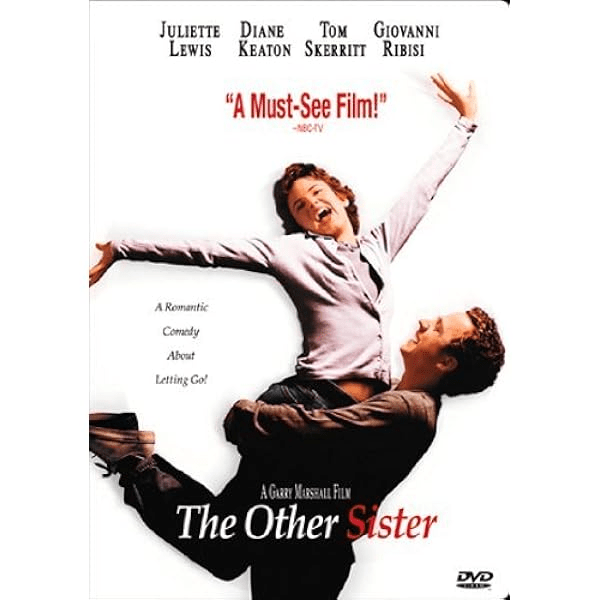
Autism in ‘The Other Sister’

Greetings Earthlings! 🙂

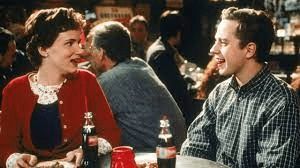
This week I’d like to talk about the depiction of autism in the 1999 romantic comedy film ‘The Other Sister‘, starring Juliette Lewis and Diane Keaton.

Fun fact– Juliette Lewis also appeared in another film featuring an autistic character, ‘What’s Eating Gilbert Grape.’

So what’s the film about?

The film centres around mildly mentally disabled Carla Tate who has lived a sheltered life in a private school. Upon graduation, she returns home to her overprotective mother determined to earn a diploma from a local technical university so that she can become a veterinary assistant and establish her independence. Whilst at college, she meets and falls in love with Danny (who is also mentally disabled), and seeing his independent life, she further advocates for her own life and an apartment, much to the chagrin of her oftentimes controlling mother.

While autism is never explicitly mentioned, both Carla and Danny display a number of autistic traits such as coordination issues, impulsivity, fondness for routine, specialist interests, food issues and lack of filter in social settings.

You can see a trailer for the film bel0w:

So what did I make of it?

As a story, I enjoyed it. It was a wholesome romantic comedy that broke the mould at the time by featuring a mentally disabled couple at it’s core, showing that neurodivergents, despite our differences, want to have ordinary romantic relationships like everyone else. However, the film largely received negative views for the acting (Juliette Lewis was nominated for a Razzie for her performance) and shameless use of disability as a gimmick.

In terms of autism, this was a fairly run of the mill affair, standard stereotypical traits, but unlike the critics I found their depiction fairly inoffensive compared with other more stereotyped examples.

All in all, while not the most relatable depiction of autism when compared with other romantic movies featuring autistic couples (like ‘Mozart and the Whale‘), the film is still worth a watch 🙂

Hope you enjoyed this post dear Earthlings!

Have a lovely weekend! 🙂

Aoife

Autism in ‘Not Dead Yet’

Greetings Earthlings! 🙂

This week I’d like to talk about an autistic character in the ABC sitcom ‘Not Dead Yet‘ starring Gina Rodriguez of ‘Jane the Virgin‘ fame.

So what’s the series about?

In a nutshell, Nell is an out of work journalist trying to get back in the game after leaving her job 5 years ago to move to London with her then boyfriend. She returns to the States with her tail between her legs, taking a job writing obituaries for her former employers. Things start to get interesting however, when Nell starts to see the ghosts of her subjects!

You can check out a trailer for the series here:

So back to autism.

Nell’s room mate Edward is on the autistic spectrum, played by autistic actor Rick Glassman. A nerdy, brutally honest, passionate environmental lawyer, Edward needs strict routines like the majority of autists, but for the most part he is a “normal” functioning member of society.

You can see a clip here where he opens up to Nell about his diagnosis here:

One of the interesting things about the character of Edward is that the casting director sent out a casting call for neurodivergent or autistic actors. The character wasn’t necessarily written as autistic, but they were open to making Edward autistic as they wanted to get extra ideas of people who aren’t normally represented- a very positive move for the entertainment industry. The writers also hired autism consultant David Finch to ensure that they were accurately depicting the day to day nuances of living as an autistic adult, something that really comes across in the series.

The show is quite refreshing as Edward is used as comic relief but not in the way you would expect. So often the autist is the butt of the joke in comedic TV shows, but in ‘Not Dead Yet‘, Edward flips the script and makes fun of everyone else with his neurodivergent asides and unfiltered comments. One of the things that I really connected with however was how the writers handled masking. When Edward’s girlfriend is in town, he takes on a completely different persona. He hides his nerdy toys, pretends to be spontaneous and nonchalant- the complete antithesis of the Edward we had seen thus far. Thankfully, Nell, despite preferring many of his false traits, encourages him to drop his mask and be himself which you can see in the clip below:

It’s really heartening to see this scene as so often autists are encouraged to mask to fit in, often at the loss of self. I spent much of my teenage years masking, often suppressing my true interests and quirks to fit in with my peer group. I feigned interest in girly things like pop bands and trashy TV shows just to have things to talk about, when what I really wanted was to talk gaming and rock n’ roll! It was only after I went to college and began to embrace my quirks and just be me that I made true friends like Edward has in Nell.

I highly recommend watching this series (it’s currently available on Disney +) as it’s a quirky easy watch with a lot of heart.

Hope you enjoyed this post dear Earthlings! 🙂

Have a lovely weekend!

Aoife

Autism in Wayne’s World?

Greetings Earthlings! 🙂

This week I’d like to discuss a potentially autistic character in the classic 90’s ‘Wayne’s World‘ films- Garth Algar played by Dana Carvey.

In case you’ve never seen Wayne’s World, the films are centred round metal loving best friends Wayne and Garth who have their own comedy public access TV show in Aurora, Illinois, often getting into weird and wacky situations. The duo are perhaps most famous for re-popularizing Queen’s ‘Bohemian Rhapsody’ in the 1990s in this iconic scene:

So where does autism come in?

While autism is never explicitly mentioned and little was relatively known about the condition at the time of filming, many have retrospectively concluded that Garth is quite likely on the autistic spectrum. A shy, awkward and uncoordinated nerd, Garth actively avoids eye contact (except with the camera), doesn’t like touching, often misses social cues and can be very literal in his thinking and resistant to change.

His iconic exchange with Kim Basinger, “So, would you like to have dinner one night? Garth: Oh, I like to have dinner every night“; is a classic Asperger’s moment. He also is very into his specialist interests like electronics and heavy metal, and has a wild imagination like many autists.

Here’s a clip from ‘Wayne’s World 2‘ which really showcases Garth’s awkwardness, mind blindness and literal thinking:

Interestingly, despite not intentionally seeking to depict autism, many autists consider Garth to be a very positive portrayal of the condition. Garth is seen as a little bit quirky, but is fully accepted by his friends. He has a job, a social life, and even manages to bag himself a couple of girlfriends. These are all “normal” positive things, the real lived experience of many of us late diagnosis autists. Too often in media portrayals of autism the characters are depicted as othered and often incapable of living independently, even today, so for films this old to have such a positive approach to neurodivergents is pleasantly refreshing.

Hope you enjoyed this post dear Earthlings! 🙂

Have a lovely weekend!

Aoife

Autism in Girl Meets World

Greetings Earthlings! 🙂

This week I’d like to discuss the depiction of autism in the Disney + coming of age comedy series ‘Girl Meets World‘ (the spin-off/sequel to the 90’s classic ‘Boy Meets World‘) in an episode from 2015 that has been doing the rounds on Tik Tok in recent months.

The clip from the series depicts the shows protagonist Riley and her group of friends finding out that their best friend Farkle may be on the autistic spectrum, specifically he may have Asperger’s syndrome. Farkle was recently given an aptitude test that affirmed, what he always knew, that he is a genius. Following additional tests to confirm his IQ, it was decided that he should also be tested for autism as he presents with many traits such as touch aversion, social awkwardness, specialist interests etc. (we won’t get into how they automatically jumped to spectrum from a genius test 🙄).

Now while it’s great that such an important topic is getting airtime on a channel as big as Disney, the clip has been viewed quite negatively by the autistic community. After telling his friends that he may have autism, their reactions are somewhat overdramatic. Riley’s friend Maya automatically jumps off the couch and vehemently proclaims “You don’t!”, while Riley similarly jumps up saying “Let’s go tell them you don’t!” Moreover, Riley and Farkle’s parent’s set quite a serious and sombre tone in the room about his potential diagnosis which doesn’t help the vibe. Although not included in the original viral clip, the gang later study up on Asperger’s and every time that Farkle agrees with a trait and gives an example, Maya grabs him and tells him to “Stop doing that! He’s going to stop doing that!” Needless to say, autists everywhere have been highly offended by the reactions as they are treating autism like a terminal disease! This has even made many afraid to disclose their diagnosis to their friends based on this reaction (although I would argue that this is an overreaction as my friends have been nothing but accepting and supportive when I have disclosed my diagnosis).

The clip has since been edited/removed, but you can watch the episode in full on Disney + (Season 2 Episode 15). Here’s a clip instead introducing us to Farkle:

Ultimately, it turns out that Farkle isn’t on the spectrum, so there was a whole lot of hullabaloo about nothing, BUT it is revealed later on in the episode that Farkle’s female nemesis (and later girlfriend) Smackle was diagnosed with Asperger’s at 5 years old. She like Farkle is also a genius (whhhhyyy must we perpetuate these stereotypes!!!), with an aversion to hugs, difficulty reading social cues and struggles to make friends. Her depiction is very stereotypical Aspergers male and doesn’t tie in with how most women with autism actually present- although it is nice to see another woman on screen where autistic men are the media majority.

The episode ends with everyone accepting Smackle and showing her that none of them in the group identify as “normal” nor aspire to be “normal”, ending everything on a slightly better note of acceptance- something that most of the online chatter didn’t delve into following the disastrous reaction to Farkle’s potential diagnosis.

All in all, this type of representation is not great, but at least the tone does even out by the end of the episode. It’s a very stereotyped depiction and the initial reaction of the gang can be quite triggering for some autists, but I’ve definitely seen way worse handling of this issue. That being said, this episode does come from 2015 and media depictions have come a long way since then, with many shifting to cast autistic actors for accurate on screen portrayals- like the character of Quinni in Heartbreak High. As with history, we should learn from the past and look to examples like this as ‘what not to do’ so that media portrayals going forward will be far more reflective of the real autistic experience.

Hope you enjoyed this post dear Earthlings! 🙂

Have a lovely weekend!

Aoife

Autism in Heartbreak High

Greetings Earthlings! 🙂

Leading on from my previous post about Netflix’s film ‘I Used to be Famous‘, this week I’d like to talk about another new Netflix series that has an autistic character- the reboot of the Australian comedy-drama series ‘Heartbreak High’.

So what’s the show about?

The show centres on a group of teenagers in the fictional Hartley High School in Australia after a graffitied “sex map” has been discovered on a wall detailing all of the sordid details of the students sex-capades. Following its discovery, the principal puts the students in a mandatory sex education class called ‘Sexual Literacy Tutorials – or “SLTs” (which inadvertently sounds like ‘sluts’) in an attempt to guide the students and calm the PR storm brewing outside.

You can see a trailer for the show here:

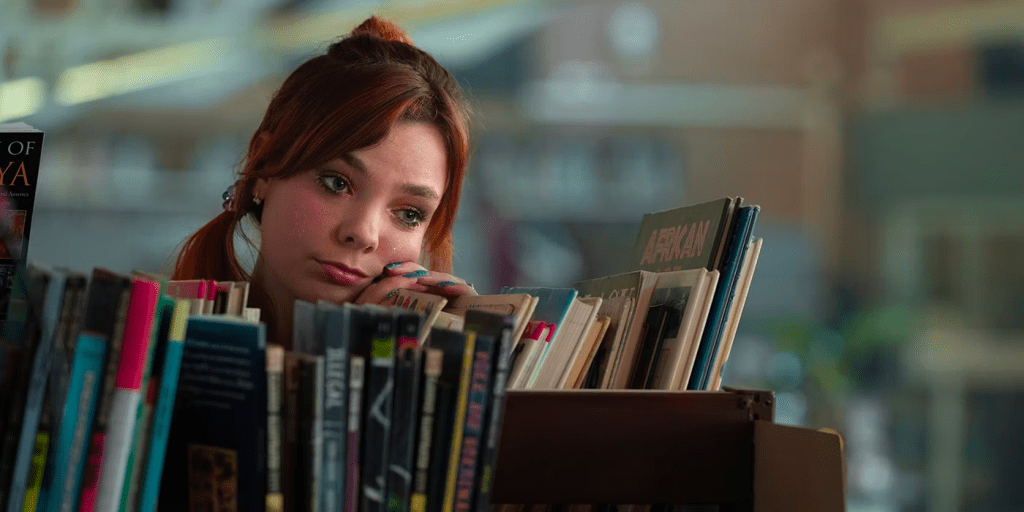
Now one of the great things about this show is that it prominently features an autistic character called Quinni, played by autistic actor and activist Chloe Hayden. Quinni is an emotionally intelligent, vivacious and bubbly teenager with ADHD, who loves bright colours, art, stickers, crocs and fantasy novels (one of her specialist interests). Quinni is also a lesbian, which marks one of the first times I’ve seen an LGBT autist in a fictional show, which is quite surprising given that many on the spectrum identify as LGBT+. It was refreshing to not have the classic asexual wallflower that is often depicted on screen. The real twist is that there is actually an asexual character in the show but he wasn’t autistic!

The writers worked very closely with Chloe to create a genuine picture of autism for the audience (she pretty much got to write all of her character). To the untrained eye it is not immediately obvious that Quinni is on the spectrum, she just seems like a chatty, quirky teenage girl. We don’t find out she is autistic until she blurts it out to her annoyed date after seemingly ignoring her attempts at conversation all evening as she was struggling to concentrate due to noise sensitivity in the crowded restaurant. The response she gets is one that all high functioning autists can relate to- questioning, doubtful, comparing us to stereotypes/media portrayals from neurotypical actors etc. This scene was added as the writer’s asked Chloe what happens when she tells people about her diagnosis which you can see below:

As the series progresses we get to see her navigate the rollercoaster of her first relationship. While it starts out sweet with Sasha being considerate of her needs, a typical selfish teenager, Sasha starts coddling her and feeling responsible for Quinni rather than understanding her needs:

The relationship ends in tears when Sasha becomes dismissive of her need for routine and ruins a much planned and anticipated meeting with Quinni’s favourite author for her, triggering a meltdown and shutdown, with Quinni retreating into herself, not speaking for days on end- a sad reality that autists may face.

Personally, I wasn’t the biggest fan of the show (in my opinion it was a little bit too “woke” and the broad diversity of the characters seemed a bit forced), but it is a genuine portrayal of the reality that teenage autistic women face every day and is one of the first times that I’ve seen something of myself in an autistic character on screen in a long time. We need to see more Quinni’s on our screen to properly educate people about the realities of living with autism, and to give the next generation of autists someone to relate to, something that so many of us were lacking in our developmental years.

Hope you enjoyed this post dear Earthlings!

Have a lovely weekend! 🙂

Aoife

Autism in ‘I Used To Be Famous’

Greetings Earthlings! 🙂

This week I’d like to talk about Netflix’s latest drama film ‘I Used To Be Famous‘ and an autistic character that appears in the film.

So what is the film about?

The film follows Vince (played by Ed Skrein), a former member of a famous boy band who has been struggling to make headway with his own electronic music since the dissolution of the band several years previously. One day while busking in the city, he happens upon a teenage boy who starts drumming a beat on a nearby bench in sync with his electronic stylings. The resulting music captures the attention of everyone around and a video of the incident goes viral online. As it turns out, Stevie is on the autistic spectrum and a passionate drummer. Vince tracks him down in a music therapy group for people with disabilities and proposes that they start a band together in his desperation to make it back on top, a move which changes both of their lives forever.

You can see a trailer of the film below:

So how was this films depiction of autism?

The writers have kept things simple in the film, choosing to make Stevie’s drumming abilities the main focus rather than his autism, showing us all that autism should never be a blocker to achieving your dreams. Now one of the great things about this film is that building on from Atypical, Netflix has cast an autistic actor, Leo Long, to play Stevie. Leo is a talented drummer with the London Youth Folk Ensemble and National Open Youth Orchestra, and a passionate advocate for making the music and film industries more accessible for individuals with disabilities.

It’s a heartwarming film with some great tunes to boot- perfect for a quiet evening in 🙂

Hope you enjoyed this post dear Earthlings!

Have a lovely weekend 🙂

Aoife

Autism in Thomas the Tank Engine

Greetings Earthlings! 🙂

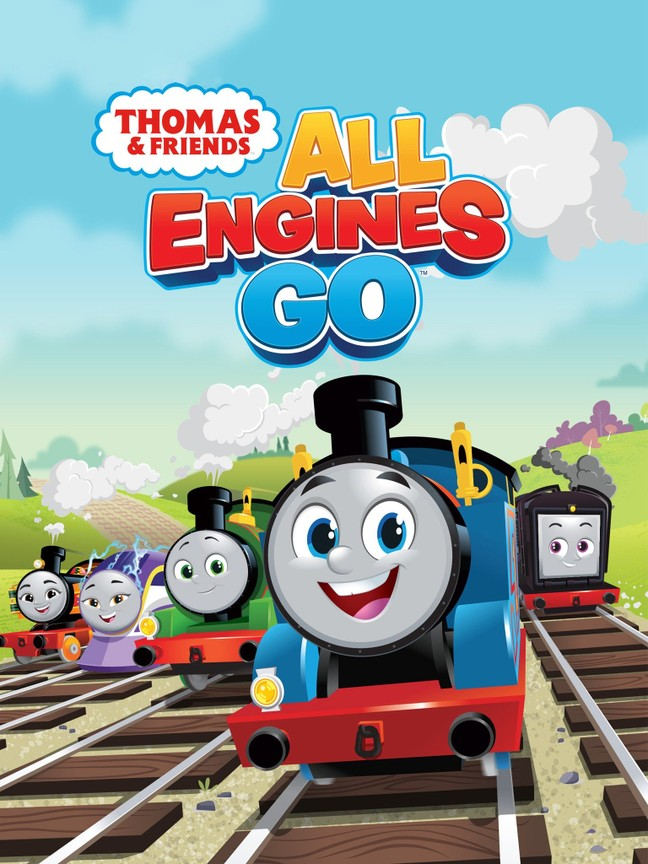
This week I would like to discuss the introduction of an autistic character to the beloved children’s TV show Thomas the Tank Engine (the series has been renamed Thomas & FriendsAll Engines’s Go in it’s latest iteration).

In September of 2022, Bruno the Brake Car was introduced to season 2 of ‘All Engines Go‘ following a team-up between the show runners and a number of autism advocacy groups such as the National Autistic Society and Autism Self Advocacy Network (ASAN) in the UK. In creating the character, the creators wanted to reach out to new audiences but to also ensure that their audiences were being fully represented (which makes sense given that so many autists love trains). The creators have also ensured that Bruno is always voiced by an autistic actor- 9 year old Elliot Garcia in the UK and 10 year old Chuck Smith in the USA & Canada.

You can check out Bruno in an episode of the show below:

So what’s Bruno like in the show?

It’s not immediately obvious that Bruno is autistic, but he does have a lot of subtle traits which can help teach neurotypical children about our differences and how to love and accept Bruno as just another train in the yard. The first thing I noticed about Bruno is that he doesn’t make eye contact, his eyes generally shift from side to side and up and down, never directly looking in just one place- something highly relatable for many autists. Every so often Bruno will flap his stepladders, mimicking the hand flapping stimming action of many autists. It’s really subtle, which is quite clever as it helps autists to feel seen whilst also normalizing the behaviour for neurotypical viewers. One of the things I enjoyed most about Bruno was how whenever things were too noisy or when he pushed on the brakes, smoke subtly came down over his ears in the shape of noise cancelling headphones- a true stroke of genius from the animators!

Bruno is also very literal, for example when Thomas describes Diesel as a ‘steamroller’ for his careless racing, Bruno get’s very confused as Diesel is a shunter/switcher train not a steamroller, prompting Thomas to explain that he was acting like a steamroller but not physically one. As a brake car, Bruno likes things slow and orderly, and is obsessed with routine and the train timetable, often getting unsettled when the other trains are off schedule. He’s also very funny, frequently cracking puns and using comedy to get through difficult situations- something I’m very familiar with it. It’s nice to see autists portrayed as having a good sense of humour as too often we’re depicted as gormless and immune to punchlines.

Overall Bruno’s characterization is spot on, nice and subtle and a great character to represent the autistic community. I would say however the choice of using yellow detailing on Bruno as an autistic character is a little unusual, as some autists have colour sensitivity issues, with the colour yellow being particularly triggering.

Autistic voice actor Eliot Garcia holding Bruno

Hope you enjoyed this post dear Earthlings! 🙂

Have a lovely weekend!

Aoife

Autism on Screen- Sherlock

Greetings Earthlings! 🙂

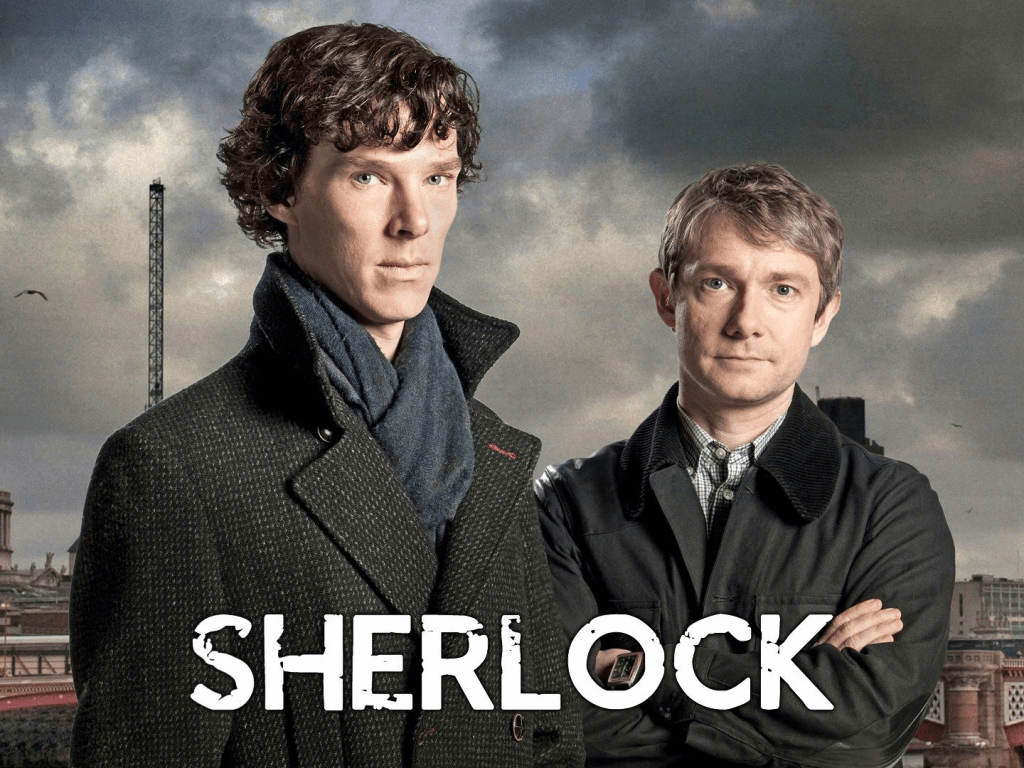
This week I’d like to take a look at autism in the popular BBC mystery/crime drama series ‘Sherlock‘ starring Benedict Cumberbatch and Martin Freeman (I know, I’m a bit late to the party on this show, but I only recently binged it during the pandemic 😛 ).

So what’s Sherlock about?

The premise of Sherlock is fairly self explanatory- it’s a series based on the infamous Sherlock Holmes stories by Sir Arthur Conan Doyle set in modern day London. Holmes, a consulting detective, works closely with his friend Dr. Watson to solve mysteries and crimes across London by using Sherlock’s keen powers of observation and deduction in tandem with modern sleuthing technologies, giving Holmes’s story a contemporary edge.

Here’s a trailer of the series for those of you who have never seen it:

So how does autism tie into all of this?

There has been much debate as to whether or not the character of Sherlock has Asperger’s Syndrome. Many experts have theorized that he original character of Sherlock Holmes in the 19th century stories may have been displaying signs of autism decades before the condition was first characterized. Sherlock indeed displays many traits of Asperger’s- his powers of observation, his intellect and memory, obsession with his work, issues with sleep and drug addiction, mind blindness to social cues, his struggles with empathy, and moments of perceived sociopathy (some autists have been misdiagnosed as sociopaths) all tend to paint the picture of an autist. Moreover, the chief of police and Dr. Watson have even theorized that Sherlock may have Asperger’s.

You can find a video of some of Sherlock’s best bits in the show at the link below:

https://fb.watch/eIYlHsMlKw/

However, this depiction has not been without it’s critiques. It has been argued that this depiction of Sherlock as a superhuman intellect with sociopathic tendencies is damaging for the autistic community as this is a negative, somewhat romanticized and simplistic portrayal of the condition that can mislead the public in their perceptions of the condition (although let’s face it- 90% of autistic characters recycle the same traits and rarely give us an insight into the variety and complexity of the neurodivergent population 😛 ). The autistic community on the whole however, has mainly been supportive in claiming Sherlock as one of our own as many relate to Sherlock and feel seen in Cumberbatch’s portrayal.

Hope you enjoyed this post dear Earthlings!

Have a lovely weekend! 🙂

Aoife

Autism in Stranger Things?

Greetings Earthlings! 🙂

Following the recent release of Netflix sensation ‘Stranger Things‘ Season 4 Vol., this week I’d like to discuss a possible autistic character that many fans have been discussing online since the season dropped (don’t worry- I’ll keep this spoiler free!).

So before I get into discussing this character, what’s Stranger Things about?

For those of you who may not have heard of Netflix’s all time most streamed TV show, Stranger Things is an 80’s nostalgia sci-fi/horror/drama series set in the fictional town of Hawkins Indiana. Secret government cold war experiments exploring psychokinesis have ripped a portal to an alternate dimension filled with monsters called the ‘Upside Down’, leading to a series of mysterious events in Hawkins which a young group of pre-teens set out to investigate after their friend Will disappears.

Now back to autism.

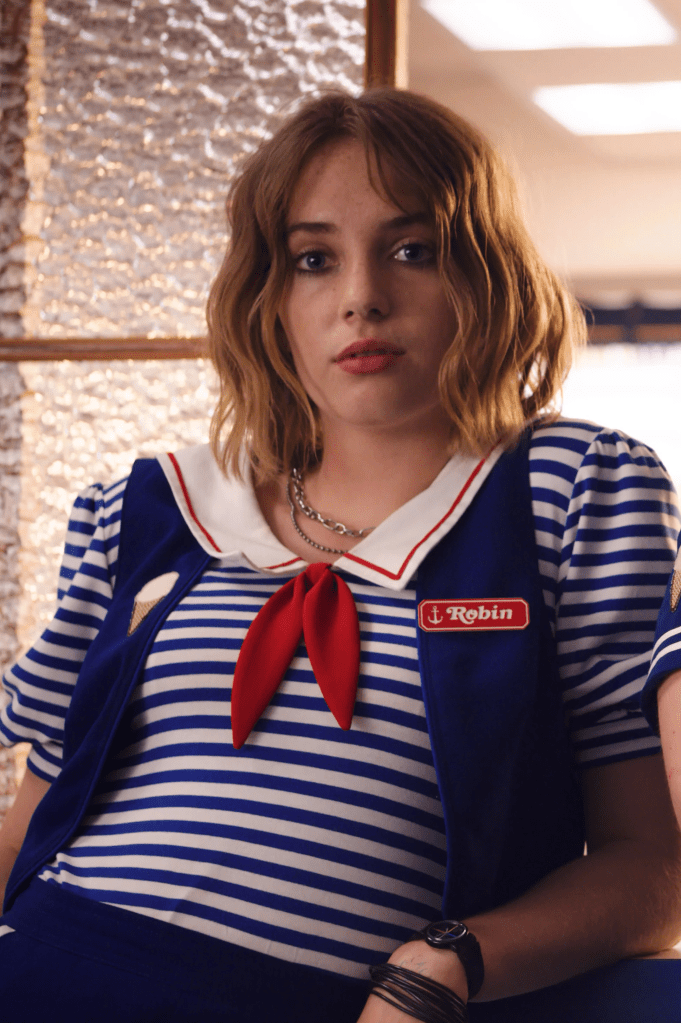
In the most recent series, one of the new characters introduced in the last season, now appears to be showing a lot of neurodivergent traits- Robin Buckley, played by Maya Hawke (daughter of Hollywood legends Uma Thurman and Ethan Hawke).

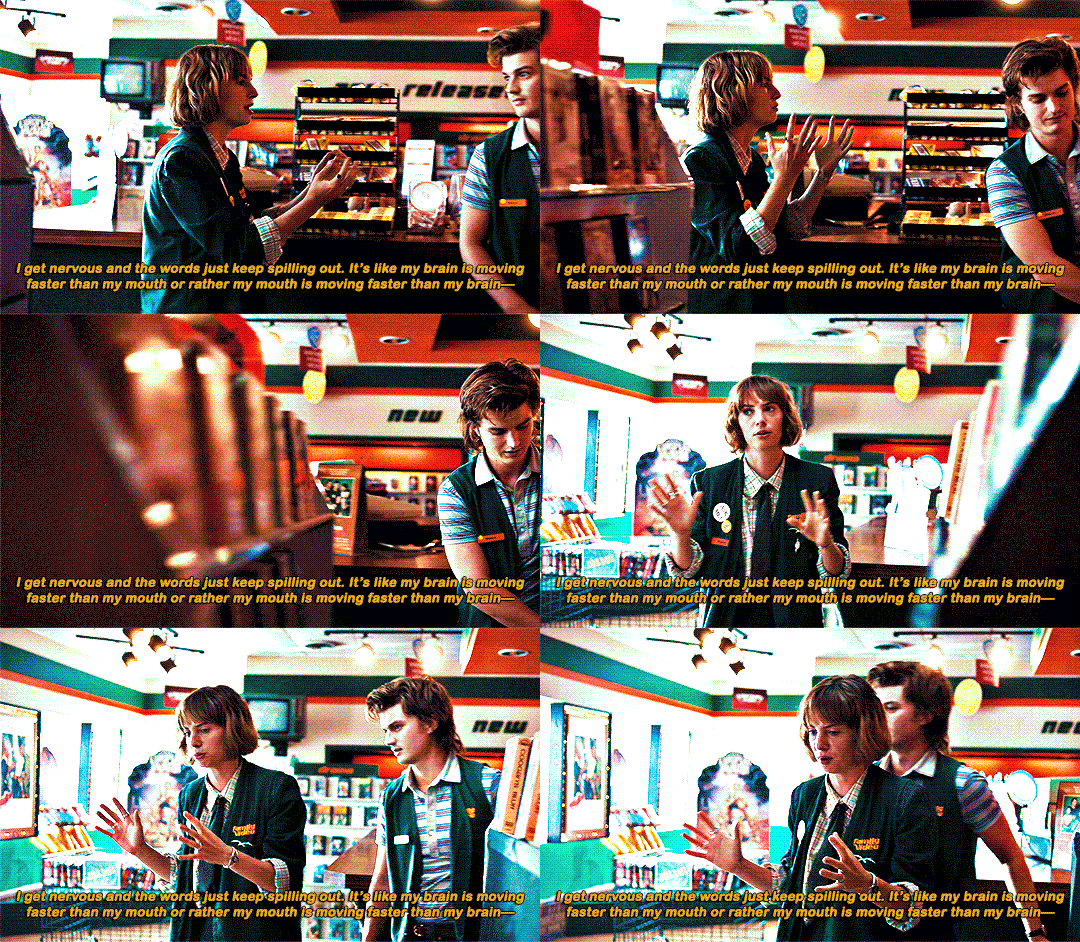
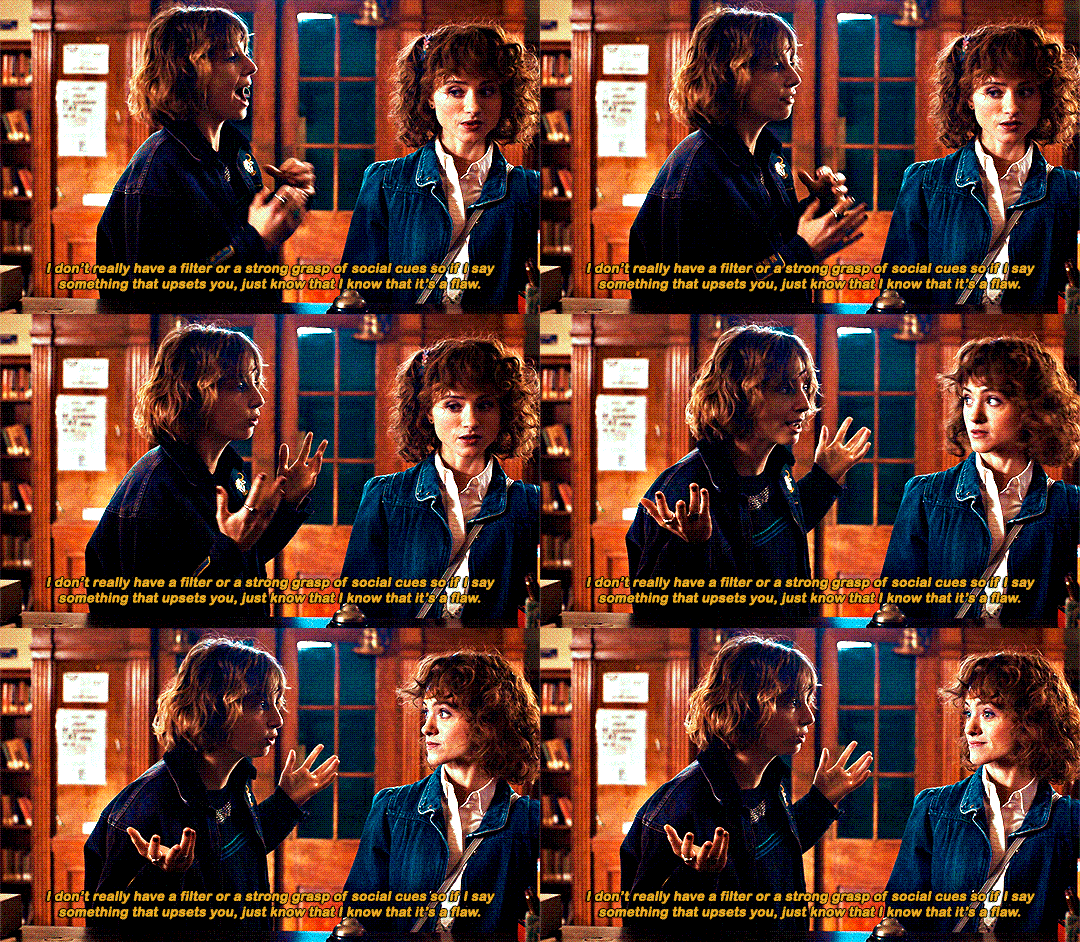
Robin is a highly intelligent high school student that befriends the main Stranger Things gang in season 3 when Russian scientists build a portal to the Upside Down in a secret lab beneath the mall that she works at. Described as “an alternative girl” when her casting was first announced, Robin has certainly captured the attention of autistic viewers as her character has developed in season 4. Throughout the season, Robin has been very quirky, exhibiting no filter and rambling constantly about random topics, but can also be quite easily distracted, suggesting that like many autists she has ADHD.

She mentions that she has no grasp of social cues and has awful coordination, claiming that she took 6 months longer to walk than the other babies which she says was not normal. Robin also claims to be a terrible liar and regularly addresses her weirdness and tendency to inadvertently come across as mean or condescending, constantly asking her friends if she is being annoying.

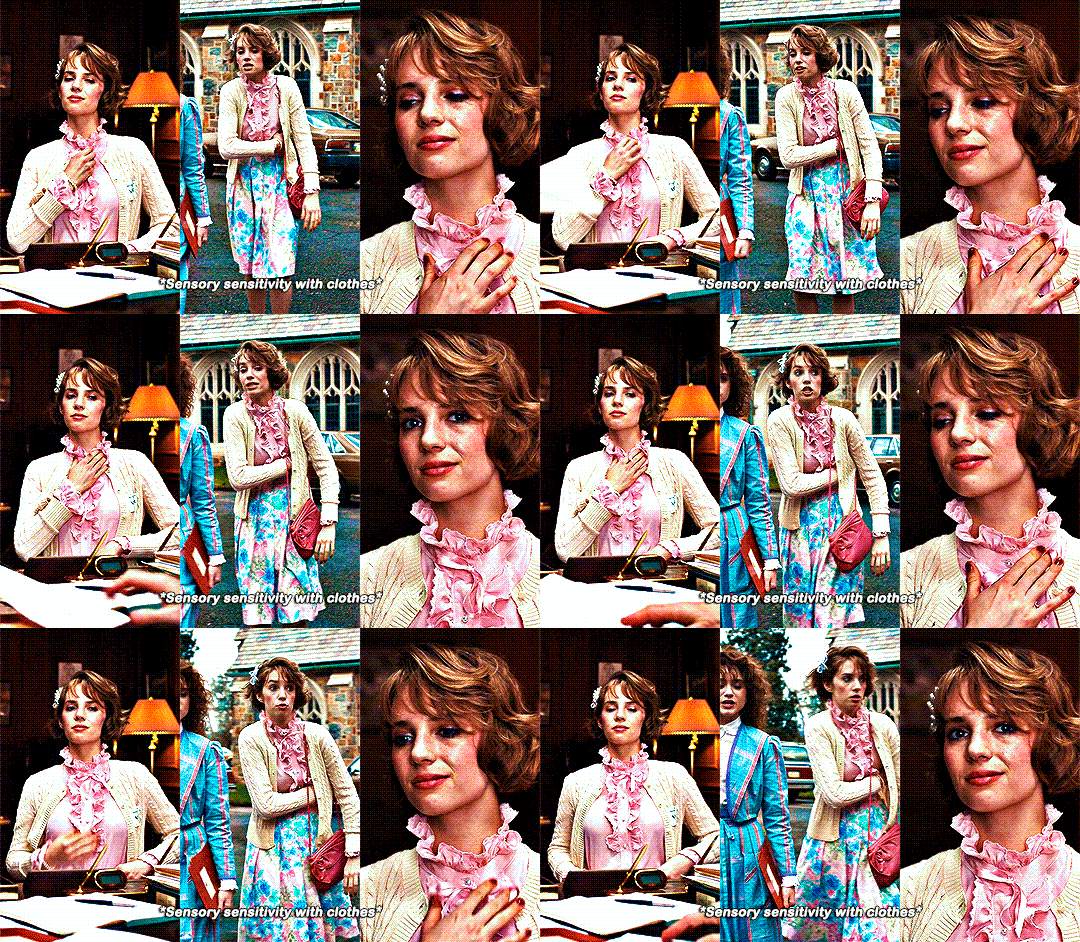
During one particularly memorable scene, Robin, a notorious tomboy, is dressed up in tight frilly clothing which she constantly complains about, arguing that the borrowed outfit is itchy, the bra is pinching her, and the blouse is strangling her, which could suggest that sensory sensitivities could be driving her penchant for baggy clothing.

Most autistic fans did not notice much in the line of neurodiversity in season 3, but other keen eyed viewers have noted traits prior to season 4 citing her ability to hyperfocus, her memory, her ability to connect dots the others can’t, her blunt truth bombs and that she is a member of the LGBTQ+ community (which a large proportion of autists are). Robin also remarked in season 3 “I feel like my whole life has been one big error“, a sentiment that many an autist can relate to. It could be argued that perhaps now that Robin is part of the gang, she is far more relaxed and doesn’t feel the need to mask as much as she did in season 3.

Whilst it is highly unlikely that Robin will have an autism story-line given how poorly understood autism was in women during the 1980’s, nevertheless it’s always nice for autistic fans to feel seen when watching our favourite shows. It will be interesting to see how her character develops in season 4 vol 2 and beyond!

Hope you enjoyed this post dear Earthlings!

Have a lovely weekend! 🙂

Aoife

Blog at WordPress.com.

Up ↑