Google Accessibility Discovery Centre (ADC)

Greetings Earthlings! 🙂

This week I’d like to talk about a recent trip I took to Google’s Accessibility Discovery Centre (ADC) in Dublin- the first of it’s kind in the EU. Now I know you might be wondering what a trip to Google has to do with autism- but bear with me!

So the ADC is a dedicated space where researchers and engineers develop new technologies that can help people with disabilities including those with autism. Not only do they develop new technologies, Google also uses this space to engage more effectively with disability communities to better understand our needs. The space is specifically designed to facilitate different disabilities- it’s wheelchair accessible, the colour scheme was designed to suit different disabilities with muted tones, and the lighting can be easily adjusted for sensitivities.

There were a number of really cool, innovative technologies that will really help the quality of life for people with physical disabilities including games that can be controlled with a chin joystick and ones that track eye movements- you can literally drive a car on the screen using your eyes! They are also working on some amazing tools for those with nonverbal autism such as a picture based program where you can click on images to make sentences (kind of like the rapid prompting method). You can see this in the image below:
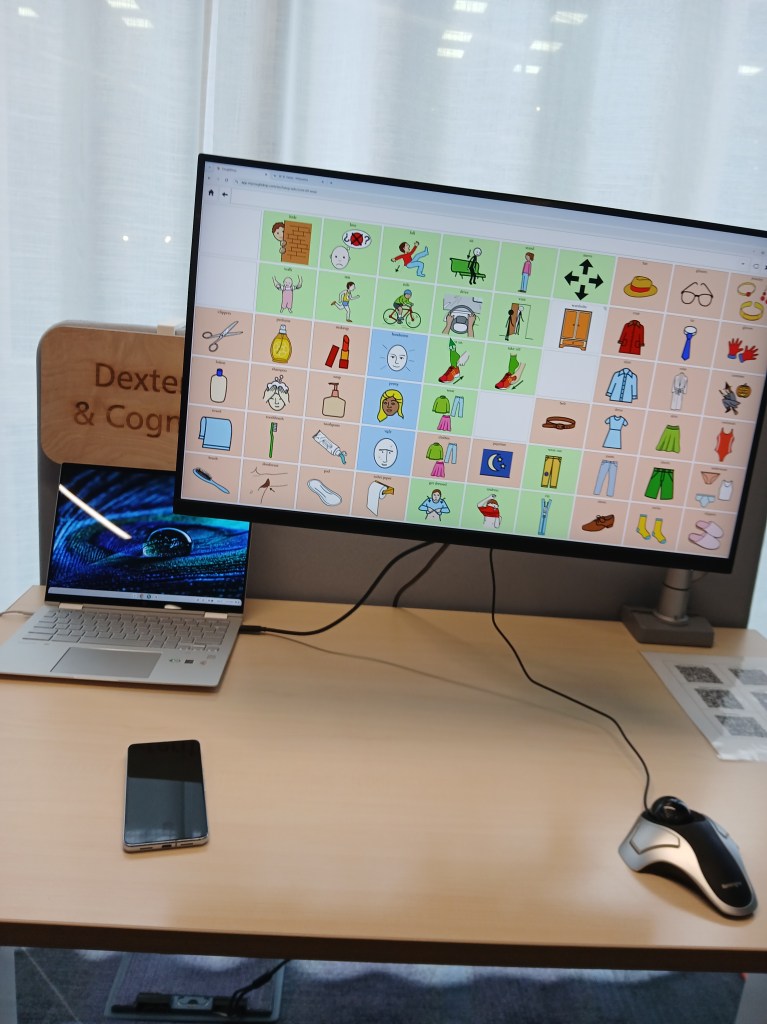
They also showed us around their suite of accessibility tools and extensions available when using Google Chrome, including dyslexic font to help make reading easier- who knew such things could exist?🤯 One of my favourite parts of the tour was the neurodivergent corner where they had a range of nifty sensory toys you could play with which were great for stimming. They also had some glasses for light sensitivity issues, loop earplugs and a sliding social battery pin- which I could really do with getting my hands on 🤣.

It is a really cool facility and it’s great to see new dedicated spaces like these that are working on making life easier for neurodivergents and others with disabilities. If you’d like to tour the ADC, you can email Google at adc-dublin@google.com to set it up- I highly recommend the experience! 😀

Hope you enjoyed this post dear Earthlings!

Have a lovely weekend!

Aoife
Paracetamol and Autism

Greetings Earthlings! 🙂

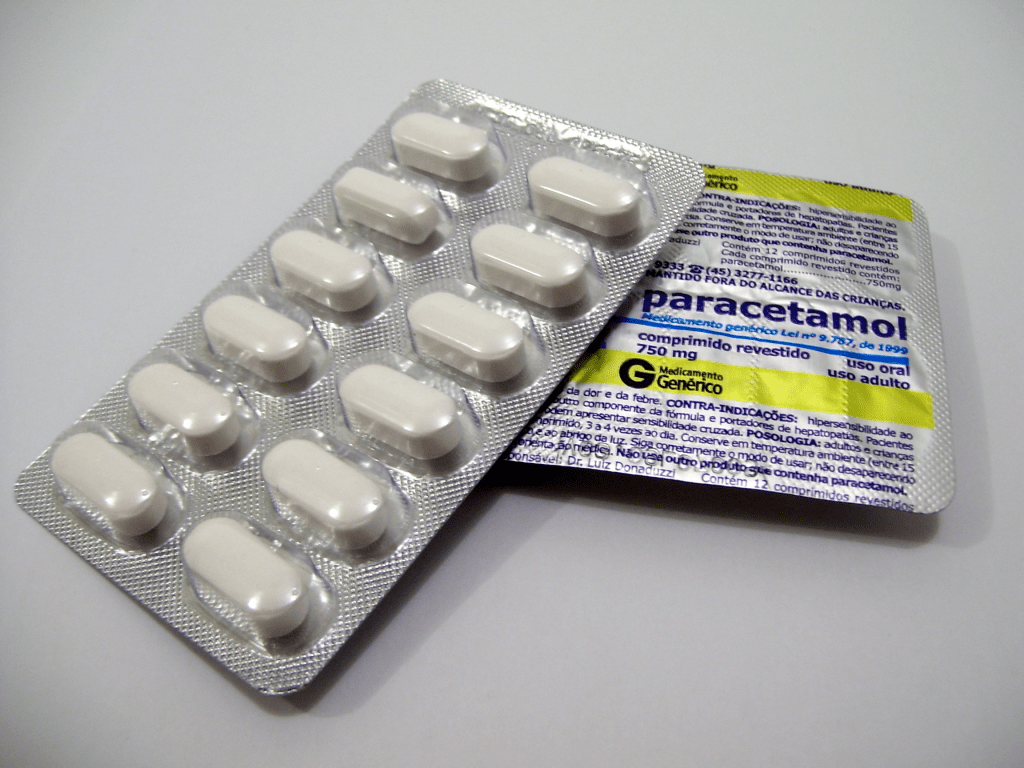
It is with my face cupped in my hands that I write this post for you after the latest “recommendations” coming from the States in recent weeks. In case you’ve been living under a rock, US president Donald Trump and RFK Jr., announced that there is a link between the use of paracetamol (also known as Tylenol) during pregnancy and the development of autism 🤦🏻‍♀️Historically this has been the safest drug that a woman can take during pregnancy to treat pain and fever (from infection), but now the Trump administration is slapping a warning label on this essential medication to scare women about the risk of autism when they’re at their most vulnerable.

So let’s separate fact from fiction- what does the research actually say?

Experts and researchers across the world have come out against these recommendations as the evidence largely does not support a causal link between autism and paracetamol. With regard to the current literature, there are often conflicting results in studies as it’s very hard to pin down accurate usage rates from medical records alone as paracetamol is an over the counter drug. Moreover, as it’s often used to treat other conditions, it’s hard to determine if any increase in autism rates is linked to the drug or the condition that paracetamol was used to treat. One of the largest studies of this type examined data from 2.5 million Swedish children from 1995-2019 to see if rates of paracetamol usage aligned with autism diagnoses. This study found that there was an increased likelihood, buuutttt not by much- 1.42% of children exposed to paracetamol were autistic versus 1.33% in those who were not exposed. I don’t think a 0.09% increased risk of autism is anything to write home about!

Sibling studies were also conducted to compare pregnancies where paracetamol had been given for one but not the other. These were performed as siblings are raised in the same environment, share genetic traits, and the health of the mother would have been similar for both pregnancies, removing a lot of factors that can influence the development of autism. This makes it easier to tell if paracetamol is having an impact in pregnancy. No links were found between the drug and autism in these studies.

On another note, researchers are of the opinion that the latest review of the research being pushed by the Trump administration hasn’t used the most robust of research methods. A more rigorous review of higher quality research was published on this topic earlier this year, and again, found no clinically significant risk of developing autism after paracetamol exposure in utero. The conflicting results seem to indicate a motivated agenda- and we all know how well that worked out last time with vaccines

Research aside, telling a pregnant woman to “tough it out” instead of taking paracetamol is simply not good enough. High fever in pregnancy can be extremely dangerous, increasing the risk of complications like miscarriage, preterm birth, or neural tube defects (congenital malformations of the brain and spine such as spina bifida and Anencephaly- a fatal brain defect where parts of the brain don’t fully develop). If doctors are discouraged from administering this vital medication, the outcomes could be so much worse for the baby than autism. It beggars belief that Trump essentially deems the risk of autism to be worse than death. Even more so given that most experts agree that the American president himself is on the spectrum!

The important thing to remember about the research is that this link, however miniscule, is just an association. Just because it’s associated with autism, does not make it the cause. My mother, and thousands of others on social media, never took paracetamol during pregnancy, but all of them have children on the spectrum. If you’re an expectant mother, don’t let Trump scare you into avoiding paracetamol if you require it. Listen to your care provider and make the best decision for your health and your baby’s.

Hope you enjoyed this post dear Earthlings!

Have a lovely weekend! 🙂

Aoife

Robert F Kennedy Jr.’s Autism Beliefs

Greetings Earthlings! 🙂

I can’t even remember what I was planning to write about this week, so incensed am I about these comments that Robert F Kennedy Jr. (the US Health secretary) has been making about autism in recent weeks.

For those of you who haven’t heard, RFK Jr. has vowed to find the cause autism by September, as he believes that it is an entirely preventable epidemic resulting from exposure to environmental toxins. A vaccine skeptic, he plans to launch a major study to identify the right toxin to rid America of autism, going against the multitude of studies that indicate a genetic cause (he claims genes just make you more susceptible to environmental toxins🙄). This study is coming on the back of the Trump administration’s ban on research and services related to diversity, equity, inclusion and accessibility. Naturally, the autism community is in uproar about these flippant, uneducated comments leaving RFK Jr. baffled by the “tsunami of anger” that has come his way.

Here’s just a taste of his comments:

“These are kids who will never pay taxes. They’ll never hold a job. They’ll never play baseball. They’ll never write a poem. They’ll never go out on a date. Many of them will never use a toilet unassisted.”

This sort of statement beggars belief… He has since clarified that he only meant the 25% of autists who are severe level 3, but that doesn’t make it any better. Let’s go through this checklist for a minute:

  • Never pay taxes or hold a job? My employers and Irish revenue would beg to differ (the latter have made a fortune from me!)
  • Play baseball? I could (badly) if I wanted to, but baseball is boring
  • Write a poem? I’ve written many (and this blog can attest to my writing skills)
  • Go out on a date? I recently sat through 32 speed dates (though it did require painkillers and chicken nuggets to reset after 🫠)
  • Use the toilet unassisted? Always- unless I need a hand getting out of a jumpsuit!

Every single neurodivergent I know will equally pass this list. As we have discussed many times on this blog, autism is a spectrum, you cannot make generalizations. We’re all unique and experience autism differently. Not to mention how damaging it is to claim that he intends to “cure” autism, seeing our existence as a problem to be fixed.

And when you think things can’t get any worse, it’s been reported that there are plans to monitor autism records and make major cuts to disability services. The National Institute of Health (NIH) is collecting private medical records to provide researchers with data for RFK Jr’s new study, with reports saying there are plans to craft a new registry to track people with autism🤦🏻‍♀️.

Compiling such a list could have huge implications for data security. Who’s to say this registry wouldn’t be made available for potential employers who could use it discriminate against candidates? As much as we’d like to believe we live in a society more accepting of neurodivergence, prejudices still exist when it comes to disability in the workplace. Whilst my current employers are very supportive (they’ve even asked me how to make the snacks more autism friendly 😂), I’ve had other experiences where I was discriminated against for my diagnosis.

Even worse, if this registry made it into the hands of criminals, they could create a campaign to defraud you, playing on your social inadequacies and trusting nature. It’s a disaster waiting to happen…

Just saying, it’s beginning to sound an awful lot like another person with harmful ideas who took a registry…

This will be an interesting story to follow over the next few months.

Hope you enjoyed this post (or at least my commentary since the subject matter sucks)!

Have a lovely weekend!

Aoife

Autism and Boredom

Greetings Earthlings! 🙂

This week I’d like to discuss a topic that many autists struggle with- boredom. We all know the feeling, that mental itch that makes you want to jump out of your skin, but for autists boredom can be so much worse.

Many autists, especially those with co-morbid ADHD, crave constant stimulation. As a result, boredom occurs more easily than neurotypicals. A simple lack of interest in a topic, if a task is too easy, or feeling overwhelmed can trigger boredom and autists will tune out fast. When this happens, it can lead to negative behaviours where an autist will act out and be destructive and disruptive, it might even trigger a meltdown in chronic scenarios (I have had this happen in work following months of tedious tasks🙈).

Boredom has always been a challenge for me. I constantly need to be working on something. In school I often got in trouble for reading/drawing/writing during class as I would get ahead of my work and need to keep my hands busy while waiting for the lesson to move forward. If anything they should have encouraged my habit for productivity in my downtime! 🤷‍♀️

But what does the science have to say?

As I’ve discussed previously, autists have higher levels of stimulating neurotransmitters and lower levels of calming neurotransmitters, so their neurons are firing excessively in the brain. When they aren’t able to channel this excess stimulation into something, boredom takes over which can lead to negative behaviours that cause problems. Autists also have dysregulated levels of the neurotransmitter dopamine- the chemical involved in motivation, pleasure and reward systems. When dopamine levels are low, motivation is low, so when an activity is not enjoyable, autists won’t have the brain power to engage and boredom will set in.

On another level, there have been reports from doctors claiming that FMRI scans of ADHD brains show that areas of the brain associated with pain light up when they experience boredom, suggesting that boredom might actually be a painful experience for neurodivergents. However, other neuroscientists have refuted this claim as the human pain response largely remains a mystery, so making this assumption from the data is a bit of a stretch.

Hope you enjoyed this post dear Earthlings!

Have a lovely weekend!

Aoife

Autism and AI

Greetings Earthlings,

This week I’d like to discuss a bit of a hot button topic at the moment- Artificial intelligence (AI).

Once upon a time, AI used to mean that atrocious Steven Spielberg film, but now AI is creeping into our every day lives. Chat-bots, deepfakes, AI research models, advanced searches and content recommendations- we can’t escape it. The applications are seemingly limitless, with great potential for people with autism.

But first things first, what exactly is AI?

AI is the technology that enables computers and other digital devices to do the things that humans do like read, write, learn, talk, analyze etc. While not human, the combination of human-like abilities and machine thinking can make it a powerful tool to be reckoned with.

So how can we leverage AI when it comes to autism?

Now here’s where things get cool. Robots are being used to help manage autism! Researchers are training robots how to interact with children with autism so that autists can get practice identifying facial expressions and social cues and help them to learn how to respond appropriately. Robots are the ideal companions as they have limitless patience and allow autists to practice their skills in a safe, non-judgmental environment. There are also a number of new AI apps that similarly work to help autists to practice their social skills, with AI technology being used to help move and learn what works best for the autist and help suggest the right kind of calming exercises depending on their mood.

In addition, AI models can be used to study the MRI’s of autists to help us better understand the condition, particularly how neurological changes and autistic traits vary between neurodivergents.

Most recently new AI systems has been developed that can quickly and accurately diagnose autism- one system by measuring how water travels in the brain by analyzing MRI images; and another that detects autism by measuring responses to a flash of light in the eye. This could revolutionize how we diagnose autism, allowing autists to get access to services sooner for better overall outcomes. Other cool AI apps allow parents to upload videos of their child’s behaviours to be analyzed by clinicians for remote diagnosis using AI to help categorize and assess them.

On the other hand, AI is a force that we must be careful with. It has great potential for use, but we need to be careful where we tow the line. This is especially true of Elon Musk’s Neuralink- a computer chip that can be implanted in the human brain, allowing us to control mobile devices through the power of thought. This week saw the first reported successful (though the evidence remains to be seen) implant where the patient has recovered well and is able to control a mouse on a screen with their brain. What was once the stuff of science fiction is rapidly becoming a reality. Aside from these tech applications, Musk claimed in 2019 that Neuralink has untapped medical potential to help “solve” neurological diseases like Parkinson’s, Alzheimer’s, Schizophrenia and…. autism.

Now… this was naturally met with a lot of backlash from autism charities- especially given that Musk has openly discussed how his autism has contributed to his success. Autism is a different way of thinking, it is not something that the majority of autists would like to “solve”. New approaches to help autists navigate life in a neurotypical world yes, but most would not wish to get rid of their autism if given the choice. Would modifying autistic traits through AI really help autists, or could it make things worse by taking away our unique way of thinking?

It’s a very fine line we tread, so we must proceed optimistically with caution when applying AI to autism.

Hope you enjoyed (or were horrified by) this post dear Earthlings!

Have a lovely weekend!

Aoife

Autism and Plastic

Greetings Earthlings! 🙂

Soo this week’s topic is a little bit unusual, but no, I assure you I haven’t lost my marbles (this time). In this post, I’m going to be looking at a weird link between autism and plastic!

A recent study has reported that autists eliminate chemical additives found in plastics from the body less efficiently than their neurotypical peers.

So what exactly are these chemical additives?

Bisphenol A (BPA) is a chemical additive used to make rigid plastics and protective coatings so it is often used in drinking containers. As a result, the chemical can leech into our drinks, which may be cause for concern as the health implications are still unclear.

BPA can mimic the effects of the hormone oestrogen which may disrupt the normal activity of the hormone, potentially contributing to cancers. The interactions are however very weak, so it is unlikely to have any lasting effects, especially as researchers have estimated that our current exposure levels to BPA are below the level associated with risk. Regardless, many remain concerned and efforts are being made to reduce our use of BPA in plastics. You may have seen many plastics for infants are marked as BPA-free as some countries have banned the use of BPA in this population as an extra precaution.

Similarly, other additives known as ‘plasticizers’ are added to plastics to make them more flexible. The additive Diethylhexyl Phthalate (DEHP) is the most commonly used plasticizer, widely used in the production of PVC. It can leach into food and drink like BPA which is concerning as it is a known carcinogen (cancer causing chemical) and can have a negative impact on male reproductive health. However, the doses consumed by humans are again not thought to be high enough to pose a risk, but the EU has banned their use in children’s toys, products and cosmetics as a precaution.

So now that we know what they are, back to autism.

As I mentioned at the start, children with autism and ADHD are not able to clear BPA and DEHP as efficiently as their neurotypical peers. Our bodies eliminate toxic substances via a process known as glucurondation, where complex compounds are broken down into smaller water soluble molecules using glucuronic acid so they can easily by eliminated from the body in urine. A recent study found that with BPA in particular, an autists efficiency to remove this chemical is 11% less than neurotypicals, and 17% less in individuals with ADHD. Researchers believe that some autists have genetic mutations that are slowing down the clearance rate making it harder to eliminate BPA from the system.

So what does this really mean?

Decreased efficiency in clearing BPA from the body means that this chemical hangs around longer, increasing exposure rates and the risk of negative health effects. As previous studies have linked BPA exposure to behavioral issues (e.g. hyperactivity, anxiety) and neurological conditions (e.g. Alzheimer’s, MS, Parkinson’s), it’s possible that BPA exposure could contribute to the development of autism.

As always while there is evidence of a link, this is just one study so it’s not worth worrying about just yet. Nevertheless, we should all be conscious of our plastic use and more careful with our disposal processes to preserve both our health and our planet.

Hope you enjoyed this post dear Earthlings!

Have a lovely weekend! 🙂

Aoife

Autism and the Heart

Greetings Earthlings! 🙂

This week I’d like to focus on the impact of autism on a specific organ of the body- the heart.

People with autism are at an increased risk of developing cardiometabolic diseases such as cardiovascular disease, heart attacks, stroke, diabetes etc. The risk of developing atherosclerotic heart disease in particular (where plaques clog up the blood vessels in the heart causing failure) is an estimated 47% higher in autists. Furthermore, there appears to be a link wherein people born with congenital heart disease (where the heart is not structured properly at birth) are 33% more likely to receive an autism diagnosis in later life.

Fun stuff…

So why autism? Why are there links to heart diseases?

One of the most plausible theories suggests that prolonged activation of the fight or flight response system (autonomic nervous system) in autists in response to stressors may be negatively impacting the heart. We all know that stress is bad, but as I’ve previously discussed, biological stress in autists tends to persist following a stressful situation when compared with their neurotypical peers, damaging the heart over time.

In terms of the link to congenital heart disease, researchers believe that alterations in blood flow to the brain caused by defects in the heart may predispose the brain to injury and developmental delays both in utero and in the postnatal period. These flow changes are thought to cause damage to white matter fibers which act like a train network connecting the brain. As a result, damage to this system could be negatively impacting learning and behaviour.

In addition to the links to heart diseases, alterations in heart systems may also be contributing to autistic symptoms. One theory suggests that alterations in the normal functioning of the fight or flight system may be contributing to a number of autistic behaviours such as meltdowns. Researchers have also noted that autists tend to have lower variability in their heart rate compared with their neurotypical peers. Higher variations in heart rate tend to indicate a more relaxed body where the rest and digest system (parasympathetic nervous system) is more active, but lower variability has been linked to difficulties recognizing emotions and social cues in addition to intellectual issues.

So the heart is seemingly far more connected to autism than we might have realised!

Prolonged periods of stress may indeed damage the heart, but with successful interventions, autists can better navigate life’s stressors. As with all disease risk, just because there is an increased risk, does not mean that it will manifest, but we should all be looking after our hearts- neurotypical and neurodivergents alike. It’s the only one we’ve got 🙂

Hope you enjoyed this post dear Earthlings!

Have a lovely weekend 🙂

Aoife

Autism and Diabetes

Greetings Earthlings! 🙂

This week I’d like to discuss the topic of diabetes and how it can be linked to autism.

But before we get into that, what is diabetes?

In the body, the hormone insulin is produced by our friend the pancreas (in the image above) to control the absorption of sugar into our cells. Diabetes mellitus is a condition where blood sugar levels are uncontrolled due to insufficient insulin production. Elevated blood sugar levels (hyperglycemia) can cause a range of health issues such as nerve damage in the hands and feet (peripheral neuropathy), permanent damage to eyesight (diabetic retinopathy) and life threatening ketoacidosis (where substances called ketones build up in the body making blood more acidic).

There are a few different types of diabetes:

  • Type 1 or insulin dependent diabetes– this occurs when the pancreas ceases to produce insulin (caused by the immune system attacking insulin producing β cells) leading to high blood sugar levels. Replacement insulin must be injected to keep blood sugar levels stable.
  • Type 2 diabetes– occurs when the body develops insulin resistance so insulin is no longer able to control blood sugar levels. It usually occurs in adulthood as a result of poor diet, obesity and lack of physical exercise
  • Gestational diabetes– this type of diabetes occurs during pregnancy in women who have never previously had diabetes. It usually goes away following birth of the baby, but does increase your risk for type 2 diabetes in later life

That’s great Aoife, but what has all this got to do with autism?

Research suggests that idividuals with autism may have a 57% higher risk of developing diabetes compared with their neurotypical peers; specifically the risk is roughly 64% higher for type 1 diabetes, and a whopping 146% higher for type 2 diabetes!

So why are autists more susceptible?

In the case of type 1 diabetes, as I’ve previously discussed, autists tend to have an overactive immune system (likely due to genetic mutation) which could be damaging the pancreas preventing insulin production. Research has also found that type 1 diabetic mothers are at a higher risk for giving birth to an autistic child as it’s thought that autoimmune diseases like type 1 diabetes produce antibodies that can attack the developing brain in the womb. Similarly, gestational diabetes has been linked to a slightly increased risk in the development of autism and ADHD due to exposure to high blood glucose levels in utero.

The massive type 2 link on the other hand has a lot more to do with lifestyle. Sensory processing issues relating to food can lead to quite a restrictive diet. This diet is often high in sugar which may lead to type 2 diabetes in adulthood. Some autists with ADHD also have impulsive issues with over-eating for sensory stimulation, while others struggle with insatiable hunger (polyphagia), especially those with co-morbid Prader–Willi syndrome. Physical limitations due to co-morbid issues like of dyspraxia can also reduce and limit physical activity increasing the risk for diabetes. In addition, some studies have found genetic links to autism and weight gain which further compound this risk.

As with all things in life, just because there is an increased risk does not mean that the disease will manifest, but it’s useful to be aware of the risk nonetheless.

Hope you enjoyed this post!

Have a lovely weekend!

Aoife

Autism-Headaches & Migraines

Greetings Earthlings! 🙂

This week I’d like to talk about something that isn’t normally discussed in relation to autism- headaches and migraines.

Anyone can get headaches or migraines, but it appears that there is a link between autism and their frequency , with one study even suggesting that autistic children are twice as likely to experience migraines when compared with neurotypicals. Further studies are required to confirm comorbidity, but the studies that do exist suggest a lot of overlap.

So have they any idea why there is a link?

One of the most popular theories suggests that issues in sensory processing may make autists more susceptible to headaches and migraines. For both autists and migraine sufferers, differences in sensory processing can impair how the brain registers and modulates responses to sensory stimuli like light and sound which can trigger migraines following a sensory overload. There are a lot of structural changes in the brains of both autists and migraine patients which could further explain this sensitivity.

Research has also reported that autists have altered pain sensitivity which can distort their perception of headaches, so, what might be an ignorable ache in a neurotypical individual may be much more severe for an autist.

Interestingly, there may also be a link between headaches/migraines and our digestive health. The gut is innervated by a network of nerves known as the enteric nervous system, often nicknamed a second brain. Migraines are often co-morbid with gastrointestinal problems where issues in the second brain can influence changes in the main brain via the brain-gut axis. GI issues are frequently co-morbid with autism so this could be the most logical explanation for the link. I know I’ve certainly triggered migraines from eating things that didn’t agree with me, only to have the migraine immediately dissipate the minute my stomach hit the ejector button! 😂

Migraines have also been linked to low levels of serotonin in the brain. As previously discussed, serotonin levels are dysregulated in autists so this could also explain the link. This is particularly interesting as 95% of serotonin production occurs in the gut, so this further indicates a gut related link to headaches and migraines in autism.

Joint hypermobility could also be contributing to headaches. People with connective tissue disorders like Ehlers Danlos syndrome (EDS) frequently experience headaches. Weakness in supporting tissues like collagen can cause instability in the neck and spine which can pinch nerves, interrupting the flow of blood to the brain and triggering headaches and migraines. As joint hypermobility can be co-morbid with autism, this could further explain the link.

As with many aspects of the spectrum, susceptibility to headaches and migraines could also be genetic as there is an overlap in some genes linked to both autism and migraines.

Hope you enjoyed this post dear Earthlings!

Have a lovely weekend! 🙂

Aoife

Autism and Clinical Research/Trials

Greetings Earthlings! 🙂

This week I’d like to discuss a little more unusual- the participation of autists in clinical research and trials.

Now before we get into this post, I’d like to preface things by reiterating my stance from previous posts that autism is not something to be “cured”, but that being said, pharmaceutical interventions can be useful in the treatment of conditions that are co-morbid with autism such as OCD, bipolar disorder, ADHD, GI issues etc., not to mention every day illness, so research participation can be highly beneficial for autists.

So what exactly is clinical research and why do we need it?

In a nutshell, clinical research is a branch of medicine that determines the safety and efficacy of treatments intended for use in humans. It differs from lab based research in that human volunteers are involved to advance our knowledge of health and medicine- most of the studies that I refer to in my posts would be classified under clinical research. Research is split into two branches:

  • Observational studies -where groups are observed/monitored to gather health data
  • Clinical trials/interventional studies– where a treatment/drug is administered to a group of volunteers to assess its safety and efficacy. Depending on the trial phase the volunteers may be healthy or target patients for the drug/treatment

Human studies are the only way to truly determine drug safety and efficacy prior to marketing, so clinical research is essential to the advancement of medicine. Diversity in clinical investigations is particularly important as it allows us to better predict potential patient outcomes after treatment roll out. Historically speaking, trials were not particularly diverse and didn’t always cater to target patients. Many trials were subject to gender bias with males dominating the data- there were even breast and uterine cancer studies conducted exclusively on males! We now understand the importance of enrolling biologically diverse groups, hence autists participation in clinical research could be greatly beneficial.

But clinical research can be daunting for anxious autists, not just at the prospect of poor outcomes and side effects, but there are many barriers that may make participation difficult for an autist. There are often a lot of sensory challenges in the clinical setting with bright fluorescent lights, strong smells from medicines and cleaning products, alarms and noises from medical devices etc. which would need to be addressed by clinical staff when enrolling autists in studies. Co-morbid ADHD can also be an issue as autists may find it difficult to pay attention during visits and may become distracted by their surroundings making it difficult to collect data. Similarly ADHD can also impact patients motivation and interest in the trial which can make it tougher to get them to stick with it. Autists also often have difficulty with taking medicines on a sensory level so non-compliance with any treatment regimes will not generate usable data for investigators.

Many of these barriers can be overcome through environmental modifications, frequent breaks and adequate educational and emotional support during research studies. If clinicians and autism advocates work together to make research more accessible for autists, who knows what good may come in future clinical investigations!

Hope you enjoyed this post dear Earthlings!

Have a lovely weekend! 🙂

Aoife

Blog at WordPress.com.

Up ↑