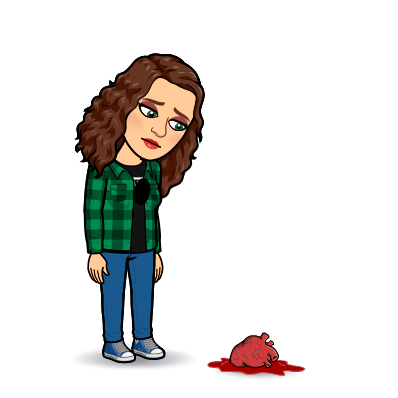
This week I’d like to focus on the impact of autism on a specific organ of the body- the heart.
People with autism are at an increased risk of developing cardiometabolic diseases such as cardiovascular disease, heart attacks, stroke, diabetes etc. The risk of developing atherosclerotic heart disease in particular (where plaques clog up the blood vessels in the heart causing failure) is an estimated 47% higher in autists. Furthermore, there appears to be a link wherein people born with congenital heart disease (where the heart is not structured properly at birth) are 33% more likely to receive an autism diagnosis in later life.
Fun stuff…
So why autism? Why are there links to heart diseases?
One of the most plausible theories suggests that prolonged activation of the fight or flight response system (autonomic nervous system) in autists in response to stressors may be negatively impacting the heart. We all know that stress is bad, but as I’ve previously discussed, biological stress in autists tends to persist following a stressful situation when compared with their neurotypical peers, damaging the heart over time.
In terms of the link to congenital heart disease, researchers believe that alterations in blood flow to the brain caused by defects in the heart may predispose the brain to injury and developmental delays both in utero and in the postnatal period. These flow changes are thought to cause damage to white matter fibers which act like a train network connecting the brain. As a result, damage to this system could be negatively impacting learning and behaviour.
In addition to the links to heart diseases, alterations in heart systems may also be contributing to autistic symptoms. One theory suggests that alterations in the normal functioning of the fight or flight system may be contributing to a number of autistic behaviours such as meltdowns. Researchers have also noted that autists tend to have lower variability in their heart rate compared with their neurotypical peers. Higher variations in heart rate tend to indicate a more relaxed body where the rest and digest system (parasympathetic nervous system) is more active, but lower variability has been linked to difficulties recognizing emotions and social cues in addition to intellectual issues.
So the heart is seemingly far more connected to autism than we might have realised!
Prolonged periods of stress may indeed damage the heart, but with successful interventions, autists can better navigate life’s stressors. As with all disease risk, just because there is an increased risk, does not mean that it will manifest, but we should all be looking after our hearts- neurotypical and neurodivergents alike. It’s the only one we’ve got 🙂
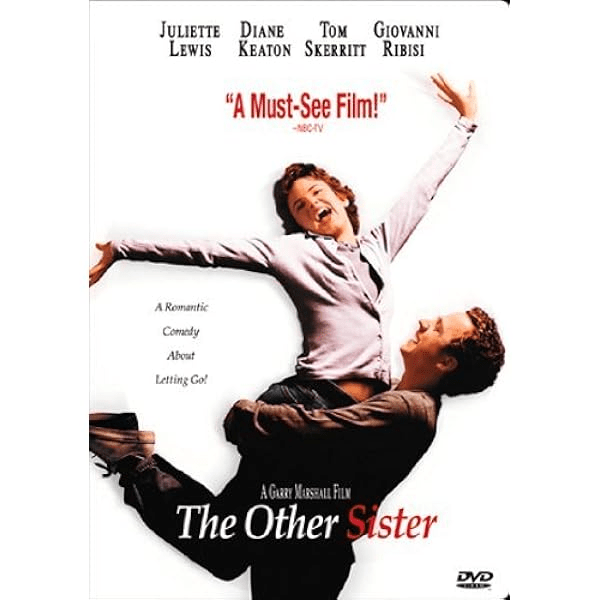
This week I’d like to talk about the depiction of autism in the 1999 romantic comedy film ‘The Other Sister‘, starring Juliette Lewis and Diane Keaton.
Fun fact– Juliette Lewis also appeared in another film featuring an autistic character, ‘What’s Eating Gilbert Grape.’
So what’s the film about?
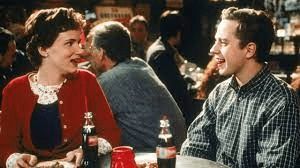
The film centres around mildly mentally disabled Carla Tate who has lived a sheltered life in a private school. Upon graduation, she returns home to her overprotective mother determined to earn a diploma from a local technical university so that she can become a veterinary assistant and establish her independence. Whilst at college, she meets and falls in love with Danny (who is also mentally disabled), and seeing his independent life, she further advocates for her own life and an apartment, much to the chagrin of her oftentimes controlling mother.
As a story, I enjoyed it. It was a wholesome romantic comedy that broke the mould at the time by featuring a mentally disabled couple at it’s core, showing that neurodivergents, despite our differences, want to have ordinary romantic relationships like everyone else. However, the film largely received negative views for the acting (Juliette Lewis was nominated for a Razzie for her performance) and shameless use of disability as a gimmick.
In terms of autism, this was a fairly run of the mill affair, standard stereotypical traits, but unlike the critics I found their depiction fairly inoffensive compared with other more stereotyped examples.
All in all, while not the most relatable depiction of autism when compared with other romantic movies featuring autistic couples (like ‘Mozart and the Whale‘), the film is still worth a watch 🙂
In continuation of my previous post about weighted blankets for autists, this week I’d like to discuss another weighted item- weighted plushies!
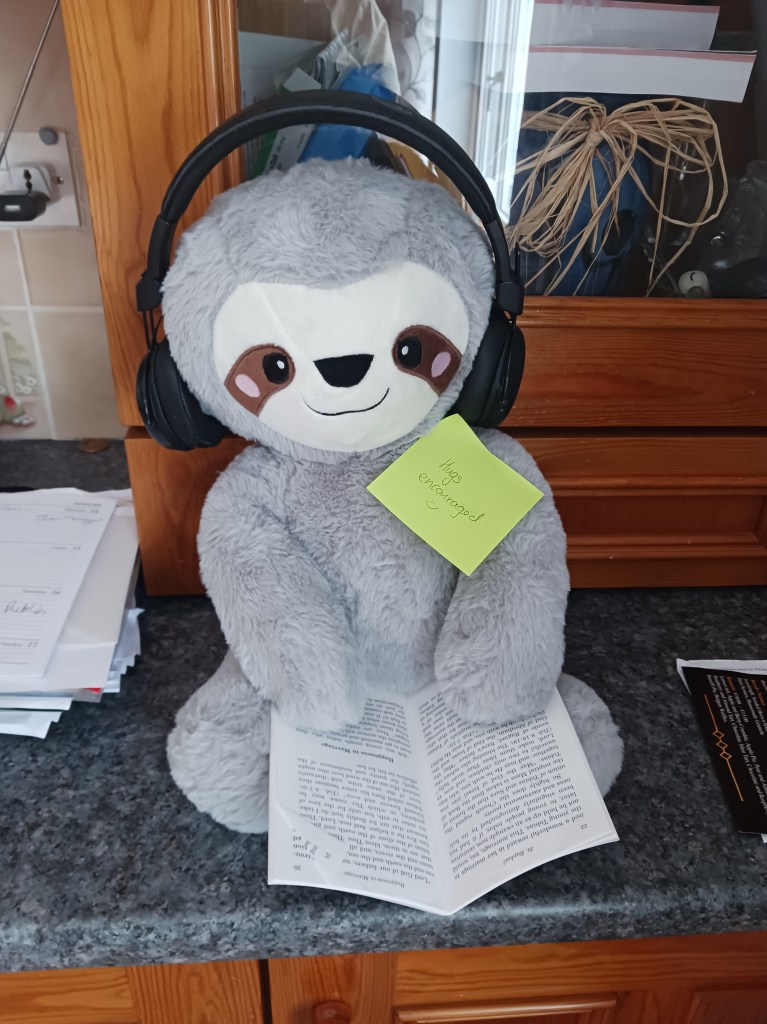
I’ve always had a fondness for soft and cuddly bears (gotta love that texture 😉 ) so when I found out that they made weighted plushies I just had to give it a whirl! I bought Sleepy the Sloth (or as he’s been renamed in our house Séamus the Sloth, which we thought suited him better) on Amazon a couple of weeks ago to see how I fared.
My sister had some fun staging him one night while I was out at a concert 😂
But first things first, what exactly is a weighted plushie?
A similar product to weighted blankets, weighted plushies are filled with beads or pellets instead of conventional stuffing to exert calming deep pressure to the skin to mimic the effect of a hug. Weighted plushies are usually much lighter than weighted blankets (Séamus is 1.5kg and my current blanket is 7kg) so they are a much more portable option when on the go with a child with autism. There are also heatable versions that you can put in the microwave so you have the double whammy of soothing weight and heat. Disney have even launched a line of weighted plushies so your favourite characters can be used for sensory relief! 😀
So how does it work?
Like weighted blankets, research is limited but they seem to work through the same mechanism. As I’ve discussed previously, autists have higher levels of stimulatory neurotransmitters and lower levels of calming neurotransmitters, meaning that our brains are more “switched on” and harder to turn off than most. The deep pressure exerted by the plushie is designed to stimulate the release of the calming neurotransmitters serotonin (which helps regulate the sleep cycle and temperature) and dopamine to relax and soothe the racing mind. It’s also thought that deep pressure can stimulate the limbic system, the emotional centre of the brain, which could potentially help calm you down during a meltdown.
So how did I get on?
Aside from all the fun we’ve had playing with Séamus, he really provides a lovely sensory experience. It’s reminiscent of having a sleeping puppy on your chest when you drape him round your neck, (minus the warmth, wriggling and gentle snuffling sounds). You get that same sense of calm wash over you like with the weighted blanket, so it’s great for when you’re sitting watching TV or travelling and need something less cumbersome. However, a plushie does not cover the entire body, so it doesn’t quite have that same fully enveloping sense of relaxation that comes from being completely covered by a weighted blanket.
All in all I would highly recommend giving a weighted plushie a try, but they can be a little pricey, so if you’re buying it for a child be sure to involve them in the decision in case they don’t like the animal/character you intend buying.
As it’s been a few years since my first post about celebrities with autism, I’ve decided to write a follow up post to discuss some other celebrities who have since discussed their experiences of autism.
Sia
Australian pop star Sia recently divulged that she was on the spectrum, 2 years after her film ‘Music‘ received backlash for it’s depiction of autism and casting of neurotypical Maddie Ziegler as a nonverbal autist. She did not admit to being on the spectrum at the time, but said that the film was based on the experiences of a neurodivergent friend (I must check out this film for a future post).
Sia has said of her diagnosis:
“For 45 years, I was like, ‘I’ve got to go put my human suit on’, and only in the last two years have I become fully, fully myself.”
SirAnthony Hopkins
Two-time Oscar winning Welsh actor Sir Anthony Hopkins was diagnosed with Asperger’s syndrome in 2014 when he was in his late 70s! The actor is quite dismissive of his autism status, calling neurodiversity a “fancy label” and says that he doesn’t feel very different after the diagnosis. He has said that autism impacts his ability to socially interact, but it also makes him quite focused which helps him in his acting career:
“I definitely look at people differently. I like to deconstruct, to pull a character apart, to work out what makes them tick and my view will not be the same as everyone else. I get offered a lot of controlling parts, maybe because that’s how people see me. And maybe I am very controlled because I’ve had to be. I don’t question it, I just take the parts because I’m an actor and that’s what I do.”
Elon Musk
Eccentric billionaire businessman Elon Musk has openly talked about his Aspergers diagnosis and how he was bullied as a child for being different, often struggling with social cues and literal thinking. His diagnosis has never held him back however, as he is now one of the wealthiest men in the world, and even became the first autistic host of Saturday Night Live (or at least the first person to admit it!). He often credits his brain as the driving force behind his success as his intense focus fuelled his specialist interest in science and technology, often spending entire nights happily programming on his computer.
Here’s a video of him talking about his experiences of autism:
Hannah Gadsby
Australian comedian Hannah Gadsby was diagnosed with autism in her late 20’s after a lifetime of struggling to fit in. She openly talks about her diagnosis in her comedy- a great way to both educate and help people see the lighter side of the spectrum. Here’s a clip from one of her Netflix specials:
Prison Break (remember that show? There’s a throwback!) and Legends of Tomorrow actor Wentworth Miller was diagnosed with autism during the pandemic in 2020 in his late 40s. He announced his diagnosis in 2021 on Instagram, telling the world of his struggles to get a formal diagnosis and how he is slowly educating himself on the world of autism.
Of his diagnosis Miller said:
“This isn’t something I’d change … immediately being autistic is central to who I am. To everything I’ve achieved/articulated.”
Dan Harmon
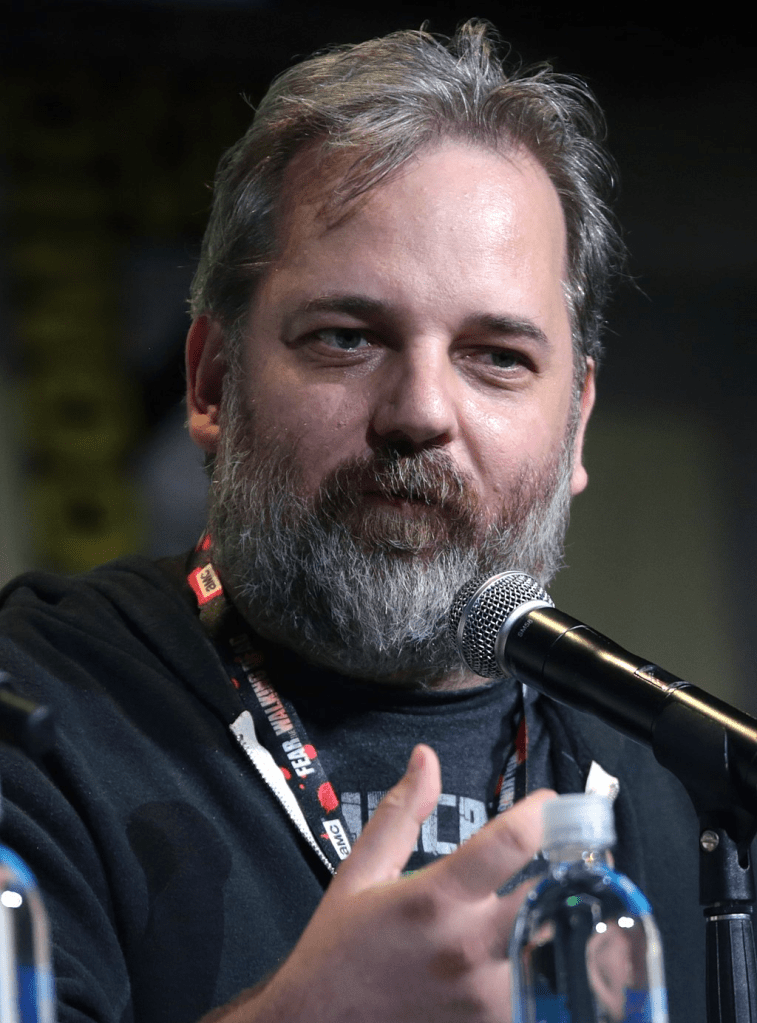
Writer and creator of shows like Community and Rick and Morty, Dan Harmon has self-diagnosed himself with Aspergers syndrome. When creating the character of Abed in Community and researching his character traits, Dan began to realise that he may be on the spectrum himself.
You can hear him discuss his experiences in an interview here:
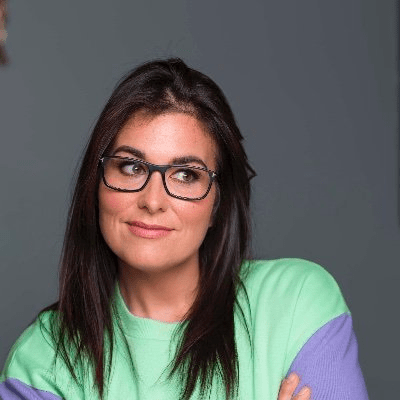
Melanie Sykes
UK TV presenter and former model Melanie Sykes was diagnosed with autism in 2021 in her early 50s.
“I cannot begin to tell you the sense of relief this is for me and how much I celebrate this diagnosis.I now have a deeper understanding of myself, my life and the things I have endured.”
“I am wired a completely different way and I’m only just understanding it. Where I used to think ‘what’s wrong with me?’ now I know it’s everything that’s right with me.”
You can read more about her experiences in her book Illuminated: Autism & All The Things I’ve Left Unsaid and in the interview below:
Stephanie Preissner
Irish author and screenwriter Stephanie Preissner was diagnosed with autism in 2021 at the age of 34. She had always suspected that something was wrong, but never thought she might be autistic as the male experience fed to us in the media did not match her experiences (been there!). She had always done well in school with it’s structures and routines, but her mental health started to suffer in college as expectations were less clear. You can listen to a short interview with Stephanie about her experiences here:
BlindboyBoatclub
Now most of my international readers will not have heard of Blindboy Boatclub (one half of the Irish comedy hip hop duo The Rubberbandits) but his autism story is an interesting one. But before I get into it, for those of you wondering about his bizarre appearance, the podcaster, author and TV presenter famously wears plastic shopping bags on his face to conceal his identity 🤣. Blindboy was diagnosed with autism in his 30s following comments on his podcast from his neurodivergent listeners who remarked on how many of his worldviews aligned with their experiences of autism. Without his podcast, who knows if he would ever have been diagnosed! You can listen to his podcast talking about his diagnosis here: https://podcasts.apple.com/ie/podcast/intrapersonally-speaking/id1300577518?i=1000557413083
Just so my international readers can get an understanding of The Rubberbandits, here’s a video of their most popular parody from the peak of their fame:
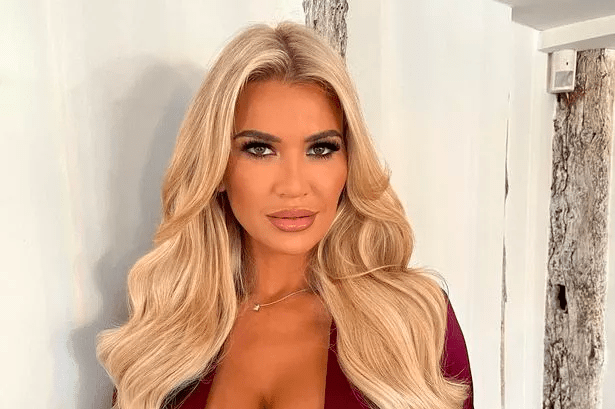
Christine McGuinness
British model and TV personality Christine McGuinness was diagnosed with autism at the age of 33 having struggled throughout her teenage years, allowing her to finally understand why she is the way she is. Her 3 children are also autistic. She now advocates for greater visibility for women on the spectrum which you can see. in the video below:
Eminem
Chart topping rapper Eminem may also be on the spectrum. He has not openly discussed a formal diagnosis, but he has mentioned having Asperger’s syndrome in a couple of his songs which are famously influenced by his real life. He talks about Asperger’s in the opening lines of his 2013 song ‘Wicked Ways‘:
In interviews Eminem has talked about being very shy and awkward as a kid, often feigning illness to skip school so that he could stay home reading, writing poetry and drawing comic book characters.
It has also been suggested (but no confirmed diagnosis) that Vladamir Putin, Donald Trump, Lionel Messi and Bob Dylan also seem to demonstrate a number of autistic traits. Following the release of Christopher Nolan’s gripping biopic Oppenheimer, there has also been a lot of renewed speculation that the renowned physicist Robert Oppenheimer may also have been on the spectrum.
This week I’d like to discuss the topic of diabetes and how it can be linked to autism.
But before we get into that, what is diabetes?
In the body, the hormone insulin is produced by our friend the pancreas (in the image above) to control the absorption of sugar into our cells. Diabetes mellitus is a condition where blood sugar levels are uncontrolled due to insufficient insulin production. Elevated blood sugar levels (hyperglycemia) can cause a range of health issues such as nerve damage in the hands and feet (peripheral neuropathy), permanent damage to eyesight (diabetic retinopathy) and life threatening ketoacidosis (where substances called ketones build up in the body making blood more acidic).
There are a few different types of diabetes:
Type 1 or insulin dependent diabetes– this occurs when the pancreas ceases to produce insulin (caused by the immune system attacking insulin producing β cells) leading to high blood sugar levels. Replacement insulin must be injected to keep blood sugar levels stable.
Type 2 diabetes– occurs when the body develops insulin resistance so insulin is no longer able to control blood sugar levels. It usually occurs in adulthood as a result of poor diet, obesity and lack of physical exercise
Gestational diabetes– this type of diabetes occurs during pregnancy in women who have never previously had diabetes. It usually goes away following birth of the baby, but does increase your risk for type 2 diabetes in later life
That’s great Aoife, but what has all this got to do with autism?
Research suggests that idividuals with autism may have a 57% higher risk of developing diabetes compared with their neurotypical peers; specifically the risk is roughly 64% higher for type 1 diabetes, and a whopping 146% higher for type 2 diabetes!
So why are autists more susceptible?
In the case of type 1 diabetes, as I’ve previously discussed, autists tend to have an overactive immune system (likely due to genetic mutation) which could be damaging the pancreas preventing insulin production. Research has also found that type 1 diabetic mothers are at a higher risk for giving birth to an autistic child as it’s thought that autoimmune diseases like type 1 diabetes produce antibodies that can attack the developing brain in the womb. Similarly, gestational diabetes has been linked to a slightly increased risk in the development of autism and ADHD due to exposure to high blood glucose levels in utero.
The massive type 2 link on the other hand has a lot more to do with lifestyle. Sensory processing issues relating to food can lead to quite a restrictive diet. This diet is often high in sugar which may lead to type 2 diabetes in adulthood. Some autists with ADHD also have impulsive issues with over-eating for sensory stimulation, while others struggle with insatiable hunger (polyphagia), especially those with co-morbid Prader–Willi syndrome. Physical limitations due to co-morbid issues like of dyspraxia can also reduce and limit physical activity increasing the risk for diabetes. In addition, some studies have found genetic links to autism and weight gain which further compound this risk.
As with all things in life, just because there is an increased risk does not mean that the disease will manifest, but it’s useful to be aware of the risk nonetheless.
This week I’d like to talk about an autistic character in the ABC sitcom ‘Not Dead Yet‘ starring Gina Rodriguez of ‘Jane the Virgin‘ fame.
So what’s the series about?
In a nutshell, Nell is an out of work journalist trying to get back in the game after leaving her job 5 years ago to move to London with her then boyfriend. She returns to the States with her tail between her legs, taking a job writing obituaries for her former employers. Things start to get interesting however, when Nell starts to see the ghosts of her subjects!
You can check out a trailer for the series here:
So back to autism.
Nell’s room mate Edward is on the autistic spectrum, played by autistic actor Rick Glassman. A nerdy, brutally honest, passionate environmental lawyer, Edward needs strict routines like the majority of autists, but for the most part he is a “normal” functioning member of society.
You can see a clip here where he opens up to Nell about his diagnosis here:
One of the interesting things about the character of Edward is that the casting director sent out a casting call for neurodivergent or autistic actors. The character wasn’t necessarily written as autistic, but they were open to making Edward autistic as they wanted to get extra ideas of people who aren’t normally represented- a very positive move for the entertainment industry. The writers also hired autism consultant David Finch to ensure that they were accurately depicting the day to day nuances of living as an autistic adult, something that really comes across in the series.
The show is quite refreshing as Edward is used as comic relief but not in the way you would expect. So often the autist is the butt of the joke in comedic TV shows, but in ‘Not Dead Yet‘, Edward flips the script and makes fun of everyone else with his neurodivergent asides and unfiltered comments. One of the things that I really connected with however was how the writers handled masking. When Edward’s girlfriend is in town, he takes on a completely different persona. He hides his nerdy toys, pretends to be spontaneous and nonchalant- the complete antithesis of the Edward we had seen thus far. Thankfully, Nell, despite preferring many of his false traits, encourages him to drop his mask and be himself which you can see in the clip below:
It’s really heartening to see this scene as so often autists are encouraged to mask to fit in, often at the loss of self. I spent much of my teenage years masking, often suppressing my true interests and quirks to fit in with my peer group. I feigned interest in girly things like pop bands and trashy TV shows just to have things to talk about, when what I really wanted was to talk gaming and rock n’ roll! It was only after I went to college and began to embrace my quirks and just be me that I made true friends like Edward has in Nell.
I highly recommend watching this series (it’s currently available on Disney +) as it’s a quirky easy watch with a lot of heart.
This week I’d like to talk about a rarely discussed topic when it comes to autism- contraception!
When it comes to autism, the narrative doesn’t tend to discuss sex and relationships due to the archaic perceived notion that most of us are asexual.
Newsflash- autistic people have sex! As such, it’s important to discuss the topic of contraception.
The use of contraception is entirely individual, but for autists there may be additional sensory issues that may influence their decisions. Texture and smell may be issues for latex products, contraceptive patches may aggravate skin sensitivities, and contraceptive injections and implants may freak an autist out (don’t get me started on how much I shudder every time a friend has shown me the contraceptive bar in their arm!😖).
Hormonal contraceptives on the other hand may negatively impact an autists mental state and behaviours. There are no studies on the impact that hormonal contraceptives may have on autists, but as discussed in my previous posts about the impact of hormonal fluctuations during puberty, menopause and menstruation, it’s quite likely that behaviours and mental health could be impacted by their use. I’ve seen many neurotypical friends get knocked about by hormonal contraception, so I can only imagine how much worse these side effects could be for an autist. Some autists have reported that their anxiety issues increased significantly when on certain contraceptive drugs, finding that their panic attacks completely disappeared after switching to a different drug. In contrast, others have found that taking oral contraceptives has improved their mental health as it has made sensory issues and pain around their periods easier to manage, particularly contraceptives that prevent periods. Studies have also found that oral contraceptives may be useful to reduce pica behaviours in autists.
Researchers have also made an interesting connection between hormonal contraceptive use and autism rates. In 2014 a hypothesis was proposed that the increase in autism rates over the last 60 years correlates to the increased use of hormonal contraceptives.
Yep- they are suggesting that contraception may contribute to the development of autism!
The hypothesis suggests that hormonal contraception alone would not cause autism, but a ‘double hit’ mechanism of contraceptive exposure in tandem with other environmental and genetic factors may increase the risk. It’s thought that when an egg is exposed to artificial hormones in the ovary it can cause damage to the egg increasing the autism risk. Hormonal contraceptives work by preventing the release of an egg, and as such, the retention of eggs in the ovaries could be exposing them to these hormones for prolonged periods of time with negative consequences. There are multiple studies on how prenatal exposure to testosterone increases autism risk, so it’s not implausible that the same could be said for other hormones. Progestin (artificial progesterone used for contraception) in particular has been linked to the regulation of brain activity and impaired cognitive responses during foetal development, with animal studies showing autism-like behaviour after prenatal exposure to the synthetic hormone. Much research is needed to confirm that the rise in hormonal contraception is indeed contributing to the increase in autism rates, but it’s a very interesting hypothesis!
This week I’d like to talk about something that isn’t normally discussed in relation to autism- headaches and migraines.
Anyone can get headaches or migraines, but it appears that there is a link between autism and their frequency , with one study even suggesting that autistic children are twice as likely to experience migraines when compared with neurotypicals. Further studies are required to confirm comorbidity, but the studies that do exist suggest a lot of overlap.
So have they any idea why there is a link?
One of the most popular theories suggests that issues in sensory processing may make autists more susceptible to headaches and migraines. For both autists and migraine sufferers, differences in sensory processing can impair how the brain registers and modulates responses to sensory stimuli like light and sound which can trigger migraines following a sensory overload. There are a lot of structural changes in the brains of both autists and migraine patients which could further explain this sensitivity.
Research has also reported that autists have altered pain sensitivity which can distort their perception of headaches, so, what might be an ignorable ache in a neurotypical individual may be much more severe for an autist.
Interestingly, there may also be a link between headaches/migraines and our digestive health. The gut is innervated by a network of nerves known as the enteric nervous system, often nicknamed a second brain. Migraines are often co-morbid with gastrointestinal problems where issues in the second brain can influence changes in the main brain via the brain-gut axis. GI issues are frequently co-morbid with autism so this could be the most logical explanation for the link. I know I’ve certainly triggered migraines from eating things that didn’t agree with me, only to have the migraine immediately dissipate the minute my stomach hit the ejector button! 😂
Migraines have also been linked to low levels of serotonin in the brain. As previously discussed, serotonin levels are dysregulated in autists so this could also explain the link. This is particularly interesting as 95% of serotonin production occurs in the gut, so this further indicates a gut related link to headaches and migraines in autism.
Joint hypermobility could also be contributing to headaches. People with connective tissue disorders like Ehlers Danlos syndrome (EDS) frequently experience headaches. Weakness in supporting tissues like collagen can cause instability in the neck and spine which can pinch nerves, interrupting the flow of blood to the brain and triggering headaches and migraines. As joint hypermobility can be co-morbid with autism, this could further explain the link.
As with many aspects of the spectrum, susceptibility to headaches and migraines could also be genetic as there is an overlap in some genes linked to both autism and migraines.
This week I’d like to talk to you about an exciting new book for autistic teenagers- ‘Freya Harte is not a Puzzle‘ by up and coming Irish author Méabh Collins. The book centres on 14 year old Freya Harte who has just received an autism diagnosis and details her experiences as she comes to terms with it.
Having read an article about this book and it’s author Méabh (she and I are the same age and interestingly also diagnosed at the same age!) I was very excited to read it. Finally- a book about a teenage girl with autism written by a fellow autist! Best of all, Freya is coming up through the Irish education system- just the kind of book my teenage self could have related to.
So what did I make of it?
Author Méabh Collins
Quite frankly, I couldn’t put the book down! Freya’s experiences of autism were so similar to my own (apart from the timeline on the diagnosis), I really connected with her. Her literal thinking, the constant battle to fit in with her peers, the struggles to keep the tears at bay, the solace of the confined bathroom stall- it all hit very close to home. One of the things I most liked about the book was how Méabh gave us a genuine insight into the workings of the autistic mind and the issues we can have with twisted logic. For example, Freya struggles with an eating disorder because she read an article about foods for a healthy brain and thought that if she changed her diet drastically, maybe her brain would be more normal. She also gets up really early on a Saturday and takes the Luas into Dublin city to buy a Disney magazine far away from where anyone she may know might catch her buying it so that her peers don’t judge her for her specialist interest. It seems a bit daft when you read it, but these are the kind of logical decisions/conclusions the autistic mind makes- there’s method in the perceived madness!
This book gives great insight into how we work and I would highly recommend it for any teachers, parents or friends who are trying to support a woman through an autism diagnosis. No two autists are the same, but it’s a very good starting point to help you to understand what our minds go through on a day to day basis, how we see the world and rationalize every aspect of our day. Méabh deliberately took the approach of focusing on autism from the inside out. No stereotypical savants, no tricks or exaggerations for dramatic/comedic effect; just a nuanced exploration of the female autistic experience so that the reader can begin to understand how and why we think the way we do.
Understanding goes a long way to helping an autist, so this book is a must read for anyone who knows a woman with autism and would like an insight into the autistic mind.
This week I’d like to discuss a potentially autistic character in the classic 90’s ‘Wayne’s World‘ films- Garth Algar played by Dana Carvey.
In case you’ve never seen Wayne’s World, the films are centred round metal loving best friends Wayne and Garth who have their own comedy public access TV show in Aurora, Illinois, often getting into weird and wacky situations. The duo are perhaps most famous for re-popularizing Queen’s ‘Bohemian Rhapsody’ in the 1990s in this iconic scene:
So where does autism come in?
While autism is never explicitly mentioned and little was relatively known about the condition at the time of filming, many have retrospectively concluded that Garth is quite likely on the autistic spectrum. A shy, awkward and uncoordinated nerd, Garth actively avoids eye contact (except with the camera), doesn’t like touching, often misses social cues and can be very literal in his thinking and resistant to change.
His iconic exchange with Kim Basinger, “So, would you like to have dinner one night? Garth: Oh, I like to have dinner every night“; is a classic Asperger’s moment. He also is very into his specialist interests like electronics and heavy metal, and has a wild imagination like many autists.
Here’s a clip from ‘Wayne’s World 2‘ which really showcases Garth’s awkwardness, mind blindness and literal thinking:
Interestingly, despite not intentionally seeking to depict autism, many autists consider Garth to be a very positive portrayal of the condition. Garth is seen as a little bit quirky, but is fully accepted by his friends. He has a job, a social life, and even manages to bag himself a couple of girlfriends. These are all “normal” positive things, the real lived experience of many of us late diagnosis autists. Too often in media portrayals of autism the characters are depicted as othered and often incapable of living independently, even today, so for films this old to have such a positive approach to neurodivergents is pleasantly refreshing.