Celebrities with Autism Part 3

Greetings Earthlings! 🙂

As neurodivergence is increasing in popularity, more and more celebrities are divulging their autism diagnosis/spectrum suspicions. Leading on from my previous two posts about celebrities with autism, it’s time for part 3 of this series.

David Byrne

The eccentric former front man of new wave band Talking Heads identifies as being on the autistic spectrum (he’s specifically mentioned Asperger’s syndrome). In interviews, David has talked a lot about his social struggles and see’s autism as a superpower that has allowed him to hyperfocus on all of his musical projects. However, David has not been professionally diagnosed.

Fern brady

Scottish comedian Fern Brady has been very open about her autism diagnosis and how stand up comedy has really helped her. She finds it very reassuring having her comedy routine set so that every night she stands up and says the same words to her audience. Outside of comedy she spends a lot of time, like many maskers, rehearsing what she is going to say to people. She recently wrote a book about her experiences and diagnosis journey Strong Female Character. Here’s a clip of Fern talking about the book and her experiences of autism:

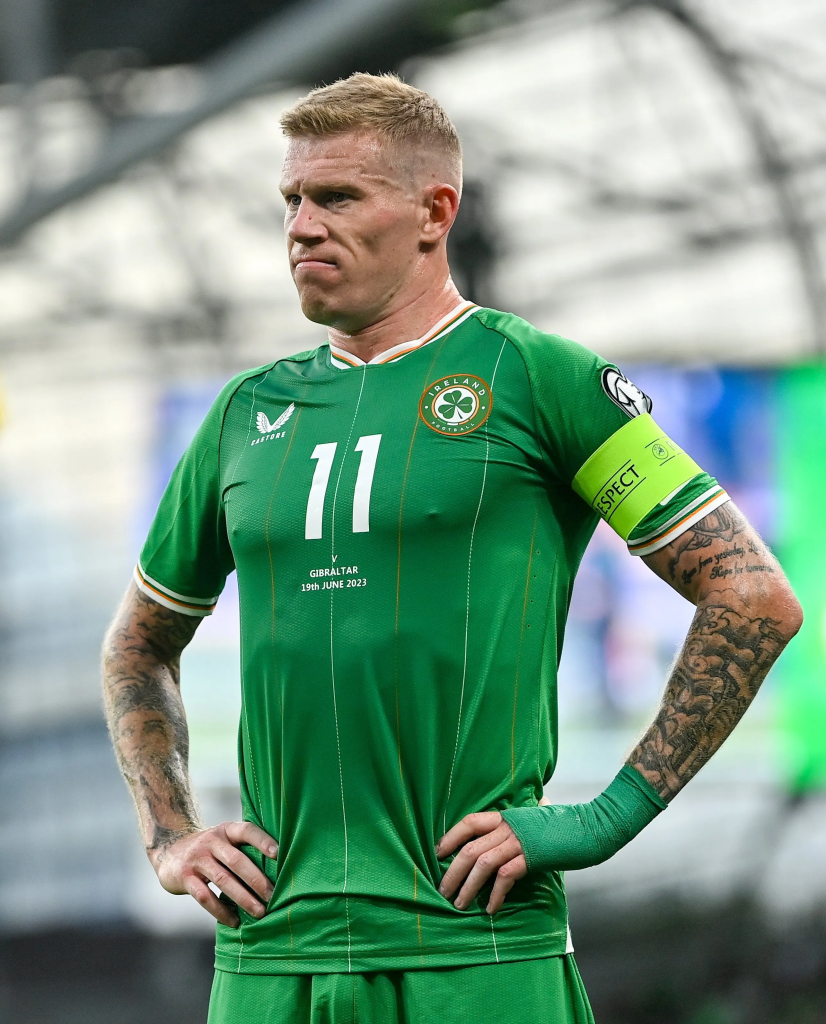
James McClean

Republic of Ireland and Wrexham footballer James McClean, like many adults, discovered he was autistic after his daughter was diagnosed. He noticed similar traits and pursued a diagnosis, going public during autism awareness month 2023 to support his daughter, and attributes his success in football to his specialist interest in the sport.

Sam Thompson

British TV personality Sam Thompson was diagnosed with autism, tic syndrome and ADHD in 2023 as part of a Channel 4 documentary. Sam said: “I’ve always known there was something slightly different about me, but it’s only since I’ve started to ‘adult’ a bit more that I’ve wanted to figure it out, because a lot of symptoms were getting worse.”

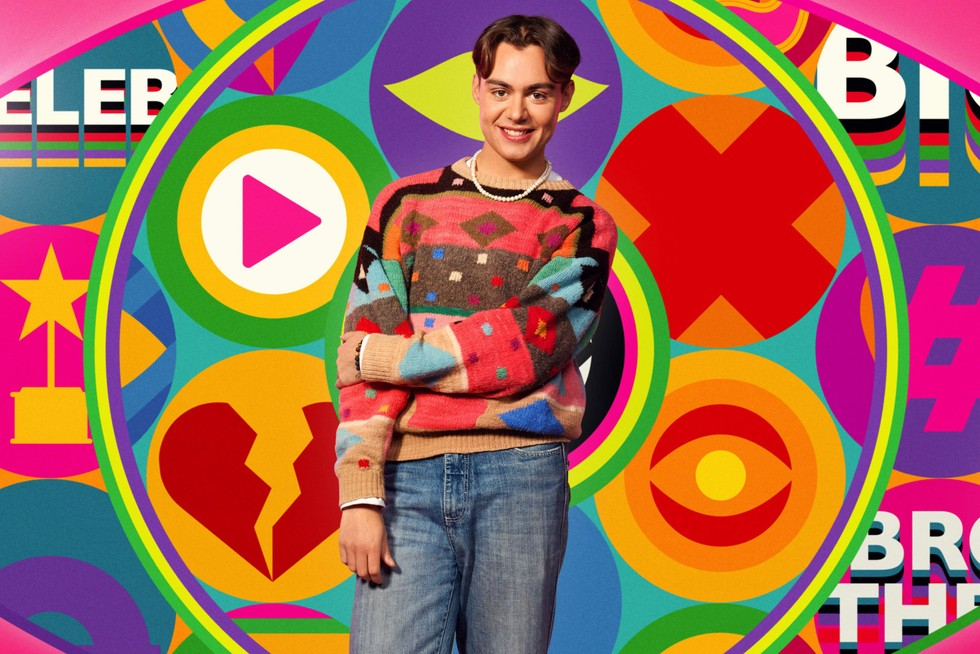
Bradley Riches

Heartstopper actor Bradley was diagnosed with autism at the age of 9 and has written a children’s book called ‘“A” Different Kind Of Superpower‘ to help kids celebrate their neurodivergence. Bradley recently’ opened up about his experiences of autism during his stint on Celebrity Big Brother and how living in the Big Brother House can be challenging, but he is determined to push through with his coping mechanisms to enjoy his time on the show.

Tallulah Willis

This week, daughter of Bruce Willis and Demi Moore, Tallulah Willis revealed that she was diagnosed with autism in 2o23, saying that the diagnosis has changed her life. She made the announcement by sharing a video on Instagram from the red carpet with her father as a child where she is stimming on his ears.

Carrie Grant

British singer, vocal coach and TV presenter Carrie Grant was diagnosed with autism as an adult in 2023 at the age of 58. All of her children are neurodivergent and for many years people had been asking her when she was going to be assessed herself.

Holly Madison

Former Playboy bunny Holly Maddison opened up about her autism diagnosis which she received as an adult in the last couple of years. “The doctor told me that I have high executive functioning, which means I can pretty much go about my life and do things ‘normally,'” Holly said. “I think because I’m more quiet, I’ve only recently learned to make eye contact. I’m often in my own thoughts, things like that, so people take that as offensive. … I’m just not on the same social wavelength as other people but don’t take it personally.”

Kanye West

Supposed texts between US rapper Kanye West and Elon Musk shared online have claimed in recent months that Kanye thinks he has autistic traits after a car crash 20 years ago and that he is not Bipolar after all. Now this is an interesting one as autism is a lifelong condition, not just something that happens after a car crash (not to mention that having autism doesn’t preclude you from having Bipolar as the two conditions are often co-morbid). It’s quite possible that Kanye is indeed on the spectrum as his behaviour can be quite erratic and impulsive (throwback to interrupting Taylor Swift to praise Beyoncé at the VMAs), but this is also consistent with Bipolar on it’s own. Nevertheless, it’s an interesting one to keep an eye out for- perhaps he will seek a formal diagnosis going forward.

Hope you enjoyed this post dear Earthlings!

Have a lovely weekend! 🙂

Aoife

Autism and Allergies

Greetings Earthlings!

Leading on from my previous post about the immune system, this week I’d like to talk about the interesting link between autism and allergies.

I’ve developed a lot of allergies during my lifetime- sticking plaster, grass, common medicines, certain shampoos, perfumes and hand soaps, and according to my blood work, I’m a tiny bit allergic to cow hair😂 Interestingly, I recently found out that there is a link between autism and allergies.

Studies have shown that children with autism tend to have higher levels of IgE and IgG (immunoglobulin E and G)- the antibodies that are produced in response to allergens. Other studies have suggested that autists may be twice as likely to suffer from food allergies and that boys with autism have higher rates of respiratory and skin allergies than their neurotypical peers.

But first things first, what exactly are allergies and what’s happening to your body?

An allergy occurs when the immune system thinks that normally harmless foreign substances are a threat to the body. The immune system then attacks healthy tissues in an attempt to defend the body against that substance, inflaming them and resulting in an allergic reaction. Symptoms can vary but common reactions may include itching, rashes, sneezing, headaches, nausea and swelling. Severe allergic reactions can cause anaphylaxis- a life threatening reaction where the immune system floods the body with chemicals which can cause it to go into shock requiring an Epipen injection.

So why might autists be more prone to allergies?

As previously discussed, the immune system tends to be abnormally activated in autists resulting in higher levels of inflammation and autoimmune diseases, making the body more likely to overreact to a harmless substance. Why the immune system behaves this way remains unclear. As with most autistic co-morbidities, an unknown genetic mutation likely underpins it. Furthermore as I’ve discussed in previous posts, some theories suggest that dietary sensitivities may contribute to autistic symptoms. Given that autists are twice as likely to suffer from food allergies, it’s possible that these could in fact play a role in autism.

Hope you enjoyed this post dear Earthlings!

Have a lovely weekend! 🙂

Aoife

Autism and AI

Greetings Earthlings,

This week I’d like to discuss a bit of a hot button topic at the moment- Artificial intelligence (AI).

Once upon a time, AI used to mean that atrocious Steven Spielberg film, but now AI is creeping into our every day lives. Chat-bots, deepfakes, AI research models, advanced searches and content recommendations- we can’t escape it. The applications are seemingly limitless, with great potential for people with autism.

But first things first, what exactly is AI?

AI is the technology that enables computers and other digital devices to do the things that humans do like read, write, learn, talk, analyze etc. While not human, the combination of human-like abilities and machine thinking can make it a powerful tool to be reckoned with.

So how can we leverage AI when it comes to autism?

Now here’s where things get cool. Robots are being used to help manage autism! Researchers are training robots how to interact with children with autism so that autists can get practice identifying facial expressions and social cues and help them to learn how to respond appropriately. Robots are the ideal companions as they have limitless patience and allow autists to practice their skills in a safe, non-judgmental environment. There are also a number of new AI apps that similarly work to help autists to practice their social skills, with AI technology being used to help move and learn what works best for the autist and help suggest the right kind of calming exercises depending on their mood.

In addition, AI models can be used to study the MRI’s of autists to help us better understand the condition, particularly how neurological changes and autistic traits vary between neurodivergents.

Most recently new AI systems has been developed that can quickly and accurately diagnose autism- one system by measuring how water travels in the brain by analyzing MRI images; and another that detects autism by measuring responses to a flash of light in the eye. This could revolutionize how we diagnose autism, allowing autists to get access to services sooner for better overall outcomes. Other cool AI apps allow parents to upload videos of their child’s behaviours to be analyzed by clinicians for remote diagnosis using AI to help categorize and assess them.

On the other hand, AI is a force that we must be careful with. It has great potential for use, but we need to be careful where we tow the line. This is especially true of Elon Musk’s Neuralink- a computer chip that can be implanted in the human brain, allowing us to control mobile devices through the power of thought. This week saw the first reported successful (though the evidence remains to be seen) implant where the patient has recovered well and is able to control a mouse on a screen with their brain. What was once the stuff of science fiction is rapidly becoming a reality. Aside from these tech applications, Musk claimed in 2019 that Neuralink has untapped medical potential to help “solve” neurological diseases like Parkinson’s, Alzheimer’s, Schizophrenia and…. autism.

Now… this was naturally met with a lot of backlash from autism charities- especially given that Musk has openly discussed how his autism has contributed to his success. Autism is a different way of thinking, it is not something that the majority of autists would like to “solve”. New approaches to help autists navigate life in a neurotypical world yes, but most would not wish to get rid of their autism if given the choice. Would modifying autistic traits through AI really help autists, or could it make things worse by taking away our unique way of thinking?

It’s a very fine line we tread, so we must proceed optimistically with caution when applying AI to autism.

Hope you enjoyed (or were horrified by) this post dear Earthlings!

Have a lovely weekend!

Aoife
Learning and Autism

Greetings Earthlings! 😀

Leading on from my previous posts about autism and memory, IQ, and studying, this week I’d like to talk about the topic of autism and academic learning.

First things first, autism is NOT a learning disability. It’s a neurodevelopmental disorder which impacts how our brain develops and the rate at which it develops having an impact on motor learning, social learning, language learning etc. That being said, ASD‘s can be co-morbid with learning disabilities such as dyslexia, ADHD and dysgraphia.

Everyone’s academic learning journey is unique, especially among autists. Autists can have problems concentrating in classrooms due to sensory sensitivities, issues with social skills can make it harder to interpret teaching cues, and difficulties with executive functioning and information processing can make it hard to process new information.

I’ve always had a passion for academic learning, but even I’ve had my struggles. I struggled hugely with maths in my teenage years. Once letters came into equations I regularly had meltdowns and got overwhelmed when I couldn’t immediately make sense of the topic. One of my most enduring memories of school is throwing my maths book at the wall mid meltdown while doing my homework 🙈

Buuuuuttttt I would usually be able to make sense of the exercises once the meltdown had passed. My teachers unfortunately didn’t understand this (the joys of being undiagnosed) which often made my learning journey challenging. Had I been given the opportunity to work slowly 1:1 with maths, I would have picked topics up a lot quicker.

Everyone’s learning style is different, especially when considering the challenges of autism. There are several different learning styles:

  • Visual learning– where learners take in information better visually through pictures, graphs and mind maps to help make connections
  • Auditory learning– where learners listen to information for optimal processing
  • Verbal learning– using verbal approaches like reading out loud and mnemonic devices
  • Reading/writing learning– classical learning approach by reading and writing
  • Kinesthetic learning– physical learning by doing tasks or needing to move while learning
  • Logical learning– where logic and pattern recognition skills are used to connect concepts
  • Social/Interpersonal learning– where you learn best by observing others, and talking and communicating with a social group
  • Solitary/Intrapersonal learning– where you just need to be by yourself to learn on your own with no distractions

Sometimes a mix of learning styles can be the best approach- I have employed all of these styles at different points in my life, but I would largely fall into the visual and kinesthetic learner categories. Seeing things drawn out and or doing tasks is often the best way for me to process information. For example, I tend to take notes using coloured pens as the visual stimulation from the colours makes it easier to process and retain the information.

There are so many different ways to learn, it’s just a matter of sitting down and figuring out what kind of learning style works for you, or working out a plan to limit classroom issues like sensory challenges that can derail your learning process. Lot’s of apps and supports are available for autists these days that can help make learning a lot easier.

The key thing is to not get discouraged. No two autists are the same and it can take a while to find what learning style works for you. When I took maths and biostatistics in college, the lectures were overwhelming, but once I sat down to a tutorial session where we worked hands on with the sums in an intimate environment, I flew through the work and got excellent marks in my exams. It takes time, but once you find the right approach, learning can be a breeze 😊

Hope you enjoyed this post dear Earthlings! 🙂

Have a lovely weekend!

Aoife
Autism in Abbott Elementary

Greetings Earthlings! 🙂

This week I’d like to discuss a possible autistic character in the award winning mockumentary sitcom Abbott Elementary.

So what is Abbott Elementary about?

Abbott Elementary follows a misfit group of teachers in the fictional primary school Abbott Elementary, a severely underfunded, mismanaged public school in Philadelphia. The teachers try their best to make do with their limited resources, often with hilarious consequences.

If you haven’t seen it yet, here’s a trailer for the show:

Many viewers, myself included, believe that substitute (and later first grade) teacher Gregory Eddie, played by Tyler James Williams, is on the spectrum. While it is never discussed, Gregory displays many subtle autistic traits that add to the humour of the show, normalizing neurodiversity without the drama and labels.

Gregory is a meticulous planner (at one point he planned his entire school year literally down to minutes and seconds), that sometimes borders on OCD. There are times when it seems like he has sensory issues around colour, preferring clean walls in his classroom. He loves rules and structure, and hates anything illogical or unjust. Gregory often struggles to relate to his pupils, but is at ease with his adult colleagues as they are far more predictable than children.

He always wears his feelings on his face, with the documentary camera crew often panning to his sassy side eye to record his disapproving and uncomfortable reactions. You can get a taste of his side eye in these clips:

One episode in particular showcases Gregory’s issues with food which really resonated with me. In the episode, the staff are debating their favourite pizza places. To avoid conflict, Gregory makes up a fake pizza restaurant to throw them off the scent that he doesn’t like pizza as people never understand why. He admits to liking maybe 5 things as you can see in the clip below:

I particularly related to this episode as I often feel a similar need to lie around food related matters, like pretending that I’m not hungry when the food options are not to my tastes. It just get’s too awkward to explain.

All in all, while we cannot be sure that Gregory is autistic, he certainly paints a pretty good portrait of a high functioning autist.

Hope you enjoyed this post dear Earthlings!

Have a lovey weekend!

Aoife

Autism and Relaxed Performances

Greetings Earthlings! 🙂

Happy new year! Hope you all had an enjoyable Christmas holiday! 🙂

This week I’d like to talk about relaxed performances in the theatre and how they can be beneficial to autists.

So what exactly is a relaxed performance?

A relaxed performance is pretty self explanatory- it is a performance in the theatre where the normal rules and etiquette are “relaxed” and the ambiance is adjusted to be more sensory friendly for the audience. Oftentimes the theatre can overwhelm the senses with loud music, strobe lighting and sudden noises (I jumped so high when a prop gun went off during Phantom of the Opera!), which can make it problematic for autists.

But how is it tailored?

Different theatres will offer different experiences, but in general, a relaxed performance focuses on sensory elements such as removing strobe lighting, turning down the stage volume, and brighter house lights. The normal rules of the theatre are relaxed, meaning that the doors are not locked, you can get up and move around if you are getting overwhelmed, and many theatres even provide a designated, quiet chill out space.

As an avid lover of musical theatre, I was naturally eager to attend one, and was delighted to see that the Watergate theatre in nearby Kilkenny was putting on a relaxed performance for their pantomime performance of Aladdin. The theatre had a very detailed plan on their website for the performance to make the show inclusive for all:

  • The auditorium doors were opened 45 minutes ahead of the performance (way earlier than a standard show) to allow the audience extra time to come in and settle down and familiarize themselves with the room
  • Strobe lighting and loud/sudden sound effects were removed, and the overall lighting and sound was adjusted for a more comfortable sensory experience
  • The house lights remained on and low over the audience, who were free to move around as needed
  • Sensory tools and service dogs were also welcome
  • They even provided a detailed preparation journey document outlining the theatre facilities, with multiple pictures to help orient visitors with the theatre to fully prepare an autist for their theatrical experience

So what did I make of it?

For me personally as a high functioning, seasoned theatre goer, it was a bit of a mixed bag. In theory, the concept is amazing, but in practice it’s a lot more difficult. The lighting and sound adjustments were great, the experience was far more relaxed without the likelihood of jumping out of my seat unexpectedly, buuuuutttt these adjustments created another sensory quandary.

So the theatre has it’s rules and etiquette for a reason- to allow everyone to hear the performance un-distracted. But, without these rules, the audience is naturally much louder than a regular performance… In a room full of uninhibited, talkative/echolalic, snacking neurodivergents with lowered stage sounds, the performance becomes difficult to hear. I often missed jokes and lines due to the sound adjustments- and this was with me sitting in the front row beside a speaker. This created a greater sensory issue for me as I was surrounded by distracting noises everywhere, with constant chatter and rustling of snacks. While this was primarily irritating for me, a more sensitive autist could have had a meltdown in this scenario. As the stage sounds were reduced, normal sound reducing earpieces would not have improved the situation.

Granted, in my experience, audiences that have large numbers of children in attendance are much louder, but the stage volumes usually counteract the increased noise threshold. As such if sound is your primary sensory sensitivity, you would be better off attending a regular performance with ear defenders or noise reducing earplugs (I highly recommend these- I tested them out at Rocky Horror Picture Show and I lost no sound quality with the volume reduction).

All in all, while the concept of a relaxed performance is good in theory, it may not be suitable for all autists.

Hope you enjoyed this post dear Earthlings! 😀

Have a lovely weekend!

Aoife
Christmas Greetings 2023

Greetings Earthlings! 🙂

We’ve come to the end of yet another year on this blog, how the time has flown!

I’ve had a busy few weeks so I have been a little quieter than normal lately, but I will be back to my usual schedule in the new year 🙂

As always, I just wanted to take this opportunity to thank all of my readers for their continued support this year. I appreciate each and every one of you that takes the time to stop by to read or leave comments, I see them all.

Hope you and yours have a very merry Christmas, and every blessing for 2024 (that’s scary saying that- next year marks 10 years since my diagnosis! :O

See you in 2024!

Aoife

Autism and Sensory Rooms

Greetings Earthlings! 🙂

Continuing on from my last post, this week I’d like to discuss sensory rooms and how they can benefit autists.

As I mentioned in my last post, while trying out the sensory pod on the Carlow campus of South East Technological University (SETU), I also had the pleasure of trying out the campus sensory room for students on the spectrum.

But first things first, what exactly is a sensory room and how can it help autists?

Sensory rooms are designated safe, calming spaces where an autist can retreat when overstimulated. Here they can relax and stim in a room designed to stimulate the senses and regulate emotions. As with sensory pods, sensory rooms are all different, but they may have dimmed LED lighting, water features, light projections, soft furnishings, swings, textured pads, sensory toys, punch bags etc. The concept is surprisingly not a new one, dating back to the 1970’s in the Netherlands where Dutch psychologists wanted to awaken sensory perception in individuals with disabilities through sensory stimulation.

Fun fact– they were originally called ‘snoezelen’, a portmanteau of the dutch word to sniff (snuffelen) and to snooze (doezelen).

Here’s a video discussing how sensory rooms can help neurodivergents in their education:

So how did I find the sensory room?

I booked in for half an hour into the sensory room and found that like the sensory pod, it was incredibly soothing. It was so nice to be able to take some time out on the beanbag in this soundproofed room away from the hustle and bustle of the busy student centre. I wasn’t a big fan of the whirring sound from the water pipe in the room, however, one of the great things about the sensory room was that I had the power to customize my experience. I was handed 2 remotes when I walked in which allowed me to control the lighting, water features, projections etc. so I could tailor the room to my needs- an essential feature given the level of diversity in sensory needs. Like the pod, this facility would have been great to have during my third level education to take time out when assignments and exams were frying my brain.

You can check out a quick Tik Tok of the sensory room I visited here:

While facilities like this are great in an educational setting, you can also create your own sensory room at home to allow yourself or your kids some needed respite during an overload. There is no one size fits all model for sensory rooms. Different autists have different sensory needs, so being able to create your own room with sensory stimuli that specifically calm you is a game changer. Here’s a handy article that gives some tips on how to build your own room https://www.irishtimes.com/life-style/2022/10/15/a-quiet-place-how-to-build-a-sensory-room/.

Hope you enjoyed this post dear Earthlings!

Have a lovely weekend! 🙂

Aoife

Autism and Sensory Pods

Greetings Earthlings! 🙂

This week I’d like to talk about sensory pods and how they can be beneficial for autists!

So first things first, what is a sensory pod?

A sensory pod is an enclosed space designed to be calming and relaxing for autists. Each pod can be different but they are generally soundproofed to reduce outside noise, dimly lit with LED lighting (which has been scientifically linked to behavioural improvements) and may have cushions or a comfortable mat to sit on. Pods may also allow you to adjust the temperature, play white noise, project visuals on the wall, and you can further add in sensory toys, weighted blankets, vests, plushies etc. As autists can struggle with sensory processing and overload, sensory pods are an ideal way to help manage an overwhelming situation. You can see a video about sensory pods here:

I recently booked into the sensory pod on the Carlow campus of South East Technological University (SETU) to give it a try. The university has two sensory pods in the library that neurodivergent students can avail of for time out, or even just a quiet place to study.

So what was my experience like?

I can highly recommend the sensory pod. While it was a bit awkward climbing into it as a fully grown adult in her thirties, once I was lying down in the pod it was so soothing. The room was kitted out with an interactive screen on the wall where you could avail of streaming services like Netflix to take some chill time out from your studies. There was a mirror on the wall with a panel of dials to adjust the lighting to your liking- blue, green, red, white and even no lights. The college even provided a USB mouse and keyboard that students could avail of if using the pod to study. Lying there on the squishy mat, I could easily have fallen asleep with the sounds of the library dulled around me. You would forget that you were in the middle of a busy college campus on a Friday evening!

It’s great to see a sensory facility like this for neurodivergents in an academic institution, I would love to have had something like this to study in back when I was in university (then again, I was only diagnosed as I was leaving third level education 🙃).

I also had the opportunity to try out the sensory room on campus which I will talk about in my next post.

Hope you enjoyed this post dear Earthlings!

Have a lovely weekend! 🙂

Aoife

Autism and Plastic

Greetings Earthlings! 🙂

Soo this week’s topic is a little bit unusual, but no, I assure you I haven’t lost my marbles (this time). In this post, I’m going to be looking at a weird link between autism and plastic!

A recent study has reported that autists eliminate chemical additives found in plastics from the body less efficiently than their neurotypical peers.

So what exactly are these chemical additives?

Bisphenol A (BPA) is a chemical additive used to make rigid plastics and protective coatings so it is often used in drinking containers. As a result, the chemical can leech into our drinks, which may be cause for concern as the health implications are still unclear.

BPA can mimic the effects of the hormone oestrogen which may disrupt the normal activity of the hormone, potentially contributing to cancers. The interactions are however very weak, so it is unlikely to have any lasting effects, especially as researchers have estimated that our current exposure levels to BPA are below the level associated with risk. Regardless, many remain concerned and efforts are being made to reduce our use of BPA in plastics. You may have seen many plastics for infants are marked as BPA-free as some countries have banned the use of BPA in this population as an extra precaution.

Similarly, other additives known as ‘plasticizers’ are added to plastics to make them more flexible. The additive Diethylhexyl Phthalate (DEHP) is the most commonly used plasticizer, widely used in the production of PVC. It can leach into food and drink like BPA which is concerning as it is a known carcinogen (cancer causing chemical) and can have a negative impact on male reproductive health. However, the doses consumed by humans are again not thought to be high enough to pose a risk, but the EU has banned their use in children’s toys, products and cosmetics as a precaution.

So now that we know what they are, back to autism.

As I mentioned at the start, children with autism and ADHD are not able to clear BPA and DEHP as efficiently as their neurotypical peers. Our bodies eliminate toxic substances via a process known as glucurondation, where complex compounds are broken down into smaller water soluble molecules using glucuronic acid so they can easily by eliminated from the body in urine. A recent study found that with BPA in particular, an autists efficiency to remove this chemical is 11% less than neurotypicals, and 17% less in individuals with ADHD. Researchers believe that some autists have genetic mutations that are slowing down the clearance rate making it harder to eliminate BPA from the system.

So what does this really mean?

Decreased efficiency in clearing BPA from the body means that this chemical hangs around longer, increasing exposure rates and the risk of negative health effects. As previous studies have linked BPA exposure to behavioral issues (e.g. hyperactivity, anxiety) and neurological conditions (e.g. Alzheimer’s, MS, Parkinson’s), it’s possible that BPA exposure could contribute to the development of autism.

As always while there is evidence of a link, this is just one study so it’s not worth worrying about just yet. Nevertheless, we should all be conscious of our plastic use and more careful with our disposal processes to preserve both our health and our planet.

Hope you enjoyed this post dear Earthlings!

Have a lovely weekend! 🙂

Aoife

Blog at WordPress.com.

Up ↑