Autism and Rejection Sensitive Dysphoria (RSD)

Greetings Earthlings! 🙂

This week I’d like to talk about another co-morbid condition with autism and ADHD– rejection sensitive dysphoria (RSD).

So what exactly is RSD?

RSD is an intense or overwhelming emotional sensitivity to rejection and criticism (both perceived and real). This can cause intense emotional pain that can be difficult to bear.

Looking back over my childhood, I really struggled with RSD. Whilst I am well versed in the art of rejection now that I’m in my thirties, growing up as an undiagnosed autist did not make for an easy ride. Even the slightest rejections could trigger meltdowns as my brain struggled to process the situation. Something as simple as someone not immediately having time for me, a passing comment in a raised tone, even constructive criticism could set me off. Once at a family event in a hotel I had a bad meltdown because my uncle was short with me for requesting a different flavour of ice-cream to the one that I had been given. Cue me hiding out in the toilets followed by 3 hours doodling in the back of the car instead of joining the party from my RSD over-reaction (I was 13 by the way! 🙈). I can’t even blame sensory issues for that over-reaction, I just didn’t feel like eating raspberry ripple that day! 😂

So is there any scientific reason for RSD?

RSD, like maladaptive daydreaming, is not a clinical diagnosis so it’s hard to underpin how it works. There isn’t exactly a scientific way to measure rejection. However, as it has been observed in patients with autism and ADHD, psychologists believe that it is caused by alterations in brain structure in the regions that regulate and process emotions such as the frontal lobe and the amygdala- both regions where structural changes have been linked to autistic symptoms.

As discussed previously, autists often have a warped sense of perception and logic so it can be very easy to misconstrue and over-react to rejection. The tendency towards perfectionism and black and white thinking in particular can make us far more susceptible to such negative reactions. For example, if someone told me that they didn’t like my shoes, even though it’s only one component of my outfit and just a passing comment, my younger self would have spiraled.

Life is often all or nothing for an autist, so if someone rejects one small thing, it may skew our entire perception of ourselves.

You don’t like my shoes = you don’t like me.

The shoes are wrong, I chose the shoes, the shoes are on my body, therefore, I’m wrong. The world is black and white so if I’m wearing the wrong shoes, everything else about me has to be wrong by extension- you’re either wrong or right, you can’t be both.

RSV can be pretty exhausting for an autist, so understanding of our responses to rejection is vital to supporting us. If you’re struggling with RSV, cognitive behavioural therapy (CBT) can help you learn how to better process feelings of rejection, but medication such as ADHD drugs and anti-depressants can be useful for more severe cases.

Hope you enjoyed this post dear earthlings!

Have a lovely weekend! 🙂

Aoife

Autism and the Immune System

Greetings Earthlings! 🙂

This week I’d like to discuss how the immune system can contribute to autism through inflammation and autoimmune diseases.

Really Aoife? I thought the immune system was supposed to protect me from illness and repair the body after injuries?

Yes- ordinarily the immune system functions to protect and heal us from injury and disease, however, dysfunctions in the immune system can cause serious health issues. There are three main categories of immune dysfunction:

  • Immunodeficiency– where one or more parts of the immune system are inactive
  • Autoimmunity– where an overactive immune system is unable to tell the difference between the cells of the body and foreign invaders like bacteria and viruses. This leads to autoimmune disease (such as rheumatoid arthritis) where the immune system attacks healthy cells causing disease
  • Hypersensitivity– similar to autoimmunity where the immune system triggers an undesirable allergic reaction (like asthma and anaphylaxis) which attacks the cells of the body

So how does the immune system relate to autism?

A number have studies have highlighted that abnormal immune system activation could be playing a role in the development of autism. Inflammation is the body’s natural defense against foreign invaders. When the body is under attack from an infection for example, it starts to release pro-inflammatory chemicals called cytokines which triggers inflammation to start the battle. Once the threat has passed, an anti-inflammatory response begins to cool the body back down. This heating/cooling cycle doesn’t always run smoothly for some people leading to persistent inflammation which over time can cause damage to the body. Studies have shown that autists frequently show signs of widespread inflammation, often having high levels of pro-inflammatory chemicals. Postmortem brain samples in particular have shown evidence of enhanced immune activity suggesting that an overactive immune system may be contributing to the autistic brain.

There are also some studies that suggest autists are producing antibodies that attack their own brains- I know I’m my own worst enemy, but that is next level! 😛

Researchers believe that abnormal immune activity during pregnancy in particular could be a contributory factor in autism. Studies have noted that many women that have an autoimmune disease (such as lupus, psoriasis, diabetes etc.) also have a child with autism leading them to this potential link. It’s thought that pregnant women with autoimmune diseases produce antibodies that attack the baby’s brain as the immune system falsely identifies the baby as a foreign invader which can potentially cause autism and ADHD. Moreover, inflammation during pregnancy is also thought to interfere with the development of folds in the brain.

But is there any explanation as to why immune activity is abnormal in autism?

As with most things linked to autism, it’s likely that this activity has a genetic source. A number of the genes that have been linked to autism are also involved with the immune system, so mutations in these genes could explain the correlation.

Hope you enjoyed this post dear Earthlings!

Have a lovely weekend! 🙂

Aoife

Autism & Joint Hypermobility

Greetings Earthlings! 🙂

This week I’d like to discuss another lesser known comorbidity with autism- joint hypermobility.

So what exactly is joint hypermobility?

It’s a pretty self-explanatory condition where joints have a larger range of motion than normal, more commonly referred to as being “double jointed”. The tissue connecting joints is much more stretchy so joints are highly flexible. This is usually caused by weak collagen- the main protein that makes up connective tissues that provide support in the body such as muscles, tendons, ligaments, bone etc.

Lots of people have hypermobile joints, but some may have hypermobility disorders such as Ehlers-Danlos Syndrome (EDS) which negatively effects connective tissues. There are 13 types of EDS, each with different symptoms, but the most common type is hypermobile EDS with symptoms including painful and clicking joints, excessive bruising, digestive issues, unstable joints and thin stretchy skin. 8% of autists are estimated to have EDS, with even more estimated to have other types of hypermobility disorders. As both of these conditions are assessed by different types of doctors, it’s possible the co-occurrence rate is much higher than we realise.

In my own experience, I’ve always known that I was highly flexible, but I’d never considered that this might not be “normal”. My English teacher once looked at me recoiling in horror as I stared back confused and oblivious. Apparently my thumbs were freaking him out as I’m able to bend them backwards- something that I thought everyone was able to do!

Here’s a closer illustration for context:

I haven’t thought much of my joints for years, but recently both my physiotherapist and chiropractor described them as hypermobile. This seemingly has contributed to many injuries over the years- I’m currently dealing with a “wandering kneecap” among other things 😂. Lo and behold, a few weeks later I came across a study linking hypermobility to ASD’s and ADHD!

So how are the conditions linked?

Again, as with most aspects of the spectrum the link remains unclear, however, it does appear to be genetic. Hypermobility disorders are highly hereditary with 20% of mothers experiencing hypermobility reporting that they have an autistic child. A recent study compared the genes known to be related to hypermobility and autism and found that there was a lot of overlap between these genes and the pathways they interact with which likely explains why the two conditions are co-morbid. Immune system dysregulation has also been linked to both conditions, particularly during pregnancy (I will discuss the immune link to autism in more detail in a later post).

So there you have it, lot’s of autists are highly flexible- which is kind of ironic given how inflexible we can be in other areas of our lives 😜🤣

Hope you enjoyed this post dear Earthlings! 🙂

Have a lovely weekend!

Aoife

Autism and Clinical Research/Trials

Greetings Earthlings! 🙂

This week I’d like to discuss a little more unusual- the participation of autists in clinical research and trials.

Now before we get into this post, I’d like to preface things by reiterating my stance from previous posts that autism is not something to be “cured”, but that being said, pharmaceutical interventions can be useful in the treatment of conditions that are co-morbid with autism such as OCD, bipolar disorder, ADHD, GI issues etc., not to mention every day illness, so research participation can be highly beneficial for autists.

So what exactly is clinical research and why do we need it?

In a nutshell, clinical research is a branch of medicine that determines the safety and efficacy of treatments intended for use in humans. It differs from lab based research in that human volunteers are involved to advance our knowledge of health and medicine- most of the studies that I refer to in my posts would be classified under clinical research. Research is split into two branches:

  • Observational studies -where groups are observed/monitored to gather health data
  • Clinical trials/interventional studies– where a treatment/drug is administered to a group of volunteers to assess its safety and efficacy. Depending on the trial phase the volunteers may be healthy or target patients for the drug/treatment

Human studies are the only way to truly determine drug safety and efficacy prior to marketing, so clinical research is essential to the advancement of medicine. Diversity in clinical investigations is particularly important as it allows us to better predict potential patient outcomes after treatment roll out. Historically speaking, trials were not particularly diverse and didn’t always cater to target patients. Many trials were subject to gender bias with males dominating the data- there were even breast and uterine cancer studies conducted exclusively on males! We now understand the importance of enrolling biologically diverse groups, hence autists participation in clinical research could be greatly beneficial.

But clinical research can be daunting for anxious autists, not just at the prospect of poor outcomes and side effects, but there are many barriers that may make participation difficult for an autist. There are often a lot of sensory challenges in the clinical setting with bright fluorescent lights, strong smells from medicines and cleaning products, alarms and noises from medical devices etc. which would need to be addressed by clinical staff when enrolling autists in studies. Co-morbid ADHD can also be an issue as autists may find it difficult to pay attention during visits and may become distracted by their surroundings making it difficult to collect data. Similarly ADHD can also impact patients motivation and interest in the trial which can make it tougher to get them to stick with it. Autists also often have difficulty with taking medicines on a sensory level so non-compliance with any treatment regimes will not generate usable data for investigators.

Many of these barriers can be overcome through environmental modifications, frequent breaks and adequate educational and emotional support during research studies. If clinicians and autism advocates work together to make research more accessible for autists, who knows what good may come in future clinical investigations!

Hope you enjoyed this post dear Earthlings!

Have a lovely weekend! 🙂

Aoife

Autism and Lactate/Lactic Acid

Greetings Earthlings! 🙂

This week I’d like to discuss an interesting biomarker that is elevated in people with autism- lactate.

So what exactly is lactate?

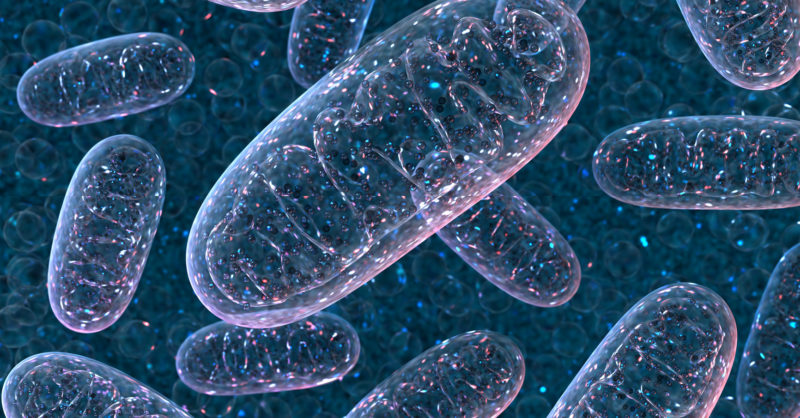
Lactate, also known as lactic acid, is a bi-product of normal energy metabolism in the body. You might have heard of it in relation to exercise as lactic acid builds up in the muscles when oxygen is low leading to that burning sensation we sometimes experience. Normally the body produces energy by breaking down glucose in the mitochondria in our cells using oxygen (aerobic respiration), but when oxygen is low, glucose is broken down without oxygen (anaerobic respiration). This happens separately in the cytosol, the liquid inside of cells, where energy is produced along with the waste product lactic acid.

But what does all this have to do with autism?

Mitochondrial dysfunction is thought to be one of the possible causes of autism spectrum disorders as the nervous system is the most commonly impacted system. Recent studies supporting this theory have shown that lactate levels are elevated in autists which are thought to have an influence on behavioural issues. When mitochondria cannot perform efficiently to produce energy in autism, there are two potential alternatives- the cell may compensate using the anaerobic pathway described above, or by using something called the Warburg effect. The Warburg effect describes when energy is produced outside the mitochondria in the cytosol despite the presence of normal oxygen levels where lactate is produced as a bi-product. Research suggests that the canonical WNT/β-catenin pathway, which is involved in the regulation of the enzymes that control metabolism, is abnormally activated in autism leading to energy production via the Warburg effect. Interestingly, lactate is also elevated in lots of other disorders that can be co-morbid with autism such as bipolar disorder, depression, ADHD and gastrointestinal disorders.

Microscope image of Mitochondria

Who knew that the pesky burn you feel during exercise could have such an influence on our brain chemistry!

Hope you enjoyed this post dear Earthlings!

Have a lovely weekend! 🙂

Aoife

Autism and Seasonal Affective Disorder (SAD)

Greetings Earthlings! 🙂

Leading on from my previous post about autism and mental health, this week I’d like to discuss the issue of Seasonal Affective Disorder (SAD) for autists.

Thankfully, I have never had any issues with SAD personally, however many other autists struggle.

So what exactly is SAD?

SAD, also known as ‘Seasonal’ or ‘Winter’ depression, is a form of depression that is triggered by seasonal changes. Onset is usually triggered in the autumn/winter months, however, it has also been known to occur during the brighter months in rarer cases. Depressive symptoms tend to start out mild and progressively worsen as the days get shorter, beginning to level out and disappear with the return of the spring/summer season. The symptoms are similar to clinical depression, the primary difference being the seasonal nature. For autists who experience SAD, the condition can be compounded by communication difficulties and other co-morbid mental health issues.

But is there a scientific link with autism?

While there is no official link to autism, many autists report issues with SAD. Melatonin, the hormone that regulates sleep, is generally thought to be the main driver of SAD. The release of melatonin is mediated by exposure to light, so lack of sunlight during the winter months can cause the body to produce more melatonin than is needed, causing you to feel sleepy and sluggish. Light therapy is currently the recommended treatment for SAD to better manage melatonin levels. Interestingly, melatonin levels are dysregulated in autists which could explain why they may be more likely to be impacted by seasonal changes in melatonin levels.

Other studies have linked SAD to serotonin as there can be seasonal variations in serotonin levels. In addition, serotonin is at the heart of the chemical imbalance theory of depression and levels are often dysregulated in autists, which could explain why there might be a link. Buuuutttt a lot of these research papers come from the 1990s. In recent years, the chemical imbalance theory of depression has been disproved, which could also negate this theory for SAD.

Hope you enjoyed this post dear Earthlings! 🙂

Have a lovely weekend!

Aoife

Autism and Abuse

Greetings Earthlings! 🙂

Leading on from previous post about bullying and autism, this week I’d like to explore the issue of autism and abuse.

Current research suggests that children with autism may be up to three times as likely to be the target of physical, emotional or sexual abuse than their neurotypical peers. Autistic women are particularly vulnerable as a recent French study estimates that as many as 9 out of 10 autistic women have experienced sexual violence and a further 60% physical violence.

But why are autists more likely to be victims of abuse?

Sadly, the nail that sticks out is the one that gets hammered down. Experts have suggested that stigma is one of the main reasons that autists are such prime targets as we are often stigmatised by negative perceptions of autism due to a lack of education about the condition. As such, autists may be abused for falling short of societal expectations in many aspects of their lives.

In addition, abuse can often go undetected as autists don’t always know how to communicate what’s going on and don’t always understand what constitutes “normal” social behaviours. When you don’t always know what’s “normal”, abusive behaviours can easily become accepted and normalised. Moreover, many of the classic childhood behavioural signs of trauma and PTSD resemble common symptoms of autism, making it even harder to pinpoint if something is wrong.

On the other hand, some studies have also controversially suggested that autists may also be more likely to be offenders as well as the victims of abuse. Unfiltered speech, lashing out verbally or physically during meltdowns, acting on impulse, lack of understanding about romantic behaviours could all lead to inadvertently abusive behaviour.

In my own experience, I once found myself accidentally branded a bully one day in school. A younger student tearfully came into our classroom and fingered me for shoving her into the side of the shed at lunchtime during a game- something that I had absolutely no recollection of (which is saying something as I have a very good memory). I must have accidentally hit into her during the game we were playing, as my spatial awareness is terrible, and never thought anything else of it. Since my diagnosis, I’ve often looked back on my life and wondered would others have considered my behaviours bullying at times? To me, the thought of ever putting anyone through the kind of bullying I endured is sickening, but that’s not to say that some of my unfiltered moments did not cause offence.

So how can we support autists in abusive situations?

This is where things get tricky. Recent reports from the UK claim that there is a serious lack of appropriate services to help autists who may be victims of abuse. Most professionals from psychologists to police do not receive adequate training in how to deal with an autists unique perception of the world. Autists have different sensory needs, different ways of communicating, or may even require you to speak in a different way, so experts need to be flexible.

Based on this, it seems clear that proper education is paramount at all levels. Experts need to be properly educated on how to specifically help autists through their experiences of abuse, taking our neurodiversity into account. Moreover, as prevention is better than cure, we need to properly educate autists about abuse and the different ways it can manifest. This is particularly important when it comes to sexual abuse. There is oftentimes an assumption of asexuality when it comes to autists, but the vast majority of us have normal romantic and sexual desires. As such, there may be a lack of education surrounding this topic which can lead to abuse. Experts say that autistic girls tend to learn about relationships from books and rom coms, whereas autistic boys tend to learn from porn- neither “source” giving true insight into how relationships work in the real world. Proper education surrounding romantic and sexual behaviours is warranted to both guard against vulnerability to abuse and the likelihood of committing an offence.

Hope you enjoyed this post dear Earthlings!

Have a lovely weekend! 🙂

Aoife

Autism in Girl Meets World

Greetings Earthlings! 🙂

This week I’d like to discuss the depiction of autism in the Disney + coming of age comedy series ‘Girl Meets World‘ (the spin-off/sequel to the 90’s classic ‘Boy Meets World‘) in an episode from 2015 that has been doing the rounds on Tik Tok in recent months.

The clip from the series depicts the shows protagonist Riley and her group of friends finding out that their best friend Farkle may be on the autistic spectrum, specifically he may have Asperger’s syndrome. Farkle was recently given an aptitude test that affirmed, what he always knew, that he is a genius. Following additional tests to confirm his IQ, it was decided that he should also be tested for autism as he presents with many traits such as touch aversion, social awkwardness, specialist interests etc. (we won’t get into how they automatically jumped to spectrum from a genius test 🙄).

Now while it’s great that such an important topic is getting airtime on a channel as big as Disney, the clip has been viewed quite negatively by the autistic community. After telling his friends that he may have autism, their reactions are somewhat overdramatic. Riley’s friend Maya automatically jumps off the couch and vehemently proclaims “You don’t!”, while Riley similarly jumps up saying “Let’s go tell them you don’t!” Moreover, Riley and Farkle’s parent’s set quite a serious and sombre tone in the room about his potential diagnosis which doesn’t help the vibe. Although not included in the original viral clip, the gang later study up on Asperger’s and every time that Farkle agrees with a trait and gives an example, Maya grabs him and tells him to “Stop doing that! He’s going to stop doing that!” Needless to say, autists everywhere have been highly offended by the reactions as they are treating autism like a terminal disease! This has even made many afraid to disclose their diagnosis to their friends based on this reaction (although I would argue that this is an overreaction as my friends have been nothing but accepting and supportive when I have disclosed my diagnosis).

The clip has since been edited/removed, but you can watch the episode in full on Disney + (Season 2 Episode 15). Here’s a clip instead introducing us to Farkle:

Ultimately, it turns out that Farkle isn’t on the spectrum, so there was a whole lot of hullabaloo about nothing, BUT it is revealed later on in the episode that Farkle’s female nemesis (and later girlfriend) Smackle was diagnosed with Asperger’s at 5 years old. She like Farkle is also a genius (whhhhyyy must we perpetuate these stereotypes!!!), with an aversion to hugs, difficulty reading social cues and struggles to make friends. Her depiction is very stereotypical Aspergers male and doesn’t tie in with how most women with autism actually present- although it is nice to see another woman on screen where autistic men are the media majority.

The episode ends with everyone accepting Smackle and showing her that none of them in the group identify as “normal” nor aspire to be “normal”, ending everything on a slightly better note of acceptance- something that most of the online chatter didn’t delve into following the disastrous reaction to Farkle’s potential diagnosis.

All in all, this type of representation is not great, but at least the tone does even out by the end of the episode. It’s a very stereotyped depiction and the initial reaction of the gang can be quite triggering for some autists, but I’ve definitely seen way worse handling of this issue. That being said, this episode does come from 2015 and media depictions have come a long way since then, with many shifting to cast autistic actors for accurate on screen portrayals- like the character of Quinni in Heartbreak High. As with history, we should learn from the past and look to examples like this as ‘what not to do’ so that media portrayals going forward will be far more reflective of the real autistic experience.

Hope you enjoyed this post dear Earthlings! 🙂

Have a lovely weekend!

Aoife

Happy New Year 2023!

Greetings Earthlings! 🙂

Happy New Year!! 🥳🥳🥳🥳🥳🥳🥳

Apologies for my late seasonal greetings, but I’d just like to take this opportunity to wish all of my readers every blessing for 2023 🙂

This week marks 6 whole years of my blog (where on earth has the time gone?! :O ) so it’s time for a bit of an appreciation post!

Thank you all so much for your continued support and readership this past year. 2022 saw 73,000 of you guys stop by to read my posts- a new record for this site! I am truly honoured and humbled by your kind words every year about how much this blog means to you guys. I could do none of this without your love and support ❤

Here’s to 2023- there’s lot’s more to come!

Have a lovely weekend dear Earthlings! 🙂

Aoife

Autism and Auditory Processing Disorder (APD)

Greetings Earthlings! 🙂

Leading on from my previous post about autism and sound sensitivity, this week I’d like to take a look at auditory processing disorder or APD.

So what exactly is APD?

APD, also known as central auditory processing disorder (CAPD), is a condition where a person doesn’t fully process the sounds they are hearing. There is generally nothing wrong with your hearing ability, but a neurological issue in interpreting the meaning of that sound. People with APD often struggle to understand spoken instructions, sentences where they’ve missed words, thick accents, words that sound similar, and understanding conversations that place in noisy environments. For example, if someone said the word ‘dog’, you would hear the word perfectly, but might struggle to retrieve the meaning of the word.

So how is APD linked to autism?

APD’s are very common in autists, but the link is unclear. One of the leading theories however is that the hippocampus is immature and underdeveloped in the autistic brain. This part of the brain is responsible for processing auditory and other sensory information, so if the region is not properly developed, autists will struggle to process sensory input like sound. Other research suggests that autists are hearing and processing sound properly, however, they are processing this information at a slower level than their peers due to delayed development of the auditory cortex in the brain.

An interesting behavioural study proposed that autists are actually processing sounds correctly, however, they are choosing to not pay attention to certain sounds or speech due to variations in their attention span.

Some researchers have also linked difficulties in auditory processing to impairment and delays in language development in autism as the ability to process sound efficiently is critical to language formation.

To help autists struggling with APD to better process sound, it’s recommended that you:

  • Try to talk face to face
  • Avoid covering your face when speaking
  • Repeat or rephrase words if they are struggling
  • Reduce background noise in the environment
  • Avoid long and complicated sentences
  • Try not to speak too fast or too slow
  • Use pictures and text for younger autists

Hope you enjoyed this post dear Earthlings!

Have a lovely weekend! 🙂

Aoife

Blog at WordPress.com.

Up ↑