Autism in ‘The Unbreakable Boy’

Greetings Earthlings! 🙂

This week I’d like to take a look at autism in the film ‘The Unbreakable Boy‘ based on the book ‘The Unbreakable Boy: A Father’s Fear, a Son’s Courage, and a Story of Unconditional Love’ by Scott Michael LeRette and Susy Flory.

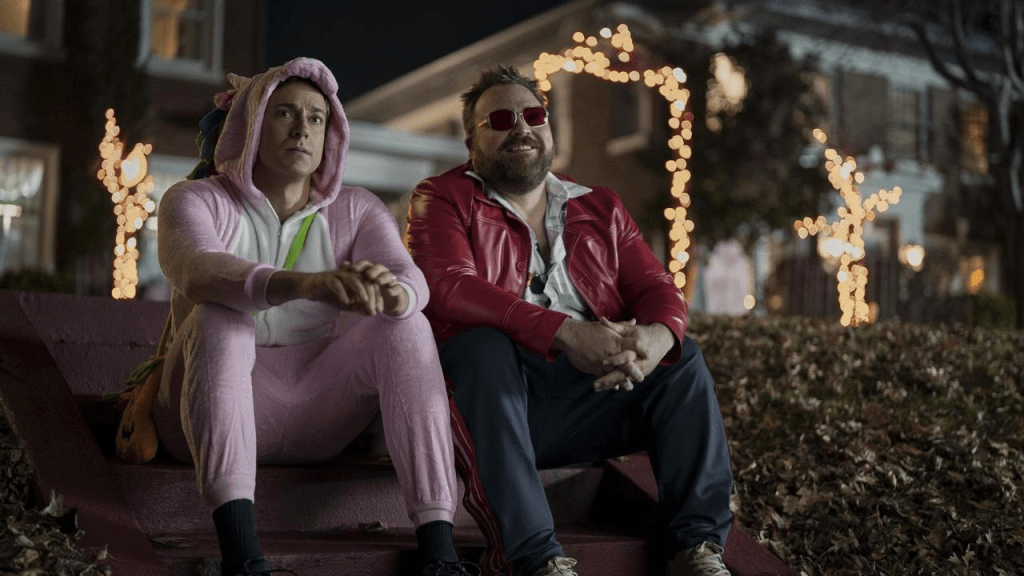
Starring Zachary Levi, the film tells the true story of Scott and Susy’s experiences as first time parents to Austin who has both Osteogenesis imperfecta (brittle bone disease) and autism. The film gives us an honest depiction of the ups and downs of caring for a child with needs like Austin’s and the strain that this can put on the family unit.

You can see a trailer for the film below:

So how did I rate the films depiction of autism?

It’s always interesting to see how Hollywood will handle an adaptation of a true story about an autistic child, but this film did a pretty good job. Keeping with the current trend in autistic representation, Austin is played by autistic actor Jacob Laval (who also happens to have Osteogenesis imperfecta) which always helps to truly translate the autistic experience. In the film, we get to see some of the classic signs of autism we’re used to like lining up toys and counting them, nerdy specialist interests like Star Wars and dinosaurs, violent meltdowns, OCD, food issues and literal thinking. I did get a chortle when Austin is told he was asked to do something 100 times for him to respond that it’s only been 4 times 🤣

However, the film does showcase some lesser known autistic traits like constant talking (which is rare given how often we’re presented with the non-verbal/introverted autist), tendencies towards daydreaming and fantasies, issues with hand-eye coordination, and sensory issues around clothing. In one particular scene, Austin takes off all of his clothes in the bathroom at church- a behaviour that’s common among some autists who struggle with clothing sensitivity.

The real Scott and Austin at the film premiere

On another level, while I don’t know much about the author, Scott’s character in the film certainly shows some higher functioning autistic traits himself, which is often true for parents of autists. Throughout the film, Scott struggles to cope with parenthood and develops issues with substance abuse to get through. There’s also a throwaway comment about money being wasted on Scott’s hobbies and gadgets which could be a subtle indicator of specialist interests. However, a lot of critics have remarked that focusing on Scott’s experiences in the movie tend to sideline Austin who is the primary focus of the book.
Whilst the film was a fairly lackluster affair (it doesn’t quite hit the warm and fuzzy wholesome feels you’d expect from this type of film), the depiction of autism and the strains it places on the family unit are fairly spot on, charting the highs and lows that come from life on the spectrum.

Hope you enjoyed this post dear Earthlings! 🙂

Have a lovely weekend!

Aoife

Autism in Doctor Odyssey

Greetings Earthlings! 🙂

This week I’d like to discuss the recent depiction of an autistic character in the medical drama Doctor Odyssey.

For those who haven’t seen the show yet (not that I’d recommend it, I mainly stuck with it for closure on how the series ended 🫠), Doctor Odyssey follows Max Bankman (played by Dawson’s Creek alum Joshua Jackson) who has just taken a job as the on-board doctor for the luxury cruise ship ‘The Odyssey’. This overhyped drama from producer Ryan Murphy (known for Glee, American Horror Story, Monsters and 9-11) was 90% unrealistic rubbish, BUT it did provide us with a somewhat true depiction of autism.

During episodes 9 and 10 of the first series (which by current reports seems likely to be it’s last 🫠), the ship receives a distress call from a group who’s charter ship sank after a shark attack. Among the rescued is first mate Ray (played by AuDHD actor Liam Johnson), a straight talking, literal thinking, awkward autist who is a little out of sorts on the ship as his routine has been disrupted following the shark attack. Following a rocky start after inadvertently annoying staff on the ship, Ray quickly becomes an asset using his mathematic and marine skills to chart the quickest course to port, in addition to advising the ships captain when The Odyssey is besieged by a pod of orcas (as if the sharks weren’t enough…).

Now while Ray’s onscreen traits and manner are relatively stereotypical (there’s a lot of scenes about sound sensitivity around using sound cannons and fireworks to get rid of the orcas), what was refreshing was how the show chose to depict him as a handsome, stoic, naval character. When men are depicted with autism, they are generally overtly nerdy, skinny, outcasts working in some form of STEM, but here we find a jock-esque first mate confidently navigating the seas, showing us all that with a little support and understanding, autists can do anything they set their mind to.

All in all, while the show is rather far fetched, it does sort of get autism right (though I still wouldn’t recommend watching it- stick with The Pitt and The Good Doctor 😉).

Hope you enjoyed this post dear Earthlings!

Have a lovely weekend!

Aoife

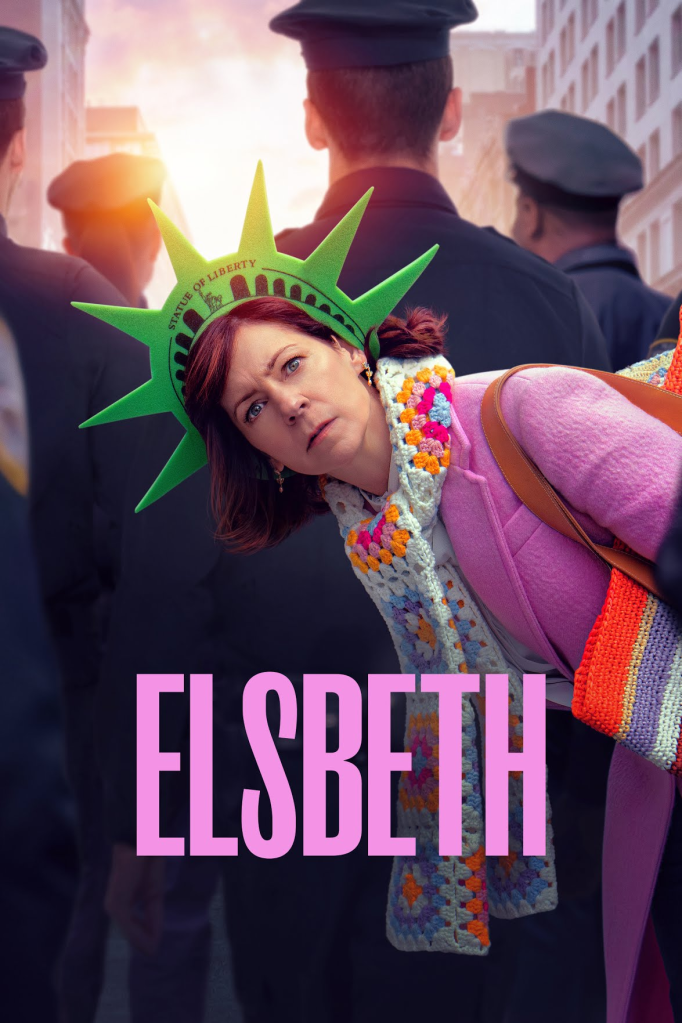
Autism in ‘Elsbeth’

Greetings Earthlings! 🙂

This week I’d like to take a look at the neurodivergent character Elsbeth Tascioni, a character that I have been watching for years, first as a recurring guest on The Good Wife and it’s spin off The Good Fight, and now finally in her own show Elsbeth. Played by Carrie Preston, Elsbeth is a quirky, unconventional lawyer who has been assigned to oversee the NYPD as part of an anti-corruption decree, but quickly finds that she has a knack for solving murders! Unlike conventional crime solving dramas, we see the whodunnit portion at the start of each episode, refreshingly sitting back to watch how Elsbeth is going to catch her killer (spoiler alert- she always does🙃).

So to autism- how does this show fare?

Whilst this is another show that does not directly label their lead as autistic, Elsbeth certainly displays many traits of autism and ADHD, with many autistic fans praising the show for a positive female depiction of neurodivergence and executive dysfunction. She is an endearing, unique and highly eccentric character marching to her own beat at all times, never caring what anyone else thinks. Whilst Elsbeth doesn’t tend to display signs of sensory issues, she is often oblivious to social cues, overstepping boundaries, talking about unusual subjects and regularly making people uncomfortable (I mean she’s trying to catch killers- cages need to be rattled 🤣).

She get’s distracted very easily by shiny objects and other items of interest to her, going off on tangents mid conversation and explanations, floating around in her own little bubble without any notice of how the world perceives her. What I particularly like about Elsbeth is how she notices details that no one else does, a trait which makes her incredibly adept at crime solving. Too often we focus on disability, but this show really drives home the unique skills that neurodivergents can bring to the workplace. Elsbeth’s tendency to get distracted at first appears problematic, but it is this eye for detail that makes her an excellent detective. She’s constantly underestimated by her peers for her quirkiness, but always shows her worth by the end of each episode, proving there is method in her perceived “madness”.

Autistic or not, Elsbeth is a delightful and refreshing take on the crime solving drama genre, and I highly recommend it for anyone seeking a wholesome, easy watch- you will leave with a smile on your face for certain 😀

Hope you enjoyed this post dear Earthlings!

Have a lovely weekend! 🙂

Aoife

Autism in ‘Grey’s Anatomy’

Greetings Earthlings! 🙂

I’ve recently been re-watching clips from medical drama ‘Grey’s Anatomy’ on Facebook, and came across some old episodes featuring a doctor with Asperger’s syndrome. As I watched these episodes prior to my diagnosis (and never made any connection to my own experiences), this week I’d like to take a closer look at Dr. Dixon and the depiction of autism.

For those of you who are unfamiliar, Grey’s Anatomy is the longest running primetime medical drama of all time (entering into it’s 21st season in the coming weeks), following the personal and professional adventures of Dr. Meredith Grey through her surgical internship (and beyond).

In 2008 during it’s 5th season, the show introduced the character of Dr. Virginia Dixon for 3 episodes- a renowned heart surgeon with Asperger’s syndrome. This was perhaps the first on screen depiction of autism I had ever seen, and it’s easy to see why I didn’t connect with the character at the time.

Despite being a woman with autism (which given this was 2008 was quite progressive), Dr. Dixon’s character has been completely panned by the autistic community and branded as difficult to watch. She’s highly stereotyped with a high IQ, monotone voice, no social skills, rule oriented and completely emotionless– a particular pain point for misunderstood autists everywhere. In addition, the stereotyping isn’t even consistent with how most autistic women present as she doesn’t make any attempt to mask her differences whatsoever. A lot of autists were particularly irked by a scene where Dr. Dixon has a complete meltdown after a patient excitedly hugs her. Given that she is a high functioning adult with autism, her response to the incident has been seen as completely over the top given that most of us by this age have adapted coping mechanisms to deal with these sorts of situations.

Here’s a video with some clips of Dr. Dixon in action:

I personally didn’t find issue with the episodes when I initially watched the show, but given what I now know about autism, I would have to agree with the community. While I can appreciate the attempt to raise awareness about the condition, it really wasn’t handled the best. I found it particularly irksome during the meltdown scene, as when a fellow doctor was asked to hug Dr. Dixon to help calm her, she made a quip about giving a thorazine shot instead (a common anti-psychotic medication). Autists aren’t crazy, it’s just a different operating system 😒.

All in all, it will not be taking a spot on my recommendation list. Great show, bad autism.

Hope you enjoyed this post dear Earthlings!

Have a lovely weekend! 🙂

Aoife

Autism in ‘Geek Girl’

Greetings Earthling! 😀

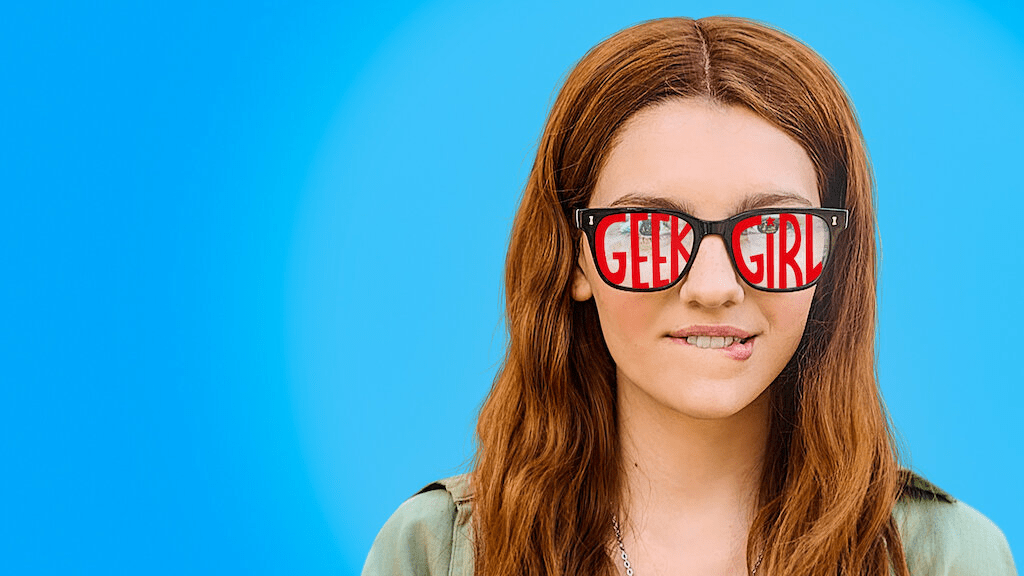
This week I’d like to talk about the new young adult series Geek Girl on Netflix (they’re really on the ball with neurodiversity the last few years!) and it’s accurate depiction of the struggles of an autistic teenage girl.

Based on the Geek Girl books by Holly Smale (which I have purchased and will write about eventually), the series follows awkward “geek” Harriet Manners who’s life completely changes after being scouted by a modelling agency. Mercilessly bullied at school, she sets out on her modelling journey to reinvent herself. You can check out a trailer for the series here:

But you haven’t mentioned anything about autism yet Aoife?

So- the author Holly Smale wrote these books based on her own experiences of being an awkward teen model, BUT Holly was diagnosed with autism at the age of 39 and has retrospectively described Harriet as autistic. As such, it seems that the TV series is planning to incorporate an autism diagnosis down the line, as lead actress Emily Carey is autistic, and there have been many hints to her neurodivergence including a conversation between her agent and her father about seeking a professional and not wanting to label her.

So what did I make of the show?

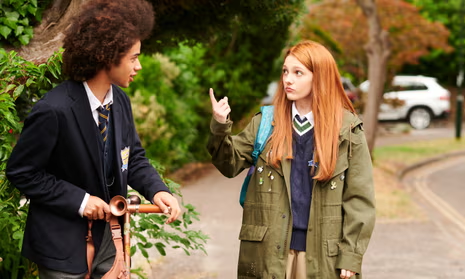
Well I absolutely loved it- a lovely wholesome show with an authentic portrayal of neurodivergence, I was hooked! Harriet’s autistic traits were subtle (as they are for most high functioning autists)- stimming, coordination issues, minor issues reading social cues etc. What really sets the series apart from others though is Harriet’s narration. We get to see her internal monologue, how she thinks and processes, which really helps to give an insight into what we autists go through on the inside (though I will say that my internal monologues speak waaaaaaay faster than Harriet’s 😂). Harriet’s friend Toby is also clearly on the spectrum, albeit he presents far more like the traditional autistic oddball that we often see in media depictions of autism- which while a little stereotypical, really helps to show how different male and female presentations of autism can differ.

One of the other things I found most interesting was how Harriet’s dad also appears to be neurodivergent. He seems to struggle with work, is quite nerdy and eccentric (he drives Harriet to school in his PJs one day) and is described by his wife as very childish. At one point during an online job interview his wife holds up flashcards for him coaching him on what to say, reminding me of how people have tried to guide me in certain social situations. Very often with on screen portrayals of autism we focus on the child or the oddball single adult, we don’t tend to see neurodivergence in the wider family like between parent and child 0r other spectrum siblings. Autism is highly genetic with many parents discovering their neurodivergence after their child is diagnosed, and there can often be multiple autistic children within a family (I once came across a family with 5 sons on the spectrum).

My one criticism, again like Dinosaur, was Harriet’s stereotypical love of dinosaurs and desire to be a paleontologist, buuutttt as a real autist wrote the show, I can’t really argue with lived experience 😜. I’m really starting to wonder- did I miss the autism memo that you need to be obsessed with dinosaurs cause I have never really seen the fascination 🤣🙈 Dogs are much more my vibe!

Interestingly, many critics have branded the show an “inauthentic” representation of autism… to which Holly Smale had the following to say:

“It’s based on books written by me (autistic), about me as a teen (autistic). I wrote all of Harriet for the show (still autistic) and the lead actor is autistic. It’s the DEFINITION of authentic. I think people are so used to seeing inauthentic representation they don’t recognise it when it’s in front of them.”

You can’t get more authentic than that folks! 🤣🙈

All in all I highly recommend this show and look forward to seeing Harriet’s journey in future seasons!

Hope you enjoyed this post dear Earthlings! 🙂

Have a lovely weekend!

Aoife

Autism in ‘Baby Reindeer’?

Greetings Earthlings! 🙂

The new Netflix drama ‘Baby Reindeer‘ has been getting a lot of coverage in the media lately, so this week I’d like to have a quick discussion about it. ‘Baby Reindeer’ tells the gripping, but harrowing, true story of comedian Richard Gadd’s experiences of being stalked by an older woman named Martha (name was changed for privacy) over the course of a 3 year period.

Here’s a trailer for the show to give you a taste:

The world has been gripped by the story with many amateur sleuths digging through the internet to uncover the true identity of the woman that inspired the character of Martha. Their efforts have led us to this week where the supposed real “Martha”, Fiona Harvey, came forward to tell her story on Piers Morgan.

That’s great that you liked the show Aoife, but what has this got to do with autism?

In the show, Martha is clearly depicted as being mentally ill by the sheer intensity of her stalking efforts. Martha sends Richard’s character Donny 41,071 emails, 744 tweets, 46 Facebook messages, letters totaling 106 pages, and 350 hours worth of voicemails. She is completely obsessed, in such a way that it reminded me of how intensely an autist can take their specialist interest.

Fun fact– an autists specialist interest can be a person, not just a topic, especially for women on the spectrum.

Other than her obsessive nature, outbursts of rage, social ineptitude and tendency to ramble on a bit, the character didn’t really display any obvious autistic traits, but there has been speculation online from people that claim to know the real Martha that she has Asperger’s syndrome. In fact, a clinical psychologist recently wrote about the character and mentioned that these types of stalker are often on the spectrum.

If Martha is autistic, this really depicts the more sinister side of the spectrum, a side that is often overlooked in on screen depictions. I know in my own experience, my specialist interests in the past have been intense and compulsive, even at times controlling my behaviour. The kind of behaviour Martha displays in the show really shows what can happen when an autist isn’t properly nurtured and supported. I often shudder at the thought of the kind of person I could have been had I not had my family around me to keep me in check.

We can’t be certain if Martha (or her real life counterpart) is autistic, but if she were, it could certainly explain the characters obsessive behaviour; an explanation, but not an excuse.

Hope you enjoyed this post dear Earthlings!

Have a lovely weekend! 🙂

Aoife

Autism in ‘Friends’?

Greetings Earthlings! 🙂

This week I’d like to take a quick look at some likely spectrum characters in the beloved TV sitcom Friends. Now I know what you’re thinking, autism was never mentioned during the 10 season run (likely due to a lack of general awareness of the condition during the 1990s), but many people have retrospectively noticed some autistic traits in the gang.

For those of you who have been living under a rock (or are so young you have yet to see the show), the TV series follows 6 friends in their 20’s/30’s living in New York, charting their friendship and the hilarious antics they get up to. Here’s a compilation video of the iconic intro across the seasons to give you a flavour of the show:

So let’s get to autism. First up- let’s take a look at Ross Geller (David Schwimmer).

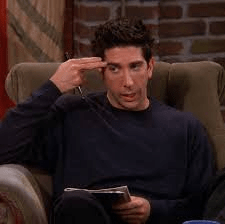
Ross displays many traits of a high functioning autist. He’s a quirky, highly strung palaeontologist (do I smell a stereotype?) who is intensely passionate about science.

He is often socially awkward, misses out on social cues and sarcasm, moves with an unusual gait, and shows signs of sensory issues (he thinks that ice-cream is too cold). Ross is also prone to impulsive decisions, obsessive tendencies, and outbursts of rage that border on meltdown-like behaviour as you can see in the clip below.

Ross’s sister Monica (played by Courtney Cox) on the other hand, while not as overtly quirky as Ross, also displays some traits. Her OCD and control issues are often centre stage in the show with many comedic moments drawing from this. She can be an obsessive overthinker and fiercely competitive, often fixating on certain topics in her pursuit of perfectionism.

Her compulsive overeating in her teen years could also be considered an autistic trait. She may not be quite as neurodivergent as her brother, but she could fall under broader autism phenotype as do many siblings of autists. The iconic dance scene between the brother-sister duo really highlights their quirkiness and possible neurodiversity in their complete blindness at how ridiculous they look.

Finally, let’s take a look at the iconic Phoebe Buffay. Portrayed by Lisa Kudrow, Phoebe is the quintessential outsider displaying many autistic and ADHD traits. Brutally honest and hyperactive, she unashamedly marches to her own beat, completely oblivious to how others perceive her (or her terrible singing). She also flaps her hands an awful lot in the show and has been known to chew her hair in earlier seasons which are signs of stimming behaviour.

Interestingly, neurodivergent individuals tend to stick together in real life (I’ve spoken to many spectrum friends and you tend to subconsciously attract each other 🤣), which could explain why 3 out of the group of 6 display autistic traits. This is perhaps the most realistic aspect of autism that the show unconsciously portrays.

Now obviously we will never know if these characters are on the spectrum, but it’s still nice to see clearly neurodivergent characters marching to the beat of their own drum for us to identify with 🙂

Hope you enjoyed this post dear Earthlings! 🙂

Have a lovely weekend!

Aoife

Autism in Abbott Elementary

Greetings Earthlings! 🙂

This week I’d like to discuss a possible autistic character in the award winning mockumentary sitcom Abbott Elementary.

So what is Abbott Elementary about?

Abbott Elementary follows a misfit group of teachers in the fictional primary school Abbott Elementary, a severely underfunded, mismanaged public school in Philadelphia. The teachers try their best to make do with their limited resources, often with hilarious consequences.

If you haven’t seen it yet, here’s a trailer for the show:

Many viewers, myself included, believe that substitute (and later first grade) teacher Gregory Eddie, played by Tyler James Williams, is on the spectrum. While it is never discussed, Gregory displays many subtle autistic traits that add to the humour of the show, normalizing neurodiversity without the drama and labels.

Gregory is a meticulous planner (at one point he planned his entire school year literally down to minutes and seconds), that sometimes borders on OCD. There are times when it seems like he has sensory issues around colour, preferring clean walls in his classroom. He loves rules and structure, and hates anything illogical or unjust. Gregory often struggles to relate to his pupils, but is at ease with his adult colleagues as they are far more predictable than children.

He always wears his feelings on his face, with the documentary camera crew often panning to his sassy side eye to record his disapproving and uncomfortable reactions. You can get a taste of his side eye in these clips:

One episode in particular showcases Gregory’s issues with food which really resonated with me. In the episode, the staff are debating their favourite pizza places. To avoid conflict, Gregory makes up a fake pizza restaurant to throw them off the scent that he doesn’t like pizza as people never understand why. He admits to liking maybe 5 things as you can see in the clip below:

I particularly related to this episode as I often feel a similar need to lie around food related matters, like pretending that I’m not hungry when the food options are not to my tastes. It just get’s too awkward to explain.

All in all, while we cannot be sure that Gregory is autistic, he certainly paints a pretty good portrait of a high functioning autist.

Hope you enjoyed this post dear Earthlings!

Have a lovey weekend!

Aoife

Autism in ‘Not Dead Yet’

Greetings Earthlings! 🙂

This week I’d like to talk about an autistic character in the ABC sitcom ‘Not Dead Yet‘ starring Gina Rodriguez of ‘Jane the Virgin‘ fame.

So what’s the series about?

In a nutshell, Nell is an out of work journalist trying to get back in the game after leaving her job 5 years ago to move to London with her then boyfriend. She returns to the States with her tail between her legs, taking a job writing obituaries for her former employers. Things start to get interesting however, when Nell starts to see the ghosts of her subjects!

You can check out a trailer for the series here:

So back to autism.

Nell’s room mate Edward is on the autistic spectrum, played by autistic actor Rick Glassman. A nerdy, brutally honest, passionate environmental lawyer, Edward needs strict routines like the majority of autists, but for the most part he is a “normal” functioning member of society.

You can see a clip here where he opens up to Nell about his diagnosis here:

One of the interesting things about the character of Edward is that the casting director sent out a casting call for neurodivergent or autistic actors. The character wasn’t necessarily written as autistic, but they were open to making Edward autistic as they wanted to get extra ideas of people who aren’t normally represented- a very positive move for the entertainment industry. The writers also hired autism consultant David Finch to ensure that they were accurately depicting the day to day nuances of living as an autistic adult, something that really comes across in the series.

The show is quite refreshing as Edward is used as comic relief but not in the way you would expect. So often the autist is the butt of the joke in comedic TV shows, but in ‘Not Dead Yet‘, Edward flips the script and makes fun of everyone else with his neurodivergent asides and unfiltered comments. One of the things that I really connected with however was how the writers handled masking. When Edward’s girlfriend is in town, he takes on a completely different persona. He hides his nerdy toys, pretends to be spontaneous and nonchalant- the complete antithesis of the Edward we had seen thus far. Thankfully, Nell, despite preferring many of his false traits, encourages him to drop his mask and be himself which you can see in the clip below:

It’s really heartening to see this scene as so often autists are encouraged to mask to fit in, often at the loss of self. I spent much of my teenage years masking, often suppressing my true interests and quirks to fit in with my peer group. I feigned interest in girly things like pop bands and trashy TV shows just to have things to talk about, when what I really wanted was to talk gaming and rock n’ roll! It was only after I went to college and began to embrace my quirks and just be me that I made true friends like Edward has in Nell.

I highly recommend watching this series (it’s currently available on Disney +) as it’s a quirky easy watch with a lot of heart.

Hope you enjoyed this post dear Earthlings! 🙂

Have a lovely weekend!

Aoife

Autism in Girl Meets World

Greetings Earthlings! 🙂

This week I’d like to discuss the depiction of autism in the Disney + coming of age comedy series ‘Girl Meets World‘ (the spin-off/sequel to the 90’s classic ‘Boy Meets World‘) in an episode from 2015 that has been doing the rounds on Tik Tok in recent months.

The clip from the series depicts the shows protagonist Riley and her group of friends finding out that their best friend Farkle may be on the autistic spectrum, specifically he may have Asperger’s syndrome. Farkle was recently given an aptitude test that affirmed, what he always knew, that he is a genius. Following additional tests to confirm his IQ, it was decided that he should also be tested for autism as he presents with many traits such as touch aversion, social awkwardness, specialist interests etc. (we won’t get into how they automatically jumped to spectrum from a genius test 🙄).

Now while it’s great that such an important topic is getting airtime on a channel as big as Disney, the clip has been viewed quite negatively by the autistic community. After telling his friends that he may have autism, their reactions are somewhat overdramatic. Riley’s friend Maya automatically jumps off the couch and vehemently proclaims “You don’t!”, while Riley similarly jumps up saying “Let’s go tell them you don’t!” Moreover, Riley and Farkle’s parent’s set quite a serious and sombre tone in the room about his potential diagnosis which doesn’t help the vibe. Although not included in the original viral clip, the gang later study up on Asperger’s and every time that Farkle agrees with a trait and gives an example, Maya grabs him and tells him to “Stop doing that! He’s going to stop doing that!” Needless to say, autists everywhere have been highly offended by the reactions as they are treating autism like a terminal disease! This has even made many afraid to disclose their diagnosis to their friends based on this reaction (although I would argue that this is an overreaction as my friends have been nothing but accepting and supportive when I have disclosed my diagnosis).

The clip has since been edited/removed, but you can watch the episode in full on Disney + (Season 2 Episode 15). Here’s a clip instead introducing us to Farkle:

Ultimately, it turns out that Farkle isn’t on the spectrum, so there was a whole lot of hullabaloo about nothing, BUT it is revealed later on in the episode that Farkle’s female nemesis (and later girlfriend) Smackle was diagnosed with Asperger’s at 5 years old. She like Farkle is also a genius (whhhhyyy must we perpetuate these stereotypes!!!), with an aversion to hugs, difficulty reading social cues and struggles to make friends. Her depiction is very stereotypical Aspergers male and doesn’t tie in with how most women with autism actually present- although it is nice to see another woman on screen where autistic men are the media majority.

The episode ends with everyone accepting Smackle and showing her that none of them in the group identify as “normal” nor aspire to be “normal”, ending everything on a slightly better note of acceptance- something that most of the online chatter didn’t delve into following the disastrous reaction to Farkle’s potential diagnosis.

All in all, this type of representation is not great, but at least the tone does even out by the end of the episode. It’s a very stereotyped depiction and the initial reaction of the gang can be quite triggering for some autists, but I’ve definitely seen way worse handling of this issue. That being said, this episode does come from 2015 and media depictions have come a long way since then, with many shifting to cast autistic actors for accurate on screen portrayals- like the character of Quinni in Heartbreak High. As with history, we should learn from the past and look to examples like this as ‘what not to do’ so that media portrayals going forward will be far more reflective of the real autistic experience.

Hope you enjoyed this post dear Earthlings! 🙂

Have a lovely weekend!

Aoife
Blog at WordPress.com.

Up ↑