Autism in your social circle

Greetings Earthlings!

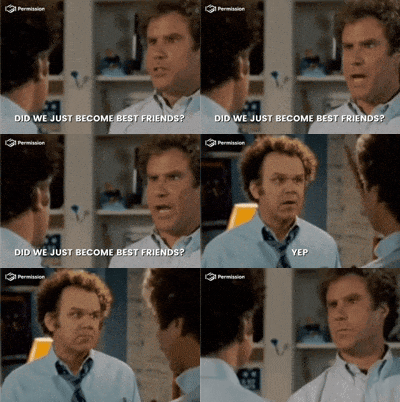
This week I’d like to talk about something that a lot of neurodivergents have observed in their social circle- that lot’s of our friends are also neurodivergent! Prior to my autism diagnosis, I did not have any friends on the spectrum, or so I thought… Over the past 11 years, many of my friends have sought or are currently seeking autism and ADHD assessments. In the last year alone I’ve had four friends seek my advice about getting diagnosed.

During my school years, I didn’t really have a core group of close friends; people just didn’t get me, nor I them. Going to university opened up an entirely new world, widening my social pool and enabling me to meet more likeminded people. I quickly found tribes of friends who were equally quirky with similar interests that I connected with on a level that I couldn’t explain. We would connect within minutes as if we had known each other our whole lives, feeling completely comfortable in each others presence, unknowingly unmasking.

After my diagnosis, I slowly started to notice common autistic traits among my friends. At first I thought it was funny when friends would say the more they listened to me talking about my traits, the more paranoid they became that they had autism, but now I see the grains of truth. I’ve spoken about this with my neurodivergent friends and they have also noticed similar patterns in their social circles.

There isn’t really any research on this topic, but it seems that there is a general pattern of neurospicy birds of a feather flocking together. Autists tend towards sameness and familiarity, so naturally our social preferences also mimic these patterns. Studies have shown that friends tend to have similar brain activity patterns called neural synchrony- so on a biological level, we are designed to seek out minds that are similar to our own. In addition, studies have shown that our noses play an important part in forming friendships as we tend to gravitate towards people with natural scent profiles similar to our own. Given how autists are sensitive to smell, it’s fair to say that perhaps our nose is handpicking neurodivergent friends for us!

Hope you enjoyed this post dear Earthlings!

Have a lovely weekend! 🙂

Aoife

Celebs with autism part 5

Greetings Earthlings! 🙂

As autism diagnoses are very popular at the moment, more and more celebrities are coming out of the autism closet. So this week I’d like to continue on from my previous 4 posts on the subject and let you know about some more autistic celebs:

Talia Mar

British singer and Twitch streamer Talia Mar was diagnosed with autism in her mid twenties after years of suspecting that she was on the spectrum. She began to connect the dots after hearing about the condition as a teenager, subsequently learning to mask her struggles with eye contact and discomfort around hugs as so many autistic women do. She has also been critical of media representations of autism as they tend to focus on the severe end of the spectrum.

You can see a short clip of her discussing her autism assessment here:

Emer Maguire

Northern Irish comic and fellow science communicator Emer Maguire was diagnosed with autism in her 20’s after years of jokes from her friends that she was on the spectrum (they playfully nicknamed her ‘Autismo’). She uses her platform to educate people about autism in fun ways, performing many comedic songs about life with autism.

You can see her giving a talk and singing about her experiences of autism here:

Gregg Wallace

Controversial TV chef and former MasterChef UK host Gregg Wallace recently announced on Instagram that he has been diagnosed with autism (his son was diagnosed in 2022). However, there has been a lot of backlash from the autistic community as his diagnosis is seemingly being used to excuse the allegations of inappropriate behaviour on MasterChef for which he is currently being investigated. Moreover, he is also suing the BBC for discrimination on the grounds of his disability… Let’s move on!

Andy Warhol

While we can’t officially diagnose artist Andy Warhol (as he died in 1987), but many people have retrospectively speculated that he likely had Asperger’s syndrome. I mean, who else but a neurodivergent would famously paint a can of soup?! You can read this article in The Guardian from 1999 where they explored how autism likely influenced his art https://www.theguardian.com/uk/1999/mar/14/vanessathorpe.theobserver

Hormona Lisa

American drag queen and 2025 Ru Paul’s Drag Race contestant Hormona Lisa was diagnosed with autism 7 years ago and opened up about her experiences on Reddit. Hormona said:

“I briefly mentioned this after my elimination, but I want to officially share that I have been diagnosed with autism. I received my diagnosis nearly 7 years ago, and it really helped explain a lot of my life experiences, like never quite fitting in, no matter how much I wanted to, or people not quite understanding me. It can be frustrating at times, especially when I feel like I’m expressing something one way, but others don’t see it the same way. Still, it’s a part of who I am, and I wouldn’t change it!”

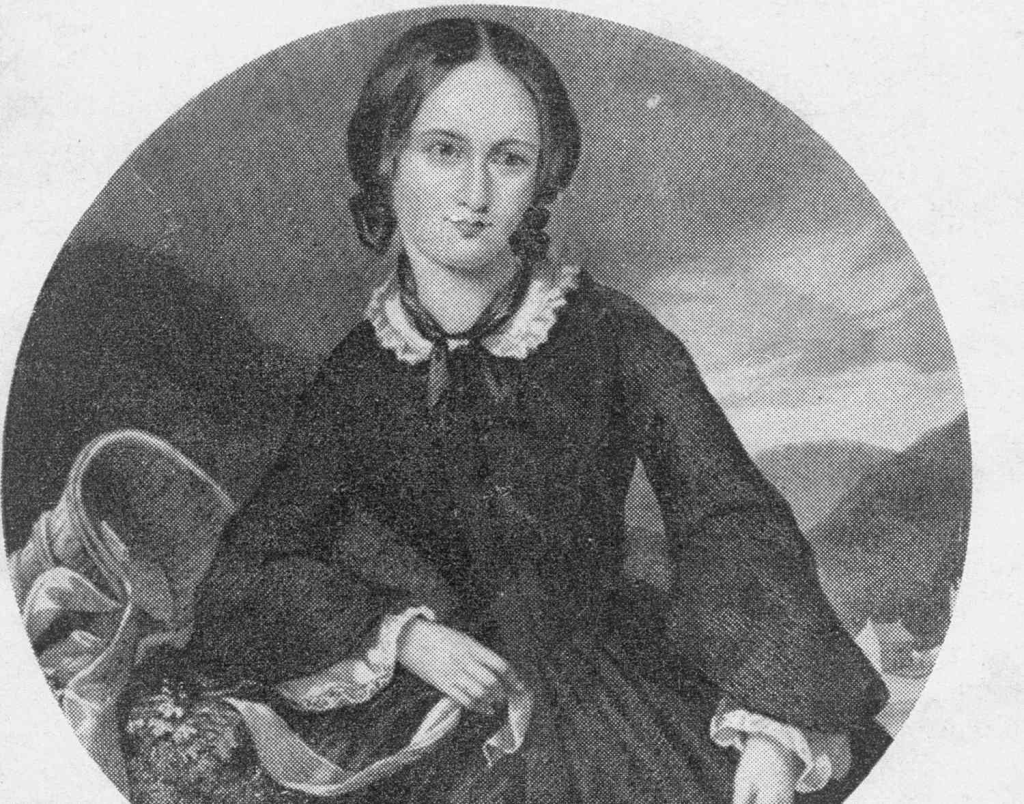
Emily Bronte

Many people have remarked that Wuthering Heights author Emily Bronte may have been autistic. Biographers believe that her genius, tendency towards frustrated, angry outbursts and her discomfort in social situations may indicate that she had Asperger’s syndrome.

Cat Burns

British singer songwriter and recent Celebrity The Traitors contestant Cat Burns was diagnosed with autism in 2023 in her early twenties. Cat has said in interviews that she always felt different to everyone else but didn’t have a name for it, but gradually identified symptoms as she got older. She learned to mask by copying her older sister’s mannerisms and from watching how people were supposed to act in films.

You can see her discussing her autism in the clip below:

Professor Green

English rapper Professor Green (real name Stephen Manderson) was recently diagnosed with autism at the age of 40 after seeking an ADHD assessment. Like many of us, the diagnosis came as a relief, allowing him to better understand his past relationships and experiences when viewed through the lens of autism.

You can watch a quick clip of him talking about his late autism diagnosis in the reel below:

Julia Fox

Actress, model and media personality Julia Fox revealed she was autistic in the comments section of one of her videos. One of her fans commented on how fascinating her random knowledge is to which she replied that it was her autism.

You can see a clip of her discussing her experiences of co-morbid ADHD and OCD here:

Hope you enjoyed this post dear Earthlings!

Have a lovely weekend! 🙂

Aoife

Autism in ‘The Unbreakable Boy’

Greetings Earthlings! 🙂

This week I’d like to take a look at autism in the film ‘The Unbreakable Boy‘ based on the book ‘The Unbreakable Boy: A Father’s Fear, a Son’s Courage, and a Story of Unconditional Love’ by Scott Michael LeRette and Susy Flory.

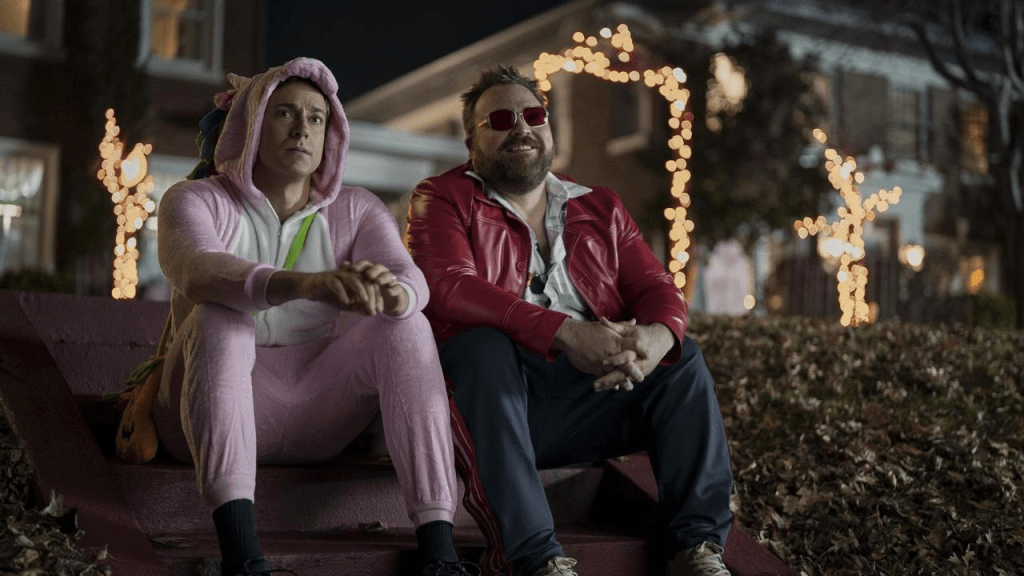
Starring Zachary Levi, the film tells the true story of Scott and Susy’s experiences as first time parents to Austin who has both Osteogenesis imperfecta (brittle bone disease) and autism. The film gives us an honest depiction of the ups and downs of caring for a child with needs like Austin’s and the strain that this can put on the family unit.

You can see a trailer for the film below:

So how did I rate the films depiction of autism?

It’s always interesting to see how Hollywood will handle an adaptation of a true story about an autistic child, but this film did a pretty good job. Keeping with the current trend in autistic representation, Austin is played by autistic actor Jacob Laval (who also happens to have Osteogenesis imperfecta) which always helps to truly translate the autistic experience. In the film, we get to see some of the classic signs of autism we’re used to like lining up toys and counting them, nerdy specialist interests like Star Wars and dinosaurs, violent meltdowns, OCD, food issues and literal thinking. I did get a chortle when Austin is told he was asked to do something 100 times for him to respond that it’s only been 4 times 🤣

However, the film does showcase some lesser known autistic traits like constant talking (which is rare given how often we’re presented with the non-verbal/introverted autist), tendencies towards daydreaming and fantasies, issues with hand-eye coordination, and sensory issues around clothing. In one particular scene, Austin takes off all of his clothes in the bathroom at church- a behaviour that’s common among some autists who struggle with clothing sensitivity.

The real Scott and Austin at the film premiere

On another level, while I don’t know much about the author, Scott’s character in the film certainly shows some higher functioning autistic traits himself, which is often true for parents of autists. Throughout the film, Scott struggles to cope with parenthood and develops issues with substance abuse to get through. There’s also a throwaway comment about money being wasted on Scott’s hobbies and gadgets which could be a subtle indicator of specialist interests. However, a lot of critics have remarked that focusing on Scott’s experiences in the movie tend to sideline Austin who is the primary focus of the book.

Whilst the film was a fairly lackluster affair (it doesn’t quite hit the warm and fuzzy wholesome feels you’d expect from this type of film), the depiction of autism and the strains it places on the family unit are fairly spot on, charting the highs and lows that come from life on the spectrum.

Hope you enjoyed this post dear Earthlings! 🙂

Have a lovely weekend!

Aoife

Google Accessibility Discovery Centre (ADC)

Greetings Earthlings! 🙂

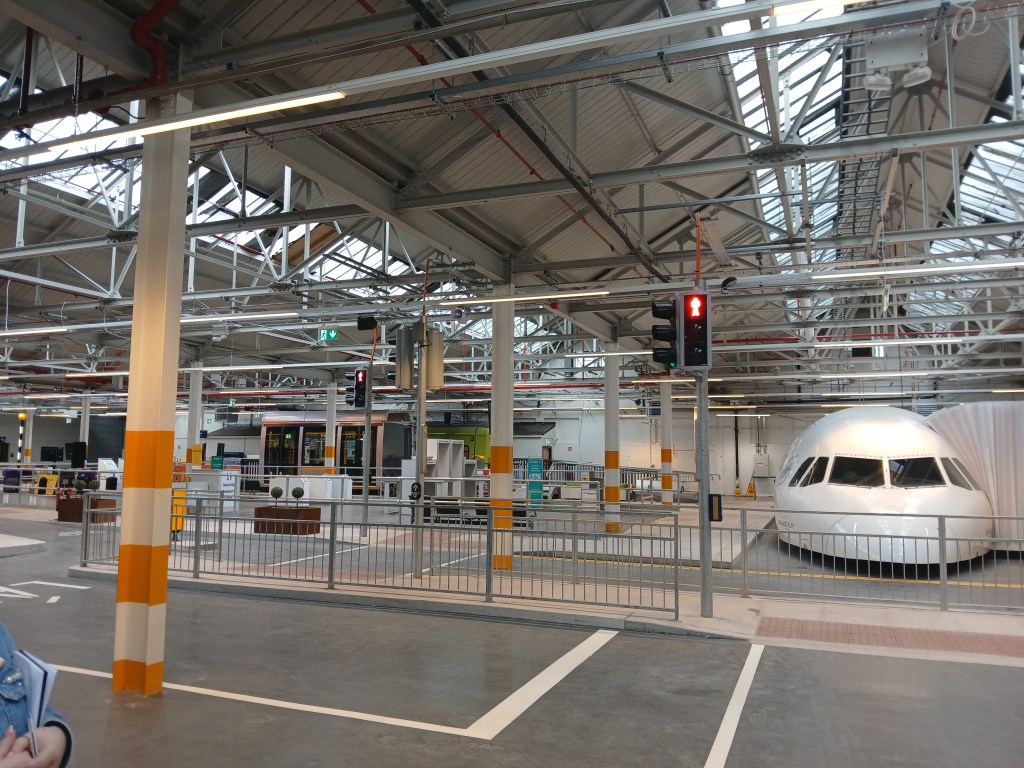
This week I’d like to talk about a recent trip I took to Google’s Accessibility Discovery Centre (ADC) in Dublin- the first of it’s kind in the EU. Now I know you might be wondering what a trip to Google has to do with autism- but bear with me!

So the ADC is a dedicated space where researchers and engineers develop new technologies that can help people with disabilities including those with autism. Not only do they develop new technologies, Google also uses this space to engage more effectively with disability communities to better understand our needs. The space is specifically designed to facilitate different disabilities- it’s wheelchair accessible, the colour scheme was designed to suit different disabilities with muted tones, and the lighting can be easily adjusted for sensitivities.

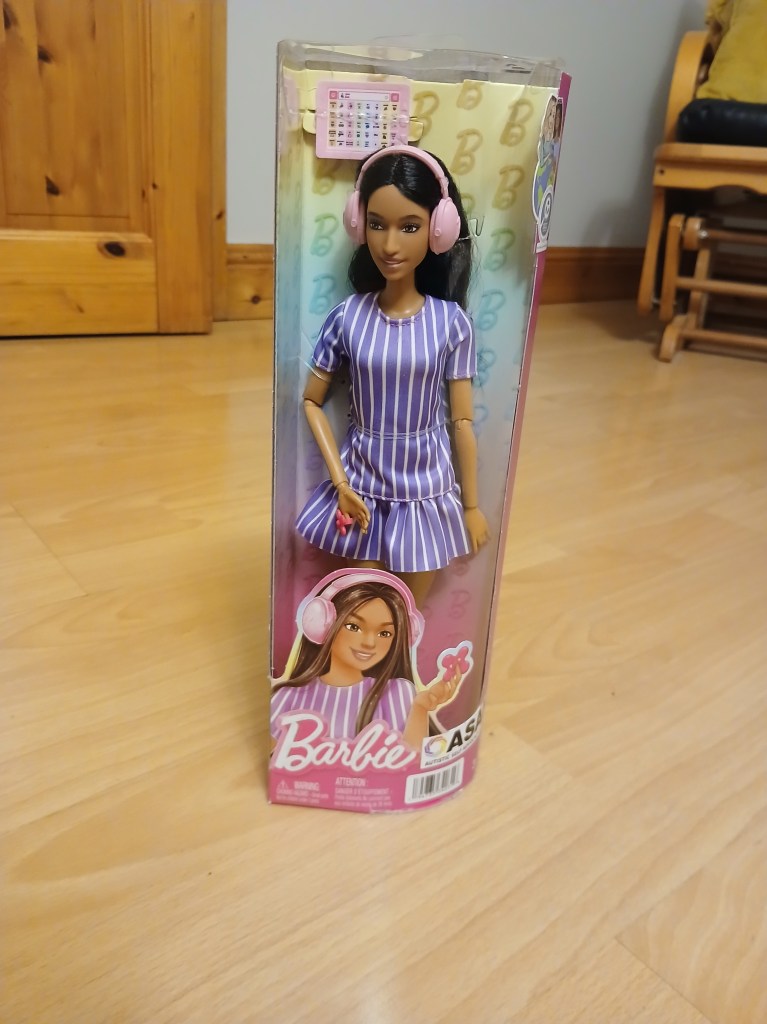
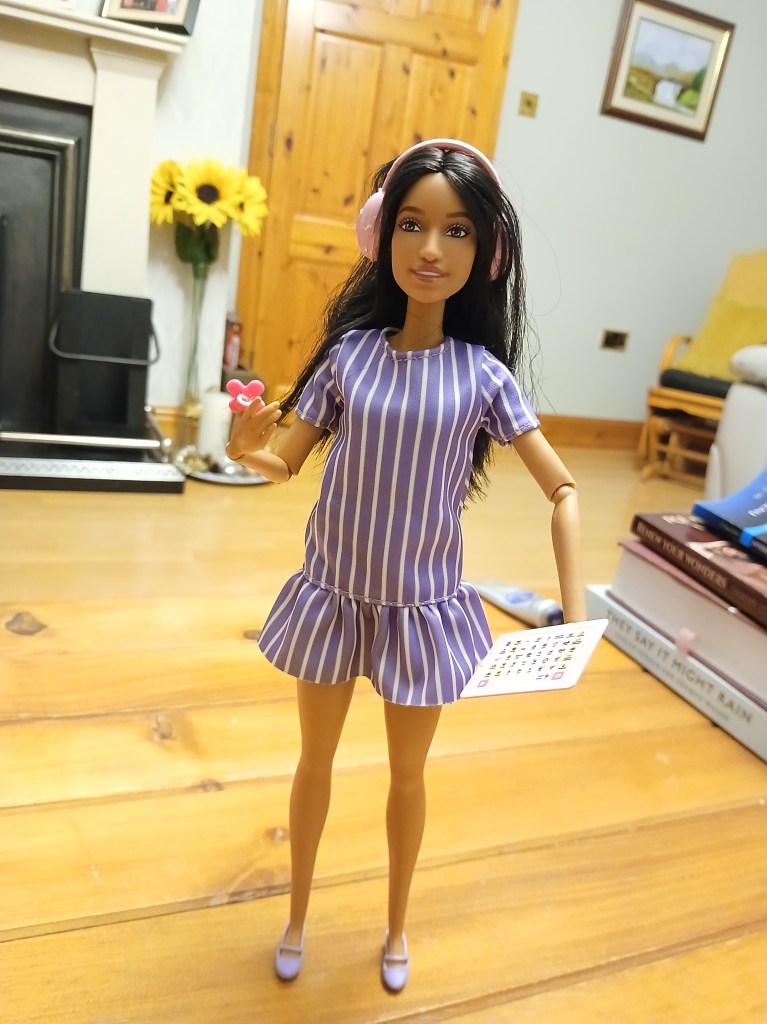
There were a number of really cool, innovative technologies that will really help the quality of life for people with physical disabilities including games that can be controlled with a chin joystick and ones that track eye movements- you can literally drive a car on the screen using your eyes! They are also working on some amazing tools for those with nonverbal autism such as a picture based program where you can click on images to make sentences (kind of like the rapid prompting method). You can see this in the image below:

They also showed us around their suite of accessibility tools and extensions available when using Google Chrome, including dyslexic font to help make reading easier- who knew such things could exist?🤯 One of my favourite parts of the tour was the neurodivergent corner where they had a range of nifty sensory toys you could play with which were great for stimming. They also had some glasses for light sensitivity issues, loop earplugs and a sliding social battery pin- which I could really do with getting my hands on 🤣.

It is a really cool facility and it’s great to see new dedicated spaces like these that are working on making life easier for neurodivergents and others with disabilities. If you’d like to tour the ADC, you can email Google at adc-dublin@google.com to set it up- I highly recommend the experience! 😀

Hope you enjoyed this post dear Earthlings!

Have a lovely weekend!

Aoife

Paracetamol and Autism

Greetings Earthlings! 🙂

It is with my face cupped in my hands that I write this post for you after the latest “recommendations” coming from the States in recent weeks. In case you’ve been living under a rock, US president Donald Trump and RFK Jr., announced that there is a link between the use of paracetamol (also known as Tylenol) during pregnancy and the development of autism 🤦🏻‍♀️Historically this has been the safest drug that a woman can take during pregnancy to treat pain and fever (from infection), but now the Trump administration is slapping a warning label on this essential medication to scare women about the risk of autism when they’re at their most vulnerable.

So let’s separate fact from fiction- what does the research actually say?

Experts and researchers across the world have come out against these recommendations as the evidence largely does not support a causal link between autism and paracetamol. With regard to the current literature, there are often conflicting results in studies as it’s very hard to pin down accurate usage rates from medical records alone as paracetamol is an over the counter drug. Moreover, as it’s often used to treat other conditions, it’s hard to determine if any increase in autism rates is linked to the drug or the condition that paracetamol was used to treat. One of the largest studies of this type examined data from 2.5 million Swedish children from 1995-2019 to see if rates of paracetamol usage aligned with autism diagnoses. This study found that there was an increased likelihood, buuutttt not by much- 1.42% of children exposed to paracetamol were autistic versus 1.33% in those who were not exposed. I don’t think a 0.09% increased risk of autism is anything to write home about!

Sibling studies were also conducted to compare pregnancies where paracetamol had been given for one but not the other. These were performed as siblings are raised in the same environment, share genetic traits, and the health of the mother would have been similar for both pregnancies, removing a lot of factors that can influence the development of autism. This makes it easier to tell if paracetamol is having an impact in pregnancy. No links were found between the drug and autism in these studies.

On another note, researchers are of the opinion that the latest review of the research being pushed by the Trump administration hasn’t used the most robust of research methods. A more rigorous review of higher quality research was published on this topic earlier this year, and again, found no clinically significant risk of developing autism after paracetamol exposure in utero. The conflicting results seem to indicate a motivated agenda- and we all know how well that worked out last time with vaccines

Research aside, telling a pregnant woman to “tough it out” instead of taking paracetamol is simply not good enough. High fever in pregnancy can be extremely dangerous, increasing the risk of complications like miscarriage, preterm birth, or neural tube defects (congenital malformations of the brain and spine such as spina bifida and Anencephaly- a fatal brain defect where parts of the brain don’t fully develop). If doctors are discouraged from administering this vital medication, the outcomes could be so much worse for the baby than autism. It beggars belief that Trump essentially deems the risk of autism to be worse than death. Even more so given that most experts agree that the American president himself is on the spectrum!

The important thing to remember about the research is that this link, however miniscule, is just an association. Just because it’s associated with autism, does not make it the cause. My mother, and thousands of others on social media, never took paracetamol during pregnancy, but all of them have children on the spectrum. If you’re an expectant mother, don’t let Trump scare you into avoiding paracetamol if you require it. Listen to your care provider and make the best decision for your health and your baby’s.

Hope you enjoyed this post dear Earthlings!

Have a lovely weekend! 🙂

Aoife

Autism and Homelessness

Greetings Earthlings! 🙂

Leading on from my previous post about autism and employment, this week I’d like to discuss the link between autism and homelessness. I was shocked to learn recently that people with autism are at a higher risk of experiencing and remaining homeless than the general population. Research varies, but estimates of autism in the homeless range from 3%- 18.5%. This is a staggering statistic given that autism in the homed population is roughly 1-2%.

But why are autists more likely to experience homelessness?

As I’ve mentioned previously, 75-85% of autists are unable to find and maintain employment. Moreover, many autists struggle with co-morbid mental health issues and can be more likely to suffer from addiction issues- all of which can be contributing factors for homelessness. As a result of these struggles, autists do not have the same means that neurotypicals do to reduce their risk of homelessness and the ability to change their circumstances once homeless.

Autism is a condition that thrives on routine, stability and regulation of sensory environments which homelessness only serves to exacerbate. The sensory struggles with weather, the unfiltered noise of the city, the nasty smells from your surroundings can be completely overwhelming. Your mental health is on a knife edge and symptoms worsen without support and understanding. Most countries already struggle to provide adequate resources for housed autists and the general homeless population, making it even harder to properly support homeless autists. There is a serious lack of understanding of autism among workers in the homeless sector, especially with regard to the female experience. Surveys among workers in the homeless sector in the UK and Ireland have highlighted these gaps with over 90% of respondents noting the low levels of support for homeless autists and the need for autism specific training.

This is clearly a challenging issue that needs care and consideration to properly support the autistic community in both preventing and reversing homelessness.

Hope you enjoyed this post dear Earthlings!

Have a lovely weekend!

Aoife

Autism and Revenge bedtime procrastination (RBP)

Greetings Earthlings!

This week I’d like to discuss something that I have a very bad habit of engaging in- revenge bedtime procrastination.

And what pray tell is that when it’s at home?

You may never have heard of the expression, but it’s something that most 0f us have likely done at some point in our lives, especially for autists. Revenge bedtime procrastination (or RBP) is the deliberate act of putting off sleep in order to reclaim leisure time that was lost during the day, often after a busy and stressful one. The term was first coined on Chinese social media in 2014, where ‘revenge’ comes from taking back time for yourself, however, this behaviour is often self sabotaging resulting in poor sleep quality and deprivation.

For autists in particular, this behaviour is seen as a means of taking back control in a world where we often feel out of it. It’s a coping mechanism of sorts where we engage in this intentional sleep deprivation after an overwhelming day of sensory overload and social obligations. Taking back this time, while self sabotaging, is needed for self soothing, allowing autists to recover from the demands of living in a neurotypical world. Many autists struggle with executive dysfunction and ADHD, so organization and planning can be difficult, often leading to an out of balance day where routine can be difficult to maintain. RBP allows an autist to use their limited time at night for specialist interests and relaxation, where the cost of sleep is considered a worthy investment (or at least perceived as such til the next morning 😴).

I’m especially prone to this type of behaviour- I just wasn’t aware there was a word for it until recently. My schedule can be pretty hectic at times, often rolling home late at night, but despite my tiredness, I have to pull out my phone or a book for a while when I get to bed to veg out and decompress after the day. Other times, I tear into a few rows of knitting late at night, or tell myself I need just an episode or two of whatever show I’m currently binging before I can go to bed. I may be falling down from the tiredness, but there’s just something in me that pushes me to do these things before I turn out the light. Sometimes it’s this need to feel productive in my projects, other times its to zone out. It doesn’t matter how tired I’m going to be in the morning, my brain just needs those extra few minutes of me time.

It may not be the most sensible autistic behaviour, but with all the sleep issues autists experience at night, do whatever you need to do to reset your brain before bed 😌

Hope you enjoyed this post!

Have a lovely weekend!

Aoife

Autism and Displaced Anger

Greetings Earthlings! 🙂

Leading on from my previous posts about meltdowns, emotions and alexithymia (the inability to identify emotions in the self and others), this week I’d like to take a close look at the specific issue of displaced anger.

As I’ve discussed multiple times, autists process emotions differently to their neurotypical peers, often because they aren’t able to properly recognise what they’re feeling. In my experience, anger is one of the worst offenders. I have often had issues with displaced anger, misdirecting my wrath at everyone and anyone around me because I hadn’t been dealing with the source. Just walking around for weeks lashing out at the slightest annoyances because I hadn’t twigged that I was bothered by something else entirely.

Interestingly, I have also resorted to anger as a cloak in the past. I often found when on the verge of a meltdown being angry and rude were much easier emotions to project than what I was truly feeling. Anger was much easier to control, with less likelihood of dissolving into tears (not to mention the repellant effect). I just knew that were I to make eye contact or speak without anger in those scenarios, the floodgates would open, and it was too overwhelming to have to explain them.

There is also a cognitive emotional processing condition which can contribute to displaced anger outbursts known as anger rumination. This happens when an autist has a tendency to dwell on past experiences of anger and frustration. By focusing on these experiences, autists develop difficulties in properly processing and responding to anger. Persistent rumination on past stressors depletes your ability to self regulate resulting in behavioural inhibition, which makes you more hostile and prone to displaced anger outbursts.

While it’s never nice to be on the receiving end of these anger outbursts, try to bear in mind that you’re unlikely the cause. You might have triggered a reaction, but usually the issue runs deeper. Try to give an autist some space in these scenarios to give them time to calm down. Talking after the red mist has passed can be very helpful in allowing an autist to process their emotions in a healthy way in a safe, nonjudgmental environment.

Hope you enjoyed this post dear Earthlings!

Have a lovely weekend!

Aoife

Autism and Screens

Greetings Earthlings! 🙂

Leading on from my previous post about virtual autism, this week I’d like to take a more specific look at the impact of screen use has on people with autism.

Whilst screen use is largely seen as a negative thing for the general population, screens can actually have a positive impact for autists:

  • Communication, connection and social skills– screens can help autists to connect with peers and communicate without the pressure of face to face interactions. There’s no need for eye contact, and plenty of time to think about and edit your response, allowing autists to relax. Removing these social barriers will also help autists to develop their other social skills which can then be applied to the real world. In my work for example, I’ve found that AI chatbots can be very useful when I’m struggling to find the right words and tone to deal with an awkward email
  • Regulation– Screens can offer a calming, safe (at least perceived as safe to an autist) and familiar presence for autists in an overwhelming, out of control world, enabling them to manage anxiety and meltdowns. For example, one of my autistic friends whips out her phone to look at cute animal videos anytime she is anxious, helping her to re-centre
  • Accessibility and gamified learning– screen based technologies can be very helpful for autists struggling with learning issues and verbal communication. The use of augmentative and alternative communication devices (AACs) and speech-to-text/text-to-speech tools can be hugely beneficial for autists. Similarly, gamified learning can be used to encourage autists to learn through the use of educational games which can help autists who struggle in a classroom setting. While studying for my leaving cert French oral, I used to study my notes while I played Mario Kart, which somehow made the information stick a lot better in my memory 😂🙈
  • Life skills– the internet is filled with useful apps and videos that can help teach autists valuable life skills that they struggle with in the real world such as personal hygiene, cleaning, map reading, cooking and shopping. Online shopping has been a complete gamechanger for me as I can shop peacefully with no pressure or risk of sensory overload
  • Specialist interests– having access to a screen enables autists to easily explore their specialist interests which can further help them to regulate when overstimulated. Back in the early days of dial up internet, I would happily spend a couple of hours waiting on a page to slowly load on the ABBA website just to read the historical chart information for all of my favourite songs. I would have bored everyone senesless with ABBA facts had I access to a mobile phone back in the 90s! 🤣
  • Executive function- planners, reminders, alarms and body doubling ADHD apps (such as Dubbi) can be very useful to help autists who struggle with organization

However, there are also many negative implications for autists that overindulge in screen time:

  • Overstimulation– excessive exposure causes over stimulation of the brain, increasing stress levels and disregulating emotions
  • Addiction as previously discussed, autists can be prone to addictive behaviours. As screens are highly addictive for neurotypicals, the risk can be even higher for an autist
  • Cyberbullying– autists are often an easy target for bullies, and granting them access to social media unchecked can have disastrous consequences. Growing up in the early era of social media, I didn’t know how to act appropriately online and often emulated those around me without thinking. This autistic tendency for masking and mimicry got me into hot water a couple of times, but if I were unsupervised and allowed to emulate the way users behave today, things would have been so much worse
  • Decreased focus and sleep issues– overuse of screens can impair concentration and attention spans for autists, which may be already impacted by co-morbid ADHD. The blue light emitted from these devices can also disrupt sleep patterns which are often dysregulated for autists. Sleep and screens is often an issue for me, especially if I have been watching content at double speed (it’s like listening to fast speech revs up the speed of my inner monologue which can overstimulate me before bed)

Some studies have also suggested that there is a link between screen usage before 2 years of age and the risk of developing autism, buuutttt it doesn’t look like this link is causal. Perhaps the link is coincidental given how virtual autism manifests.

As with most things in life, moderation is key for autists when interacting with screens. There’s no set amount of hours that one can follow, but monitoring your child’s screen use and it’s impact on their behaviour will help you determine how long is too long.

Hope you enjoyed this post dear Earthlings!

Have a lovely weekend! 🙂

Aoife

Virtual Autism

Greetings Earthlings!

This week I’d like to talk about a new type of autism that is emerging- virtual autism!

Em… what on earth is that?

No, it’s not some kind of futuristic disease or new computer virus. The reality of this condition is far more concerning.

Virtual autism is being used to describe a growing trend of developmental delays in children that mimic autism due to excessive digital device usage. In other words, screen usage is causing children to falsely present as autistic!

The term was first coined in 2018 by Romanian psychologist Marius Zamfir to describe behavioral abnormalities observed in children between the ages of 0 and 3 resulting from a lack of motor, sensory and social stimulation after spending >4 hours a day in a virtual environment. Symptoms observed  include communication issues, social withdrawal, lack of eye contact, attention problems, sleep issues, physical inactivity, and developmental delays which overlap with the early signs of classic autism. Similarly, other studies have backed up these observations by confirming the presence of autism like symptoms in toddlers that used electronic screens excessively.

Whilst the condition is too new to be recognized as a genuine diagnostic form of autism, experts are nonetheless warning parents about the risks and dangers of virtual autism. The good news is that unlike other forms of autism, virtual autism is easily preventable by monitoring and restricting screen usage. Similarly, virtual autism can be reversed and improved in most cases by reducing screen time, encouraging face to face interaction and playing with toys. The brain is highly adaptable, especially in childhood, so fear not if you think your child is showing signs of virtual autism. If you are unsure if your child is truly autistic or showing signs of virtual autism, cutting out excessive screen usage is a good first step to rule out virtual.

Hope you enjoyed this post dear Earthlings!

Have a lovely weekend! 🙂

Aoife

Blog at WordPress.com.

Up ↑