Greetings Earthlings! 🙂
This week I’d like to talk about a rarely discussed topic when it comes to autism- contraception!
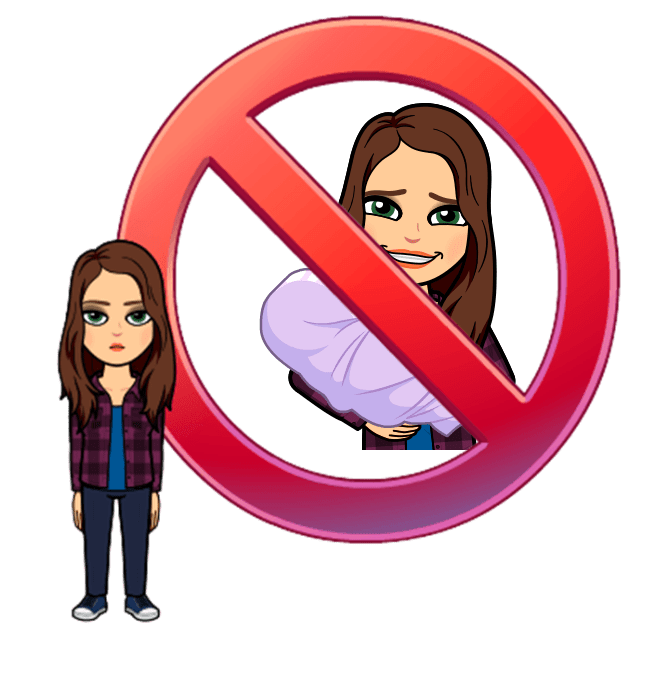
When it comes to autism, the narrative doesn’t tend to discuss sex and relationships due to the archaic perceived notion that most of us are asexual.
Newsflash- autistic people have sex! As such, it’s important to discuss the topic of contraception.
The use of contraception is entirely individual, but for autists there may be additional sensory issues that may influence their decisions. Texture and smell may be issues for latex products, contraceptive patches may aggravate skin sensitivities, and contraceptive injections and implants may freak an autist out (don’t get me started on how much I shudder every time a friend has shown me the contraceptive bar in their arm!😖).

Hormonal contraceptives on the other hand may negatively impact an autists mental state and behaviours. There are no studies on the impact that hormonal contraceptives may have on autists, but as discussed in my previous posts about the impact of hormonal fluctuations during puberty, menopause and menstruation, it’s quite likely that behaviours and mental health could be impacted by their use. I’ve seen many neurotypical friends get knocked about by hormonal contraception, so I can only imagine how much worse these side effects could be for an autist. Some autists have reported that their anxiety issues increased significantly when on certain contraceptive drugs, finding that their panic attacks completely disappeared after switching to a different drug. In contrast, others have found that taking oral contraceptives has improved their mental health as it has made sensory issues and pain around their periods easier to manage, particularly contraceptives that prevent periods. Studies have also found that oral contraceptives may be useful to reduce pica behaviours in autists.
Researchers have also made an interesting connection between hormonal contraceptive use and autism rates. In 2014 a hypothesis was proposed that the increase in autism rates over the last 60 years correlates to the increased use of hormonal contraceptives.
Yep- they are suggesting that contraception may contribute to the development of autism!

The hypothesis suggests that hormonal contraception alone would not cause autism, but a ‘double hit’ mechanism of contraceptive exposure in tandem with other environmental and genetic factors may increase the risk. It’s thought that when an egg is exposed to artificial hormones in the ovary it can cause damage to the egg increasing the autism risk. Hormonal contraceptives work by preventing the release of an egg, and as such, the retention of eggs in the ovaries could be exposing them to these hormones for prolonged periods of time with negative consequences. There are multiple studies on how prenatal exposure to testosterone increases autism risk, so it’s not implausible that the same could be said for other hormones. Progestin (artificial progesterone used for contraception) in particular has been linked to the regulation of brain activity and impaired cognitive responses during foetal development, with animal studies showing autism-like behaviour after prenatal exposure to the synthetic hormone. Much research is needed to confirm that the rise in hormonal contraception is indeed contributing to the increase in autism rates, but it’s a very interesting hypothesis!
Hope you enjoyed this post dear Earthlings! 🙂
Have a lovely weekend!
Aoife

 A Is For Aoife Not Autism