Inside the Autistic Brain

Greetings Earthlings! 🙂

Today I’m going to dive into the physiology of the autistic brain to explain what’s actually going on at the neurological level. I’ve touched on aspects of the science in previous posts, but I wanted to give you a quick overview post where the main points in the one place 🙂

So let’s get down to some science! 🙂

247171_588045804539417_1828609848_ndg.jpg

Hyper-connected Neurons:

Scientific evidence suggests that neurons in the autistic brain are hyper-connected. Specifically, studies indicate that autists have too many synapses in the brain. The synapse is basically a gap or a junction between two neurons where chemical messengers (neurotransmitters) carry information like a ferry from one neuron to the next. It looks a little bit like this:

Image result for synapse

During normal brain development, about half of the synapses we are born with are “pruned” off. In autism, this process is slowed down, and so autistic children have an excessive amount of synapses compared with their neurotypical peers. As these connections are essential to communication between neurons, this can greatly effect how the brain works and processes information.

Dysfunction at the Junction:

In addition to possessing an excessive number of synapses, communication at these neuronal junctions is also impaired in the autistic brain.

Animal studies have indicated that synapses function differently in the autistic brain as a result of genetic mutation. Mutations cause certain proteins to be absent in autism- proteins that are essential to the normal functioning of the synapse. As a consequence of this, the transmission of information between neurons is affected, resulting in a number of social and behavioral issues.

Think of physical junctions on a busy road- if something goes wrong at the junction, a chain of chaos will ensue!

Image result for junction crash gif

Hyper-excitable Neurons:

Research shows that in many cases of autism, neurons in certain regions of the brain are more excitable than others. This means that these neurons are more sensitive to stimulation. For example, the neurons located in the sensory cortex of the brain (which processes sensory information such as smell), are more sensitive and excitable than other neurons. This is kind of like how a person can be more ticklish in some parts of the body than another- the nerves in the underarm are more excitable than those of the arm.

This sensitizes the autistic brain to all kinds of stimuli as discussed here.

Dysregulated Neurotransmitter levels:

As previously mentioned, information travels across the synapses in the brain via chemical messengers known as neurotransmitters. In the autistic brain, the levels of these neurotransmitters are dysregulated- or out of sync. Research indicates that individuals with autism tend to have higher levels of excitatory neurotransmitters (e.g. glutamic acid) and lower levels of calming neurotransmitters (e.g. GABA, serotonin) causing neurons in the autistic brain to fire excessively. In addition to this, levels of the neurohormone (a chemical that acts as both a hormone and neurotransmitter) oxytocin, which plays an influential role in trust and social behaviours, are also out of balance. Moreover, dopamine (a neurotransmitter which can both calm and excite) is also dysregulated in autism. Together, the action of biochemicals like these influences a number of autistic behaviours and issues such as ADHD, mood, appetite, sleep, anxiety, sensory processing, social behaviours, learning, memory and emotional responses.

Male vs Female Brain

Perhaps one of the most fascinating  things that I have discovered about autism are the anatomical differences between the brains of the male and female autist. Brain imaging studies have revealed that autistic women have brains that are anatomically similar to neurotypical male brains, and the brains of male autists share anatomical similarities to those of neurotypical female brains.

In short- this indicates that men with autism have feminine brains, and women with autism have masculine brains!!!

bitmoji543288982.png

I know!!!!

It sounds weird, but it makes a world of sense. Oftentimes I’ve felt like I had a male brain growing up- my tomboyish interests, my fashion sense, my preference for male company, my inability to walk in heels; it all fits!

Strange but true! 🙂

There we have it Earthlings- hope you enjoyed this brief insight into the physiology of the autistic brain 🙂 There is no clear mechanism through which autism acts, these are just some of the likely pathways involved. I’ll explore other possible mechanisms in a later post.

Have a good week everyone! 🙂

Aoife


A Siblings Perspective of Autism

Greetings Earthlings! 🙂

Going to shake things up a little bit today with an interview!

bitmoji-649041113.png

When it comes to experiences of living with autism, we hear most frequently from parents and those with the condition themselves. Oftentimes we forget that siblings of children with autism are also living the experience. So today I’m going to interview my sister Órlaith about her experiences of growing up with a sibling on the spectrum 🙂

What am I getting myself into….

14937174_1331590530184937_1924163464812313724_n.jpg

Over to you then Órlaith! 🙂

orl.png

Hello everyone! I’m Órlaith, Aoife’s younger (but not youngest!) sister. She’s roped me in today to talk about how life was growing up oblivious to the fact that Aoife has autism… and to provide some lovely anecdotes about some of her finest moments… Muahaha… So let’s get started!

Aoife: Growing up oblivious to the fact that I was on the spectrum, did you ever feel that something was different about me? Did you ever think my behaviour odd?

Where do I start! We always knew that there was something different about you. If you ask mammy I’m sure she will tell you you were born different. I suppose the most stand out things though were your spectacular “temper tantrums”, fantastic lack of tact, and your…amm… preference for always telling the truth…

I never really understood why when you got mad things really escalated like they did, I always thought it was not usual. Aoibhlinn (our other sister) and I would have had our moments but they were nothing compared to yours! Of course now with hindsight it’s easy to see that they were actually meltdowns that you weren’t really in control of but at the time it seemed very odd.

The tact and the truth telling always went/go hand in hand, it definitely wasn’t the norm for someone (in Ireland anyway), to tell you exactly what they think, no sugar coatings. That always struck me as odd. I’ll always appreciate being told that I look terrible… 😛

Looking back on it now, even when we watch old videos of you when you were about 5, it’s so obvious you have autism!

orl 2.png
Aoife: Did friends or other children ever pass comment to you about my “uniqueness” (for want of a better term)?

They did from time to time, which was never easy to hear because it’s your sister that people are talking about.  

Aoife: Did you ever find it hard to relate to me versus Aoibhlinn or other children?

Nah brah, I got your back jack! 🙂 Like, you often took managing but I never had a problem connecting with you, probably because we always liked the same things. And I dunno, you seem to like me or something so I think that helps 😛

Aoife: How did you feel around me when I would have a meltdown? What did you make of my meltdowns?

In general, the initial reaction was “Oh lord she’s at it again”, I think we all just got used to you and thought you were just being dramatic (see that time you threw everything out the window 😛). I’m a pretty anti-confrontation person anyway so when your blow-ups really blew up I really hated it and wanted you to just calm down and see reason, but I now know that when you’re in the middle of a meltdown you can’t see reason! Just having a, what we call, “Aoife Moment™”.

Screenshot_20170405-190406.png

Aoife: Growing up, even though you’re younger than me, did you ever feel responsible for me, as if you were my big sister?

Now that you mention it, I guess I did. Without being aware that you had autism and that you had to basically be taught how to behave in social situations, I think that I always felt like I had to show you how things work in the world and make you more “streetwise” because those things didn’t come naturally to you. You often don’t see the danger in things so often I feel a bit “big sisterly” and want to try and guard you and take you out of “Aoifeland” (for those who don’t know, this is the magical place Aoife goes to in her head when she zones out and falls down the stairs, spends hours looking at the ceiling, etc.). I still feel like I’m teaching you things every day, so I guess that changes the dynamic, dammit Aoife you’re meant to be teaching me! 😛

orl 3.png

Aoife: What did you know/feel about autism before I was diagnosed?

A hell of a lot less than I know now! Not a whole lot to be honest, I think I thought it was something that’s a lot more of a big deal than it is. I didn’t know how prevalent it is in people, which was a huge eye opener!

Aoife: Did you ever resent me for being different/my behaviours/social faux pas etc.?

A bit because you could have an “Aoife moment” and say something embarrassing about me 😛 Often you could have an embarrassing moment and, sure, that’s annoying, but on the up side, your social faux pas have led to some entertaining moments (“Mammy why is that man so smelly?” (Aoife 1994) Oh and let’s not forget your amazing sense of tact, it would be nice to not be insulted all the time, not that you mean to be insulting (I think…… 😛 )

Aoife: How did you feel about/react to my diagnosis?

I wasn’t in any way surprised because as we already talked about, there was always something odd about you! I think it was a good thing for you because it gave you a huge awareness and understanding about yourself and who you are, and that you’re not JUST an oddball, you’re an oddball with Autism! 😉

Aoife: Thanks for that then Órlaith! I bid you adieu! 🙂

orl 4.png

So there we are now Earthlings, I hope you enjoyed this post!

Enjoy the weekend everyone! 🙂

Snapchat-1754307707.jpg

Aoife (and Órlaith 🙂 )

Vaccines and Autism

Greeting’s Earthlings! 🙂

Yep…I’m going there today- the autism vaccine controversy.

Image result for exchange shocked looks gif

This issue has been thoroughly debated by scientists in recent years, so I’m going to discuss this once, and once alone.

In 1998, the now completely discredited scientist Andrew Wakefield published this paper in The Lancet:

Image result for wakefield paper

Notice the word ‘RETRACTED’ in bold red letters.

In this paper, Wakefield suggested that the MMR (measles, mumps and rubella) vaccine is linked to inflammatory bowel disease and autism.

This is what I like to call:

bitmoji-546088588.png

Subsequent to the publication of this paper, serious conflicts of interest and falsified data were discovered. This led to the paper’s ultimate retraction and Wakefield was struck off the medical register in the UK. Countless studies have endeavored to replicate the results of Wakefield’s work, but none have succeeded, proving that there is no medical link between the MMR vaccine and autism.

bitmoji1545013222.png

Here are the real facts about the case:

Wakefield’s work had multiple conflicts of interest:

  • When the paper was first submitted for publishing, he failed to disclose that he was in receipt of funds (~£435,000 or $674,000) from lawyers acting on the behalf of parents that believed the MMR vaccine was harmful!
  • During the course of his investigation, Wakefield filed a patent for a new measles vaccine, standing to gain financially from the downfall of the currently available vaccine
  • Patients were recruited to the study through anti-MMR campaigners

Several ethical codes were broken by Wakefield when conducting his research:

  • Wakefield unethically collected blood samples from children at his son’s birthday party (reportedly for £5 a pop)
  • Patients were subjected to unnecessary invasive procedures such as lumbar punctures and colonoscopies without prior ethical approval
  • The company that Wakefield sought to establish following the paper’s publication was to be headed by the father of one of the patients included in his study
  • Wakefield further tested out his new measles vaccine on a child without recording it in his medical notes or discussing it with the child’s GP
  • Most serious of all- Wakefield falsified and manipulated his findings!! It was discovered that Wakefield had either misrepresented or altered medical histories in ALL cases described in the study!

Aside from evidence tampering, the design of the study was quite poor. Wakefield’s research examined a very small patient cohort (only 12 children) using case reports- one of the weakest forms of medical research. Large scale studies examining hundreds of thousands of cases have not established a link between the vaccine and autism.

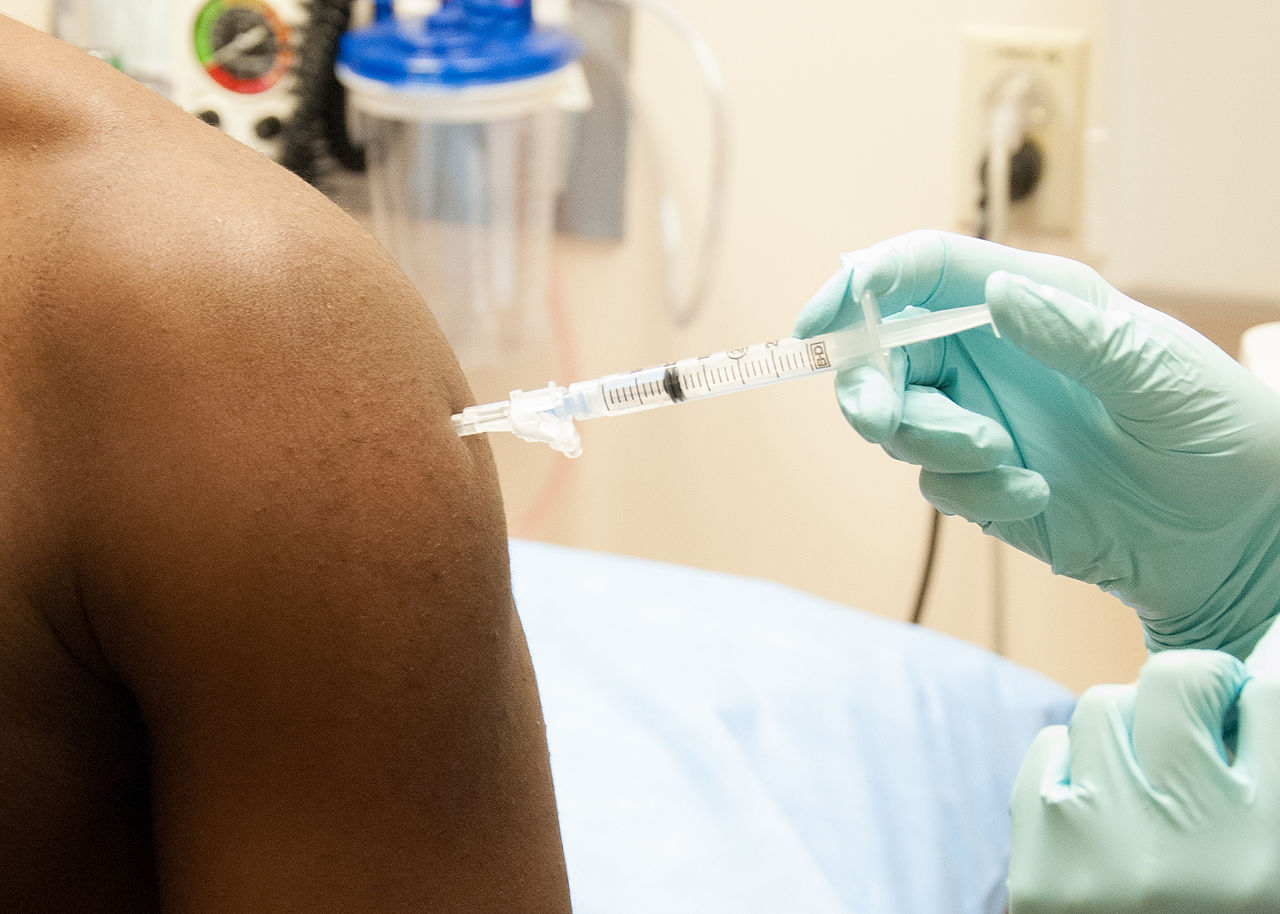
Image result for vaccine

Of the 12 children examined in the study, 5 showed signs of developmental delay prior to receiving the MMR vaccine, and a further 3 patients did not in fact have autism.

But what of other research in this area?

Studies which are often cited in the MMR controversy suggest a link between thimerosal, (a mercury containing compound), in vaccines and autism- a link which has been largely refuted. Additionally, thimerosal has been removed from or reduced to trace amounts in currently available vaccines- but autism rates still continue to rise.

Studies have also been conducted to explore the impact of the anti-vax movement on autism rates. These studies compare autism rates in those who did and those who did not receive the MMR vaccine. The result- no difference in autism rates between both groups!! 

Furthermore, following the publication of his paper, Wakefield proposed that 3 separate vaccines for measles, mumps and rubella was a safer alternative to the combined vaccine.

But did he have a point?

bitmoji2072993471.png

Nope- in countries where the practice of giving 3 separate vaccines at 3 separate stages was adopted, autism rates continued to rise regardless.

So there we have the facts about the MMR vaccine controversy. If you’re still a little bit skeptical, I’ll leave you with one final thought:

Wakefield has repeatedly refused to deny or replicate the findings of his study. If there was nothing to hide, then why not prove his claims?

bitmoji42958429.png

Aoife

Impulsivity and Autism

Greetings Earthlings! 🙂

In continuation from the previous post exploring curiosity and autism, today we’re going to take a look at impulse control in autists.

Many people with autism report issues with impulsivity.

All my life I’ve struggled with this issue. Too often I’ve felt like Didi in ‘Dexter’s Laboratory’, dying to know what the button will do and being unable to keep myself from pushing it! 😛

tumblr_lnvvttAUbb1qzc8l4o1_250.gif

As a child I was highly impulsive. I never knew when to stop eating, would impulsively give up on a book halfway through in favour of another (at one point I had 9 books on the go!)  and when overwhelmed I would often try to run away.

During one particularly interesting meltdown I began to impulsively throw all items that my mother had given me out of my bedroom window (which is a storey high I might add), whilst my sisters in the room below gleefully retrieved them, each determined to claim ownership…Clear example of black logic at work! 😛

So why do we struggle with impulsiveness?

Impulsivity in autism can be explained by deficits in what is known as executive functioning.

Image result for huh gif

Don’t worry- it’s not as complicated as it sounds! 😛

Executive functioning is simply a broad umbrella term referring to the mental processes involved in cognitive, physical and emotional self control. Examples of executive functions include planning, memory, cognitive flexibility (the ability to adapt thinking to new and unexpected situations) and most importantly response inhibition– aka the ability to suppress unnecessary or inappropriate actions.

But what causes these deficits in executive functioning?

Many autists also suffer from attention deficit disorder (ADD) or attention deficit hyperactivity disorder (ADHD), both of which have an effect on executive functioning and impulsivity. I’ll explore these disorders at a later stage 🙂

Experts believe that ASD’s share a common genetic basis with ADD and ADHD, indicating that genetic mutation may be at the heart of these deficits in executive functioning.

Impulse control can be quite challenging at times (it’s a real struggle not to run squealing to every single puppy I encounter for a cuddle! 😛 😉 ) but as I always say, it is by no means a cause for despair. You will eventually learn control with time 🙂

Granted I can still be quite impulsive at times- feeling the urge to curl up asleep on the floor like a dog in company (an urge I feel quite a lot! 😛 ), wondering what it would feel like to step on hot ash/coals or wanting to draw designs all over my face with makeup; the difference being that now I am able to choose whether to ignore or act upon an impulse 🙂

Well…for the most part! Still haven’t fully cracked compulsive eating…or maybe I just don’t want to! 😛 😉

bitmoji1655674740.png

Enjoy the weekend everyone! 🙂

Aoife

Curiosity & Autism

Greetings Earthlings! 🙂

Today I’m going to explore an aspect of autism that’s not widely discussed- curiosity 🙂

Many people find that curiosity is in fact diminished among members of the autistic community because of our preference for routine. In my experience, the opposite is true.

To quote Albert Einstein, who is widely believed to have been on the autistic spectrum:

I have no special talent. I am only passionately curious.

Passionately curious.

That’s how I would describe my insatiable sense of curiosity about the world.

Image result for magnifying glass gif


Throughout my entire life I have been driven by my desire to acquire knowledge. The words who, what, when, where, why and how are rarely ever far from my lips. For me, it’s more than just a desire, it’s a need.

I need to know how the world works, I need an encyclopedic knowledge of those I care about, I need to know why did the chicken really cross the road??!!

If I had had Google as a child I would have been a nightmare! 😛

If I don’t get the answers I crave, it drives me insane, getting under my skin like an itch I can’t scratch. A friend recently told me she had news for me right at the exact moment I lost my WiFi signal! I nearly screamed with frustration over the next two hours trying to reconnect long enough to find out what her news was!!

Curiosity does have its uses though when it comes to the likes of science, motivating you to stick with the building blocks that will one day lead you to understand entire systems.

Buuuuuttt…as we all learned from ‘Alice in Wonderland’, curiosity can sometimes get us into a spot of bother…

Image result for curiosity gif

Many autists have issues with impulse control (which I will explore in detail on Friday 🙂 )  and as such, in my experience, curiosity can be impulsive.

For instance, I scorched the kitchen door as a child when I set fire to a drawing with a candle out of curiosity…

Another such incident (which I have no memory of but have been assured happened 😛 ), saw my younger cousin and I trap my kitten between two buckets until my horrified mother caught us in the act!

The only explanation that I can offer for my behaviour based on similar experiences is that I was interested to know what would happen! 😛

Thankfully in this instance, curiosity did not kill the cat! 😉

bitmoji343820677.png

Curiosity can also be an issue in social situations. Countless times I’ve landed myself in hot water for asking inappropriate questions, often unintentionally coming across as nosy. As with all things autism however, with time, you learn to reign in your curiosity and channel it towards something more positive, like keeping up with the latest research 🙂 (even if the unasked questions do irritatingly press on the brain 😛 )

But why am I so curious?

Unfortunately, I don’t have much to offer in the line of concrete scientific explanation I’m afraid. There doesn’t appear to be much research in this aspect of the autistic experience.

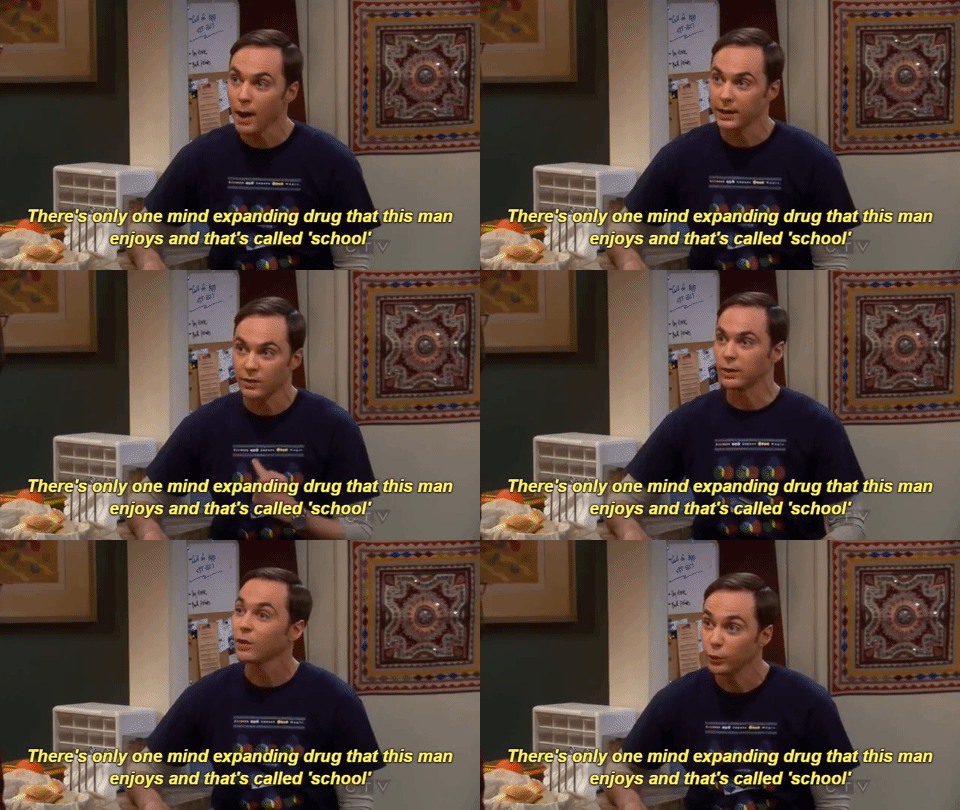
However, in terms of the general science of curiosity, the neurotransmitter dopamine plays an important role. Curiosity activates brain regions associated with pleasure and reward through the activity of dopamine, giving us that pleasurable feeling of satisfaction when our curiosity is quenched. Many addictive drugs operate through this pathway, so you could say that I’m addicted to learning! 😉

 school big bang theory sheldon cooper mind expanding drug GIF


In autism, dopamine levels are dysregulated, which may influence curiosity as a result. Moreover, increased activity in the midbrain is associated with curiosity. Brain analyses of autistic individuals reveal structural changes in this region, suggesting that perhaps these changes contribute to and account for differences in curiosity levels among autists.

Stay tuned for Friday’s post where we’ll be putting impulsivity under the microscope! 🙂

Aoife

Celebrities with Autism

Greetings Earthlings! 🙂

Today we’re going to take a look at some famous people who you may not realize are on the spectrum.

Susan Boyle

Image result for susan boyle

After achieving viral fame in 2009 for her powerful voice and quirky personality in ‘Britain’s got Talent‘, the Scottish songstress was diagnosed with Asperger’s syndrome in 2012. Boyle had in fact spent her entire life believing that she was brain damaged following oxygen deprivation at birth!

If you have a spare hour, I’d highly recommend checking out her documentary ‘There’s Something About Susan‘ where she talks about her diagnosis 🙂

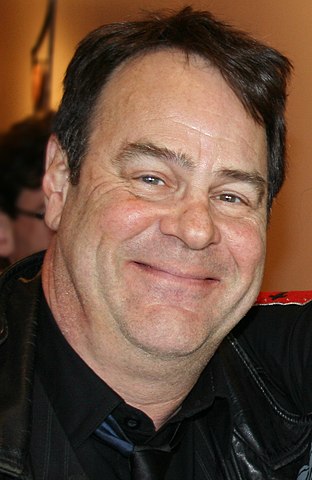
Dan Aykroyd

Image result for dan aykroyd

Whilst never formally diagnosed, actor and comedian Dan Aykroyd of ‘Ghostbusters‘ and ‘The Blues Brothers‘ fame believes he has a touch of Asperger’s syndrome. Having read about the condition, Aykroyd self diagnosed with AS based on certain symptoms and autistic traits he possesses, in addition to his intense childhood obsessions such as ghosts.

Daryl Hannah

365635227_4e9a20c8b8_z.jpg

That’s right- Daryl Hannah, the sexy siren from ‘Kill Bill‘ and ‘Splash‘ has been quite vocal in recent years about her childhood autism diagnosis. So little was known of autism at the time that it was recommended that Hannah be medicated and institutionalized! Hannah suffers from debilitating shyness resulting in her withdrawal from the silver screen in recent years, but has learned to cope with her symptoms better in adult life 🙂

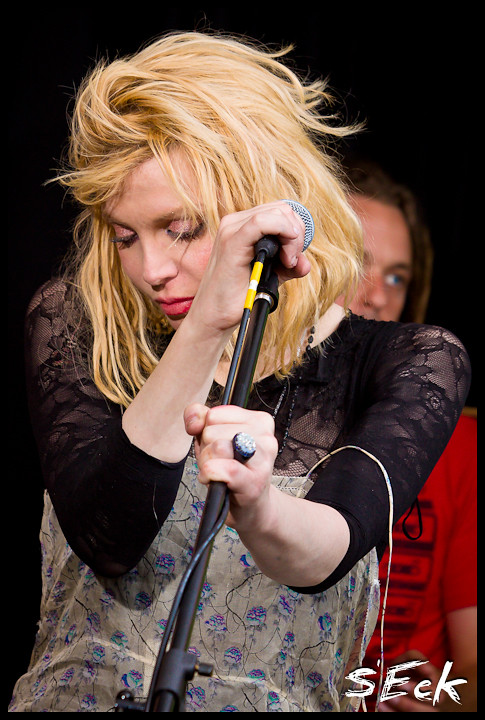
Courtney Love 

Image result for courtney love

Controversial ‘Hole‘ singer and widow of ‘Nirvana‘ front-man Kurt Cobain, Courtney Love was diagnosed with mild autism as a child at the age of 9 according to her biography ‘Courtney Love: The Real story‘.

Other spectrum celebs include actor Paddy Considine, the late socialite and TV personality Tara Palmer-Tomkinson, world renowned autism spokeswoman and animal behaviorist Temple Grandin and indie singer-songwriter Ladyhawke.

In addition to this list of confirmed autistic celebs, there are a number of other famous people whom psychologists have speculated are on the spectrum.

Albert Einstein

download (1)

Considered by many to have been one of the greatest scientists of all time, Albert Einstein is widely believed by experts to have had had many of the traits associated with AS. Einstein reportedly didn’t speak until he was 4, obsessively repeated sentences and was a loner as a child.

Several other renowned scientists and inventors such as Issac Newton, Charles Darwin, Michelangelo and Benjamin Franklin  were also thought to have had some form of autism

Fun Fact:  Microsoft’s Bill Gates is often cited as an example of AS by experts as he exhibits many autistic traits, BUT he has never in fact been officially diagnosed as such!

Wolfgang Amadeus Mozart

Image result for mozart

Many biographical accounts of renowned composer Wolfgang Amadeus Mozart have made reference to his peculiar behaviours such as frequent facial grimacing, repetitive movements of hands and feet, mood swings and impulse control- traits that are often associated with ASD’s.

Numerous other musical legends that are also believed to be on the spectrum include Michael Jackson, James Taylor and Ludwig Van Beethoven.

Tim Burton

Image result for Tim Burton

Famed for his dark and eccentric film making, Tim Burton has been informally diagnosed with AS by his former long term partner Helena Bonham Carter following research into autism for a role. After watching a documentary about autism, Burton told Carter that “That’s how he felt as a child”, leading Carter to an “a-ha moment”!

Many experts have suggested that creative writers and directors such as as Mark Twain, Stanley Kubrick, Jane Austen, Woody Allen, Hans Christian Anderson, Andy Warhol and Alfred Hitchcock may indeed have some form of autism.

Looking at all of these amazing individuals, we would all do well to recognize that an autism diagnosis by no means should keep you from achieving great things 🙂

Aoife

Autism on Screen- Adam

Greetings Earthlings! 🙂

Today we’ll be taking a look at the representation of Asperger’s syndrome in the 2009 (although filmed in 2005) romantic drama film ‘Adam‘ starring Hugh Dancy and Rose Byrne.

Adamposter09.jpg

Adam‘ focuses on the relationship between Adam, a man with AS, and Beth, his neurotypical next door neighbour, as they embark on a romantic relationship. The film charts their relationship from unorthodox origins (Adam unwittingly asks Beth if she is aroused one night when struggling to read her emotions) to (**SPOILER ALERT**) strained ending, as both parties endeavor to better understand the other.

Check out the trailer below:

So how does ‘Adam‘ rank in it’s depiction of autism?

Scientifically speaking, ‘Adam‘ presents the audience with many of the classic characteristics of AS, providing insight into the emotional, sensory and social issues which many of us deal with on a daily basis, such as Adam’s struggles with job interviews.

One of the finer details in the film that stood out for me was how Adam separates different foods on his plate so that nothing is touching. This can be seen in the screenshot below:

adam.png

I remember reading ‘The Curious Incident of the Dog in the Night-Time‘ by Mark Haddon as a teenager and identifying with how Christopher does not like his foods to be touching as ‘Adam‘ demonstrates here.

For me, certain foods that touch contaminate flavours and textures so I often endeavor to separate them on my plate. It’s a logical thing- I’m not crazy, I swear!!! 😛 😉

Ironically, I never put two and two together about having AS myself! 😛

The film is flawed however, in that the character of Adam is a highly intelligent electronic engineer with a photographic memory, further perpetuating the rare savant stereotype…

Dear film makers/screenwriters-enough with the savant skills already! It’s been done to death! 😛

In addition to this, there is one slightly insulting moment in the film wherein Adam is not considered “dating material” in Beth’s social circle. Granted, Beth largely ignores the advice of friends and family to pursue a relationship with Adam, buuuut (* *SPOILER ALERT**) ultimately agrees that they are from two different worlds and cannot make the relationship work.

Indeed, relationships can be hard for us, but that does not mean that we are incapable of making them work (I know several neurodiverse-neurotypical romantic pairings). One of the biggest problems in the relationship between Adam and Beth is that Adam is unable to tell Beth that he loves her. Believing that Adam sees their relationship practically and not emotionally, Beth makes the decision to break up with him as a result.

As previously discussed (Discussion: Love and Romance), saying ‘I love you’ can be quite difficult for an autist, but that does not mean that love isn’t there. I may struggle to say the words to the ones I love, but love them I do.

In watching the film, it’s obvious that Adam loves Beth, he just has a different way of showing her- something that parents, friends and significant others alike should be aware of. We do love you, it’s just hard for us to show it sometimes 🙂

All in all, ‘Adam‘ is a quirky affair that balances both the positives and negatives of life on the spectrum to give a relatively (we’ll let the high IQ/memory slide this time) realistic insight into the autistic experience 🙂

Aoife

Social Awkwardness & Autism

Greetings Earthlings! 🙂

Soooo today we’re going to talk about perhaps one of the biggest banes of my life- social awkwardness! 😛

I’m not going to lie- social awkwardness is not fun. The constant fear of saying the wrong thing or not knowing what to say, the burning sensation in your face that’s never far away (huzzah for unintentional rhyming! 😀 ).

This article sums up the feeling pretty nicely through gifs’ s:

http://mashable.com/2013/08/15/awkward-gifs/#N36QeeXevGqn

Sitting awkwardly by yourself waiting for friends to arrive in a pub, tapping your glass and constantly sipping just to look like you belong, the pitying glances of bar staff when they see you at a table alone-the awkwardness can be all consuming.

ddddd.png

I can’t tell you how many times I’ve wanted to run from/avoid social encounters because of this awkward feeling.

Awkwardness is worse still when you’re hit by memories of previous awkward encounters! It’s a real domino effect- one awkward memory brings dozens more to the surface until you’re drowning in the red hot embarrassment of a cringe attack! 😛

I am constantly haunted by memories of my social awkwardness, buuuut as time goes on, you eventually learn not to dwell on your social failings 🙂

It’s a struggle yes, but you can push through the awkwardness. Over the years I’ve devised ways to navigate the rapids- making self deprecating jokes, keeping a mental list of backup topics for awkward silences, chugging a drink you’ve been bought (but don’t like) while your friend is in the bathroom so they don’t see your disgusted facial expressions 😛 😉

Social awkwardness may be a pain, but ultimately you can’t let the fear of getting wet keep you from swimming the social seas 🙂

Who knows-you might even put your awkward stories to good use in a blog some day! Comedy is tragedy plus time after all! 😛 😉

But is there any scientific reason for our social awkwardness?

Remember oxytocin?

Scientists have linked gene variations in the oxytocin receptor (which allows oxytocin to bind and interact with the body) to autism. Evidence indicates that people with autism have a specific variation in the oxytocin receptor (rs53576) which makes it more difficult for them to empathize, read facial expressions and social situations- predisposing us to social awkwardness.

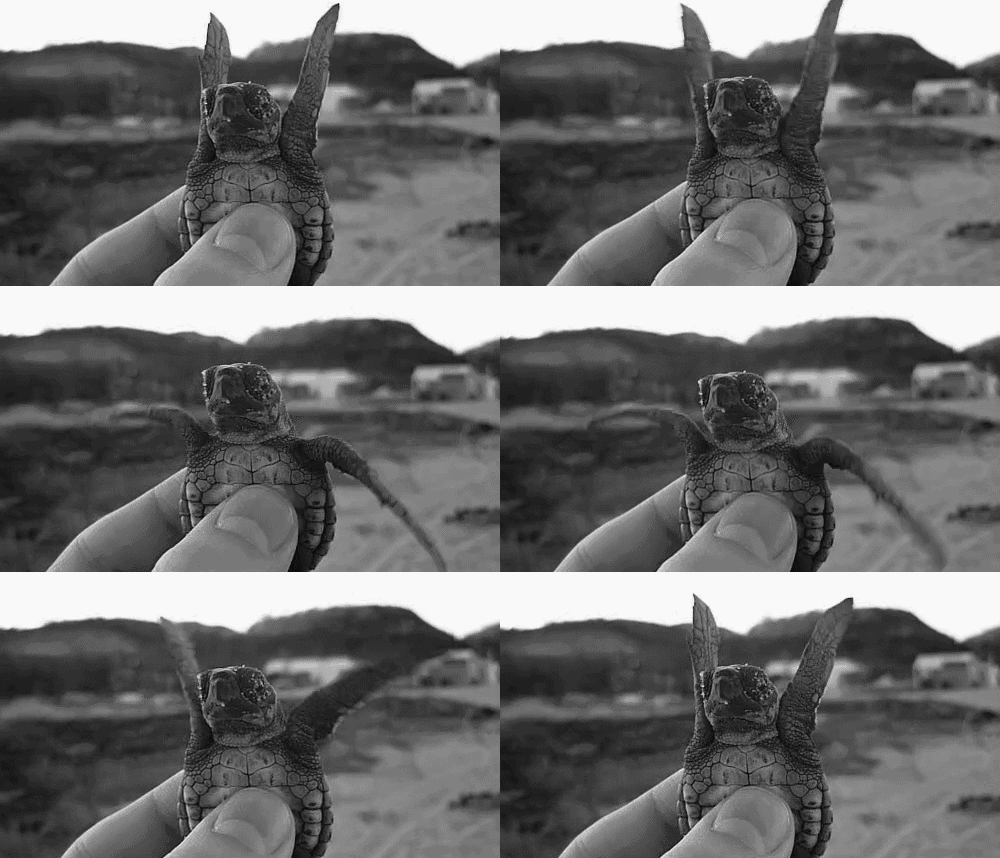
In addition to this, psychologists have suggested that social awkwardness is all about perception. Awkwardness is thought to be influenced by the individuals perception of how a social situation should play out versus reality. If a social interaction does not go as planned…then the awkward turtle swims into view!

Image result for awkward turtle gif

This is a particularly interesting hypothesis. Oftentimes I find myself feeling awkward when silence falls in social settings as I perceive conversational silence to be awkward….aaaand then I tend to ramble on nonsensically to fill that silence! 😛

In reality, the silence may not in actual fact be awkward. Companionable silence is perfectly natural; the awkwardness I feel may inadvertently be of my own creation!

So it seems that perhaps social awkwardness in autism comes from the disparity between perception and reality in social interaction.

Social awkwardness is also thought to ironically help people improve their social skills! It has been theorized that social awkwardness acts as a warning system to help us to recognize that we have made social mistakes so that we will not repeat them in the future.

Seeing as autists struggle with social communication and interaction, it stands to reason that we often feel awkward so that we might improve our social skills in the future.

So social awkwardness may in fact serve a purpose in autism! 😉

Enjoy the weekend everyone! 🙂

Aoife

Autism and Textures

Greetings Earthlings! 🙂

Today I’m going to talk about something that you may not be aware of in relation to autism- the issue of texture sensitivity.

During my assessment, I was asked by the psychologist if I had any issues with textures. Caught off guard (as I was unwittingly hoodwinked into attending the assessment 😛 ), I quickly answered no, only to realize hours later that in actual fact, textures influence my life hugely!

In all previous conversations about autism, I had never heard anything about textures, but these are in actual fact a common source of sensitivity for autists.

Rough seat belts, itchy labels and materials, even bras can be extremely irritating to the hypersensitive autist.

There was absolute war between my mother and I when I would refuse to wear a bra as a child! The sensation of the garment against my skin weirded me out and I found it extremely uncomfortable. I would even try wearing it over my thermal vest to place a barrier between me and it, buuuut it didn’t very work well…I was constantly fidgeting! 😛

Weird textures completely freak me out- cornflour (a particular pet peeve), some fruits and veg, yogurts (or most foods) with lumps in them and nail files to name but a few.

Encounters with such textures can lead to reactions like these…:

(Fun fact about me- I genuinely shake my head like a dog when I shudder! 😛 )

It’s not all negative though- you can learn to adapt and condition yourself to stimuli 🙂 I never drank a glass of water until I was 11 years old as it felt really weird to me compared with other more flavorful drinks. I gradually conditioned myself to it by taking one gulp water followed by one gulp juice (my family found this hilarious 😛 ) until the glass was empty- I now drink pints of water daily without issue! 🙂

Pleasant textures on the other hand pose an entirely different sensory experience, lighting up my brain like a Christmas tree! 🙂

The creamy texture of ice cream or chocolate melting in my mouth, the strangely irresistible and soothing feel of metal against my skin or the drug-like euphoria that comes from stroking a fluffy puppy-sheer bliss! 🙂

dfdsfhsae.PNG

As my sister remarked as I was writing this piece, it’s easier to list the textures that I do like than those I don’t! 🙂 😉

So what’s the scientific reason for this sensitivity?

As we have discussed in previous posts (Autism 101-Sensory Processing;Discussion-Trust, Intimacy and Sexuality), people with autism are hypersensitive to the sensation of touch. Dysfunctions in brain areas involved in sensory integration, in addition to hyper-connected and hyper-excitable neurons within the autistic brain, can greatly influence our responses to texture.

MRI studies of autistic brains also suggest that there is an exaggerated response to unpleasant stimuli in particular within the limbic system- a set of structures involved in such processes as emotions, behaviours and motivation.

It may seem like we’re consciously overreacting to certain textures, but our response is entirely neurological- so try to keep that in mind next time you see us pull a weird face after encountering an unpleasant texture! 😛 😉

Image result for nasty taste gif

Have a good week everyone! 🙂

Aoife

Autism on Screen- Snow Cake

Greetings Earthlings! 🙂

In continuation from the previous post, today I’m going to have a look at a female character with autism in the 2006 indie romantic-comedy drama (that’s a LOT of genres! 😛 )  ‘Snow Cake‘.

Snowcake.jpg

As discussed in my last post, gender bias is often an issue when it comes to women on the spectrum. Autism is viewed as a predominantly male condition, and as such this is reflected in Hollywood portrayals of autism.

We’ve all heard of ‘Rain Man’, but “Rain Woman” is rarely seen.

Snow Cake‘ is a really interesting example of this seemingly rare portrayal of autistic women on screen.

Starring Sigourney Weaver and the late Alan Rickman, ‘Snow Cake‘ explores the unusual relationship between Linda (a woman with high functioning autism) and Alex- a man who comes to visit Linda after her daughter Vivienne is killed in a car accident in which he was involved. Feeling guilty that he survived the accident, Alex set’s out to meet Linda and bring her some gifts that Vivienne had bought prior to her death, finding himself reluctantly drawn into her world.

You can view a trailer for this film below:

Before I get into the discussion of this, there is one line in the film (that can be seen in this trailer) that stands out for me:

I know all about autism- I’ve seen that film!”

bitmoji891163261.png

Granted, this line was likely included as a slight from the screenwriter, (a parent to an autistic child), towards public perceptions of autism, buuuutttt it does reinforce the importance of not believing everything Hollywood tells you of autism- something that one need bear in mind as to the portrayal of autistic women in this film in particular.

In terms of scientific portrayal of autism, the film gives a fairly accurate depiction of the symptoms.

BUT!

There is one major flaw…

Linda displays mostly male characteristics of autism!!

This is a common problem in on screen portrayals of autistic women as much of the information available to actors refers to male experiences of autism. For example, Diane Kruger was advised by a man with autism for her portrayal of Asperger’s syndrome in the series ‘The Bridge‘. When AS was featured in an episode of ‘Grey’s Anatomy‘ many years ago, a behind the scenes featurette revealed that the actress based her performance on a boy she knew with autism!

For her role in ‘Snow Cake‘, Sigourney Weaver conducted a lot of research into the role and was actually coached by a woman with autism- Ros Blackburn. Aside from her endearing eccentricities however, the character of Linda does not differ greatly from other films featuring male characters.

The problem here may lie in the script for the film, as screenwriter Angela Pell is mother to a boy with autism, and her writing would have been heavily influenced by her experiences.

However, the film does provide a good reflection of the reality of autism in that Linda is not a savant or overtly intelligent as is often over-represented.

In addition to this, Alan Rickman interestingly chose not to research autism ahead of filming in order to accurately reflect the reactions and frustrations that an outsider would experience in an encounter with an autistic individual, adding a further dimension of realism to the film.

Image result for snow cake

All in all, gender issues aside, ‘Snow Cake‘, while not the most riveting of films (wasn’t my cup of tea) does paint quite a realistic picture of life with autism.

Happy Friday everyone! 🙂

Aoife
Blog at WordPress.com.

Up ↑