Greetings Earthlings! 🙂
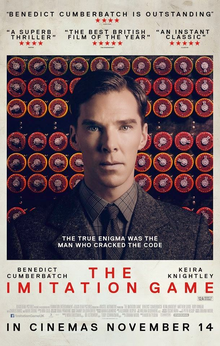
This week I’d like to have a look at the depiction of autism in the 2014 historical drama ‘The Imitation Game‘ starring Benedict Cumberbatch and Keira Knightley.
So what’s the film about?
Based on a true story, ‘The Imitation Game‘ follows computer scientist and mathematician Alan Turing during World War II as he works together with a group of code breakers to decrypt the German cipher machine Enigma, successfully intercepting key messages for British Intelligence. In designing his own computer (the Turing Machine) to decrypt the messages, Turing’s efforts allowed the allies to win a number of key battles in the war, with experts estimating that the war was shortened by as many as 2 years saving 14 million lives.
A trailer for the film can be found here:
Now this film isn’t strictly about autism, but as Alan Turing is widely believed by scholars to have had Asperger’s syndrome, it’s worth looking into the portrayal of Turing on the big screen.
So how did ‘The Imitation Game‘ fare?
In my opinion, I found Cumberbatch’s characterization of Turing to be very convincing of a man with Asperger’s syndrome- a blunt, literal, socially awkward character, with poor eye contact and a tendency towards unusual verbose language (although I will admit that these are once again, highly stereotyped autistic traits). It helps that Benedict Cumberbatch is no stranger to autism- for his turn in Danny Boyle’s Frankentein, Cumberbatch did a lot of research about autism and met with many individuals on the spectrum, his experiences of which would likely have influenced his portrayal of Alan Turing.
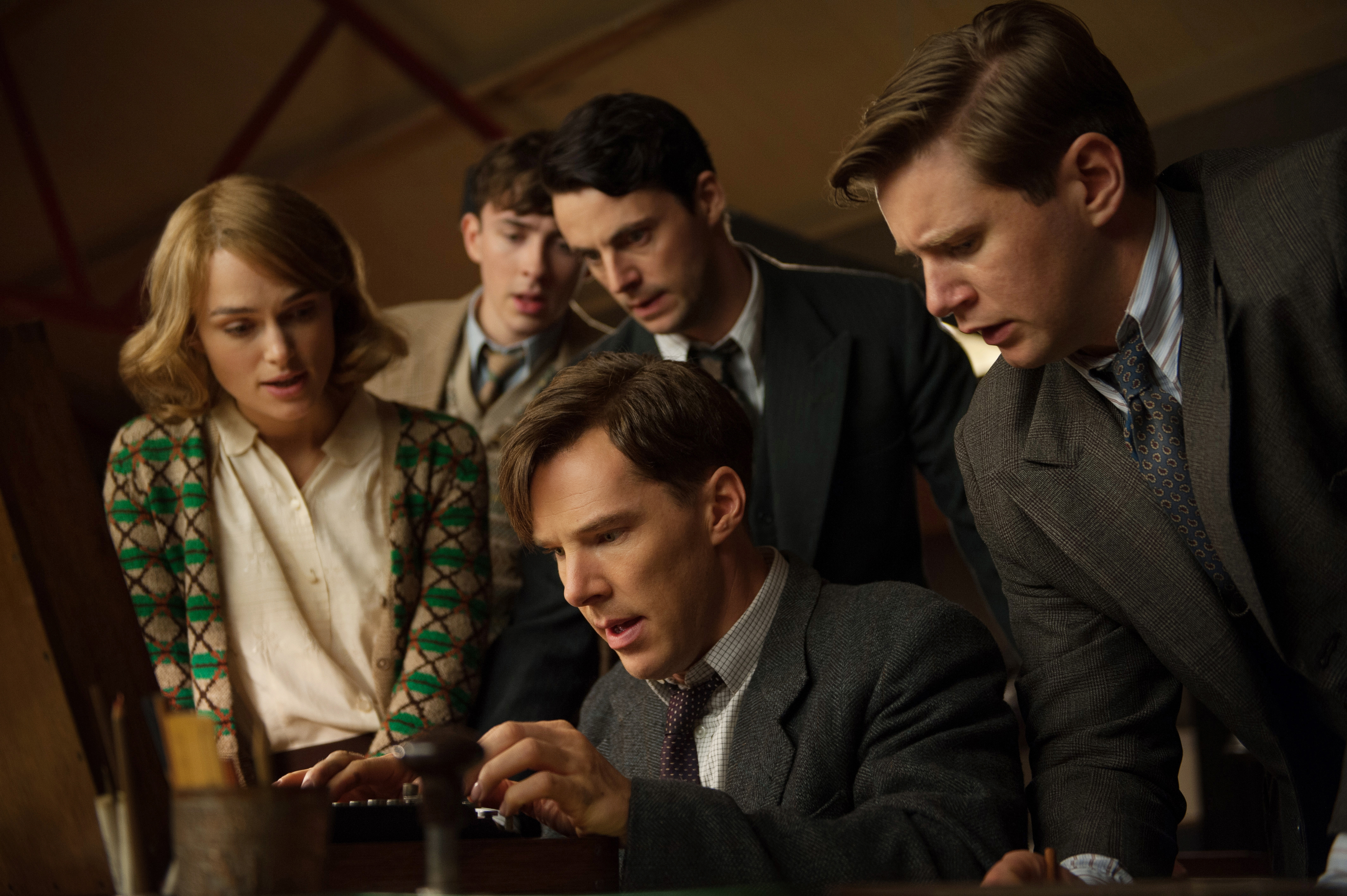
On the other hand, Turing’s intellect does further perpetuate the stereotype of the autistic genius, however, as in the case of ‘Mozart and the Whale‘ (also based on a true story), it’s hard to downplay a historical figure that is in fact a genuine genius 😛 We just need to get Hollywood on board with showing us a more diverse range of autistic characters in fiction films 😉
Interestingly, historians have criticized the film’s depiction of Turing as the autistic traits depicted do not align with Turing’s adult personality. Turing has been described as quite sociable and friendly with a good sense of humour, a man who did not have issues working with others- so it would appear that the filmmakers took some liberty with the facts in an attempt to convey that Turing was likely on the spectrum. Perhaps a more subtle portrayal of Turing’s autistic traits would have led to a more accurate portrayal of an alleged real life autist.
All in all, it’s a really interesting biopic and worth a watch to while away the lock-down blues 🙂
Hope you enjoyed this post dear Earthlings!
Have a lovely weekend!
Aoife

 A Is For Aoife Not Autism