This week I’d like to talk about the subject of autism friendly festivals.
Yes- you heard me correctly! 😀
Festivals and autism are not really two words that tend to go together, what with the crowds, noises, smells and flashing lights, but recent years have seen large music festivals such as Electric Picnic and Glastonbury set up specific sensory friendly tents for neurodivergent attendees. In addition to this, there are now a number of specific autism friendly festivals.
Autism charity ASIAM recently launched the Sensoria festival in Dublin as part of a 3 year plan to make Dublin the world’s first autism friendly city. A free ticketed event, the festival took place at two different times in the day to keep crowds to a minimum, offering sensory domes, pods and gardens, a messy play tactile zone, neurodiversity information tents and therapy dogs. In addition to these sensory friendly modifications, a number of sensory activities and performances were arranged including non verbal street theatre, sensory movement workshops, sensory silent films, and a unique show titled ‘Squish, Stomp, Spin – The Magic of Stim’ by ADHD artist Moss Russell.
Similarly in the UK, the Spectrum Autism Friendly Festival has been running since 2017. The festival is run by staff that are fully trained about autism, and offers attendees an enriching experience with sensory areas and quiet spaces in addition to fun activities such as cooking classes, arts and crafts, bouncy castles, treasure hunts, pedal carts, and even light saber training!
Whilst these autism friendly festivals are a great incentive, they are largely geared at children, which is a little disheartening for autistic adults with sensory issues. In Reading in the UK however, the A Different WorldFestival has been established to cater to older autists. Inspired by their teenage son who could not access the Reading Festival as an autist, the organizers set up A Different World to allow young people and adults with additional needs to experience a real rock festival. This festival follows normal festival formats, but limits numbers to reduce crowding and ensure space, allows no strobe lighting or pyrotechnics, has a sensory village, a service dog tent, and a wellness tent to cater for everyone’s needs.
Following on from my post about autism and driving, this week I’d like to talk about autism friendly parking facilities!
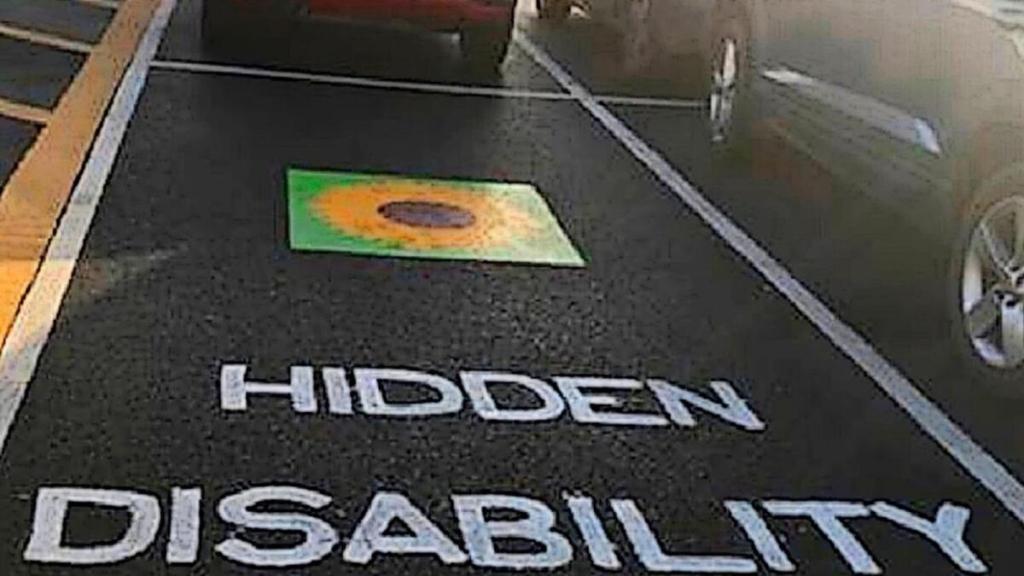
So I was recently out looking for parking in my local shopping centre and was surprised to see a sign for ‘Autism Friendly Parking’ with designated spaces for autistic drivers/autistic passengers. Parking is perhaps, in my experience, one of the most stressful aspects of driving on the spectrum. The stress of trying to find a space, efforts to get into available spaces, the panic from holding up traffic when it takes you an age to get into an awkward spot- I would love to see what my blood pressure readings are like after it sometime!🙈 In all my years of driving I have never come across an autism friendly parking system, so naturally I had to investigate.
Many businesses have now started providing designated autism friendly parking. These spaces are located closer to the door of business’s (just like disabled sparking spots), to make life easier for autists, especially for those with mobility issues.
So in Ireland, you can apply to get an autism friendly parking permit. With proof of diagnosis and a small fee, you will be sent a permit to put in your car window which will allow you to avail of autism friendly parking spaces. These permits prevent abuse of the system and allow you to park in these spaces without fear of clamping. The permit also has the dual function of alerting emergency services that there may be an autistic driver/passenger in the car in the event of an accident, just like autism ID cards. So far this system is mainly provided by private businesses, but autism friendly towns like Dungarvan have implemented these parking schemes throughout the area. In recent weeks, Cork councilors are seeking to roll out a similar model to Dungarvan across the county, so this scheme could soon be a lot more readily available.
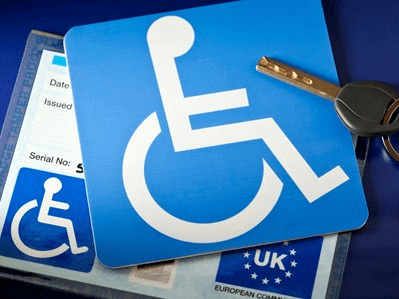
Similar schemes exist in other countries like the United States and the UK. In the UK for example, hidden disabilities like autism are now eligible for the blue badge scheme- the UK’s disability parking scheme, which enables autists to park in designated disabled parking spaces.
So if you find parking as stressful as I do, it’s worth investigating if there is an autism friendly parking scheme available in your area 🙂
Happy new year! Hope you all had an enjoyable Christmas holiday! 🙂
This week I’d like to talk about relaxed performances in the theatre and how they can be beneficial to autists.
So what exactly is a relaxed performance?
A relaxed performance is pretty self explanatory- it is a performance in the theatre where the normal rules and etiquette are “relaxed” and the ambiance is adjusted to be more sensory friendly for the audience. Oftentimes the theatre can overwhelm the senses with loud music, strobe lighting and sudden noises (I jumped so high when a prop gun went off during Phantom of the Opera!), which can make it problematic for autists.
But how is it tailored?
Different theatres will offer different experiences, but in general, a relaxed performance focuses on sensory elements such as removing strobe lighting, turning down the stage volume, and brighter house lights. The normal rules of the theatre are relaxed, meaning that the doors are not locked, you can get up and move around if you are getting overwhelmed, and many theatres even provide a designated, quiet chill out space.
As an avid lover of musical theatre, I was naturally eager to attend one, and was delighted to see that the Watergate theatre in nearby Kilkenny was putting on a relaxed performance for their pantomime performance of Aladdin. The theatre had a very detailed plan on their website for the performance to make the show inclusive for all:
The auditorium doors were opened 45 minutes ahead of the performance (way earlier than a standard show) to allow the audience extra time to come in and settle down and familiarize themselves with the room
Strobe lighting and loud/sudden sound effects were removed, and the overall lighting and sound was adjusted for a more comfortable sensory experience
The house lights remained on and low over the audience, who were free to move around as needed
They even provided a detailed preparation journey document outlining the theatre facilities, with multiple pictures to help orient visitors with the theatre to fully prepare an autist for their theatrical experience
So what did I make of it?
For me personally as a high functioning, seasoned theatre goer, it was a bit of a mixed bag. In theory, the concept is amazing, but in practice it’s a lot more difficult. The lighting and sound adjustments were great, the experience was far more relaxed without the likelihood of jumping out of my seat unexpectedly, buuuuutttt these adjustments created another sensory quandary.
So the theatre has it’s rules and etiquette for a reason- to allow everyone to hear the performance un-distracted. But, without these rules, the audience is naturally much louder than a regular performance… In a room full of uninhibited, talkative/echolalic, snacking neurodivergents with lowered stage sounds, the performance becomes difficult to hear. I often missed jokes and lines due to the sound adjustments- and this was with me sitting in the front row beside a speaker. This created a greater sensory issue for me as I was surrounded by distracting noises everywhere, with constant chatter and rustling of snacks. While this was primarily irritating for me, a more sensitive autist could have had a meltdown in this scenario. As the stage sounds were reduced, normal sound reducing earpieces would not have improved the situation.
Granted, in my experience, audiences that have large numbers of children in attendance are much louder, but the stage volumes usually counteract the increased noise threshold. As such if sound is your primary sensory sensitivity, you would be better off attending a regular performance with ear defenders or noise reducing earplugs (I highly recommend these- I tested them out at Rocky Horror Picture Show and I lost no sound quality with the volume reduction).
All in all, while the concept of a relaxed performance is good in theory, it may not be suitable for all autists.
This week I’d like to talk about an autistic character in the ABC sitcom ‘Not Dead Yet‘ starring Gina Rodriguez of ‘Jane the Virgin‘ fame.
So what’s the series about?
In a nutshell, Nell is an out of work journalist trying to get back in the game after leaving her job 5 years ago to move to London with her then boyfriend. She returns to the States with her tail between her legs, taking a job writing obituaries for her former employers. Things start to get interesting however, when Nell starts to see the ghosts of her subjects!
You can check out a trailer for the series here:
So back to autism.
Nell’s room mate Edward is on the autistic spectrum, played by autistic actor Rick Glassman. A nerdy, brutally honest, passionate environmental lawyer, Edward needs strict routines like the majority of autists, but for the most part he is a “normal” functioning member of society.
You can see a clip here where he opens up to Nell about his diagnosis here:
One of the interesting things about the character of Edward is that the casting director sent out a casting call for neurodivergent or autistic actors. The character wasn’t necessarily written as autistic, but they were open to making Edward autistic as they wanted to get extra ideas of people who aren’t normally represented- a very positive move for the entertainment industry. The writers also hired autism consultant David Finch to ensure that they were accurately depicting the day to day nuances of living as an autistic adult, something that really comes across in the series.
The show is quite refreshing as Edward is used as comic relief but not in the way you would expect. So often the autist is the butt of the joke in comedic TV shows, but in ‘Not Dead Yet‘, Edward flips the script and makes fun of everyone else with his neurodivergent asides and unfiltered comments. One of the things that I really connected with however was how the writers handled masking. When Edward’s girlfriend is in town, he takes on a completely different persona. He hides his nerdy toys, pretends to be spontaneous and nonchalant- the complete antithesis of the Edward we had seen thus far. Thankfully, Nell, despite preferring many of his false traits, encourages him to drop his mask and be himself which you can see in the clip below:
It’s really heartening to see this scene as so often autists are encouraged to mask to fit in, often at the loss of self. I spent much of my teenage years masking, often suppressing my true interests and quirks to fit in with my peer group. I feigned interest in girly things like pop bands and trashy TV shows just to have things to talk about, when what I really wanted was to talk gaming and rock n’ roll! It was only after I went to college and began to embrace my quirks and just be me that I made true friends like Edward has in Nell.
I highly recommend watching this series (it’s currently available on Disney +) as it’s a quirky easy watch with a lot of heart.
Leading on from my previous post about managing autism while travelling, after a recent mishap with a suitcase in the airport on my way to Italy, this week I’d like to talk about when things go wrong.
Ordinarily, travelling on my own through an airport is no great hassle for me. I’ve done it loads of times before with no issue, however, with all the disruptions to travel since the start of the pandemic, flying has become a little bit more stressful. Due to reduced capacities on public transport, I started out my journey on the wrong foot by driving the 2 hours to Dublin up a very busy motorway on a Friday afternoon- not the most calming of scenarios given some of the issues autists can have driving. Arriving in the terminal after a lengthy search for a free parking space (despite pre-booking), I made my way directly to bag drop off to relieve myself of the ginormous suitcase I was carrying, laden with goodies from home for an overseas relative.
That’s when things started to go awry…
The suitcase wobbled and rolled off of the self service scales as it was recording the weight, so the label the machine printed off displayed an incorrect value. I proceeded to put the bag on the drop off conveyor… buuuttt it wouldn’t take my suitcase! Now as we are in Covid times, there were crowds of people round me travelling, but not a lot of staff to ask for help from at these desks in order to reduce interactions. So I tried to re-weigh and reprint my tag a second time to find that my bag was 0.8 kg over the limit, leading me to frantically kneel down in the middle of the floor, pulling out shoes and baked goods to shove them in my carry on. I was enduring this stress while still wearing my coat and a face mask, so the heat from the situation was rising, not to mention I was still coming down from the stressful drive, was tired, hungry, and in need of the bathroom- so my sanity was hanging on by a thread! Once I had reduced my weight sufficiently, the machine then refused to print another label for my luggage, and tried to charge me €60 for the pleasure! 🙈
Sooo I frantically searched for a an attendant to advise me, who did not have a solution only that I join the massive queue at the ticket desk…aannnnd then the meltdown hit! Thankfully it wasn’t more than a few tears, and once I communicated that I was autistic to the attendant, she was very nice and supportive 🙂
But the saga wasn’t quite over yet! As I proceeded towards the ticket desk for assistance, another attendant saw me and asked where I was going with my suitcase (as the desk was in the opposite direction to the drop off). I communicated my issue and this no-nonsense lady firmly told me to stop crying! Believe me, I wouldn’t be crying in my thirties over something so stupid as an overweight suitcase if I had the choice 😛 She eventually steered me direct to the drop off and fired the suitcase on the conveyor with a final parting order to stop crying. Five minutes later, I was sitting calmly in McDonald’s, my crisis was over and the mortification set in 😳
Granted, this experience was resolved quickly and could have been a lot worse (I’ve had a 24 hour delay on a previous family holiday), but it was still an extremely stressful few minutes!
Based on this mortifying experience, here are some modified tips for dealing with autism while travelling when it’s too late for prevention:
Take a moment to collect yourself– if you feel like a meltdown could be coming on, take a step back. My stress over increased airport traffic with international travel opening up pushed me to keep going, but I should have paused to take off my coat, grab a snack from my bag, and try the suitcase again.
Take a break in a sensory friendly room (if available)– Irish airports have pioneered sensory friendly rooms for travelling autists to enable you to take some chill time to come down from stressful scenarios. If a space like this is available, take some time out.
Approach a member of stafffor help– if you feel that you are struggling and are in a position to communicate your struggles, reach out to a member of airport staff and they should be able to help make your journey a little easier. Dublin Airport, among others, has a special lanyard that you can get to alert staff that you are autistic if you are in need of assistance, so the training is there for staff to help you in your time of need.
Take a break from your face mask– face masks can be quite problematic for a lot of autists, but are a requirement for travel at present. If you’re getting overwhelmed from wearing the mask for too long, go to the bathroom for a few minutes to pull down your mask and take some deep breaths privately. Pro tip– spend as long as you can in the food court as you will not be required to wear your mask in this area.
Bonus tip– If you’re using a self service scale, place your bag on it’s side, not on it’s wheels- learn from my mistakes 😛 😉
Perhaps the best tip I can offer is to make use of autism assistance programs where available. I have not previously used this service as I have not needed it, and also because other airports like Shannon Airport advocate the use of bright orange hats to quickly identify an autist, which as an adult, this concept would make me feel like a bit of a sore thumb 😛 Check out if the airport you are going to has an assistance program for autists that you can avail of so that in the event that something does go wrong, you will be taken care of. Once I was able to communicate that I was autistic, the staff were happy to help, but other autists may not be able to communicate this mid-meltdown, so make sure to check out assistance programs ahead of time to ensure that the help is available to you in the event that things go wrong 🙂
As we face into the holiday season, this week I’d like to talk about Christmas and autism.
It’s the most wonderful time of the year, yet as with most aspects of life on the spectrum, it can sometimes be overwhelming for autists. Flashing lights, busy and noisy crowds, interrupted routines and unexpected visitors can really throw an autist, even amidst the high jinks and excitement for Santa.
Here are some tips for an autism friendly Christmas:
Go shopping at off peak times– I know this can be hard to avoid over Christmas with shopping crowds (although perhaps this year human traffic will be lighter), but try to get out for Christmas shopping midweek or early in the morning to avoid getting overwhelmed by the crowds.
Wear sunglasses if Christmas lights are too bright– Ah the old reliable. I know I advise this as a solution to most light related sensory issues, but I do swear by my sunglasses! I rarely leave my house without them- I’ve even been known to wear them in clubs! Thankfully Christmas lights have never been an issue for me, but if you don’t want to miss out on any light displays, or official turning on of the lights ceremonies, just slip a pair on to take the edge off 🙂
Use a stocking/sack instead of gift wrapping presents– This can help reduce sensory overload from all the bright colours, noisy paper and textural sensitivities. I always had a Santa sack growing up and it was great fun to dig around in it and focus on one present at a time as I pulled them out 🙂
Autism friendly Santa Experiences- If your child tends to get overwhelmed with the crowds at Santa’s grotto, many places offer autism friendly experiences where the lights are turned down, there’s less noise, and the numbers are limited for a more calming experience. Granted, these may be harder to come across than normal this year, but something to look forward to in the future 🙂 There are also a lot of autism friendly pantomimes and shows to watch out for.
Decorate the house gradually rather than all at once– The sudden change in decor might be overwhelming for an autist, so putting up the decorations bit by bit will allow them to get used to the change gradually. Equally, the decorations could also be removed slowly to avoid similar incidences.
Use a static light setting on the Christmas tree/outdoor lights- If flashing lights are a problem, try buying a static set or set the flash pattern to static. If colour sensitivities are a problem, try to stick with plain white bulbs, or if yellow is a trigger colour (as is the case with many male autists), calming blue might be a nice alternative.
Pre-arrange Christmas visits if possible– To reduce the stress of unexpected visitors, try to plan out times/days when your family or friends might visit. This way there is time to get used to the idea and your child will not be thrown by a sudden arrival/routine disruption.
Maintain routines where possible– To avoid added stress, try to stick to regular bedtimes, bath times and mealtimes.
Be cautious of holiday scents- Be careful if trying out Christmas scented candles, air fresheners or when buying a real Christmas tree in case these scents are a sensory trigger. A couple of Christmas’s ago, one seasonal Yankee candle made me throw up when I smelled it, so beware (it could also have been a side effect from the strong antibiotics I was on at the time, but I’ve avoided it ever since to be sure😂)!
Ho-ho-ho-pe you enjoyed this post dear Earthlings! 🙂











 A Is For Aoife Not Autism