In continuation of my previous post about weighted blankets for autists, this week I’d like to discuss another weighted item- weighted plushies!
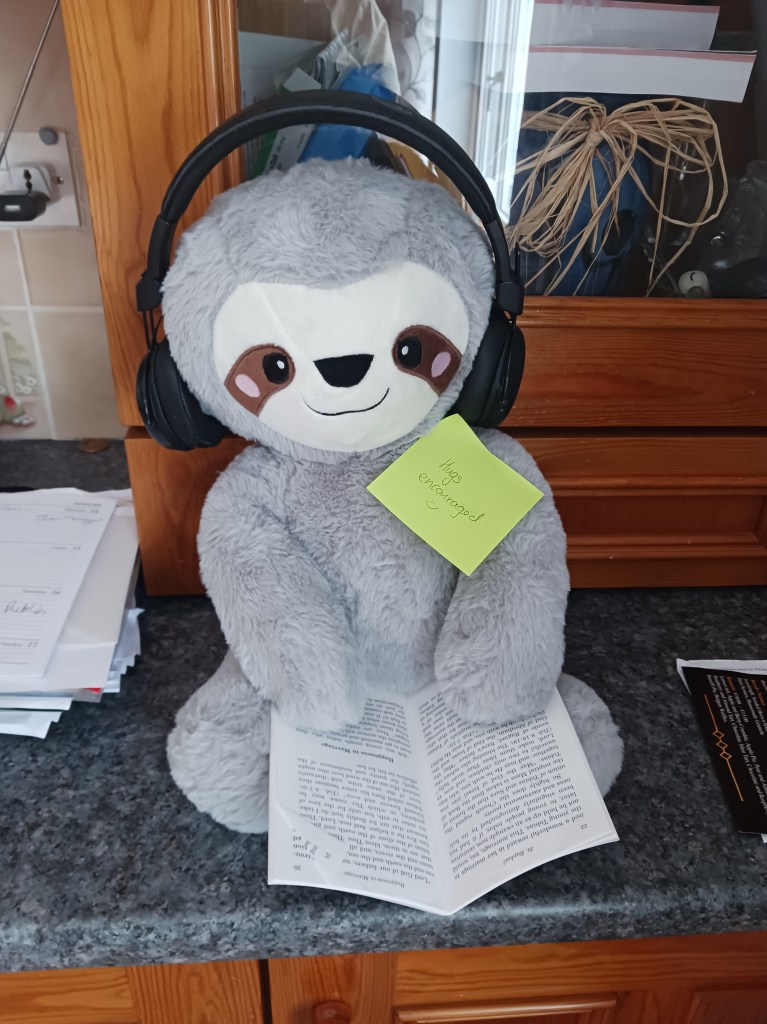
I’ve always had a fondness for soft and cuddly bears (gotta love that texture 😉 ) so when I found out that they made weighted plushies I just had to give it a whirl! I bought Sleepy the Sloth (or as he’s been renamed in our house Séamus the Sloth, which we thought suited him better) on Amazon a couple of weeks ago to see how I fared.
My sister had some fun staging him one night while I was out at a concert 😂
But first things first, what exactly is a weighted plushie?
A similar product to weighted blankets, weighted plushies are filled with beads or pellets instead of conventional stuffing to exert calming deep pressure to the skin to mimic the effect of a hug. Weighted plushies are usually much lighter than weighted blankets (Séamus is 1.5kg and my current blanket is 7kg) so they are a much more portable option when on the go with a child with autism. There are also heatable versions that you can put in the microwave so you have the double whammy of soothing weight and heat. Disney have even launched a line of weighted plushies so your favourite characters can be used for sensory relief! 😀
So how does it work?
Like weighted blankets, research is limited but they seem to work through the same mechanism. As I’ve discussed previously, autists have higher levels of stimulatory neurotransmitters and lower levels of calming neurotransmitters, meaning that our brains are more “switched on” and harder to turn off than most. The deep pressure exerted by the plushie is designed to stimulate the release of the calming neurotransmitters serotonin (which helps regulate the sleep cycle and temperature) and dopamine to relax and soothe the racing mind. It’s also thought that deep pressure can stimulate the limbic system, the emotional centre of the brain, which could potentially help calm you down during a meltdown.
So how did I get on?
Aside from all the fun we’ve had playing with Séamus, he really provides a lovely sensory experience. It’s reminiscent of having a sleeping puppy on your chest when you drape him round your neck, (minus the warmth, wriggling and gentle snuffling sounds). You get that same sense of calm wash over you like with the weighted blanket, so it’s great for when you’re sitting watching TV or travelling and need something less cumbersome. However, a plushie does not cover the entire body, so it doesn’t quite have that same fully enveloping sense of relaxation that comes from being completely covered by a weighted blanket.
All in all I would highly recommend giving a weighted plushie a try, but they can be a little pricey, so if you’re buying it for a child be sure to involve them in the decision in case they don’t like the animal/character you intend buying.
As it’s been a few years since my first post about celebrities with autism, I’ve decided to write a follow up post to discuss some other celebrities who have since discussed their experiences of autism.
Sia
Australian pop star Sia recently divulged that she was on the spectrum, 2 years after her film ‘Music‘ received backlash for it’s depiction of autism and casting of neurotypical Maddie Ziegler as a nonverbal autist. She did not admit to being on the spectrum at the time, but said that the film was based on the experiences of a neurodivergent friend (I must check out this film for a future post).
Sia has said of her diagnosis:
“For 45 years, I was like, ‘I’ve got to go put my human suit on’, and only in the last two years have I become fully, fully myself.”
SirAnthony Hopkins
Two-time Oscar winning Welsh actor Sir Anthony Hopkins was diagnosed with Asperger’s syndrome in 2014 when he was in his late 70s! The actor is quite dismissive of his autism status, calling neurodiversity a “fancy label” and says that he doesn’t feel very different after the diagnosis. He has said that autism impacts his ability to socially interact, but it also makes him quite focused which helps him in his acting career:
“I definitely look at people differently. I like to deconstruct, to pull a character apart, to work out what makes them tick and my view will not be the same as everyone else. I get offered a lot of controlling parts, maybe because that’s how people see me. And maybe I am very controlled because I’ve had to be. I don’t question it, I just take the parts because I’m an actor and that’s what I do.”
Elon Musk
Eccentric billionaire businessman Elon Musk has openly talked about his Aspergers diagnosis and how he was bullied as a child for being different, often struggling with social cues and literal thinking. His diagnosis has never held him back however, as he is now one of the wealthiest men in the world, and even became the first autistic host of Saturday Night Live (or at least the first person to admit it!). He often credits his brain as the driving force behind his success as his intense focus fuelled his specialist interest in science and technology, often spending entire nights happily programming on his computer.
Here’s a video of him talking about his experiences of autism:
Hannah Gadsby
Australian comedian Hannah Gadsby was diagnosed with autism in her late 20’s after a lifetime of struggling to fit in. She openly talks about her diagnosis in her comedy- a great way to both educate and help people see the lighter side of the spectrum. Here’s a clip from one of her Netflix specials:
Prison Break (remember that show? There’s a throwback!) and Legends of Tomorrow actor Wentworth Miller was diagnosed with autism during the pandemic in 2020 in his late 40s. He announced his diagnosis in 2021 on Instagram, telling the world of his struggles to get a formal diagnosis and how he is slowly educating himself on the world of autism.
Of his diagnosis Miller said:
“This isn’t something I’d change … immediately being autistic is central to who I am. To everything I’ve achieved/articulated.”
Dan Harmon
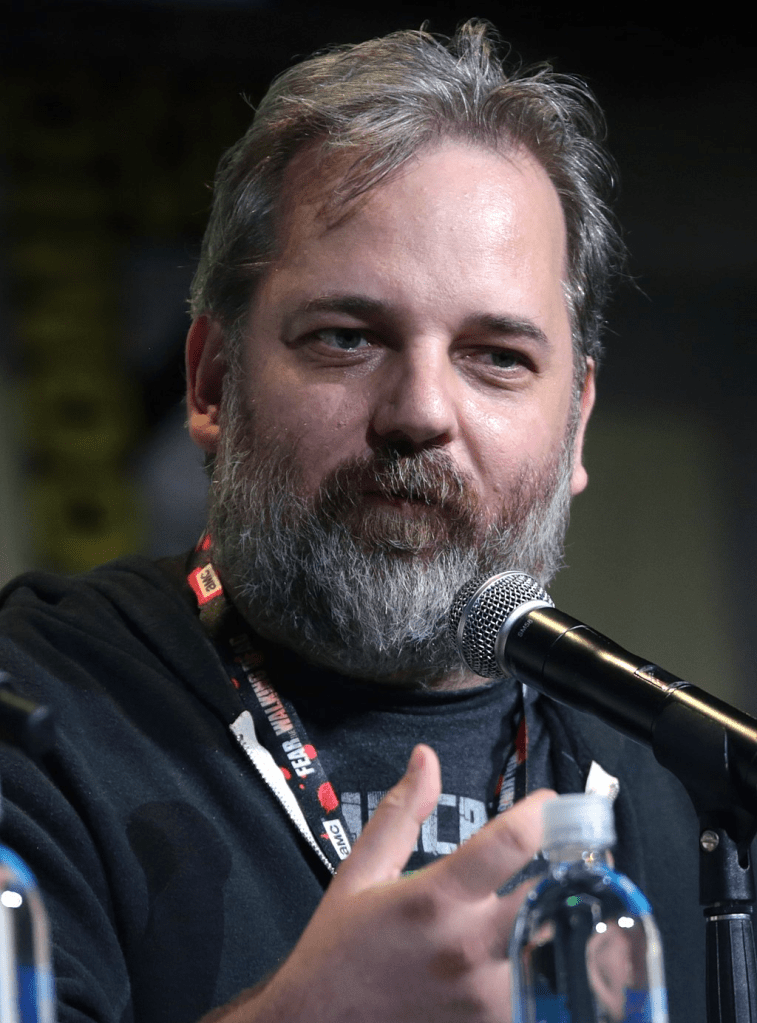
Writer and creator of shows like Community and Rick and Morty, Dan Harmon has self-diagnosed himself with Aspergers syndrome. When creating the character of Abed in Community and researching his character traits, Dan began to realise that he may be on the spectrum himself.
You can hear him discuss his experiences in an interview here:
Melanie Sykes
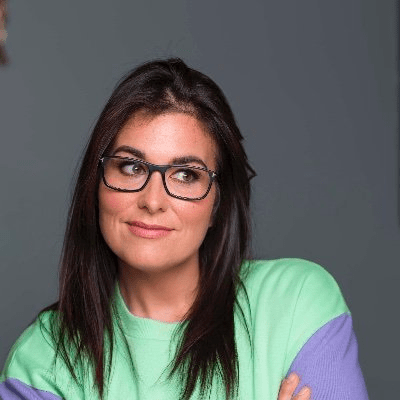
UK TV presenter and former model Melanie Sykes was diagnosed with autism in 2021 in her early 50s.
“I cannot begin to tell you the sense of relief this is for me and how much I celebrate this diagnosis.I now have a deeper understanding of myself, my life and the things I have endured.”
“I am wired a completely different way and I’m only just understanding it. Where I used to think ‘what’s wrong with me?’ now I know it’s everything that’s right with me.”
You can read more about her experiences in her book Illuminated: Autism & All The Things I’ve Left Unsaid and in the interview below:
Stephanie Preissner
Irish author and screenwriter Stephanie Preissner was diagnosed with autism in 2021 at the age of 34. She had always suspected that something was wrong, but never thought she might be autistic as the male experience fed to us in the media did not match her experiences (been there!). She had always done well in school with it’s structures and routines, but her mental health started to suffer in college as expectations were less clear. You can listen to a short interview with Stephanie about her experiences here:
BlindboyBoatclub
Now most of my international readers will not have heard of Blindboy Boatclub (one half of the Irish comedy hip hop duo The Rubberbandits) but his autism story is an interesting one. But before I get into it, for those of you wondering about his bizarre appearance, the podcaster, author and TV presenter famously wears plastic shopping bags on his face to conceal his identity 🤣. Blindboy was diagnosed with autism in his 30s following comments on his podcast from his neurodivergent listeners who remarked on how many of his worldviews aligned with their experiences of autism. Without his podcast, who knows if he would ever have been diagnosed! You can listen to his podcast talking about his diagnosis here: https://podcasts.apple.com/ie/podcast/intrapersonally-speaking/id1300577518?i=1000557413083
Just so my international readers can get an understanding of The Rubberbandits, here’s a video of their most popular parody from the peak of their fame:
Christine McGuinness
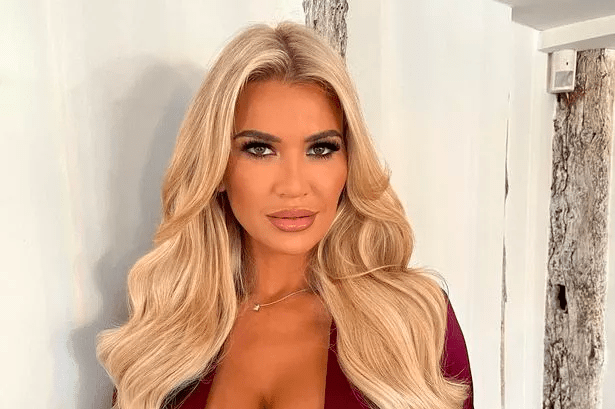
British model and TV personality Christine McGuinness was diagnosed with autism at the age of 33 having struggled throughout her teenage years, allowing her to finally understand why she is the way she is. Her 3 children are also autistic. She now advocates for greater visibility for women on the spectrum which you can see. in the video below:
Eminem
Chart topping rapper Eminem may also be on the spectrum. He has not openly discussed a formal diagnosis, but he has mentioned having Asperger’s syndrome in a couple of his songs which are famously influenced by his real life. He talks about Asperger’s in the opening lines of his 2013 song ‘Wicked Ways‘:
In interviews Eminem has talked about being very shy and awkward as a kid, often feigning illness to skip school so that he could stay home reading, writing poetry and drawing comic book characters.
It has also been suggested (but no confirmed diagnosis) that Vladamir Putin, Donald Trump, Lionel Messi and Bob Dylan also seem to demonstrate a number of autistic traits. Following the release of Christopher Nolan’s gripping biopic Oppenheimer, there has also been a lot of renewed speculation that the renowned physicist Robert Oppenheimer may also have been on the spectrum.
This week I’d like to discuss a little more unusual- the participation of autists in clinical research and trials.
Now before we get into this post, I’d like to preface things by reiterating my stance from previous posts that autism is not something to be “cured”, but that being said, pharmaceutical interventions can be useful in the treatment of conditions that are co-morbid with autism such as OCD, bipolar disorder, ADHD, GI issues etc., not to mention every day illness, so research participation can be highly beneficial for autists.
So what exactly is clinical research and why do we need it?
In a nutshell, clinical research is a branch of medicine that determines the safety and efficacy of treatments intended for use in humans. It differs from lab based research in that human volunteers are involved to advance our knowledge of health and medicine- most of the studies that I refer to in my posts would be classified under clinical research. Research is split into two branches:
Observational studies -where groups are observed/monitored to gather health data
Clinical trials/interventional studies– where a treatment/drug is administered to a group of volunteers to assess its safety and efficacy. Depending on the trial phase the volunteers may be healthy or target patients for the drug/treatment
Human studies are the only way to truly determine drug safety and efficacy prior to marketing, so clinical research is essential to the advancement of medicine. Diversity in clinical investigations is particularly important as it allows us to better predict potential patient outcomes after treatment roll out. Historically speaking, trials were not particularly diverse and didn’t always cater to target patients. Many trials were subject to gender bias with males dominating the data- there were even breast and uterine cancer studies conducted exclusively on males! We now understand the importance of enrolling biologically diverse groups, hence autists participation in clinical research could be greatly beneficial.
But clinical research can be daunting for anxious autists, not just at the prospect of poor outcomes and side effects, but there are many barriers that may make participation difficult for an autist. There are often a lot of sensory challenges in the clinical setting with bright fluorescent lights, strong smells from medicines and cleaning products, alarms and noises from medical devices etc. which would need to be addressed by clinical staff when enrolling autists in studies. Co-morbid ADHD can also be an issue as autists may find it difficult to pay attention during visits and may become distracted by their surroundings making it difficult to collect data. Similarly ADHD can also impact patients motivation and interest in the trial which can make it tougher to get them to stick with it. Autists also often have difficulty with taking medicines on a sensory level so non-compliance with any treatment regimes will not generate usable data for investigators.
Many of these barriers can be overcome through environmental modifications, frequent breaks and adequate educational and emotional support during research studies. If clinicians and autism advocates work together to make research more accessible for autists, who knows what good may come in future clinical investigations!
Apologies for my late seasonal greetings, but I’d just like to take this opportunity to wish all of my readers every blessing for 2023 🙂
This week marks 6 whole years of my blog (where on earth has the time gone?! :O ) so it’s time for a bit of an appreciation post!
Thank you all so much for your continued support and readership this past year. 2022 saw 73,000 of you guys stop by to read my posts- a new record for this site! I am truly honoured and humbled by your kind words every year about how much this blog means to you guys. I could do none of this without your love and support ❤
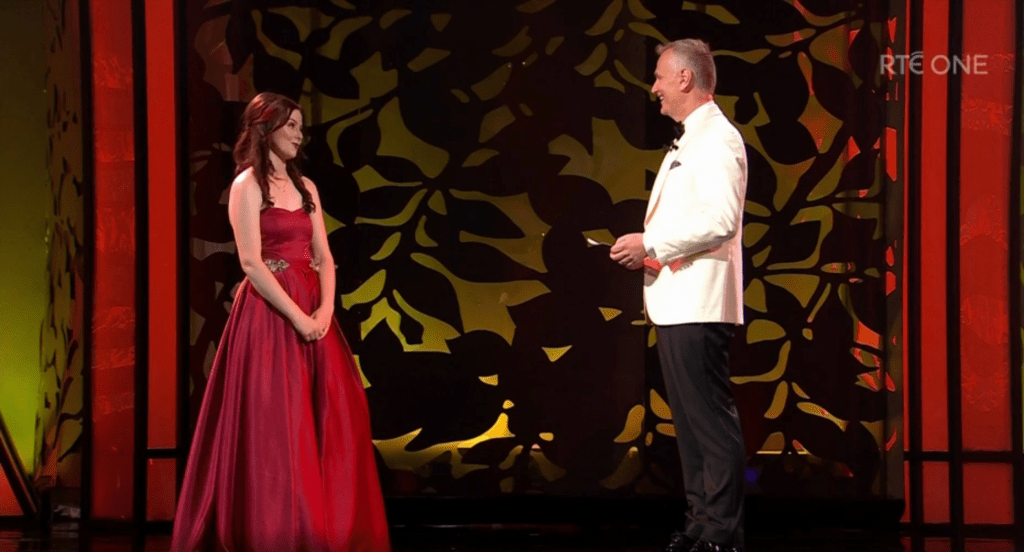
Last week in Ireland saw the return of the annual international Rose of Tralee festival, and with it one of the first openly autistic Rose contestants- the Toronto Rose Maysen Tinkler.
But first things first, what is the Rose of Tralee?
For those of you who are unfamiliar, the Rose of Tralee is a festival celebrated every year in the town of Tralee in Co. Kerry in Ireland. First held in 1959, the festival was conceived to increase tourism in Tralee and to encourage expats to return home. The festival serves as a pageant of sorts to select the Rose of Tralee- a young woman of Irish heritage who embodies the virtues of Mary the title character in the eponymous song which the festival derives it’s name from. The chosen Rose should be “lovely and fair”, chosen for her personality to serve as role model and ambassador to Ireland for the duration of her reign. The festival is billed as a celebration of the “aspirations, ambitions, intellect, social responsibility and Irish heritage” of modern young women.
Current Rose of Tralee Rachel Duffy from Westmeath
This years festival introduced us to the first autistic rose Maysen Tinkler from Toronto. Maysen, like me, was diagnosed with autism as an adult, finding the diagnosis a relief after years of feeling like an outsider. Refusing to be limited by autism, she decided to enter the competition to challenge stereotypes, providing visibility for autistic women everywhere. If you’re in Ireland (or have a really good VPN blocker) you can see her interview here round the 28 minute mark available until the 23rd of September.
Interestingly, she was not the only potential autistic candidate this year as there were two candidates, one in the Kerry selection and one in the Dublin selection who both discussed their diagnosis to raise awareness about the condition. Jennifer O’ Conner who competed in the Kerry Rose selection even recited a spoken piece she wrote called ‘Autistic Joy‘ about her experiences of autism and the festival over the years and the joy that is often overlooked:
As autism is so poorly understood in women, it’s amazing to have this representation in this international platform for young autistic girls to look up to.
This week I’d like to talk to you about one of my specialist interests- the Eurovision Song Contest, as this year one of the entrants is on the autistic spectrum! 😀
So, first things first, what exactly is the Eurovision Song Contest?
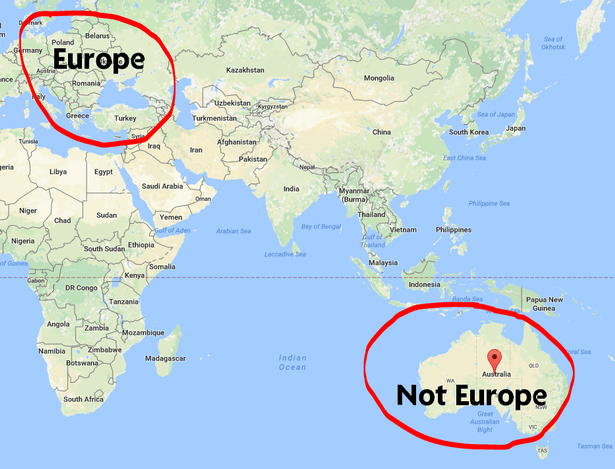
The Eurovision Song Contest (ESC) is an annual international songwriting contest organized by the European Broadcasting Union (EBU) that was first established in 1956 as a means of bringing divided European nations together through music in the wake of World War II. Originally, only 7 countries participated, but over the years musicians representing 52 countries have competed across Europe, Israel and Australia (don’t get me started on the logic for that one…)
Each participating country submits one original song under 3 minutes in length, and performs the song live on stage to the world, competing to win a trophy and the chance for their nation to host the contest the following year. There are two semi finals and one grand final, all held over one week, usually in May. The voting is a 50/50 split from audience televotes and panels of industry experts from each participating country.
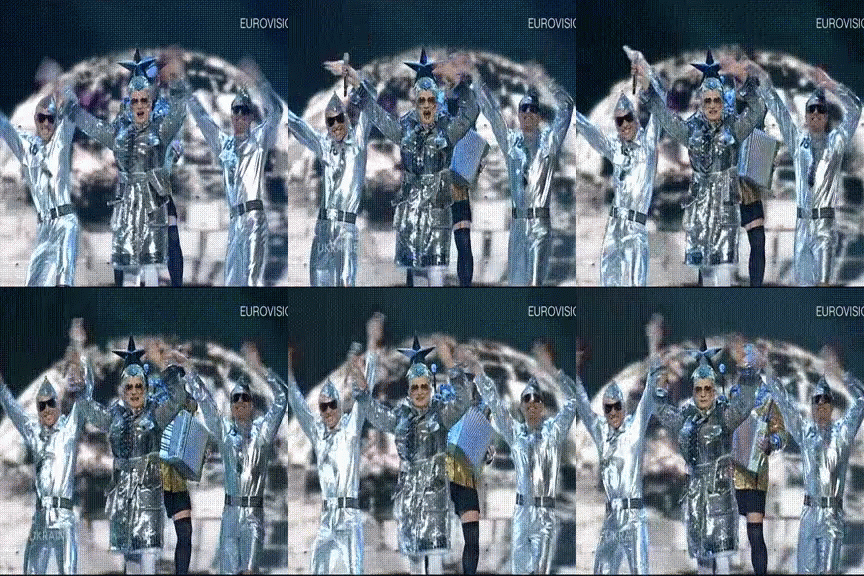
For those of you who are unfamiliar, Eurovision is very popular in Europe with an average annual audience of just under 200 million viewers. Over the years it has grown from a simple song contest to a huge spectacle with elaborate staging and often crazy performances from bread baking Russian grannies, to metal monsters, dancing drag queens, to flapping puppets (sorry again for that one Europe!), to powerful songs that unite us and capture the hearts of an entire continent.
Eurovision has also brought many acts to worldwide fame such as ABBA (Sweden 1974), Daði Freyr (Iceland 2020/2021), Riverdance (Eurovision 1994’s interval act), Céline Dion (Switzerland 1988) and most recently Måneskin representing Italy in 2021. A host of other established acts have represented their countries (or failed to do so) over the years, including Cliff Richard (UK 1968/1973), Julio Iglesias (Spain 1970), Enya (Irish song selection 1973), Olivia Newton John (UK 1974), Katrina & the Waves (UK 1997), Bonnie Tyler (UK 2013), Cascada (Germany 2013), Darude (Finland 2019), The Rasmus (Finland 2022) and even Elton John and Bernie Taupin wrote a failed song for Lulu in 1969 (who won with a different song that year) for the UK national selection! My native Ireland retains the title of most all time Eurovision wins (7 in total, including 3 years undefeated between 1991-1994), so naturally Eurovision was a big deal when I was growing up 🙂
We get it, you love Eurovision Aoife, so where’s the autism link?
This year, the Australian delegation (we’ll let the geographical issues slide for a few paragraphs) are sending autistic singer Sheldon Riley to the contest in Turin, Italy with his song ‘Not The Same‘ where he talks about his struggles in life, and particularly his struggles growing up with Asperger’s Syndrome. You can check out the song here:
Diagnosed at 6 years old, Sheldon was told that he would never be “normal”, that he would never achieve his dreams, never have a job, friends or a romantic partner. Instead, he has defied the odds and went on to compete in several song competitions in Australia in addition to America’s Got Talent. As part of his stage persona, Sheldon incorporates elaborate crystal masks into his performances to hide his face to allow him to focus on his singing as he often feels judged for his appearance, a shield to allow him to perform, taking autistic masking to a new level. With his participation in Eurovision however, Sheldon finally feels confident to start ditching his mask to embrace who he really is. You can also hear Sheldon talking about his experiences of autism to BBC in the video below:
Sheldon isn’t however the first autist to take to the Eurovision stage. In 2015, Finland sent the rock band Pertti Kurikan Nimipäivät comprised of disabled musicians with Down Syndrome and Autism. To this day it holds the record for the shortest ever song performed at Eurovision:
On another level, Greta Thunberg’s mother, Malena Ernman, who is an outspoken advocate for autism awareness, represented her native Sweden in the Eurovision in 2009!
Whilst these are the only confirmed examples of autists competing in the Eurovision, it’s quite possible that other past artists may also have been on the spectrum (knowingly or otherwise) but they have not revealed their diagnosis.
Fun Fact– yours truly contributed to last years 4th place Icelandic entry as part of an online virtual choir of 1000 fans, so you could say that one other autist has appeared on the Eurovision stage (in a roundabout way 😛 )
Hope you enjoyed this post dear Earthlings! 🙂
Have a lovely weekend and enjoy the competition tomorrow night if you’re watching!
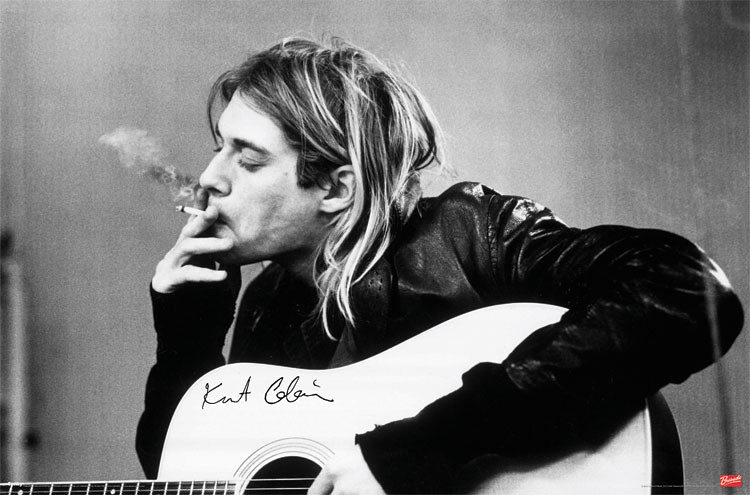
This week I’d like to discuss something that I’ve been wondering about for a while, whether Nirvana front man Kurt Cobain was on the autistic spectrum.
As a teenager in the mid noughties, I discovered the music of Nirvana during a particularly turbulent time in my life (the joys of being an undiagnosed teenage aspie). Kurt’s words brought me great comfort as he verbalized so many emotions that I was struggling to identify. Reading more about his life, I really identified with him and felt a sense of kinship- his experiences of bullying and struggling to fit in as a teen, his shyness and intense sensitivity, his struggles with mental health and how he was so often misunderstood by the world.
After receiving my Asperger’s diagnosis in 2014, I became more familiar with autistic traits, and I often wondered if maybe Kurt had been on the spectrum- a question that many people have pondered on various messaging boards across the internet. Kurt was a quirky individual, often aloof and preferring social isolation, regularly rejecting social norms as many autists are prone to. He was an extremely sensitive individual who often struggled to balance empathy and apathy as he cared so deeply about the world and everyone in it. His struggles with addiction are well documented, something that is increasingly associated with autists. Kurt also suffered from an agonizing, unexplained stomach complaint. Many autists suffer from co-morbid digestive issues, issues that can be exacerbated by intense stress- the kind that would be worsened by such a meteoric rise to fame like Kurt’s.
Interestingly, Kurt’s widow Courtney Love is mildly autistic- if Kurt was indeed on the spectrum, this could explain their intense connection and turbulent relationship. Some of my closest friends are on the spectrum and the sense of connection I feel with them is completely different to my other friendships- we understand each other more than anyone else ever could, like matching locks and keys clicking perfectly together.
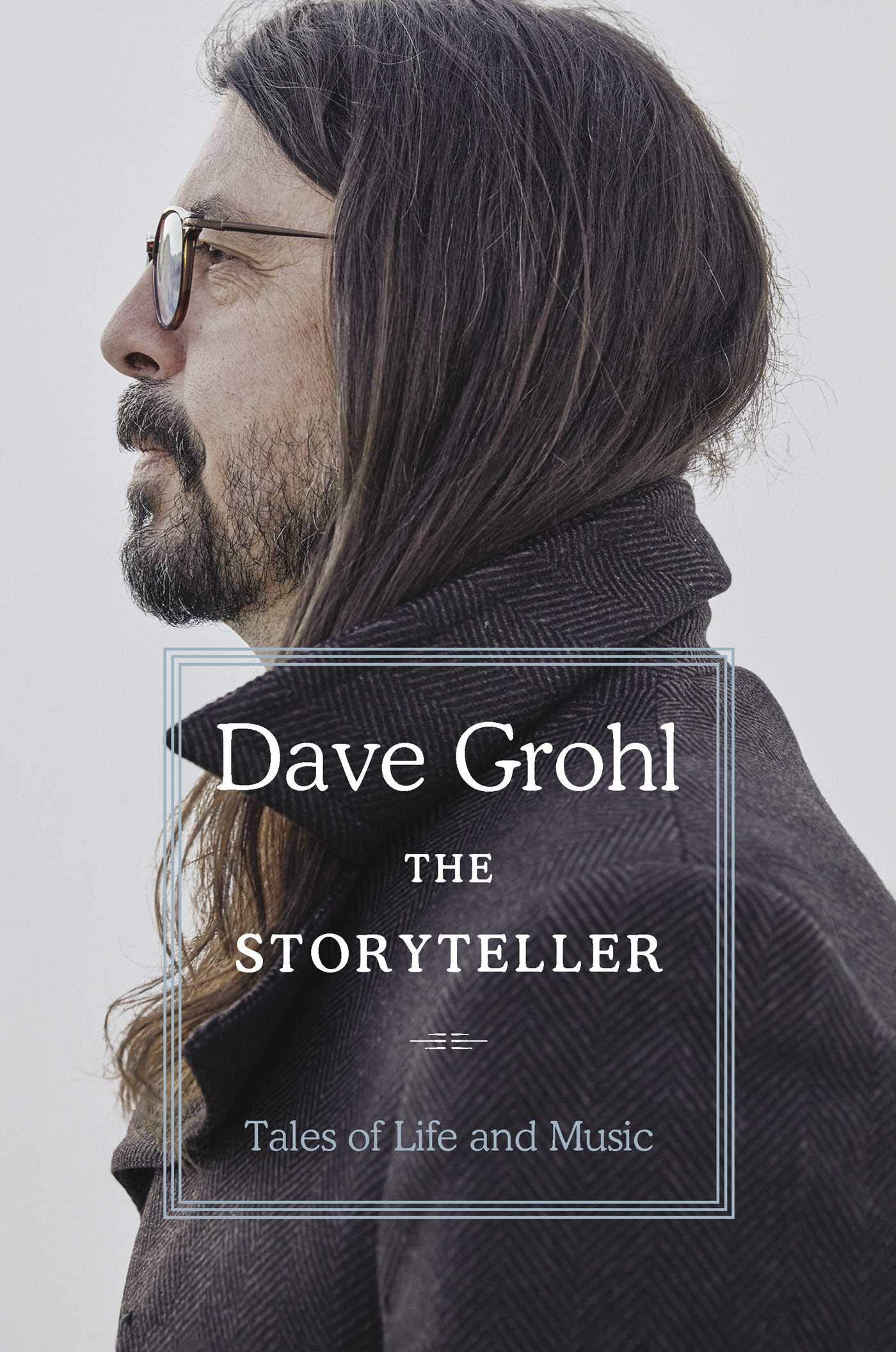
Having recently finished Nirvana drummer Dave Grohl’s memoir ‘The Storyteller‘ (for any Nirvana or Foo Fighter’s fans I highly recommend it 🙂 ), Dave’s personal stories from life on the road with Kurt have really reaffirmed for me what I had long suspected. In the book, Dave talks of how the huge crowds that gathered to see Nirvana in tiny venues at the peak of their fame would drive him to breaking point, constantly crawling onto the stage and interrupting the set. Kurt would reach a point in the show where he would become completely frustrated and seemingly overwhelmed with the feral fans and he would proceed to break things around him like instruments, soundboards, anything he could find to vent his frustrations. As Dave described in the book, when Kurt got frustrated, things were going to get destroyed. To the media, this seemed like a deliberate rock and roll statement, but Dave assures the reader that it was no show.
Reading these passages felt so much like someone describing an outsiders view of a meltdown. So many times during a meltdown I’ve felt the intense need to pick things up and throw them or break them just to disperse some of the pent up emotions from sensory overload (my maths book was thrown at the wall soooo many times when I couldn’t understand my homework!). When your brain is overloaded from sensory input, it pushes you to physically output energy to try to redirect your overload and expend some of the excess energy coursing through your brain. Stimming is the classic example, but sometimes the physical urge manifests in other ways like throwing things, punching, kicking etc.
Kurt’s quotes and lyrics have always resonated strongly with me. As many of you may have noticed, my homepage is emblazoned with his immortal words: “Trying to be someone else is a waste of the person that you are.” Kurt’s lyrics are ablaze with the pain of someone who always struggled with their identity, never felt at ease, never felt like they belonged. In the song Dumb, Kurt gently lilts “I’m not like them, but I can pretend,” a sentiment that resonates with so many of us autists. Perhaps his life could have turned out differently had there been a better understanding of neurodiversity during his lifetime ❤
Wow- I cannot believe it’s been 5 years!😱 Where has the time gone?!
205 posts, roughly 1000 regular readers, 123,000 views and 94000 visitors from almost every country on the planet! 🤯
I am truly humbled by your continued readership and support over the last 5 years. When I first started out I never dreamed that my audience would grow very much from it’s humble beginnings as a side project to keep me entertained as I was searching for employment. I don’t think I’ve managed to keep any other project tipping away for this long- except perhaps the complete works of Hans Christian Anderson which I’ve been reading for over 20 years now!
Sorry I’ve been very quiet lately but the weeks leading up to Christmas were very busy and stressful so I’ve been taking some downtime, but I hope to be back on schedule with a brand new post next week 🥰
Thank you all so much once again for your continued love, support and encouraging comments ❤
Just taking this opportunity to wish you all a very merry Christmas and a happy and healthy 2022. In spite of all the lockdowns, this year has been quite good to me- the blog hit a milestone 100,000 all times views a couple of months ago! 😱🥳
Thank you all so much for your continued readership, support and kind messages this year. I read them all and appreciate every one.🥰
Happy New Year! 😀 Please God 2021 will be a lot kinder to us than 2020 has been (current Irish lockdown aside 😛 ).
It’s time again for my annual reader appreciation post! 😀
Can you believe it’s been 4 years already?! 😱 I know I say this every year, but I am genuinely shocked that I’m still here and that you’re all still interested in listening to what I have to say! 😂
Thank you all so much for sticking with me whether you’re new to the blog or have been with me over the last few years. I greatly appreciate your readership and messages. Particularly during these difficult times, I’ve really enjoyed hearing from you this year; you’ve given me many warm fuzzies to lighten the darker days 🤗.
I’ll have a brand new post for you next week so stay tuned! 🙂
Wishing each and every one of you all the best for 2021- we’ll make it a good one!




















 A Is For Aoife Not Autism