Autism and Taste

Greetings Earthlings! ๐Ÿ™‚

As we have discussed in previous posts (such as sensory issues,ย light sensitivity andย sound sensitivity), people with autism are highly sensitive on a sensory level, so naturally, taste is no exception.

Related image

Many autists have highly sensitive taste buds wherein we find a number of flavours and foods too strong and overpowering to tolerate. This sensitivity to tastes can make life very difficult when it comes to taking medicines, food selection (which we will discuss in greater detail at a later stage) and maintaining a somewhat neutral expression when put in awkward public tasting scenarios (perhaps one of my biggest personal challenges ๐Ÿ˜› ).

bitmoji1419645621.png

On the other hand, some autists can in fact be hyposensitive to taste, often preferring foods with stronger flavours

So what’s causing these alterations in tongue sensitivity?

The research into this aspect of autism is currently quite limited, however, some neurological studies indirectly suggest that there is evidence of taste dysfunction in autism.

Many studies have shown evidence of brainstem dysfunction in the neurodiverse brain such as hypoplasia, or under development of the facial nerve nucleus (a collection of neurons in the brainstem that innervate the face). This nerve network carries taste information from the tongue and relays it to the brain. Any dysfunction or damage to this pathway can affect a persons ability to detect tastes.

Furthermore, the ability to identify tastes and flavour perception is controlled by a complex nerve network involving several different brain regions such as the thalamus, insula/operculum, the orbitofrontal cortex (OFC) and our old friend the amygdala. Many of these regions have been implicated in autism, suggesting that dysfunctions in these regions may influence an autists taste buds.

bitmoji1029366338

Recent evidence also suggests that autists may be more sensitive to bitter tastes due to genetic mutations in the TAS2R38ย tasteย receptor. Alterations in theย TAS2R38 gene can cause autists to perceive bitter tastes differently to their neurotypical peers which could explain why our taste buds are so sensitive (and why alcohol makes me gag ๐Ÿ˜› )

Finally, an increased sensitivity to smell also feeds into these alterations in tasteย which I will examine next week ๐Ÿ™‚

Until next time Earthlings! ๐Ÿ™‚

Aoife


Autism and the Benefits of Animals

Greetings Earthlings! ๐Ÿ™‚

We all love our furry and feathered friends dearly don’t we? Seems hard to imagine the internet without funny animal videos these days!

Image result for funny animal gifs

Animals are so important to us that they are not just friends, but an integral part of the family.

For autists, an animal in the home can be this and so much more (#specialistinterest ๐Ÿ˜‰ )!

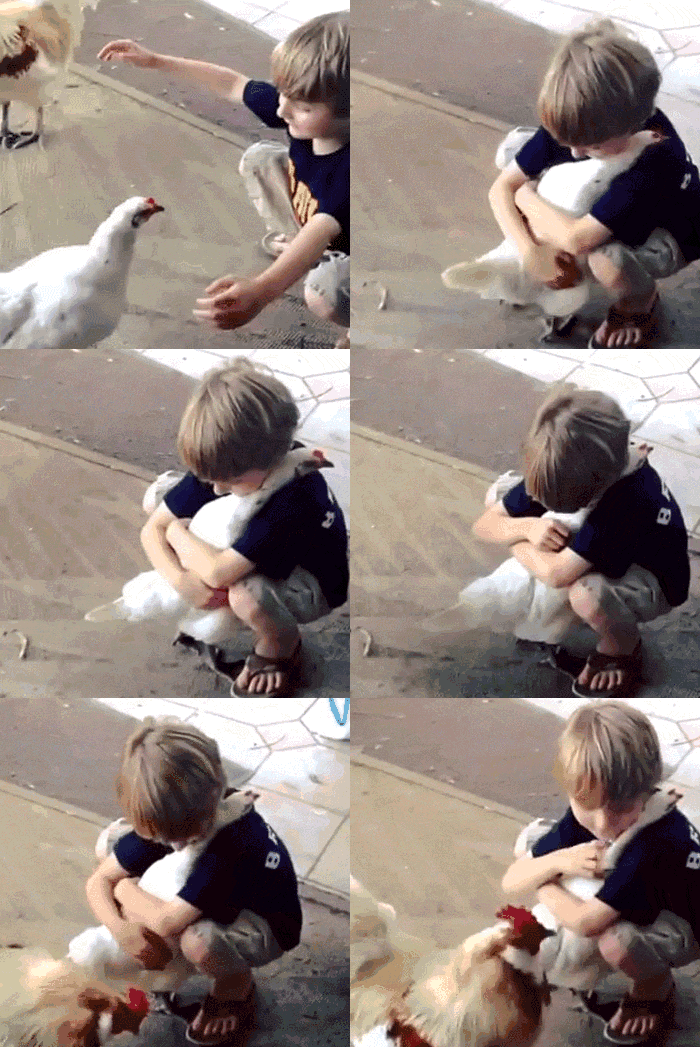
Research suggests that animals can play a very important role in the social, emotional and cognitive development of children and can also aid the development of empathy. Animals such as assistance dogs (which I hope to write a post on at a later stage), cats, horses, guinea pigs, and interestingly keeping chickens is the latest trend to help improve these skills in the autistic community!

Image result for hugging animal gif

Studies have shown that the social skills of autists who live with an animal are much greater than those who do not have a pet. Pets are often considered “social lubricants” wherein they provide autists with a source of conversation which can encourage better engagement.

Sometimes we find it a lot easier to relate to animals. I’ve often remarked growing up that life would be so much easier if we were all dogs for example. With a dog, life is black and white (fun fact– they aren’t colour blind!). You take care of them, they love you forever-simple. There are no games or tricks (well, unless like my dog yours spins round in circles when you try to brush him to make you dizzy in the hope that you will go away ๐Ÿ˜› ), you never have to wonder where you stand with a dog, they’ll make it very clear if they love or hate you!

dfgerhrtsghs

Studies have also shown that animals in fact can have a measurable biological effect on people with autism! A recent study measured “excitement” levels in children with autism when performing such tasks as reading out loud and playing with a group. The results showed that in these situations, the excitement levels were higher in the brain indicating stress. However, when these levels were measured whilst playing with an animal theyย  plummeted as stroking the animal induced biological calm.

Finally!

Scientific proof that I should spend more time cuddling my dogs!!! ๐Ÿ˜‰


However, as beneficial as animals can be, experts advise that the individual needs and sensitivities of the child are taken into consideration when choosing a pet. A dog might seem like a good idea, but whilst many autists may gravitate towards the soft and furry, others may be repulsed by the texture of their hair, the smell or may even be overwhelmed by their energetic nature.

Aoife’s Top Tip– Try to expose your child to different animals to gauge their reactions before making any firm decisions on a pet- they are a big commitment! The research shows that any pet, even a spider, can be beneficial ๐Ÿ™‚

There we have it dear Earthlings- another, scientifically proven reason to love animals all the more! ๐Ÿ˜€

What better way is there to spend the bank holiday weekend than relaxing with your pet? ๐Ÿ˜‰

bitmoji1415319073

Aoife

Autism and “Stimming”

Greetings Earthlings! ๐Ÿ™‚

Today I’d like to touch on one of the most commonly observed autistic behaviours- “stimming”.

So what exactly is “stimming?”

Self-stimulatory behaviour, (also known as stereotypy or “stimming”), refers to many of the repetitive behaviours often exhibited by autists. Examples of these behaviours include scratching or rubbing the skin, noise making, smelling objects and the classic examples of rocking andย  hand flapping, although in my experience it’s a lot more like ‘Jazz hands’ than flapping!

jazz hands.gif

There are two psychological theories as to why autists stim:

  • As a response to overwhelming sensory stimuli
  • As a means of relieving stress and anxiety

From a physiological perspective, there are a number of possible biological reasons.

Some researchers believe that stimming provides the autist with sensory stimulation. Contrary to common belief, many people with autism have a reduced sensitivity to certain sensory stimuli. Dysfunctions in the circuitry of the brain mean that the body craves sensory stimulation, and so we adapt repetitive behaviours in order to stimulate and excite our nervous system.

Deficits in dopamine levels in the brain can also interfere with our reward pathways, leading autists to engage in behaviours, such as stimming, which will provide the extra hit of dopamine that the brain needs.

So that’s why I’m drawn to fluffy things! ๐Ÿ˜‰

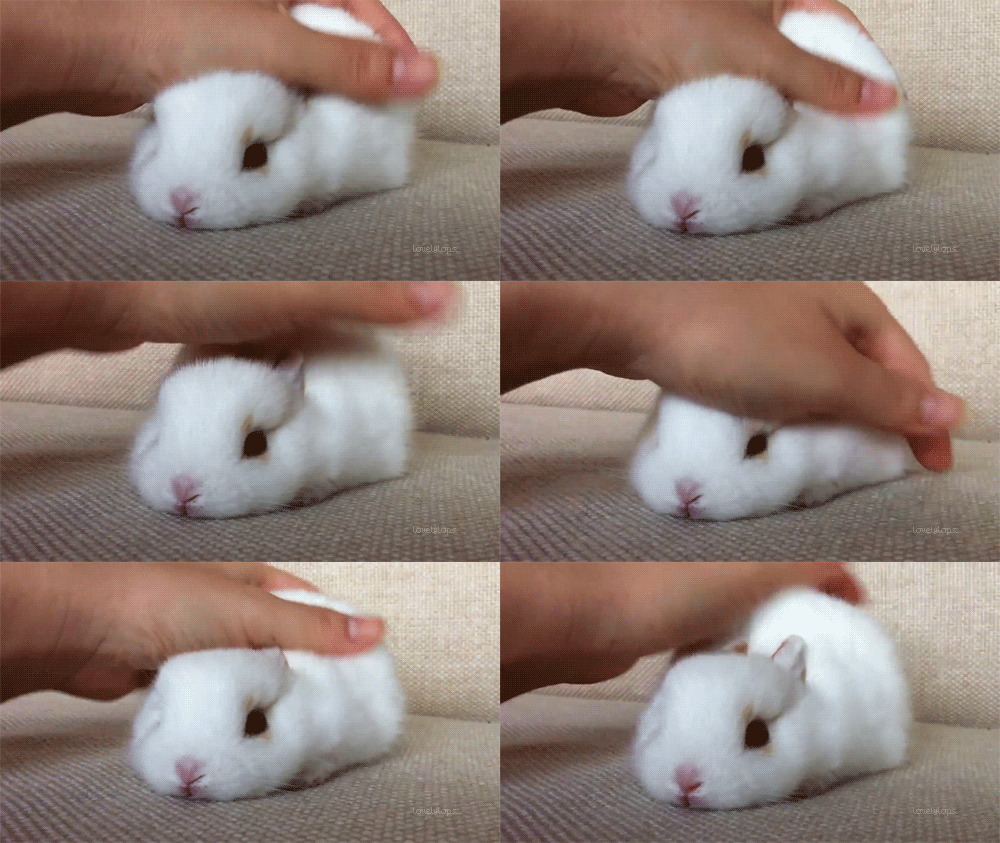
Image result for stroking fluffy gif

Aside from being drawn to stimulatory texures, I have a particular tendency to fidget with the silver chain around my neck. I just find something oddly soothing about the rough sensation of the metal against my skin! ๐Ÿ˜›

In my experience, I also find that stimming isn’t always a response to stress, but born from a need to keepย my hands busy.

As I’ve discussed previously, research shows that autists have higher levels of excitatory neurotransmitters such as glutamate, and lower levels of calming neurotransmitters in the brain. As a result, we are often hyper-stimulated. Stimulation of the brain’s reward system, i.e.ย  dopamine release through “stimming” behaviour, causes a decrease in glutamate levels, effectively calming the brain!

This would explain why I’ve often found that stimming sometimes helps me to concentrate and clear my mind by channeling any excess energy into a physical action. I find this particularly helpful when I’m studying, or writing, and for some strange reason while I’m waiting for the microwave to ping! ๐Ÿ˜› #excitedforfood

Image result for fidgeting gif

Stimming can also be considered a form of self injurious behaviour, but I’ll write a separate post on this topic at a later stage ๐Ÿ™‚

So is there anything that can be done to control this type of behaviour?

bitmoji339468972

  • Try replacement behaviours– if the stim is not socially acceptable or harmful, as in the case of biting behaviours, attempt to replace the stim with another one such as a fidget toy or chewing rubber
  • Exercise– there is evidence to suggest that exercising can decrease the frequency of stimming behaviours, although the research is unclear why
  • Cognitive behavioural therapy (CBT)– is thought to be useful as self stimulatory behaviour operates in a similar way to OCD tendencies which are often managed through CBT techniques
  • Medication– Seems there’s a pill for everything these days! Medications can be used to help modify compulsive behaviours such as stimming, but I personally would not advocate this route

So there we have it Earthlings, a brief insight into stimming behaviours in autism! ๐Ÿ™‚

Enjoy the weekend everyone! ๐Ÿ™‚

Aoife

Autism- A History

Greetings Earthlings! ๐Ÿ™‚

Today, in continuation from my post exploring autism through the ages, I’d like to give you a brief intro into how we came to know of ย autism.

So how about a bedtime story then Earthlings? ๐Ÿ™‚

bitmoji485231286.png

A long time ago in the land of Austria, two researchers were born that would go on to make medical history- Leo Kanner and Hans Asperger. Whilst these men interestingly did not collaborate, together their respective research laid the groundwork for our current understanding of ASD’s.

So how did it all begin?

Whilst some of the earliest documented cases of autism dates back to the 1700’s, the new Latin term autismus (“isolated self”)ย was first coined by Swiss psychiatristย Eugen Bleuler (who also coined the term schizophrenia) in 1910. Derived from the Greek word “autรณs” (meaning ‘self’), Bleuler used the term to describeย a sub group of people with schizophrenia that were removed from social interaction.

Image result for eugen bleuler

The term autism first began to take it’s modern form in 1938 when Hans Asperger adopted the term ‘autistic psychopaths’ in a German lecture on child psychology. During this period, Asperger was investigating the ASD which would later bear his name, examining a group of four boys of normal intelligence who struggled with social integration and empathy. Asperger dubbed these boys “little professors” due to their ability to lecture at length on their favourite subjects!

Fun Fact: Asperger himself is widely thought to have displayed many of the symptoms of his discovery himself!

Image result for hans asperger

In 1944 Asperger published an article in German titledย ‘Autistic psychopathy’ in childhood, a publicationย which largely went unnoticed within the English speaking medical community until the 1980s when child psychiatrist Lorna Wing brought his work into the limelight.

This obscurity was also due in part to the work of his contemporary Leo Kanner at the prestigious John Hopkins University in the USA, who pipped Asperger to the post with his paperย Autistic Disturbance of Affective Contact in 1943.

Image result for leo kanner

In this work, Kanner described a group of 11 (8 boys, 3 girls) socially isolated children with aย โ€œneed for samenessโ€ and a โ€œresistance to (unexpected) change.โ€ Kanner claimed to have discovered a new medical condition which he named “infantile autism”, garnering much attention and praise within the medical community.

But was it coincidence that these men happened to work in tandem on such similar projects 4000 miles apart?

In his lifetime, Kanner claimed that he had never heard of Asperger’s work, however, it would appear that this was not the truth.

Author Steve Silbermanย has since discovered that Kanner likely heard of Asperger’s work through George Frankl- a work colleague from Vienna, and former chief diagnostician at Asperger’s clinic in 1938. Driven by an ambition to make his mark on medical history, it would appear that Kanner sought to recreate Asperger’s work in America, repacked it and claimed it as his own!!

Image result for fainting gifPoor Asperger- but at least his name lives on in Asperger’s syndrome! ๐Ÿ™‚


So what did these early researchers believe to be the root of autism?

Difficult as it may be to imagine, Kanner firmly believed in something called the “refrigerator mother hypothesis“- a since (rightly) discarded theory which claimed that autism is caused by a lack of maternal warmth or love!!!

Image result for outraged gif

I know!!!!!

Madness!

In addition to this, Kanner’s reuse of Bleuler’s term autism resulted in decades of confused terminology where autism and schizophrenia were one and the same.

Thankfully, the research caught up to give us a clearer insight into the physiological roots of autism (although it took about 20 years for the experts to catch on! ๐Ÿ˜› ), leading to the establishment of autism (and later Aspergers syndrome in 1994) as a separate diagnosis in it’s own right in 1980.

And that is the history of autism dear Earthlings, I hope you enjoyed your bedtime story! ๐Ÿ˜‰

Enjoy the weekend everyone! ๐Ÿ˜€

Aoife

Can animals have autism?

Greetings Earthlings! ๐Ÿ™‚

Today I’d like to explore something I’ve been wondering about a lot recently: can animals be autistic?

We’ve often been told how closely related human and animal genomes are, but what about our brains?

I often look at my German Shepherd and see a lot of autistic traits in him- he has ADHD and anxiety, behaves inappropriately, thinks creatively (he once buried a bone in a mattress) and never really grew out of his puppy brain despite recently turning 6!

Image result for crazy dog gif

^^^Not my dog, but similarly bonkers! ๐Ÿ˜› ๐Ÿ˜‰

Naturally, I could be imagining it (as a scientist it’s hard not to over analyse), but what does the evidence have to say?

In clinical research, there are a number of animal models which have been genetically bred to exhibit autistic traits including rats, fruit flys, monkeys and most commonly mice. These animals will have mutations in genes that have been linked to autism which causes them to exhibit some common autistic traits. In the mouse model for example, mice show signs of repetitive behaviours, deficits in social interaction and reciprocation, memory deficits and increased aggression.

But what about in nature?

There is very little evidence to suggest that animals can be autistic, however, a recent study by veterinary behaviorists in the USA has indicated that there is evidence ofย canine autism!ย 

 whoa shock waynes world waynes world 2 GIF

I know!

Maybe I should get my dog diagnosed… ๐Ÿ˜‰

In fact, vets have considered the possibility of autism like symptoms in dogs since 1966!!

The 2015 study examined tail chasing behaviours in bull terriers in addition to running DNA analysis. ย These researchers found that tail chasing was associated with trance-like behaviour and random outbursts of aggression in these dogs. In addition to this, tail chasing was more common in males than females- just like human ASD’s. This group also suggested that the physical featuresย of these bull terriers (long face, high-arched palate, and large ears)ย could be indicative of Fragile X Syndrome- ย a genetic condition where 15-60% of this population are additionally diagnosed with autism.

This study is not definitive, but it does open us up to the possibility that autism may naturally exist in the animal kingdom.

As autism can be difficult enough to diagnose in humans, you never know- other animals could quite possibly have autism, we’ve just never considered it! ๐Ÿ™‚

bitmoji-1628445894.png

Aoife

Autism and Skin Sensitivity

Greetings Earthlings! ๐Ÿ™‚

So today I spent much of my time screaming inside my head- “Why does this outfit itch so much???!!!” ๐Ÿ˜›

Image result for itchy gif

This is a fairly common complaint for autists when it comes to clothing.

A single sharp fiber in your skinny jeans, an irritating label on your neck, a twisted bra- the niggling is a killer to the autistic brain!

When my skin is irritated, I find it very difficult to concentrate on much else until the offending stimulus is removed. It drives me insane- especially if I’m not in a position to remove or adjust the offending item of clothing. I’ve often had to find creative ways to navigate clothing irritation when out in public such as well placed blister plasters (I did this to the irritating clasp of a lanyard once!) and toilet roll to create barriers against the fabric!

Needs must after all! ๐Ÿ˜‰

bitmoji1326577628

But is my skin really this sensitive?

According to science, the answer is yes!

Research suggests that gene mutations cause problems for the sensory nerves in our hands, legs, arms, fingers and of course, the skin covering them. Mutations cause these nerves to be excessively sensitive- described by scientists as having the volume turned up to the max setting. When these nerves relay sensory information back to the brain, the brain feels the touch of certain stimuli at a heightened, exaggerated level.

Hence my internal screams! ๐Ÿ˜›

Another study, which tested the response of autists and neurotypicals to sensory stimuli (e.g. a scratchy wool jumper) in a brain scanner, found that the autistic brain reacts more strongly. The primary cortex of the brain (involved in sensory processing) and the amygdala (involved in emotional regulation) were both hyperactive during this experiment, suggesting that autists a) process sensory input differently, and b) struggle to regulate their emotional response to stimuli.

So what can you do to help an autist with sensitive skin?

This is a tough one to advise. Sensitivities vary from person to person. Some may favour loose clothing, others enjoy the comfort of tight clothes which provide calming deep pressure. In my experience, the best tip that I can offer is to use a seam ripper to properly remove labels (the remnants of the tag can be just as irritating). After that, trial and error is the best way to find out what works for you/or your child ๐Ÿ™‚

Some days, sensitive skin can be a pain (especially where undergarments are concerned ๐Ÿ˜› ), but hey- it also makes puppies all the fluffier! ๐Ÿ˜‰

Image result for petting fluffy puppy gif

Enjoy the weekend everyone! ๐Ÿ™‚

Aoife

Autism Management- Fidget Spinners

Greetings Earthlings! ๐Ÿ™‚

So today I’m going to take a look at the latest craze- Fidget Spinners. I couldn’t take more than 50 steps in Dublin the other day without someone trying to sell me one! ๐Ÿ˜›

So what exactly are they?

Image result for fidget spinner gif

In case you’ve been living under a rock, Fidget Spinners are a handheld device where the centre is held between your fingers and you spin the device. They come in all shapes and sizes and are designed to relieve stress.

Here’s a video discussing them and some of the crazy things that people have been using them for:

But what have Fidget Spinners got to do with autism?

Whilst they may have only surged in popularity in recent months, Fidget Spinners were actually invented in the 1990’s to help people who have trouble focusing, such as those with ADHD, anxiety and autism, to channel excess nervous energy and stress into the spinning device. The thinking is that by diverting the excess energy into a physical action, this frees up certain areas of the brain from distraction, allowing you to better pay attention. It is also thought that fidgeting can relieve the brain of negative and obsessive thoughts.

But do they really work?

Opinions are polarizing as to whether or not they actually help. There is very little scientific evidence to support these claims. Of the studies that are out there, most focus on general fidgeting such as foot tapping, where it has been shown that movement can help to maintain alertness and improve working memory, but there are no studies specific to the Fidget Spinner itself.

Some experts warn that these toys may actually prove to be even more of a distraction for people with attention disorders.ย In theory, the toys occupy the hands so that you can focus your mind on the lesson (like stress balls), however, experts believe that the visually pleasing spin of the blades could add a further element of distraction.

Image result for fidget spinner gif

For teachers, they are proving to be a distracting nightmare in the classroom with many banning the device.

As opinions are divided, I decided to get one for myself and, pardon the pun, give it a whirl ๐Ÿ˜‰

There is definitely something oddly satisfying about holding the device between your fingers as it whirs into life, and there have been several moments where I’veย felt the addictive urge to spin it throughout the day.

However, I did not find it soothing from an anxiety perspective. In fact it actually really annoyed me when it would stop spinning and I would have to get the rotors spinning again! ๐Ÿ˜› I also found that it didn’t substitute as a calming “stim” and that I still reached to fidget with my necklace whilst I was using the Fidget Spinner!

That being said, autism is a spectrum where no two are alike. The Fidget Spinner may not work for me, but it could still be a nifty little tool to help manage ADHD and anxiety in another autist ๐Ÿ™‚

So by all means, go on! Give it a spin!! ๐Ÿ˜‰

(I have got to stop with these terrible puns… ๐Ÿ˜› )

bitmoji1063220481

Aoife

Inside the Autistic Brain

Greetings Earthlings! ๐Ÿ™‚

Today I’m going to dive into the physiology of the autistic brain to explain what’s actually going on at the neurological level. I’ve touched on aspects of the science in previous posts, but I wanted to give you a quick overview post where the main points in the one place ๐Ÿ™‚

So let’s get down to some science! ๐Ÿ™‚

247171_588045804539417_1828609848_ndg.jpg

Hyper-connected Neurons:

Scientific evidence suggests that neurons in the autistic brain are hyper-connected. Specifically, studies indicate that autists have too many synapses in the brain. The synapse is basically a gap or a junction between two neurons where chemical messengers (neurotransmitters) carry information like a ferry from one neuron to the next. It looks a little bit like this:

Image result for synapse

During normal brain development, about half of the synapses we are born with are “pruned” off. In autism, this process is slowed down, and so autistic children have an excessive amount of synapses compared with their neurotypical peers. As these connections are essential to communication between neurons, this can greatly effect how the brain works and processes information.

Dysfunction at the Junction:

In addition to possessing an excessive number of synapses, communication at these neuronal junctions is also impaired in the autistic brain.

Animal studies have indicated that synapses function differently in the autistic brain as a result of genetic mutation. Mutations cause certain proteins to be absent in autism- proteins that are essential to the normal functioning of the synapse. As a consequence of this, the transmission of information between neurons is affected, resulting in a number of social and behavioral issues.

Think of physical junctions on a busy road- if something goes wrong at the junction, a chain of chaos will ensue!

Image result for junction crash gif

Hyper-excitable Neurons:

Research shows that in many cases of autism, neurons in certain regions of the brain are more excitable than others. This means that these neurons are more sensitive to stimulation. For example, the neurons located in the sensory cortex of the brain (which processes sensory information such as smell), are more sensitive and excitable than other neurons. This is kind of like how a person can be more ticklish in some parts of the body than another- the nerves in the underarm are more excitable than those of the arm.

This sensitizes the autistic brain to all kinds of stimuli as discussed here.

Dysregulated Neurotransmitter levels:

As previously mentioned, information travels across the synapses in the brain via chemical messengers known as neurotransmitters. In the autistic brain, the levels of these neurotransmitters are dysregulated- or out of sync. Research indicates that individuals with autism tend to have higher levels of excitatory neurotransmitters (e.g. glutamic acid) and lower levels of calming neurotransmitters (e.g. GABA, serotonin) causing neurons in the autistic brain to fire excessively. In addition to this, levels of the neurohormone (a chemical that acts as both a hormone and neurotransmitter) oxytocin, which plays an influential role in trust and social behaviours, are also out of balance. Moreover, dopamine (a neurotransmitter which can both calm and excite) is also dysregulated in autism. Together, the action of biochemicals like these influences a number of autistic behaviours and issues such as ADHD, mood, appetite, sleep, anxiety, sensory processing, social behaviours, learning, memory and emotional responses.

Male vs Female Brain

Perhaps one of the most fascinating ย things that I have discovered about autism are the anatomical differences between the brains of the male and female autist. Brain imaging studies have revealed that autistic women have brains that are anatomically similar to neurotypical male brains, and the brains of male autists share anatomical similarities to those of neurotypical female brains.

In short- this indicates that men with autism have feminine brains, and women with autism have masculine brains!!!

bitmoji543288982.png

I know!!!!

It sounds weird, but it makes a world of sense. Oftentimes I’ve felt like I had a male brain growing up- my tomboyish interests, my fashion sense, my preference for male company, my inability to walk in heels; it all fits!

Strange but true! ๐Ÿ™‚

There we have it Earthlings- hope you enjoyed this brief insight into the physiology of the autistic brain ๐Ÿ™‚ There is no clear mechanism through which autism acts, these are just some of the likely pathways involved. I’ll explore other possible mechanisms in a later post.

Have a good week everyone! ๐Ÿ™‚

Aoife


Vaccines and Autism

Greeting’s Earthlings! ๐Ÿ™‚

Yep…I’m going there today- the autism vaccine controversy.

Image result for exchange shocked looks gif

This issue has been thoroughly debated by scientists in recent years, so I’m going to discuss this once, and once alone.

In 1998, the now completely discredited scientist Andrew Wakefield published this paper in The Lancet:

Image result for wakefield paper

Notice the word ‘RETRACTED’ in bold red letters.

In this paper, Wakefield suggested that the MMR (measles, mumps and rubella) vaccine is linked to inflammatory bowel disease and autism.

This is what I like to call:

bitmoji-546088588.png

Subsequent to the publication of this paper, serious conflicts of interest and falsified data were discovered. This led to the paper’s ultimate retraction and Wakefield was struck off the medical register in the UK. Countless studies have endeavored to replicate the results of Wakefield’s work, but none have succeeded, proving that there is no medical linkย between the MMR vaccine and autism.

bitmoji1545013222.png

Here are the realย facts about the case:

Wakefield’s work had multiple conflicts of interest:

  • When the paper was first submitted for publishing, he failed to disclose that he was in receipt of funds (~ยฃ435,000 or $674,000) from lawyers acting on the behalf of parents that believed the MMR vaccine was harmful!
  • During the course of his investigation, Wakefield filed a patent for a new measles vaccine, standing to gain financially from the downfall of the currently available vaccine
  • Patients were recruited to the study through anti-MMR campaigners

Several ethical codes were broken by Wakefield when conducting his research:

  • Wakefield unethically collected blood samples from children at his son’s birthday party (reportedly for ยฃ5 a pop)
  • Patients were subjected to unnecessary invasive procedures such as lumbar punctures and colonoscopies without prior ethical approval
  • The company that Wakefield sought to establish following the paper’s publication was to be headed by the father of one of the patients included in his study
  • Wakefield further tested out his new measles vaccine on a child without recording it in his medical notes or discussing it with the child’s GP
  • Most serious of all- Wakefield falsified and manipulated his findings!! It was discovered that Wakefield had either misrepresented or altered medical histories inย ALL cases described in the study!

Aside from evidence tampering, the design of the study was quite poor. Wakefield’s research examined a very small patient cohort (only 12 children) using case reports- one of the weakest forms of medical research. Large scale studies examining hundreds of thousands of cases have not established a link between the vaccine and autism.

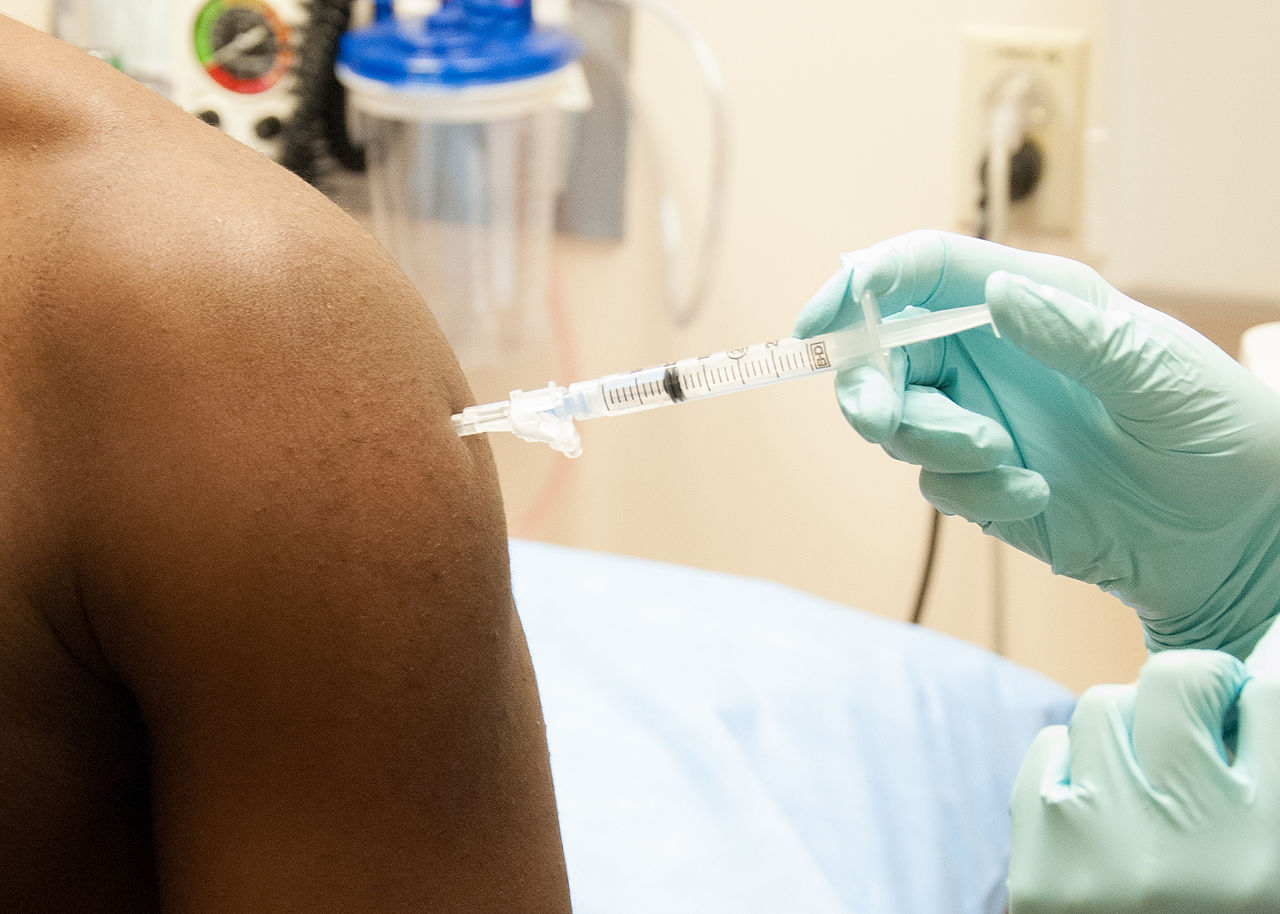
Image result for vaccine

Of the 12 children examined in the study, 5 showed signs of developmental delay prior to receiving the MMR vaccine, and a further 3 patients did not in fact have autism.

But what of other research in this area?

Studies which are often cited in the MMR controversy suggest a link betweenย thimerosal, (a mercury containing compound), in vaccines and autism- a link which has been largely refuted. Additionally, thimerosal has been removed from or reduced to trace amounts in currently available vaccines- but autism rates still continue to rise.

Studies have also been conducted to explore the impact of the anti-vax movement on autism rates. These studies compare autism rates in those who did and those who did not receive the MMR vaccine. The result- no difference in autism rates between both groups!!ย 

Furthermore, following the publication of his paper, Wakefield proposed that 3 separate vaccines for measles, mumps and rubella was a safer alternative to the combined vaccine.

But did he have a point?

bitmoji2072993471.png

Nope- in countries where the practice of giving 3 separate vaccines at 3 separate stages was adopted, autism rates continued to rise regardless.

So there we have the facts about the MMR vaccine controversy. If you’re still a little bit skeptical, I’ll leave you with one final thought:

Wakefield has repeatedly refused to deny or replicate the findings of his study. If there was nothing to hide, then why not prove his claims?

bitmoji42958429.png

Aoife

Blog at WordPress.com.

Up ↑