Autism in ‘Geek Girl’

Greetings Earthling! 😀

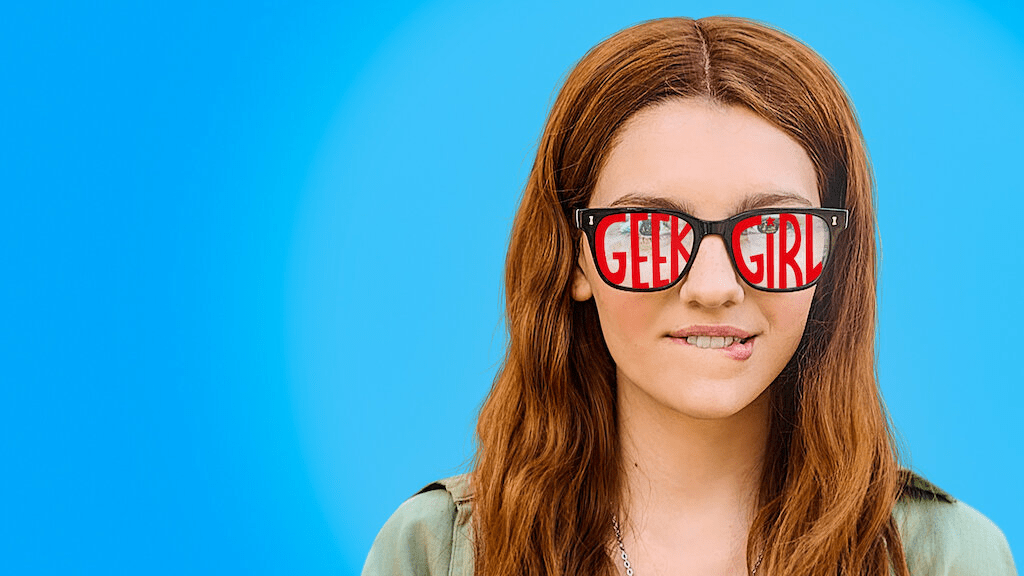
This week I’d like to talk about the new young adult series Geek Girl on Netflix (they’re really on the ball with neurodiversity the last few years!) and it’s accurate depiction of the struggles of an autistic teenage girl.

Based on the Geek Girl books by Holly Smale (which I have purchased and will write about eventually), the series follows awkward “geek” Harriet Manners who’s life completely changes after being scouted by a modelling agency. Mercilessly bullied at school, she sets out on her modelling journey to reinvent herself. You can check out a trailer for the series here:

But you haven’t mentioned anything about autism yet Aoife?

So- the author Holly Smale wrote these books based on her own experiences of being an awkward teen model, BUT Holly was diagnosed with autism at the age of 39 and has retrospectively described Harriet as autistic. As such, it seems that the TV series is planning to incorporate an autism diagnosis down the line, as lead actress Emily Carey is autistic, and there have been many hints to her neurodivergence including a conversation between her agent and her father about seeking a professional and not wanting to label her.

So what did I make of the show?

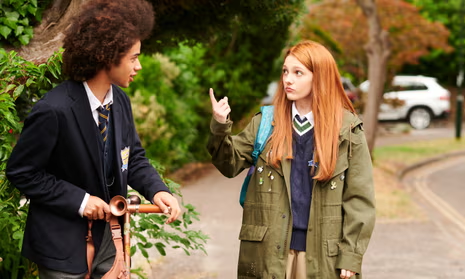
Well I absolutely loved it- a lovely wholesome show with an authentic portrayal of neurodivergence, I was hooked! Harriet’s autistic traits were subtle (as they are for most high functioning autists)- stimming, coordination issues, minor issues reading social cues etc. What really sets the series apart from others though is Harriet’s narration. We get to see her internal monologue, how she thinks and processes, which really helps to give an insight into what we autists go through on the inside (though I will say that my internal monologues speak waaaaaaay faster than Harriet’s 😂). Harriet’s friend Toby is also clearly on the spectrum, albeit he presents far more like the traditional autistic oddball that we often see in media depictions of autism- which while a little stereotypical, really helps to show how different male and female presentations of autism can differ.

One of the other things I found most interesting was how Harriet’s dad also appears to be neurodivergent. He seems to struggle with work, is quite nerdy and eccentric (he drives Harriet to school in his PJs one day) and is described by his wife as very childish. At one point during an online job interview his wife holds up flashcards for him coaching him on what to say, reminding me of how people have tried to guide me in certain social situations. Very often with on screen portrayals of autism we focus on the child or the oddball single adult, we don’t tend to see neurodivergence in the wider family like between parent and child 0r other spectrum siblings. Autism is highly genetic with many parents discovering their neurodivergence after their child is diagnosed, and there can often be multiple autistic children within a family (I once came across a family with 5 sons on the spectrum).

My one criticism, again like Dinosaur, was Harriet’s stereotypical love of dinosaurs and desire to be a paleontologist, buuutttt as a real autist wrote the show, I can’t really argue with lived experience 😜. I’m really starting to wonder- did I miss the autism memo that you need to be obsessed with dinosaurs cause I have never really seen the fascination 🤣🙈 Dogs are much more my vibe!

Interestingly, many critics have branded the show an “inauthentic” representation of autism… to which Holly Smale had the following to say:

“It’s based on books written by me (autistic), about me as a teen (autistic). I wrote all of Harriet for the show (still autistic) and the lead actor is autistic. It’s the DEFINITION of authentic. I think people are so used to seeing inauthentic representation they don’t recognise it when it’s in front of them.”

You can’t get more authentic than that folks! 🤣🙈

All in all I highly recommend this show and look forward to seeing Harriet’s journey in future seasons!

Hope you enjoyed this post dear Earthlings! 🙂

Have a lovely weekend!

Aoife

Autism friendly festivals

Greetings Earthlings! 🙂

This week I’d like to talk about the subject of autism friendly festivals.

Yes- you heard me correctly! 😀

Festivals and autism are not really two words that tend to go together, what with the crowds, noises, smells and flashing lights, but recent years have seen large music festivals such as Electric Picnic and Glastonbury set up specific sensory friendly tents for neurodivergent attendees. In addition to this, there are now a number of specific autism friendly festivals.

Autism charity ASIAM recently launched the Sensoria festival in Dublin as part of a 3 year plan to make Dublin the world’s first autism friendly city. A free ticketed event, the festival took place at two different times in the day to keep crowds to a minimum, offering sensory domes, pods and gardens, a messy play tactile zone, neurodiversity information tents and therapy dogs. In addition to these sensory friendly modifications, a number of sensory activities and performances were arranged including non verbal street theatre, sensory movement workshops, sensory silent films, and a unique show titled ‘Squish, Stomp, Spin – The Magic of Stim’ by ADHD artist Moss Russell.

Similarly in the UK, the Spectrum Autism Friendly Festival has been running since 2017. The festival is run by staff that are fully trained about autism, and offers attendees an enriching experience with sensory areas and quiet spaces in addition to fun activities such as cooking classes, arts and crafts, bouncy castles, treasure hunts, pedal carts, and even light saber training!

Whilst these autism friendly festivals are a great incentive, they are largely geared at children, which is a little disheartening for autistic adults with sensory issues. In Reading in the UK however, the A Different World Festival has been established to cater to older autists. Inspired by their teenage son who could not access the Reading Festival as an autist, the organizers set up A Different World to allow young people and adults with additional needs to experience a real rock festival. This festival follows normal festival formats, but limits numbers to reduce crowding and ensure space, allows no strobe lighting or pyrotechnics, has a sensory village, a service dog tent, and a wellness tent to cater for everyone’s needs.

Hope you enjoyed this post dear Earthlings!

Have a lovely weekend 🙂

Aoife

Autism in ‘Baby Reindeer’?

Greetings Earthlings! 🙂

The new Netflix drama ‘Baby Reindeer‘ has been getting a lot of coverage in the media lately, so this week I’d like to have a quick discussion about it. ‘Baby Reindeer’ tells the gripping, but harrowing, true story of comedian Richard Gadd’s experiences of being stalked by an older woman named Martha (name was changed for privacy) over the course of a 3 year period.

Here’s a trailer for the show to give you a taste:

The world has been gripped by the story with many amateur sleuths digging through the internet to uncover the true identity of the woman that inspired the character of Martha. Their efforts have led us to this week where the supposed real “Martha”, Fiona Harvey, came forward to tell her story on Piers Morgan.

That’s great that you liked the show Aoife, but what has this got to do with autism?

In the show, Martha is clearly depicted as being mentally ill by the sheer intensity of her stalking efforts. Martha sends Richard’s character Donny 41,071 emails, 744 tweets, 46 Facebook messages, letters totaling 106 pages, and 350 hours worth of voicemails. She is completely obsessed, in such a way that it reminded me of how intensely an autist can take their specialist interest.

Fun fact– an autists specialist interest can be a person, not just a topic, especially for women on the spectrum.

Other than her obsessive nature, outbursts of rage, social ineptitude and tendency to ramble on a bit, the character didn’t really display any obvious autistic traits, but there has been speculation online from people that claim to know the real Martha that she has Asperger’s syndrome. In fact, a clinical psychologist recently wrote about the character and mentioned that these types of stalker are often on the spectrum.

If Martha is autistic, this really depicts the more sinister side of the spectrum, a side that is often overlooked in on screen depictions. I know in my own experience, my specialist interests in the past have been intense and compulsive, even at times controlling my behaviour. The kind of behaviour Martha displays in the show really shows what can happen when an autist isn’t properly nurtured and supported. I often shudder at the thought of the kind of person I could have been had I not had my family around me to keep me in check.

We can’t be certain if Martha (or her real life counterpart) is autistic, but if she were, it could certainly explain the characters obsessive behaviour; an explanation, but not an excuse.

Hope you enjoyed this post dear Earthlings!

Have a lovely weekend! 🙂

Aoife

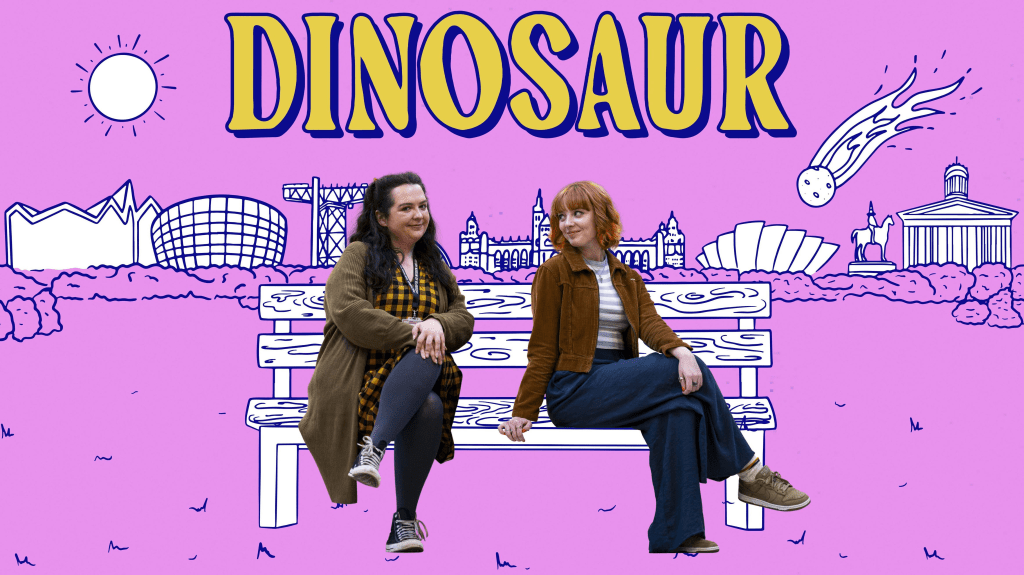
Autism in ‘Dinosaur’

Greetings Earthlings! 🙂

As autism awareness month comes to a close, this week I’d like to talk about autism in the new BBC Scotland sitcom Dinosaur.

So what exactly is Dinosaur about?

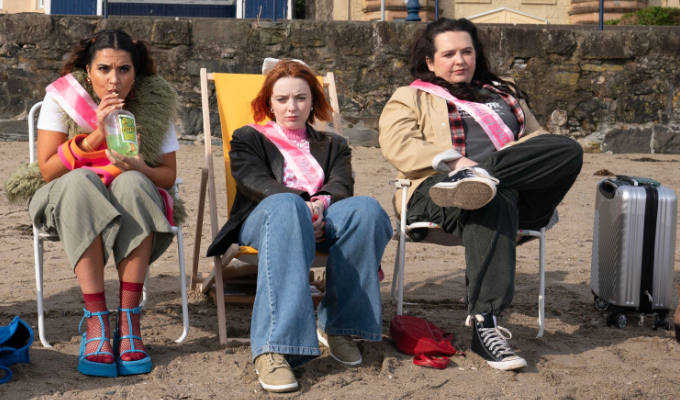
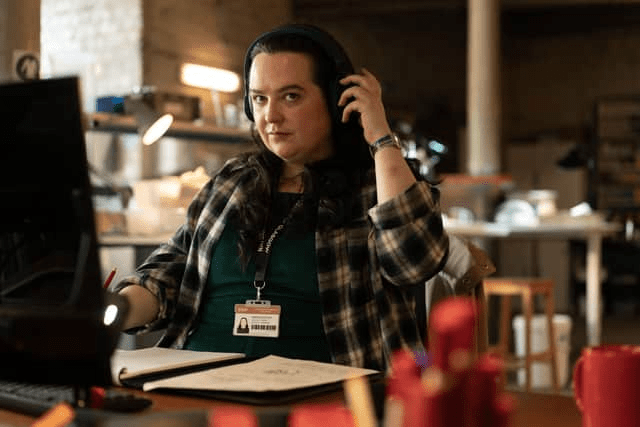
Dinosaur follows autistic palaeontologist Nina (played by autistic actress, comedian and show co-writer Ashley Storrie) who is content with her life in Glasgow, but finds her life upended by her sister’s impulsive decision to marry a man she has known for only 6 weeks. Cue hilarious chaos as Nina tries to navigate this transition whilst balancing the pressures of work, love, and being her sisters maid of honour.

You can check out a trailer for the series here:

So what did I make of it?

Aside from the fact that Nina’s dinosaur obsessions is ever so slightly stereotypical, I loved this sitcom and found it a refreshingly honest portrayal of life on the spectrum. Too often scriptwriters tend towards the hyperbolic when it comes to autism, but this show hits the mark perfectly for what life is like for a high functioning autist.

The show is highly self-aware tackling common stereotypes head on in humorous fashion. When Evie’s fiancé Ranesh starts talking about Nina’s autism, Nina pre-empts his stereotypes muttering “Don’t’ say it!” under her breath, before Ranesh describes having autism as a “superpower!” Another episode see’s Nina’s boss, (while reprimanding her for saying that Jurassic Park should have been named ‘Cretaceous Park’), tell her that they don’t want to give the impression of paleontologists as being “rigid and a bit autistic” for her to respond, “But I am autistic!” leaving her boss completely mortified.

More importantly, Nina doesn’t take herself too seriously. In one conversation with her sister (in an episode where everyone was pretending to be something they were not for Evie’s soon to be father-in-law), Nina gives Evie a pep talk telling her that she can keep up the pretense if Nina can and ” [she is] literally autistic”! This particularly made me chuckle as I have often made this remark with regard to neurotypicals claiming they aren’t able to do some basic things that I as an autist have no issues doing! 🙈

Nina’s unfiltered moments land casually without the need for exaggeration. Her stimming is subtle, like playing with her necklace, and tapping and fidgeting with her fingers when she is getting overwhelmed. No stereotypical hand flapping or head banging here! I particularly liked how they showed Nina having a meltdown when trying on bridesmaid dresses- shopping being a situation where I often get overwhelmed. The pressure from the salespeople, being under pressure for time after she arrived late, the heat of the shop, the itchy fabric, being told a dress is fabulous on her that really does not suit her etc. Nina promptly had to exit the shop and scream into a bush from the pressure of the task- a feeling I know all too well.  In a later episode they showed Nina crying and struggling to breathe during a meltdown- finally showing a realistic portrayal of how most of my meltdowns manifest.

Another positive aspect of the show was the portrayal of Nina naturally pursuing a relationship. Often these types of storylines are forced like ‘I want to have/should have a girlfriend/boyfriend, so I’m on a mission to get one and here’s how I’m going to do it’, buuuuuuut that isn’t exactly realistic. In the show, Nina starts to connect with her new barista and bravely decides to ask him out. Her autism is casually discussed, it’s not a huge issue like in other shows- she’s just a neurospicy girl going out on an awkward first date like anyone else. Moreover, the show doesn’t portray her as a sexually inept weirdo as many shows tend to. In a particularly humorous moment during a spicy confession game at her sisters hen party, Nina’s mother tells her to cover her ears, only for Nina to boldly tell her mother that she’s done it 13 times (much to her mothers surprise)! 🤣🙈 The show truly does Nina justice by showing the world that we’re just out here living our lives like everyone else; we just think a little bit differently.

While it would have been nice if Nina had had a slightly more ordinary job, especially given that it tends to be more male autists that obsess over dinosaurs than women, all in all this show is an excellent depiction of autism with some great laugh out loud moments to boot.

Hope you enjoyed this post dear Earthlings! 😊

Have a lovely weekend!

Aoife

Autism in ‘Friends’?

Greetings Earthlings! 🙂

This week I’d like to take a quick look at some likely spectrum characters in the beloved TV sitcom Friends. Now I know what you’re thinking, autism was never mentioned during the 10 season run (likely due to a lack of general awareness of the condition during the 1990s), but many people have retrospectively noticed some autistic traits in the gang.

For those of you who have been living under a rock (or are so young you have yet to see the show), the TV series follows 6 friends in their 20’s/30’s living in New York, charting their friendship and the hilarious antics they get up to. Here’s a compilation video of the iconic intro across the seasons to give you a flavour of the show:

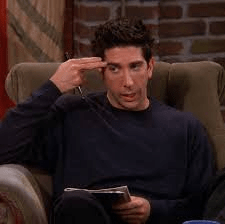
So let’s get to autism. First up- let’s take a look at Ross Geller (David Schwimmer).

Ross displays many traits of a high functioning autist. He’s a quirky, highly strung palaeontologist (do I smell a stereotype?) who is intensely passionate about science.

He is often socially awkward, misses out on social cues and sarcasm, moves with an unusual gait, and shows signs of sensory issues (he thinks that ice-cream is too cold). Ross is also prone to impulsive decisions, obsessive tendencies, and outbursts of rage that border on meltdown-like behaviour as you can see in the clip below.

Ross’s sister Monica (played by Courtney Cox) on the other hand, while not as overtly quirky as Ross, also displays some traits. Her OCD and control issues are often centre stage in the show with many comedic moments drawing from this. She can be an obsessive overthinker and fiercely competitive, often fixating on certain topics in her pursuit of perfectionism.

Her compulsive overeating in her teen years could also be considered an autistic trait. She may not be quite as neurodivergent as her brother, but she could fall under broader autism phenotype as do many siblings of autists. The iconic dance scene between the brother-sister duo really highlights their quirkiness and possible neurodiversity in their complete blindness at how ridiculous they look.

Finally, let’s take a look at the iconic Phoebe Buffay. Portrayed by Lisa Kudrow, Phoebe is the quintessential outsider displaying many autistic and ADHD traits. Brutally honest and hyperactive, she unashamedly marches to her own beat, completely oblivious to how others perceive her (or her terrible singing). She also flaps her hands an awful lot in the show and has been known to chew her hair in earlier seasons which are signs of stimming behaviour.

Interestingly, neurodivergent individuals tend to stick together in real life (I’ve spoken to many spectrum friends and you tend to subconsciously attract each other 🤣), which could explain why 3 out of the group of 6 display autistic traits. This is perhaps the most realistic aspect of autism that the show unconsciously portrays.

Now obviously we will never know if these characters are on the spectrum, but it’s still nice to see clearly neurodivergent characters marching to the beat of their own drum for us to identify with 🙂

Hope you enjoyed this post dear Earthlings! 🙂

Have a lovely weekend!

Aoife
Autism Friendly Parking

Greetings Earthlings! 🙂

Following on from my post about autism and driving, this week I’d like to talk about autism friendly parking facilities!

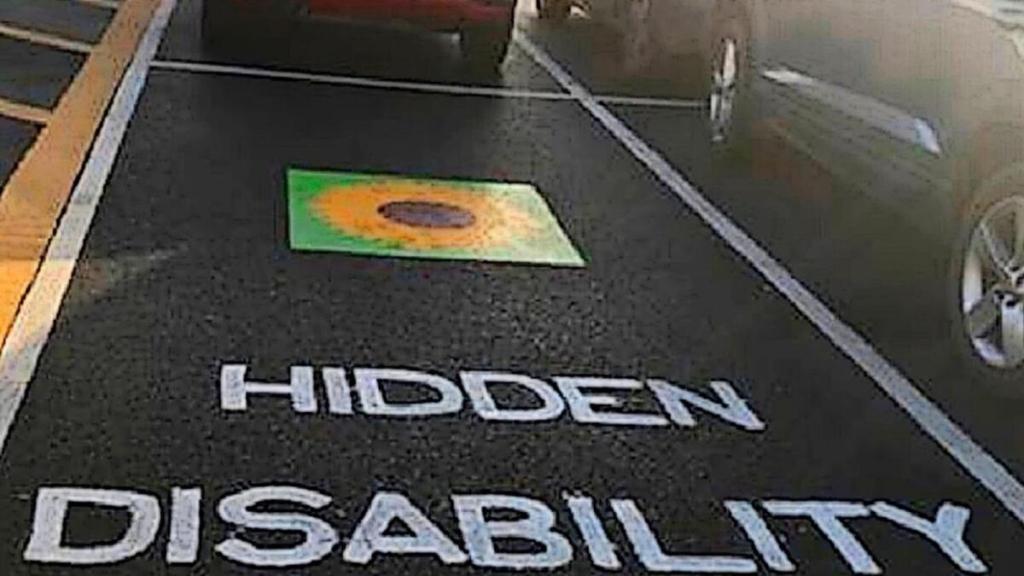
So I was recently out looking for parking in my local shopping centre and was surprised to see a sign for ‘Autism Friendly Parking’ with designated spaces for autistic drivers/autistic passengers. Parking is perhaps, in my experience, one of the most stressful aspects of driving on the spectrum. The stress of trying to find a space, efforts to get into available spaces, the panic from holding up traffic when it takes you an age to get into an awkward spot- I would love to see what my blood pressure readings are like after it sometime!🙈 In all my years of driving I have never come across an autism friendly parking system, so naturally I had to investigate.

Many businesses have now started providing designated autism friendly parking. These spaces are located closer to the door of business’s (just like disabled sparking spots), to make life easier for autists, especially for those with mobility issues.

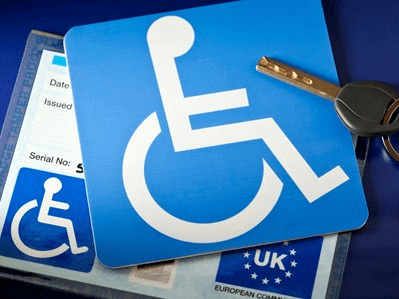
So in Ireland, you can apply to get an autism friendly parking permit. With proof of diagnosis and a small fee, you will be sent a permit to put in your car window which will allow you to avail of autism friendly parking spaces. These permits prevent abuse of the system and allow you to park in these spaces without fear of clamping. The permit also has the dual function of alerting emergency services that there may be an autistic driver/passenger in the car in the event of an accident, just like autism ID cards. So far this system is mainly provided by private businesses, but autism friendly towns like Dungarvan have implemented these parking schemes throughout the area. In recent weeks, Cork councilors are seeking to roll out a similar model to Dungarvan across the county, so this scheme could soon be a lot more readily available.

Similar schemes exist in other countries like the United States and the UK. In the UK for example, hidden disabilities like autism are now eligible for the blue badge scheme- the UK’s disability parking scheme, which enables autists to park in designated disabled parking spaces.

So if you find parking as stressful as I do, it’s worth investigating if there is an autism friendly parking scheme available in your area 🙂

Hope you enjoyed this post dear Earthlings!

Have a lovely weekend!

Aoife

Autism on Screen- The Assembly

Greetings Earthlings! 🙂

This week I’d like to talk about a new TV interview show on BCC called ‘The Assembly’. The format of this show involves a celebrity being grilled by a panel of journalists over the course of 3 hours (30 minutes of which are broadcast). Sounds simple enough, however, the unique thing about this TV show is that the panel is comprised entirely of 35 neurodivergent novice journalists! Bucking the growing trend of highly scripted, edited, agenda driven interviews, the show is an un-filtered breath of fresh air where no question is out of bounds.

The Assembly is carefully recorded with autists in mind to prevent sensory overload, such as recording in a room with lots of natural light (to avoid fluorescent artificial lights). This show is the UK adaptation of the popular French show ‘Les Rencontres du Papotin‘ where many French public figures such as Emanuel Macron were interviewed by a neurodivergent panel run by the newspaper Le Papotin. In honour of Autism Acceptance Week, the BBC broadcast an interview with Welsh actor Michael Sheen on Friday the 5th of April. There are no further episodes currently scheduled, but showrunners have lots of eager celebrities wishing to be interviewed should The Assembly be picked up for series. You can see a trailer for the series here:

The show is a very heartwarming and wholesome affair that has had reviewers raving about it. The questions are so unexpected (ranging from Michael’s opinions on the royal family to the age gap between him and his partner) with delightful results. Michael is such a kind and patient interviewee providing insightful and hilarious answers to the delight of his audience. In one particularly touching moment, a very shy interviewer named Leo is struggling to get past his nerves to ask his question, but Michael is patient with him, allowing him the time and space to ask a very insightful question about Michaels favourite poet.

All in all the show is a wonderful change to your regularly scheduled BBC interview, with the added bonus that the show provides visibility and creates opportunities for the often marginalized autistic community.

Hope you enjoyed this post dear Earthlings! 🙂

Have a lovely weekend!

Aoife
Autism ID Cards

Greetings Earthlings! 🙂

As it’s autism awareness month, this week I’d like to discuss the topic of autism ID cards for individuals on the spectrum.

So what exactly are autism ID cards and what are the benefits?

Many autism organizations and charities offer autists the opportunity to apply for an ID card stating their autism status which they can carry on their person. This card can be provided to people to alert them of your diagnosis if you are struggling to communicate. For example, you can show your card in a restaurant to alert staff that you may need a little extra time, assistance or that you might have awkward dietary requirements (especially as some places can be weird about specific requests and substitutions). This can help reduce stress for autists knowing they have the card to help them communicate their needs better in social situations.

It can also be useful to have in your wallet for emergency services in the event of an accident. Having a card you can quickly produce in a crisis can rapidly help to de-escalate situations with emergency services where there is often confusion and miscommunication. My friends have often joked how they would love to have my literal autism card so that they could throw it down on the table in a social situation to get out of a bad conversation🤣

For a small fee, autists can fill out a form and provide a passport photo and proof of their autism diagnosis to the organization they are applying to to secure their card. Other organisations offer a simpler version of ID cards which inform the reader that the person showing them the card is autistic and provides emergency contact details.

In addition to their usefulness for emergency situations, depending on the ID card provider, some cards entitle you to discounts with corporate partners and free carer admittance. For example. you can see some of the discount benefits with ASD Ireland’s autism ID card here.

There is also another type of autism ID card called a JAM (just a minute) card. These free cards can be ordered for people with invisible disabilities like autism which can be presented in difficult social situations like in shops or on public transport so that people will be more understanding and give you extra time in an easy and private way. They also offer a JAM app if you do not want to use the card.

All in all, autism ID cards can be a very useful tool to have in your back pocket.

Hope you enjoyed this post dear Earthlings! 🙂

Have a lovely weekend!

Aoife

Celebrities with Autism Part 3

Greetings Earthlings! 🙂

As neurodivergence is increasing in popularity, more and more celebrities are divulging their autism diagnosis/spectrum suspicions. Leading on from my previous two posts about celebrities with autism, it’s time for part 3 of this series.

David Byrne

The eccentric former front man of new wave band Talking Heads identifies as being on the autistic spectrum (he’s specifically mentioned Asperger’s syndrome). In interviews, David has talked a lot about his social struggles and see’s autism as a superpower that has allowed him to hyperfocus on all of his musical projects. However, David has not been professionally diagnosed.

Fern brady

Scottish comedian Fern Brady has been very open about her autism diagnosis and how stand up comedy has really helped her. She finds it very reassuring having her comedy routine set so that every night she stands up and says the same words to her audience. Outside of comedy she spends a lot of time, like many maskers, rehearsing what she is going to say to people. She recently wrote a book about her experiences and diagnosis journey Strong Female Character. Here’s a clip of Fern talking about the book and her experiences of autism:

James McClean

Republic of Ireland and Wrexham footballer James McClean, like many adults, discovered he was autistic after his daughter was diagnosed. He noticed similar traits and pursued a diagnosis, going public during autism awareness month 2023 to support his daughter, and attributes his success in football to his specialist interest in the sport.

Sam Thompson

British TV personality Sam Thompson was diagnosed with autism, tic syndrome and ADHD in 2023 as part of a Channel 4 documentary. Sam said: “I’ve always known there was something slightly different about me, but it’s only since I’ve started to ‘adult’ a bit more that I’ve wanted to figure it out, because a lot of symptoms were getting worse.”

Bradley Riches

Heartstopper actor Bradley was diagnosed with autism at the age of 9 and has written a children’s book called ‘“A” Different Kind Of Superpower‘ to help kids celebrate their neurodivergence. Bradley recently’ opened up about his experiences of autism during his stint on Celebrity Big Brother and how living in the Big Brother House can be challenging, but he is determined to push through with his coping mechanisms to enjoy his time on the show.

Tallulah Willis

This week, daughter of Bruce Willis and Demi Moore, Tallulah Willis revealed that she was diagnosed with autism in 2o23, saying that the diagnosis has changed her life. She made the announcement by sharing a video on Instagram from the red carpet with her father as a child where she is stimming on his ears.

Carrie Grant

British singer, vocal coach and TV presenter Carrie Grant was diagnosed with autism as an adult in 2023 at the age of 58. All of her children are neurodivergent and for many years people had been asking her when she was going to be assessed herself.

Holly Madison

Former Playboy bunny Holly Maddison opened up about her autism diagnosis which she received as an adult in the last couple of years. “The doctor told me that I have high executive functioning, which means I can pretty much go about my life and do things ‘normally,'” Holly said. “I think because I’m more quiet, I’ve only recently learned to make eye contact. I’m often in my own thoughts, things like that, so people take that as offensive. … I’m just not on the same social wavelength as other people but don’t take it personally.”

Kanye West

Supposed texts between US rapper Kanye West and Elon Musk shared online have claimed in recent months that Kanye thinks he has autistic traits after a car crash 20 years ago and that he is not Bipolar after all. Now this is an interesting one as autism is a lifelong condition, not just something that happens after a car crash (not to mention that having autism doesn’t preclude you from having Bipolar as the two conditions are often co-morbid). It’s quite possible that Kanye is indeed on the spectrum as his behaviour can be quite erratic and impulsive (throwback to interrupting Taylor Swift to praise Beyoncé at the VMAs), but this is also consistent with Bipolar on it’s own. Nevertheless, it’s an interesting one to keep an eye out for- perhaps he will seek a formal diagnosis going forward.

Hope you enjoyed this post dear Earthlings!

Have a lovely weekend! 🙂

Aoife

Autism and Allergies

Greetings Earthlings!

Leading on from my previous post about the immune system, this week I’d like to talk about the interesting link between autism and allergies.

I’ve developed a lot of allergies during my lifetime- sticking plaster, grass, common medicines, certain shampoos, perfumes and hand soaps, and according to my blood work, I’m a tiny bit allergic to cow hair😂 Interestingly, I recently found out that there is a link between autism and allergies.

Studies have shown that children with autism tend to have higher levels of IgE and IgG (immunoglobulin E and G)- the antibodies that are produced in response to allergens. Other studies have suggested that autists may be twice as likely to suffer from food allergies and that boys with autism have higher rates of respiratory and skin allergies than their neurotypical peers.

But first things first, what exactly are allergies and what’s happening to your body?

An allergy occurs when the immune system thinks that normally harmless foreign substances are a threat to the body. The immune system then attacks healthy tissues in an attempt to defend the body against that substance, inflaming them and resulting in an allergic reaction. Symptoms can vary but common reactions may include itching, rashes, sneezing, headaches, nausea and swelling. Severe allergic reactions can cause anaphylaxis- a life threatening reaction where the immune system floods the body with chemicals which can cause it to go into shock requiring an Epipen injection.

So why might autists be more prone to allergies?

As previously discussed, the immune system tends to be abnormally activated in autists resulting in higher levels of inflammation and autoimmune diseases, making the body more likely to overreact to a harmless substance. Why the immune system behaves this way remains unclear. As with most autistic co-morbidities, an unknown genetic mutation likely underpins it. Furthermore as I’ve discussed in previous posts, some theories suggest that dietary sensitivities may contribute to autistic symptoms. Given that autists are twice as likely to suffer from food allergies, it’s possible that these could in fact play a role in autism.

Hope you enjoyed this post dear Earthlings!

Have a lovely weekend! 🙂

Aoife

Blog at WordPress.com.

Up ↑