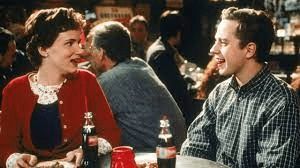
Autism in ‘The Unbreakable Boy’

Greetings Earthlings! 🙂

This week I’d like to take a look at autism in the film ‘The Unbreakable Boy‘ based on the book ‘The Unbreakable Boy: A Father’s Fear, a Son’s Courage, and a Story of Unconditional Love’ by Scott Michael LeRette and Susy Flory.

Starring Zachary Levi, the film tells the true story of Scott and Susy’s experiences as first time parents to Austin who has both Osteogenesis imperfecta (brittle bone disease) and autism. The film gives us an honest depiction of the ups and downs of caring for a child with needs like Austin’s and the strain that this can put on the family unit.

You can see a trailer for the film below:

So how did I rate the films depiction of autism?

It’s always interesting to see how Hollywood will handle an adaptation of a true story about an autistic child, but this film did a pretty good job. Keeping with the current trend in autistic representation, Austin is played by autistic actor Jacob Laval (who also happens to have Osteogenesis imperfecta) which always helps to truly translate the autistic experience. In the film, we get to see some of the classic signs of autism we’re used to like lining up toys and counting them, nerdy specialist interests like Star Wars and dinosaurs, violent meltdowns, OCD, food issues and literal thinking. I did get a chortle when Austin is told he was asked to do something 100 times for him to respond that it’s only been 4 times 🤣

However, the film does showcase some lesser known autistic traits like constant talking (which is rare given how often we’re presented with the non-verbal/introverted autist), tendencies towards daydreaming and fantasies, issues with hand-eye coordination, and sensory issues around clothing. In one particular scene, Austin takes off all of his clothes in the bathroom at church- a behaviour that’s common among some autists who struggle with clothing sensitivity.

The real Scott and Austin at the film premiere

On another level, while I don’t know much about the author, Scott’s character in the film certainly shows some higher functioning autistic traits himself, which is often true for parents of autists. Throughout the film, Scott struggles to cope with parenthood and develops issues with substance abuse to get through. There’s also a throwaway comment about money being wasted on Scott’s hobbies and gadgets which could be a subtle indicator of specialist interests. However, a lot of critics have remarked that focusing on Scott’s experiences in the movie tend to sideline Austin who is the primary focus of the book.
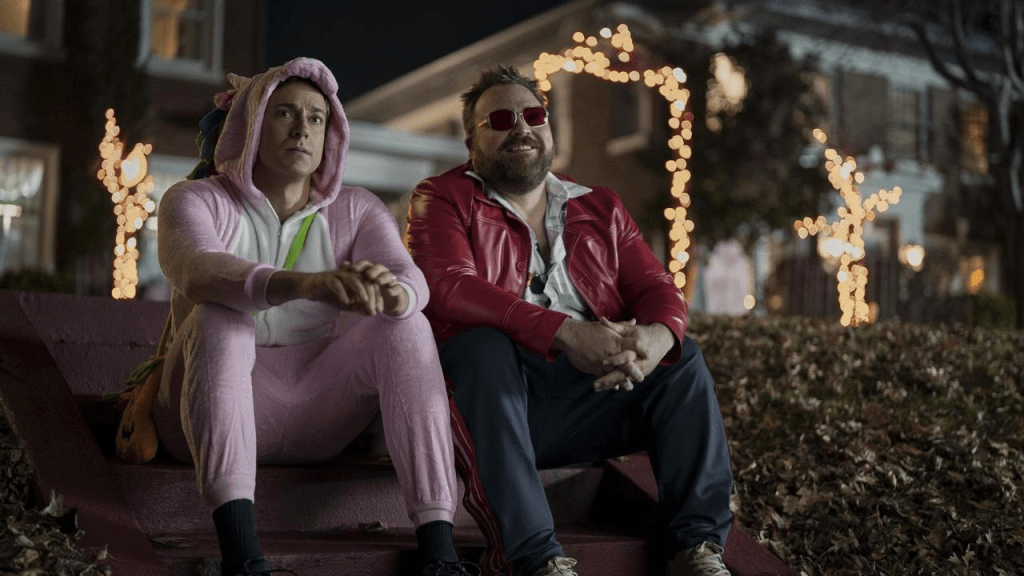
Whilst the film was a fairly lackluster affair (it doesn’t quite hit the warm and fuzzy wholesome feels you’d expect from this type of film), the depiction of autism and the strains it places on the family unit are fairly spot on, charting the highs and lows that come from life on the spectrum.

Hope you enjoyed this post dear Earthlings! 🙂

Have a lovely weekend!

Aoife
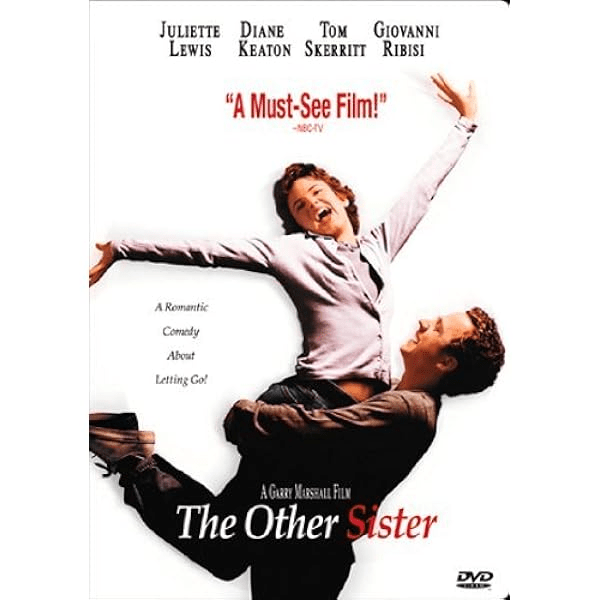
Autism in ‘The Other Sister’

Greetings Earthlings! 🙂

This week I’d like to talk about the depiction of autism in the 1999 romantic comedy film ‘The Other Sister‘, starring Juliette Lewis and Diane Keaton.

Fun fact– Juliette Lewis also appeared in another film featuring an autistic character, ‘What’s Eating Gilbert Grape.’

So what’s the film about?

The film centres around mildly mentally disabled Carla Tate who has lived a sheltered life in a private school. Upon graduation, she returns home to her overprotective mother determined to earn a diploma from a local technical university so that she can become a veterinary assistant and establish her independence. Whilst at college, she meets and falls in love with Danny (who is also mentally disabled), and seeing his independent life, she further advocates for her own life and an apartment, much to the chagrin of her oftentimes controlling mother.

While autism is never explicitly mentioned, both Carla and Danny display a number of autistic traits such as coordination issues, impulsivity, fondness for routine, specialist interests, food issues and lack of filter in social settings.

You can see a trailer for the film bel0w:

So what did I make of it?

As a story, I enjoyed it. It was a wholesome romantic comedy that broke the mould at the time by featuring a mentally disabled couple at it’s core, showing that neurodivergents, despite our differences, want to have ordinary romantic relationships like everyone else. However, the film largely received negative views for the acting (Juliette Lewis was nominated for a Razzie for her performance) and shameless use of disability as a gimmick.

In terms of autism, this was a fairly run of the mill affair, standard stereotypical traits, but unlike the critics I found their depiction fairly inoffensive compared with other more stereotyped examples.

All in all, while not the most relatable depiction of autism when compared with other romantic movies featuring autistic couples (like ‘Mozart and the Whale‘), the film is still worth a watch 🙂

Hope you enjoyed this post dear Earthlings!

Have a lovely weekend! 🙂

Aoife

Autism in ‘I Used To Be Famous’

Greetings Earthlings! 🙂

This week I’d like to talk about Netflix’s latest drama film ‘I Used To Be Famous‘ and an autistic character that appears in the film.

So what is the film about?

The film follows Vince (played by Ed Skrein), a former member of a famous boy band who has been struggling to make headway with his own electronic music since the dissolution of the band several years previously. One day while busking in the city, he happens upon a teenage boy who starts drumming a beat on a nearby bench in sync with his electronic stylings. The resulting music captures the attention of everyone around and a video of the incident goes viral online. As it turns out, Stevie is on the autistic spectrum and a passionate drummer. Vince tracks him down in a music therapy group for people with disabilities and proposes that they start a band together in his desperation to make it back on top, a move which changes both of their lives forever.

You can see a trailer of the film below:

So how was this films depiction of autism?

The writers have kept things simple in the film, choosing to make Stevie’s drumming abilities the main focus rather than his autism, showing us all that autism should never be a blocker to achieving your dreams. Now one of the great things about this film is that building on from Atypical, Netflix has cast an autistic actor, Leo Long, to play Stevie. Leo is a talented drummer with the London Youth Folk Ensemble and National Open Youth Orchestra, and a passionate advocate for making the music and film industries more accessible for individuals with disabilities.

It’s a heartwarming film with some great tunes to boot- perfect for a quiet evening in 🙂

Hope you enjoyed this post dear Earthlings!

Have a lovely weekend 🙂

Aoife

Blog at WordPress.com.

Up ↑