Autism and Dopamine Dressing

Greetings Earthlings! 🙂

Leading on from my previous post about autism and clothing, this week I’d like to put the concept of ‘dopamine dressing’ under the microscope.
So what exactly is it?

It might sound like some random fashion fad, but dopamine dressing is an activity that many neurodivergents unknowingly participate in. It’s the process of choosing clothing that will boost your mood and bring joy based on colours, comfort and texture- basically choosing clothes that will make you happy.

But how does dopamine fit into this trend?

As I’ve discussed in many previous posts, dopamine is a neurotransmitter and hormone (also known as a neurohormone) that acts as a chemical messenger in both the brain and the body. Often referred to as the “feel-good” hormone, dopamine plays a central role in the reward system in our brain, controlling mood and motivation among other things. So when we choose clothing that makes us happy, dopamine is released which improves our mood.
In the neurodivergent brain however, dopamine is dysregulated which can impact motivation and behaviours. This is particularly an issue for autists who also have ADHD who often have low levels of dopamine causing issues with motivation and focus. As a result, autists seek out dopamine through impulsive, high stimulation activities that push the brain to release the dopamine they need to function, often referred to as ‘dopamining’.

As such, dopamine dressing is a dopamining behaviour or coping mechanism to help boost an autists missing dopamine to improve mood, mental health and confidence. In my own case I am very much a dopamine dresser. I buy clothes in an array of bright colours (it’s like a rainbow threw up in my wardrobe at times), soft, fluffy jumpers that I can stroke, and choose loose comfortable clothing that doesn’t irritate my skin. On the other hand, I also have a fondness for a tight skinny jean as the pressure against my legs increases my dopamine like a weighted blanket. I always select what’s going to make me happy and lights up my brain, rather than just yanking out the first top I see.
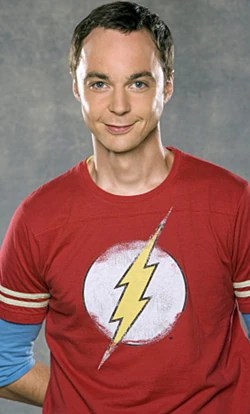
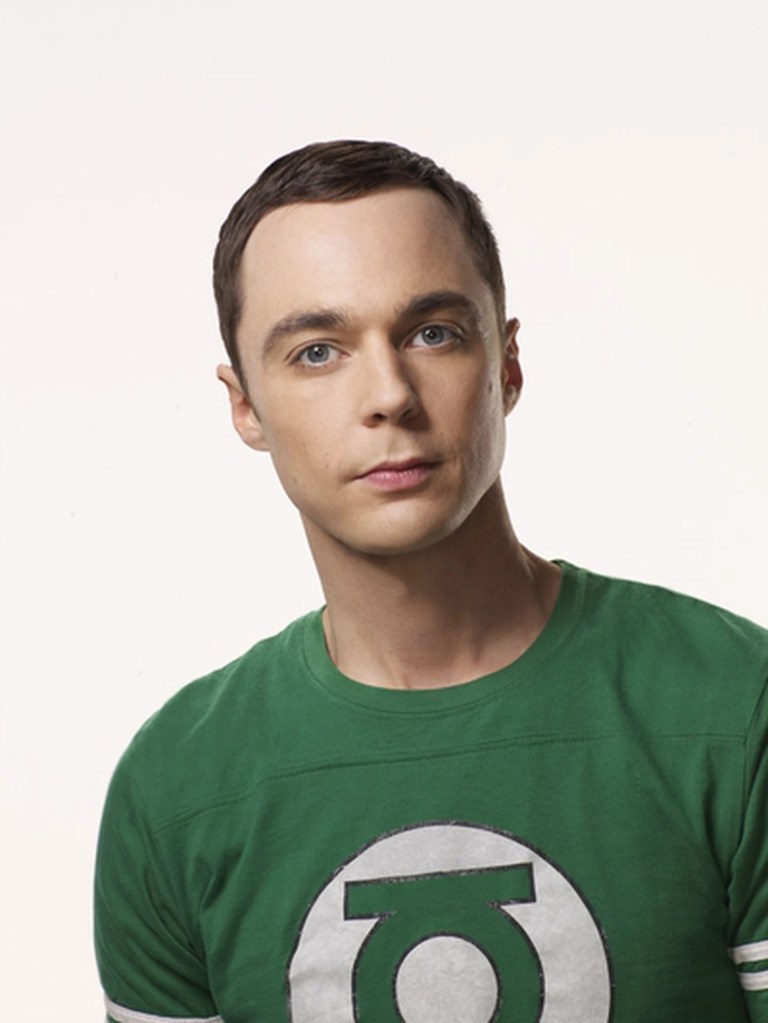
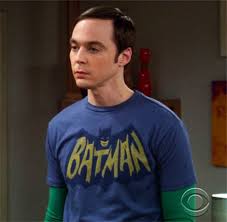
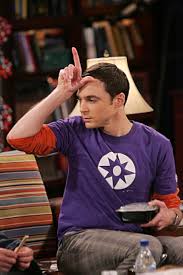
On another level, some autists choose clothing that has ties to their specialist interests to help boost their comfort and dopamine like a band or comic book t-shirt. I keep an array of whimsical socks in my drawer for example, many of which have animals printed on them like highland cows, dogs and alpacas as animals are very close to my heart (and feet!). When you think about it, Sheldon Cooper’s many superhero t-shirts were all indicators of dopamine dressing years before the concept was ever proposed.
Hope you enjoyed this post dear Earthlings!

Have a lovely weekend!

Aoife
Autism in ‘Geek Girl’

Greetings Earthling! 😀

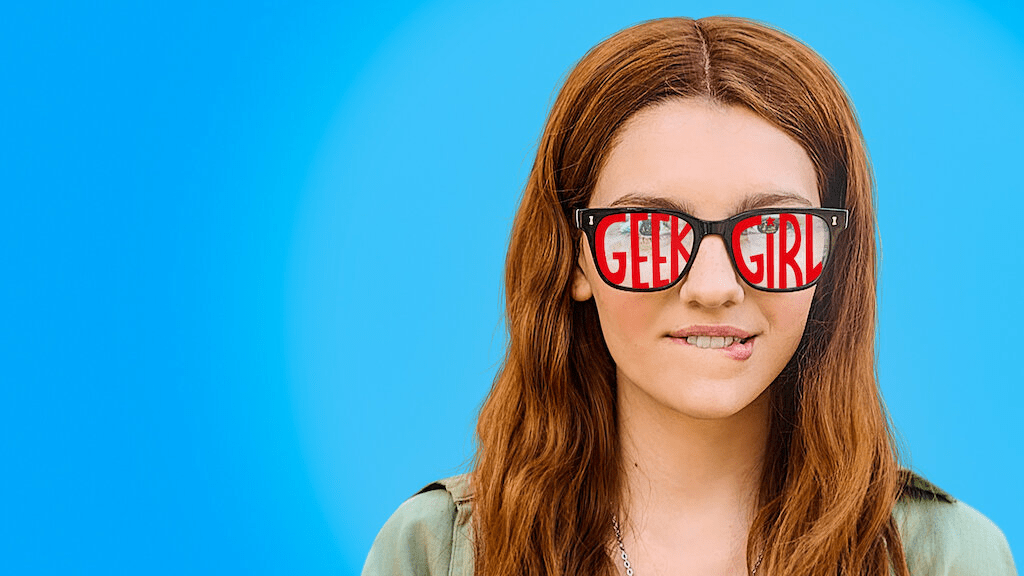
This week I’d like to talk about the new young adult series Geek Girl on Netflix (they’re really on the ball with neurodiversity the last few years!) and it’s accurate depiction of the struggles of an autistic teenage girl.

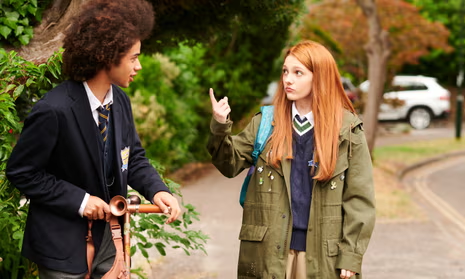
Based on the Geek Girl books by Holly Smale (which I have purchased and will write about eventually), the series follows awkward “geek” Harriet Manners who’s life completely changes after being scouted by a modelling agency. Mercilessly bullied at school, she sets out on her modelling journey to reinvent herself. You can check out a trailer for the series here:

But you haven’t mentioned anything about autism yet Aoife?

So- the author Holly Smale wrote these books based on her own experiences of being an awkward teen model, BUT Holly was diagnosed with autism at the age of 39 and has retrospectively described Harriet as autistic. As such, it seems that the TV series is planning to incorporate an autism diagnosis down the line, as lead actress Emily Carey is autistic, and there have been many hints to her neurodivergence including a conversation between her agent and her father about seeking a professional and not wanting to label her.

So what did I make of the show?

Well I absolutely loved it- a lovely wholesome show with an authentic portrayal of neurodivergence, I was hooked! Harriet’s autistic traits were subtle (as they are for most high functioning autists)- stimming, coordination issues, minor issues reading social cues etc. What really sets the series apart from others though is Harriet’s narration. We get to see her internal monologue, how she thinks and processes, which really helps to give an insight into what we autists go through on the inside (though I will say that my internal monologues speak waaaaaaay faster than Harriet’s 😂). Harriet’s friend Toby is also clearly on the spectrum, albeit he presents far more like the traditional autistic oddball that we often see in media depictions of autism- which while a little stereotypical, really helps to show how different male and female presentations of autism can differ.

One of the other things I found most interesting was how Harriet’s dad also appears to be neurodivergent. He seems to struggle with work, is quite nerdy and eccentric (he drives Harriet to school in his PJs one day) and is described by his wife as very childish. At one point during an online job interview his wife holds up flashcards for him coaching him on what to say, reminding me of how people have tried to guide me in certain social situations. Very often with on screen portrayals of autism we focus on the child or the oddball single adult, we don’t tend to see neurodivergence in the wider family like between parent and child 0r other spectrum siblings. Autism is highly genetic with many parents discovering their neurodivergence after their child is diagnosed, and there can often be multiple autistic children within a family (I once came across a family with 5 sons on the spectrum).

My one criticism, again like Dinosaur, was Harriet’s stereotypical love of dinosaurs and desire to be a paleontologist, buuutttt as a real autist wrote the show, I can’t really argue with lived experience 😜. I’m really starting to wonder- did I miss the autism memo that you need to be obsessed with dinosaurs cause I have never really seen the fascination 🤣🙈 Dogs are much more my vibe!

Interestingly, many critics have branded the show an “inauthentic” representation of autism… to which Holly Smale had the following to say:

“It’s based on books written by me (autistic), about me as a teen (autistic). I wrote all of Harriet for the show (still autistic) and the lead actor is autistic. It’s the DEFINITION of authentic. I think people are so used to seeing inauthentic representation they don’t recognise it when it’s in front of them.”

You can’t get more authentic than that folks! 🤣🙈

All in all I highly recommend this show and look forward to seeing Harriet’s journey in future seasons!

Hope you enjoyed this post dear Earthlings! 🙂

Have a lovely weekend!

Aoife

Blog at WordPress.com.

Up ↑