Autism and Dopamine Dressing

Greetings Earthlings! 🙂

Leading on from my previous post about autism and clothing, this week I’d like to put the concept of ‘dopamine dressing’ under the microscope.

So what exactly is it?

It might sound like some random fashion fad, but dopamine dressing is an activity that many neurodivergents unknowingly participate in. It’s the process of choosing clothing that will boost your mood and bring joy based on colours, comfort and texture- basically choosing clothes that will make you happy.

But how does dopamine fit into this trend?

As I’ve discussed in many previous posts, dopamine is a neurotransmitter and hormone (also known as a neurohormone) that acts as a chemical messenger in both the brain and the body. Often referred to as the “feel-good” hormone, dopamine plays a central role in the reward system in our brain, controlling mood and motivation among other things. So when we choose clothing that makes us happy, dopamine is released which improves our mood.

In the neurodivergent brain however, dopamine is dysregulated which can impact motivation and behaviours. This is particularly an issue for autists who also have ADHD who often have low levels of dopamine causing issues with motivation and focus. As a result, autists seek out dopamine through impulsive, high stimulation activities that push the brain to release the dopamine they need to function, often referred to as ‘dopamining’.

As such, dopamine dressing is a dopamining behaviour or coping mechanism to help boost an autists missing dopamine to improve mood, mental health and confidence. In my own case I am very much a dopamine dresser. I buy clothes in an array of bright colours (it’s like a rainbow threw up in my wardrobe at times), soft, fluffy jumpers that I can stroke, and choose loose comfortable clothing that doesn’t irritate my skin. On the other hand, I also have a fondness for a tight skinny jean as the pressure against my legs increases my dopamine like a weighted blanket. I always select what’s going to make me happy and lights up my brain, rather than just yanking out the first top I see.
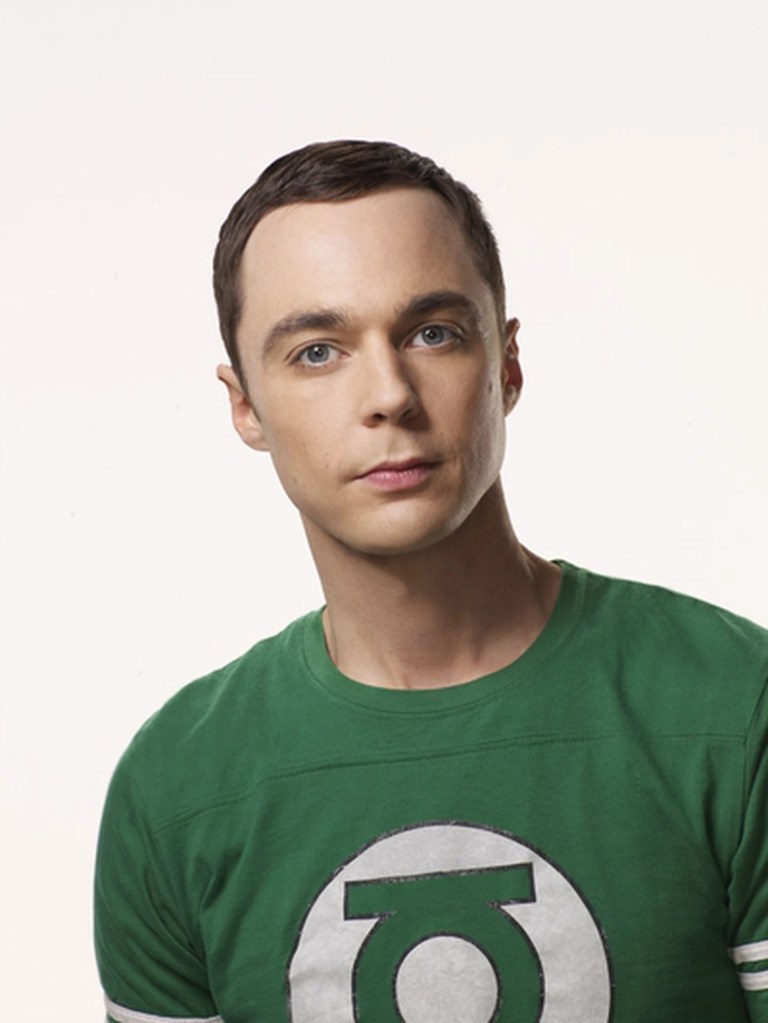
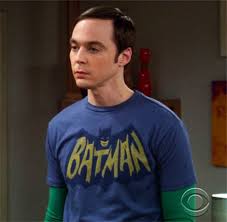
On another level, some autists choose clothing that has ties to their specialist interests to help boost their comfort and dopamine like a band or comic book t-shirt. I keep an array of whimsical socks in my drawer for example, many of which have animals printed on them like highland cows, dogs and alpacas as animals are very close to my heart (and feet!). When you think about it, Sheldon Cooper’s many superhero t-shirts were all indicators of dopamine dressing years before the concept was ever proposed.

Hope you enjoyed this post dear Earthlings!

Have a lovely weekend!

Aoife
Autism and Clothing

Greetings Earthlings! 🙂

This week I’d like to briefly expand on something that I touched on in my previous post about skin sensitivity, -the importance of clothing and autism.

bitmoji-20190401080206

No, I’m not going to talk about fashion, but function!

For many autists, it can be quite difficult to pick out clothes. A stray fiber, an itchy label or a prickly seam can unleash a storm of sensory discomfort. Gene mutations cause the nerves in our skin to be extra sensitive to certain stimuli. This coupled with hyperactivity in the cortex and the amygdala (both regions involved in sensory processing) don’t make for the happiest of bedfellows.

But what if the clothes that irritate us could in fact be used to manage autistic symptoms?

bitmoji431833082

Clothes are now being designed and adapted to cater for the different needs of autists. Companies are now producing  seamless socks and underwear, looser fitting clothes made from softer materials, and most interestingly, weighted and compression clothing.

Based on the research of the great Temple Grandin and her hugging machine, both weighted and compression clothing provide calming, deep pressure stimulation much like a soothing hug. The pressure switches off the sympathetic nervous system (fight or flight) to the parasympathetic nervous system (rest and digest), promoting the release of “feel good” neurotransmitters. Based on this, it’s thought that autists are better able to cope with sensory issues, hyperactivity, motor skills and sleeplessness when wearing sensory clothing.

It’s a really interesting premise- there’s even been an inflatable sensory scarf produced that’s designed to provide soothing pressure in addition to emitting calming aromas! Check it out:

https://www.wired.com/2015/08/odd-looking-clothing-designed-help-autistic-kids/

In reality however, the results are mixed. Scientific studies indicate that weighted and inflatable vests do not appear to be effective and are not clinically recommended, yet the personal testimonials of families across the globe beg to differ. One testimonial claimed that a child’s meltdowns went from 12 a day to having none in 3 years!

Either way, nothing ventured nothing gained, so if you think that sensory wear may be of benefit to you or a loved one with autism, why not give it a shot? 🙂

With the variety of sensory wear available, you’ll at the very least look fabulous! 😉

bitmoji216715141


Enjoy the weekend everyone! 😀

Aoife

Autism and Skin Sensitivity

Greetings Earthlings! 🙂

So today I spent much of my time screaming inside my head- “Why does this outfit itch so much???!!!” 😛

Image result for itchy gif

This is a fairly common complaint for autists when it comes to clothing.

A single sharp fiber in your skinny jeans, an irritating label on your neck, a twisted bra- the niggling is a killer to the autistic brain!

When my skin is irritated, I find it very difficult to concentrate on much else until the offending stimulus is removed. It drives me insane- especially if I’m not in a position to remove or adjust the offending item of clothing. I’ve often had to find creative ways to navigate clothing irritation when out in public such as well placed blister plasters (I did this to the irritating clasp of a lanyard once!) and toilet roll to create barriers against the fabric!

Needs must after all! 😉

bitmoji1326577628

But is my skin really this sensitive?

According to science, the answer is yes!

Research suggests that gene mutations cause problems for the sensory nerves in our hands, legs, arms, fingers and of course, the skin covering them. Mutations cause these nerves to be excessively sensitive- described by scientists as having the volume turned up to the max setting. When these nerves relay sensory information back to the brain, the brain feels the touch of certain stimuli at a heightened, exaggerated level.

Hence my internal screams! 😛

Another study, which tested the response of autists and neurotypicals to sensory stimuli (e.g. a scratchy wool jumper) in a brain scanner, found that the autistic brain reacts more strongly. The primary cortex of the brain (involved in sensory processing) and the amygdala (involved in emotional regulation) were both hyperactive during this experiment, suggesting that autists a) process sensory input differently, and b) struggle to regulate their emotional response to stimuli.

So what can you do to help an autist with sensitive skin?

This is a tough one to advise. Sensitivities vary from person to person. Some may favour loose clothing, others enjoy the comfort of tight clothes which provide calming deep pressure. In my experience, the best tip that I can offer is to use a seam ripper to properly remove labels (the remnants of the tag can be just as irritating). After that, trial and error is the best way to find out what works for you/or your child 🙂

Some days, sensitive skin can be a pain (especially where undergarments are concerned 😛 ), but hey- it also makes puppies all the fluffier! 😉

Image result for petting fluffy puppy gif

Enjoy the weekend everyone! 🙂

Aoife

Blog at WordPress.com.

Up ↑