Today I’d like to explore something I’ve been wondering about a lot recently: can animals be autistic?
We’ve often been told how closely related human and animal genomes are, but what about our brains?
I often look at my German Shepherd and see a lot of autistic traits in him- he has ADHD and anxiety, behaves inappropriately, thinks creatively (he once buried a bone in a mattress) and never really grew out of his puppy brain despite recently turning 6!
^^^Not my dog, but similarly bonkers! 😛 😉
Naturally, I could be imagining it (as a scientist it’s hard not to over analyse), but what does the evidence have to say?
In clinical research, there are a number of animal models which have been genetically bred to exhibit autistic traits including rats, fruit flys, monkeys and most commonly mice. These animals will have mutations in genes that have been linked to autism which causes them to exhibit some common autistic traits. In the mouse model for example, mice show signs of repetitive behaviours, deficits in social interaction and reciprocation, memory deficits and increased aggression.
But what about in nature?
There is very little evidence to suggest that animals can be autistic, however, a recent study by veterinary behaviorists in the USA has indicated that there is evidence of canine autism!
I know!
Maybe I should get my dog diagnosed… 😉
In fact, vets have considered the possibility of autism like symptoms in dogs since 1966!!
The 2015 study examined tail chasing behaviours in bull terriers in addition to running DNA analysis. These researchers found that tail chasing was associated with trance-like behaviour and random outbursts of aggression in these dogs. In addition to this, tail chasing was more common in males than females- just like human ASD’s. This group also suggested that the physical features of these bull terriers (long face, high-arched palate, and large ears) could be indicative of Fragile X Syndrome- a genetic condition where 15-60% of this population are additionally diagnosed with autism.
This study is not definitive, but it does open us up to the possibility that autism may naturally exist in the animal kingdom.
As autism can be difficult enough to diagnose in humans, you never know- other animals could quite possibly have autism, we’ve just never considered it! 🙂
Today I’m going to discuss one of the most common autistic traits- difficulty with eye contact. This can be particularly troublesome when it comes to situations such as job interviews where good eye contact is important to success.
Growing up, I was often told by my family that I had trouble with eye contact, but I never really noticed much myself until I was older. On some level I knew that making eye contact made me feel uncomfortable, but I never really gave much thought as to the reason. We just sort of assumed that I cast my eyes away for lack of self confidence.
In my experience, making eye contact just feels awkward and weird to me. I’ve never really been able to explain why, it just does.
Over the years, at my family’s insistence, I gradually learned to force myself to make eye contact. There are still times when I find eye contact uncomfortable (if I’m mid or teetering on the edge of a meltdown, any attempt to lock eyes goes out the window!), but I’ve found ways to get through it.
Since receiving my diagnosis, I’ve noticed that I seem to have automatically adopted a coping system for making eye contact in close quarters. I make the contact, hold the gaze for an appropriate amount of time, then look away briefly before returning to centre. Other times, I move my gaze around to focus on different group members, breaking the contact just enough to remain comfortable without coming across as weird (I hope 😛 😉 )!
It kind of looks something like this:
Top Tip: If you feel uncomfortable making eye contact as you’re walking along the street, I find that wearing sunglasses (provided the weather is somewhat appropriate 😉 ) can be a great help 🙂
So what does the scientific community make of our struggles with eye contact?
One study suggests that the reason we avoid eye contact is actually related to how we process visual information. In this study, children with autism were shown images in both the centre and periphery of their vision. In a neurotypical brain, a large portion of the brain’s cortex is dedicated to processing information in the centre of your visual field. In the autistic brain, a larger portion of the cortex was engaged when the image was shown in the child’s peripheral vision.
In other words, we have more neurons dedicated to processing peripheral visual information, hence why direct, central eye contact is often avoided.
We’ve known for a while that autists perceive the world in a unique way, now we know that we actually see the world differently too! 😉
So today I spent much of my time screaming inside my head- “Why does this outfit itch so much???!!!” 😛
This is a fairly common complaint for autists when it comes to clothing.
A single sharp fiber in your skinny jeans, an irritating label on your neck, a twisted bra- the niggling is a killer to the autistic brain!
When my skin is irritated, I find it very difficult to concentrate on much else until the offending stimulus is removed. It drives me insane- especially if I’m not in a position to remove or adjust the offending item of clothing. I’ve often had to find creative ways to navigate clothing irritation when out in public such as well placed blister plasters (I did this to the irritating clasp of a lanyard once!) and toilet roll to create barriers against the fabric!
Needs must after all! 😉
But is my skin really this sensitive?
According to science, the answer is yes!
Research suggests that gene mutations cause problems for the sensory nerves in our hands, legs, arms, fingers and of course, the skin covering them. Mutations cause these nerves to be excessively sensitive- described by scientists as having the volume turned up to the max setting. When these nerves relay sensory information back to the brain, the brain feels the touch of certain stimuli at a heightened, exaggerated level.
Hence my internal screams! 😛
Another study, which tested the response of autists and neurotypicals to sensory stimuli (e.g. a scratchy wool jumper) in a brain scanner, found that the autistic brain reacts more strongly. The primary cortex of the brain (involved in sensory processing) and the amygdala (involved in emotional regulation) were both hyperactive during this experiment, suggesting that autists a) process sensory input differently, and b) struggle to regulate their emotional response to stimuli.
So what can you do to help an autist with sensitive skin?
This is a tough one to advise. Sensitivities vary from person to person. Some may favour loose clothing, others enjoy the comfort of tight clothes which provide calming deep pressure. In my experience, the best tip that I can offer is to use a seam ripper to properly remove labels (the remnants of the tag can be just as irritating). After that, trial and error is the best way to find out what works for you/or your child 🙂
Some days, sensitive skin can be a pain (especially where undergarments are concerned 😛 ), but hey- it also makes puppies all the fluffier! 😉
Did you know that between 40% and 80% of autists reportedly have sleep problems?
I have spent many a restless night tossing and turning whilst my mind races. Like a washing machine on the highest spin setting, my mind keeps going round and around when I turn out the lights.
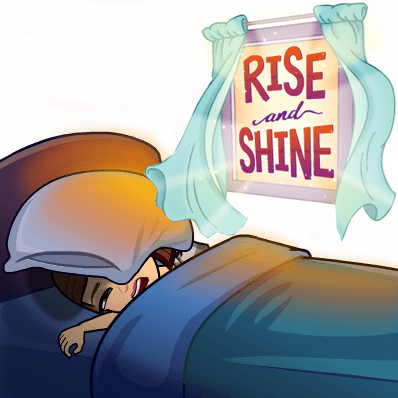
This is a fairly accurate (and cute) representation of my efforts to sleep at night:
^
I struggle to get comfy and start thinking and stressing about my day, about tomorrow, about that embarrassing time when I got an answer wrong in class and everyone laughed at me…and it keeps rolling on in a similar never-ending loop. The pillow starts heating up (did you know that thoughts produce heat? ), I start stressing about not sleeping and how soon the alarm will go off, get frustrated and inadvertently end up even more awake than before!
Eventually I pass out, and when the sun comes up the next morning…
….I wake up feeling like death in a tangle of bedclothes, wearing my sheet as a scarf! 😛
It doesn’t happen every night, but on occasion, especially if I have to be somewhere important or catch a bus early the next morning. I spend so much time thinking about needing sleep that I end up chasing away any tiredness! 😛
But why are we prone to disturbed sleeping patterns?
As with many aspects of autism, it’s unclear why exactly we struggle with sleep, but the experts have a few theories on the subject:
Melatonin, the hormone which controls sleep and wakefulness, is thought to contribute to sleep issues in autism. The amino acid tryptophan is needed for the body to produce melatonin, an amino acid which research has shown can be either higher or lower than normal in people with autism. Ordinarily melatonin is released in response to darkness (to induce sleep) with levels dropping during daylight hours (to keep us awake). However, studies have shown the opposite in some autists, where higher levels of melatonin are released during the daytime and lower levels at night. So that explains why I’m often inexplicably dying for a nap in the middle of the day!
Sensory issues are also thought to contribute to these sleep problems. Many autists have an increased sensitivity to such stimuli as touch, light, noises, etc. During my first year in college I became somewhat of an insomniac due to city noises, late night fire alarms and paper thin walls…
A number of autists, such as myself, are night owls. Recent brain imaging scans have shown that there are physical differences in the brains of night owls and morning larks. Night owls show signs of reduced integrity in the white matter of the brain (fatty tissue that enables brain cells to communicate with each). This compromises the speed of transmission between neurons which can cause insomnia, daytime sleepiness, antisocial personality disorder and interfere with cognitive functioning. Differences in the integrity of white matter have been linked to ASD’s, so this could explain why we struggle to sleep at night. But it’s not all bad- some studies have shown that night owls are more productive, have more stamina and can display greater analytical and reasoning abilities than morning larks! 🙂
Anxiety problems are also thought to contribute to troubled sleeping
So what can you do to improve your sleep?
Weighted blankets are often recommended to help manage autism. As I’ve discussed previously, autists have higher levels of stimulatory neurotransmitters and lower levels of calming neurotransmitters. Weighted blankets contain metal or plastic beads in the quilted layers to apply deep, calming pressure to the user- like simulating a hug. This pressure is designed to stimulate the release of serotonin (which helps regulate the sleep cycle and temperature) and dopamine to relax and calm the mind and to better help us to sleep.
Some studies have shown that weighted blankets do not noticeably improve sleep for autists, however many people, neurotypical and neurodiverse alike, have found that they get a much better night’s sleep from using them- so it’s worth a try!
Personally, I’ve discovered that using screens too close to bed time can make it harder for me to nod off at night. Scientists have found that the blue light emitted by most screens can interfere with the production of melatonin, making it more difficult to fall asleep. If melatonin disturbances are indeed contributing to your sleep issues, it would be wise to decrease screen time in the night time.
Aoife’s Top Tip: Ditch the laptop before bed, read a book instead! 😉
Experts also recommend avoiding caffeine, getting more exercise, establishing a routine and taking measures to manage stress.
In my experience, stress management is key to getting a good nights sleep. My memories of being an angsty teenager are littered with sleepless nights spent fretting about everything! Once I got on top of my stress, peaceful sleep was quick to follow 🙂
Sleep will come, you just have to find what works for you.
Goodnight dear Earthlings, I’m feeling a nap coming on 😉
So today I’m going to take a look at the latest craze- Fidget Spinners. I couldn’t take more than 50 steps in Dublin the other day without someone trying to sell me one! 😛
So what exactly are they?
In case you’ve been living under a rock, Fidget Spinners are a handheld device where the centre is held between your fingers and you spin the device. They come in all shapes and sizes and are designed to relieve stress.
Here’s a video discussing them and some of the crazy things that people have been using them for:
But what have Fidget Spinners got to do with autism?
Whilst they may have only surged in popularity in recent months, Fidget Spinners were actually invented in the 1990’s to help people who have trouble focusing, such as those with ADHD, anxiety and autism, to channel excess nervous energy and stress into the spinning device. The thinking is that by diverting the excess energy into a physical action, this frees up certain areas of the brain from distraction, allowing you to better pay attention. It is also thought that fidgeting can relieve the brain of negative and obsessive thoughts.
But do they really work?
Opinions are polarizing as to whether or not they actually help. There is very little scientific evidence to support these claims. Of the studies that are out there, most focus on general fidgeting such as foot tapping, where it has been shown that movement can help to maintain alertness and improve working memory, but there are no studies specific to the Fidget Spinner itself.
Some experts warn that these toys may actually prove to be even more of a distraction for people with attention disorders. In theory, the toys occupy the hands so that you can focus your mind on the lesson (like stress balls), however, experts believe that the visually pleasing spin of the blades could add a further element of distraction.
For teachers, they are proving to be a distracting nightmare in the classroom with many banning the device.
As opinions are divided, I decided to get one for myself and, pardon the pun, give it a whirl 😉
There is definitely something oddly satisfying about holding the device between your fingers as it whirs into life, and there have been several moments where I’ve felt the addictive urge to spin it throughout the day.
However, I did not find it soothing from an anxiety perspective. In fact it actually really annoyed me when it would stop spinning and I would have to get the rotors spinning again! 😛 I also found that it didn’t substitute as a calming “stim” and that I still reached to fidget with my necklace whilst I was using the Fidget Spinner!
That being said, autism is a spectrum where no two are alike. The Fidget Spinner may not work for me, but it could still be a nifty little tool to help manage ADHD and anxiety in another autist 🙂
Leading on from the previous post, I’d like to talk to you about shutdowns and autism.
So what exactly is a shutdown?
A shutdown is basically an episode where the brain briefly stops processing and making sense of information in response to stress or sensory overload.
The lights are on, but nobody’s home.
These episodes are much more discrete than meltdowns, and can often go unnoticed by the outside world. Sometimes meltdowns can turn into shutdowns and vice versa.
So what does a shutdown feel like?
Like meltdowns, shutdowns can manifest differently among autists. Some people go completely limp and unresponsive, some withdraw completely from those around them, some even become really sleepy and nod off.
For me personally, a shutdown is like entering a state of shock. You might struggle to move (as discussed in my diagnosis story), formulate sentences, or even think. It can be a completely overwhelming experience. When I first started to become aware of them as a teenager, I had no idea what was going on; I just knew that I felt, for lack of a better word, “wrong”.
Like meltdowns, in my experience, shutdowns can be either mild or severe:
Mild shutdowns tend to happen in social situations, especially in confrontation. Someone throws me off or says something that I hadn’t anticipated…aaaannnd my mind freezes up. I go limp and say nothing, whilst the other person talks on oblivious. To an outsider it looks like I’m just listening or defeated by an argument; in reality, my brain can’t formulate the words to respond.
The minute the conversation ends my brain reboots and suddenly all that I could or should have said comes rushing back- great timing! 😛
Severe shutdowns, like meltdowns, are brought on by serious stress, or a shock. Think of your brain like a computer that’s been attacked by a virus. The system get’s overwhelmed by the attack and needs to shuts down to recover. When this happens, it feels as though I’ve been locked out of my own brain.
However, unlike a meltdown situation, I’m locked out yes, but the brain hasn’t been hijacked. I’m not in a state of total control, but I’m not out of control either- a little bit purgatorial in nature.
It’s a very odd sensation.
I find myself in an overwhelming situation and fail to react. I know that I don’t feel right about the situation, so I try to break down what happened and process. However, when I go to think about the event, it’s as if a firewall has gone up and all of the files in my brain have been encrypted. You keep trying to access your files so you can run a scan to diagnose the problem, but your brain keeps locking you out.
It feels sooo weird, like my mind is flashing this giant ‘NOPE’ sign at me every time I try to think! 😛
^^^accurate representation of my “access denied” face 😛 😉
During a particularly bad shutdown, I once spent about 5 minutes of going “um…ah… what it is… er…you see…uh” down the phone to my mother before I could coherently form a sentence to tell her what had happened. My mind simply refused to let me go there!
But why do shutdowns happen?
There’s not a lot of information out there as to the biological cause of shutdowns, but experts seem to think that it is the result of an abnormal stress response like the meltdown, possibly linked to the high and persistent levels of stress hormones in autism. Some have theorized that the shutdown is almost a preventative form of meltdown wherein the autist shuts down to prevent further sensory input and injury- like playing dead to avoid a fight.
Shutdowns can be difficult, but you just have to give them time to pass 🙂
Top Tip: Like a meltdown, you can sometimes speed up a shut down through music. Animals are also particularly good to release the hold of a shut down. My dogs always seem to sense when something’s wrong with me- a concerned look from them will often get the waterworks flowing 🙂
Remember- your brain needs time to recover after a stressful incident- there’s a reason you need to leave your computer a few minutes rest after a reboot 🙂 😉
Leading on from Friday’s post, I’d like to place the autistic meltdown under the microscope today.
So what exactly is a meltdown?
To an outsider, meltdowns appear like temper tantrums. You see a petulant, naughty child that didn’t get their way. Screaming, throwing things, violent behaviour- it seems like a tantrum, but the reality is very different.
Meltdowns are described as a temporary loss of behavioural control in response to an overwhelming situation or stimulus. This can manifest physically (lashing out, kicking, biting etc.), verbally (shouting, crying, screaming) or both.
So what’s happening in the brain that causes these outbursts?
The human body increases secretion of what are known as stress hormones (e.g. adrenaline, cortisol) in response to a stressful situation. Studies have shown that autists have higher levels of these stress hormones than their neurotypical peers.
When a stressful situation passes, stress hormones should return to normal levels. In the case of autism however, these hormones persist in the body for some time afterwards. The autist is left with residual levels of biological stress which make us more susceptible to stress related outbursts.
Release of stress hormones is controlled by the hypothalamic–pituitary–adrenal axis or HPA axis, a complex interconnecting network that comprises the hypothalamus, the pituitary gland andthe adrenal gland (i.e. HPA). This system controls how the body reacts to stress. Research suggests that this system is hyper-reactive to stress in the case of autism.
In particularly stressful or harmful situations, our bodies enter a heightened state of physiological stress which triggers the “fight or flight” response. High levels of stress hormones such as cortisol and adrenaline increase the release of glucose (to give a burst of energy) and increase blood pressure (to divert blood to the muscles) in order to prepare you to either fight the danger or run away from it.
This response is triggered in the case of a meltdown.
Excessive stress hormone release pushes the brain over the edge. The brain thinks it’s under attack and instructs the body to protect itself at all costs. The autist is in instinctual fight or flight mode at the mercy of their stress hormones.
Meltdowns manifest differently from person to person. When I would meltdown, it appeared as though I were throwing temper tantrums as I stood and fought my corner; other times I would run away from my trigger somewhere quiet. Sometimes I fought and then ran away.
My parents tried everything to get me to control my “tantrums”. Taking away toys, sending me to my room, bribery, guilt, you name it!
Bribery was perhaps one of the more successful tactics they used. My meltdowns were at their worst around the age of 6, so my mother implemented a sticker reward system. If I behaved myself, I got a sticker for the day on the calendar. At the end of the month if I had a full set of stickers I would get a present.
It didn’t really work though…I only managed maybe two months without incident, and I doubt that they were consecutive. I still think fondly of that hard earned Monkees greatest hits tape (such a Hipster child! 😛 ) and Hula Hair Barbie! 😉
Anyone else remember her?
One year, I was even asked to give up losing my temper for lent!!! 😛 I lasted about 4 weeks, had a meltdown and subsequently felt like the worst person in the world for letting Jesus down!
It seemed biology had a different plan- how naive we were! 😛
So what does a meltdown look like for me?
I like to classify the severity of a meltdown on a scale from 1 to 3:
Stage 1: These are very mild and normally pass within a few minutes. Usually these entail getting a little bit overwhelmed and starting to cry unexpectedly- often mid sentence! Think of these moments as opening the steam valve to cool the system 🙂 Maths classes for example triggered many of these mini meltdowns- I wouldn’t understand a concept or problem, get frustrated, aaaannnnd suddenly find myself choking back tears while my exasperated maths teacher attempted to break things down for me (or if this happened mid-homework I’ve been known to throw my book at the wall 😛 ).
Stage 2: This type of meltdown is a little more intense spreading out over several minutes, hours, and if particularly overwhelmed, on and off again over days. A situation, rumination or accumulation of stress tends to set these guys off. If wound particularly tightly, something very simple may tip the scales in this case- “You don’t want to play with me? FINE!” **Core meltdown activated**! Tears flow, your chest gets tighter and breathing can be difficult. This tends for me to be a “feeling” or cathartic stage. You’re in overload and need to feel, think and process the triggers until the storm passes.
TIP: I find that reasoning and music (songs that relate to the emotion or trigger) often work well to calm you and speed up the process. Hugs are also greatly appreciated as deep pressure calms and eases stress 🙂
In this stage I find that shutdowns can also happen, wherein I struggle to speak, think and even act (an experience I’ll delve into further on Friday 🙂 )
Stage 3: Enter the dragon! These are full scale, out of control meltdowns. Fight or flight is triggered and you are working on autopilot. The brain has been pushed too far and launches all out war. These tend to be brief, (gradually abating to a stage 2 meltdown when the adrenaline wears off), but are highly destructive. You can literally say or do anything in this heightened adrenal state. Your mind believes it’s at war and will act accordingly to protect itself. Reason is useless; scolds are futile. The real Aoife is locked outside her brain, banging on the door desperately trying to re-enter the cockpit. I’m aware that I’m out of control and want it all to stop, but am powerless to do so. Nothing can be done but wait until the door is unlocked once more.
TIP: Anger and attempts at restraint are useless in this situation, it only fuels the fire. Remaining as calm as possible until the mist passes is key.
I know these can sound a little scary, but they do decrease in frequency with time and stress management. It takes a significant stressor to trigger a stage 3 for me anymore 🙂 Happy stage 1 meltdown’s, like hearing the Phantom of the Opera overture, can even be quite amusing! 😛 😉
Meltdowns are tricky, but easily managed when you understand them for what they are. In the years leading to my diagnosis, without knowing it, I developed methods to help ease these passing hurricanes. Deep breathing, writing out my emotions, hugging a pillow or giant teddy, talking, and praying, but most importantly music. Music is key for me personally. The melodies, the riffs, but especially the lyrics; they soothe my soul. They verbalize the emotions I’m struggling to identify and process, guiding me safely past the storm 🙂
A meltdown is not a tantrum; it is not attention seeking behaviour; believe me- no one wants it to stop more than I do.
It is a biological response to excessive stress. We have no control over it. Punishments and judgments will only make things worse. Growing up would have been so much easier had my friends, family and (most importantly) I understood this.
Love, support and understanding are critical to meltdown management.
So try not to judge that kid crying hysterically in the corner at a party- there may be far more to it than you realize 🙂
So today I’m going to share with you something that I’ve been musing on a lot lately:
“Does autism make me a bad person?”
When it comes to autism, there is a very fine line between bad behaviour and autistic behaviour.
To an outsider, meltdowns appear like temper tantrums. Inappropriate statements and behaviours seem to hint at a naughty child.
It can be very hard to discern the difference.
As a child, I spent much of my time being branded as naughty. Growing up in an Irish household, I was no stranger to the dreaded wooden spoon…
I was notorious for my “temper tantrums”, I always seemed to say and do the wrong things, and I consistently found myself fighting with those around me. In short, I was a nightmare!
Worse still was the nightmare I lived on the inside.
I never could understand why I said or did bad things back then. My sisters never seemed to find themselves in the trouble that I always did. Something simple would just set me off like a rocket and there would be no turning back. After the smoke had cleared, sitting in a pool of tears surrounded by the wreckage of a meltdown, I felt like the worst person in the world.
“Why did I say that?”
“Why did I throw lego at my parents?”
“Why was I so violent?”
I was always left shocked and appalled my behaviour, crying for hours afterwards at the consequences I faced.
Oftentimes I felt as though I were little more than a criminal. My parents even threatened my bad behaviour with the police on a number of occasions- once going so far as to put my PJs in a plastic bag after telling me that they were coming to take me away! 😛
I tried so hard to behave, but I never could seem to keep it up for more than a few weeks. As I’ve told you before, I even tried running away because I couldn’t be good and felt obliged to leave.
But none of this behaviour was ever intentional.
Autists have no control over meltdowns; the brain is completely overwhelmed. In this state, literally anything can happen. Like Elvis, any trace of rationality has left the building. I’ll explore meltdowns next week in greater detail.
My tendency towards mimicry and my twisted sense of logic also impacted my bad behaviour.
I graffiti-ed a desk in school after perceiving previous samples around me to be the norm, I practiced swearing like a sailor and flipping the bird (I struggled with the dexterity of it) before secondary school to blend in – I even forced the habit of chewing pens as I thought that I needed a “bad” or “cool” habit when I went there!!!! Don’t ask me how I rationalized that one! 😛
Not good for your teeth kids!
Over the years I’ve better learned to control and prevent public meltdowns and restrict my social faux pas’, but on occasion I will wind up in a spot of bother just like everybody else.
Autism has huge influence over my behaviour, but do my actions make me a bad person?
This is a tricky one.
I’m not perfect. I often say or do things that can rub people up the wrong way, but for the most part, I don’t intend to do people wrong. Having been wronged many times in my own life, the thought of hurting another person greatly upsets me. When I unintentionally put my foot in it, I’ll torture myself for hours, weeks, even years afterwards for my missteps.
But I’ll always try my hardest to make amends and be better.
Even before I received my diagnosis I made serious efforts to try to modify my negative social behaviours. I oftentimes find that I overcompensate with my friends for fear of being perceived as bad like my childhood all over again. I’ll proofread your project at 2 in the morning, I’m always baking and making gifts, I even overcompensate with emojis for fear of the wrong sentiments coming across. I forever spend my days worrying how others may take me up wrong.
I’m constantly in a state of high alert that I’ll do something bad. In many ways I’ve spent much of my adult life trying to be the sort of person that I couldn’t seem to be as a child, as if by being good now somehow undoes the wrongs, or acts as a safety net in case I meltdown or lodge my foot in my mouth.
Yes, there are times in my life when I can be bad, say or do the wrong things or lose control; but that doesn’t make me bad. Autism can make me act badly sometimes, but it doesn’t mean that the person is bad.
I’m by no means Mother Teresa, but I’d like to think that I’m a good person 🙂
That being said, just because a person is autistic, does not mean that they are entirely blameless if they act badly. Indeed, much of my poor behaviour as a child can be attributed to autism, but there were also times where I knowingly chose to be bad, just like any other child.
Autism can’t always be used as an excuse for my actions.
Some psychologists for example, have theorized that Hitler likely had Asperger’s syndrome, but we couldn’t give him a free pass now could we?
Autism is a spectrum– there are both good and bad among us. We are human, we make mistakes- we just tend to make a few more of them than others 😉
Having autism doesn’t make a person bad, it merely makes us human 🙂
Today I’m going to talk to you about coordination difficulties and the spectrum.
Did you know: Roughly 80% of autists have issues with motor coordination?
And I am no exception! 😛
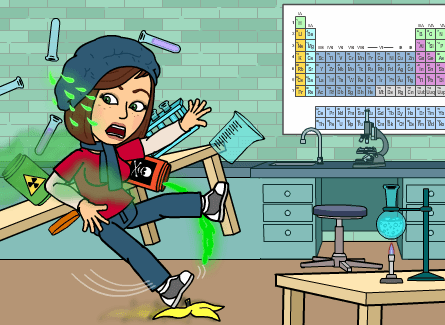
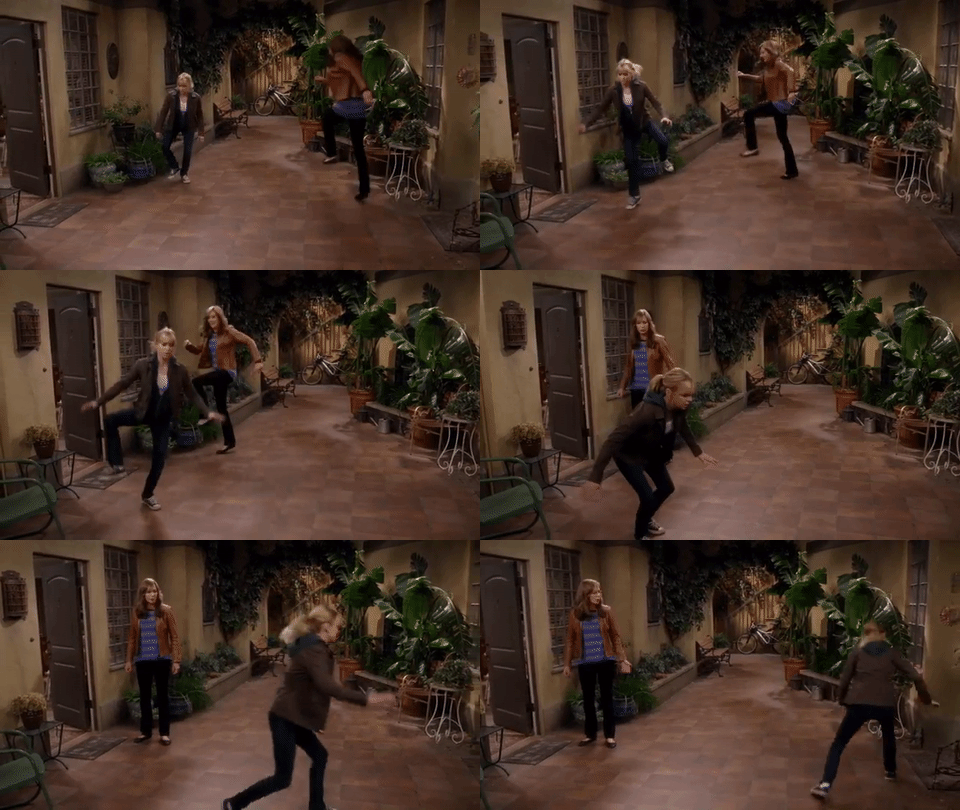
To be honest, I needn’t even write anything for this post- a host of gifs would fairly accurately sum up my experiences of coordination! 😛
I drop things more easily, I fall over a LOT, bump into things, walk sideways into people I’m walking alongside, fumble a little longer with buttons, laces, hair clips etc. People have often thought I’ve been drunk on nights out (although I don’t drink) when coordination trouble presents itself- giddiness has a habit of rendering me less coordinated for some reason! 😛
These incidents happen so often it becomes another part of daily life- you trip over your feet for no reason, laugh and keep walking! 😛
You might think I’m exaggerating but it happens all the time! Even my dogs have noticed- I once fell flat on my face on a walk and my normally attentive German Shepherd just stood and laughed, waiting for me to get back up! 😛
I’ve always been a little slower than my peers when it comes to mastering my finer motor skills. From my very first skip I’ve struggled with my coordination issues.
My mother often reminds me of how I used to screw my face up in concentration after dance classes in my attempts to master the skill. I would try and try and try to skip around the room, but kept falling over my own two feet!
Don’t get me started on the struggle to add in a skipping rope! 😛
But nevertheless, each time I fell, I got back up again and persisted until I mastered it- and then you couldn’t keep me from skipping!
This has always been my experience of coordination. I struggle a little bit longer than my peers to develop my motor skills, but with persistence, master them I will. Tying my shoelaces, riding a bike, learning to drive, knitting- all these skills took time to master, but I got there in the end 🙂
Now if I could just master walking in heels, I’d be flying! 😛 😉
Top tip– Keeping on top of sleep, thirst and hunger can really help to keep your coordination in check. In addition to acting loopy if I fall victim to these, I find that my equilibrium can also be affected.
But what do scientists have to say about these coordination issues?
The underlying cause of these issues is poorly understood, however, recent studies suggest that motor coordination issues in autism are likely linked to abnormal neural connections in the brain. Remember the synapse (or connecting junction point between two neurons) which we discussed last week? Autist’s have an overabundance of these bad boys compared with normally developing peers.
So how does the synapse affect motor coordination?
Motor learning and control is influenced by a specific group of neurons known as purkinje cells. Purkinje cells, (located in the cerebellum- an area heavily involved in motor control), receive signals from climbing fibers- a type of neuron which carries information from the body to the brain. These climbing fibers detect changes or disturbances in our environment, such as changes in space or the position of nearby objects, and relay this information to the purkinje cells. Purkinje cells then emit inhibitory signals at synapses so to modify motor movements accordingly.
In autism however, the efficacy of purkinje cells to influence motor change is greatly reduced.
Normally, each purkinje cell receives input from a single climbing fiber. Autists have too many synapses connecting the brain, and so the purkinje cell receives signals from multiple climbing fibers. This confuses the purkinje cell, which in turn alters the efficacy of corrective signals. Like a game of Chinese Whispers, the more people involved (i.e. synapses and climbing fibers), the more the message get’s lost in translation.
To give an example, if you were walking along and someone threw a ball at you, climbing fibers will alert the purkinje cells to tell the body to move out of the way. In autism….well, the signal to do this get’s scrambled on route to the brain, aaaaand… you’ll likely get hit in the face! 😛
^^^^Story of my life right here! 😛
At the end of the day, whilst coordination problems can be incredibly frustrating, persist and you will get there 🙂
Never give up- ride that bike, drive that car, skip like there’s no tomorrow!! Autism only limits us if we allow ourselves to be limited 🙂
Today I’m going to dive into the physiology of the autistic brain to explain what’s actually going on at the neurological level. I’ve touched on aspects of the science in previous posts, but I wanted to give you a quick overview post where the main points in the one place 🙂
So let’s get down to some science! 🙂
Hyper-connected Neurons:
Scientific evidence suggests that neurons in the autistic brain are hyper-connected. Specifically, studies indicate that autists have too many synapses in the brain. The synapse is basically a gap or a junction between two neurons where chemical messengers (neurotransmitters) carry information like a ferry from one neuron to the next. It looks a little bit like this:
During normal brain development, about half of the synapses we are born with are “pruned” off. In autism, this process is slowed down, and so autistic children have an excessive amount of synapses compared with their neurotypical peers. As these connections are essential to communication between neurons, this can greatly effect how the brain works and processes information.
Dysfunction at the Junction:
In addition to possessing an excessive number of synapses, communication at these neuronal junctions is also impaired in the autistic brain.
Animal studies have indicated that synapses function differently in the autistic brain as a result of genetic mutation. Mutations cause certain proteins to be absent in autism- proteins that are essential to the normal functioning of the synapse. As a consequence of this, the transmission of information between neurons is affected, resulting in a number of social and behavioral issues.
Think of physical junctions on a busy road- if something goes wrong at the junction, a chain of chaos will ensue!
Hyper-excitable Neurons:
Research shows that in many cases of autism, neurons in certain regions of the brain are more excitable than others. This means that these neurons are more sensitive to stimulation. For example, the neurons located in the sensory cortex of the brain (which processes sensory information such as smell), are more sensitive and excitable than other neurons. This is kind of like how a person can be more ticklish in some parts of the body than another- the nerves in the underarm are more excitable than those of the arm.
This sensitizes the autistic brain to all kinds of stimuli as discussed here.
Dysregulated Neurotransmitter levels:
As previously mentioned, information travels across the synapses in the brain via chemical messengers known as neurotransmitters. In the autistic brain, the levels of these neurotransmitters are dysregulated- or out of sync. Research indicates that individuals with autism tend to have higher levels of excitatory neurotransmitters (e.g. glutamic acid) and lower levels of calming neurotransmitters (e.g. GABA, serotonin) causing neurons in the autistic brain to fire excessively. In addition to this, levels of the neurohormone (a chemical that acts as both a hormone and neurotransmitter) oxytocin, which plays an influential role in trust and social behaviours, are also out of balance. Moreover, dopamine (a neurotransmitter which can both calm and excite) is also dysregulated in autism. Together, the action of biochemicals like these influences a number of autistic behaviours and issues such as ADHD, mood, appetite, sleep, anxiety, sensory processing, social behaviours, learning, memory and emotional responses.
Male vs Female Brain
Perhaps one of the most fascinating things that I have discovered about autism are the anatomical differences between the brains of the male and female autist. Brain imaging studies have revealed that autistic women have brains that are anatomically similar to neurotypical male brains, and the brains of male autists share anatomical similarities to those of neurotypical female brains.
In short- this indicates that men with autism have feminine brains, and women with autism have masculine brains!!!
I know!!!!
It sounds weird, but it makes a world of sense. Oftentimes I’ve felt like I had a male brain growing up- my tomboyish interests, my fashion sense, my preference for male company, my inability to walk in heels; it all fits!
Strange but true! 🙂
There we have it Earthlings- hope you enjoyed this brief insight into the physiology of the autistic brain 🙂 There is no clear mechanism through which autism acts, these are just some of the likely pathways involved. I’ll explore other possible mechanisms in a later post.










 ^
^


























 A Is For Aoife Not Autism