Greetings Earthlings! 🙂
In continuation of my previous post about weighted blankets for autists, this week I’d like to discuss another weighted item- weighted plushies!

I’ve always had a fondness for soft and cuddly bears (gotta love that texture 😉 ) so when I found out that they made weighted plushies I just had to give it a whirl! I bought Sleepy the Sloth (or as he’s been renamed in our house Séamus the Sloth, which we thought suited him better) on Amazon a couple of weeks ago to see how I fared.
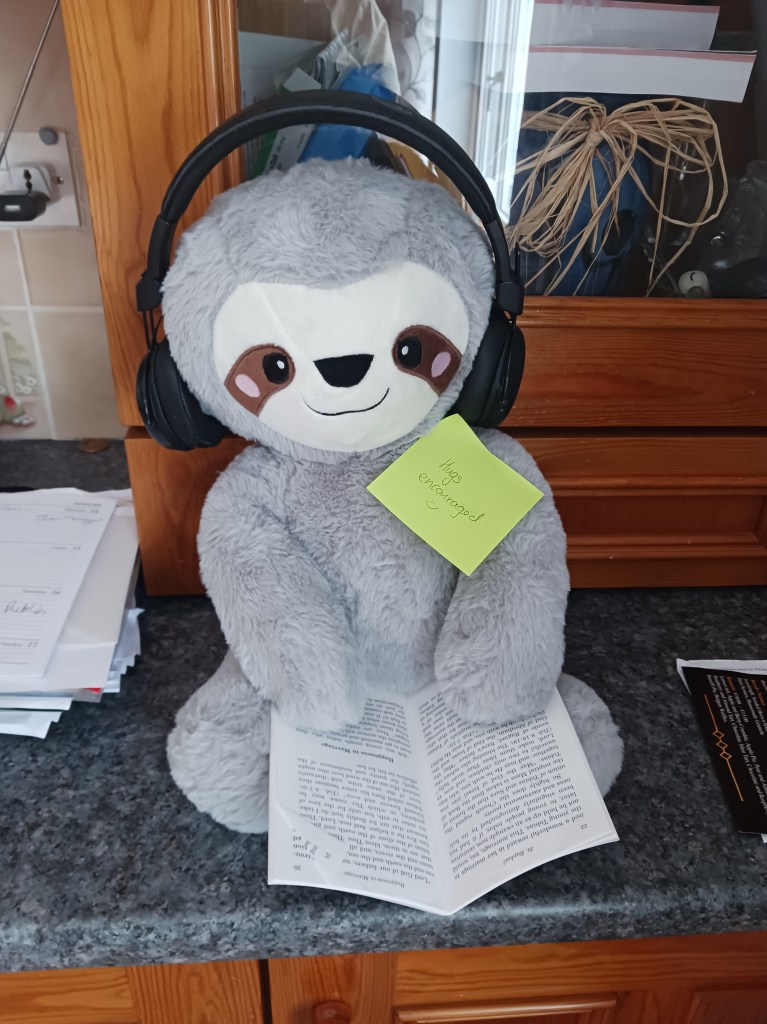
But first things first, what exactly is a weighted plushie?
A similar product to weighted blankets, weighted plushies are filled with beads or pellets instead of conventional stuffing to exert calming deep pressure to the skin to mimic the effect of a hug. Weighted plushies are usually much lighter than weighted blankets (Séamus is 1.5kg and my current blanket is 7kg) so they are a much more portable option when on the go with a child with autism. There are also heatable versions that you can put in the microwave so you have the double whammy of soothing weight and heat. Disney have even launched a line of weighted plushies so your favourite characters can be used for sensory relief! 😀
So how does it work?
Like weighted blankets, research is limited but they seem to work through the same mechanism. As I’ve discussed previously, autists have higher levels of stimulatory neurotransmitters and lower levels of calming neurotransmitters, meaning that our brains are more “switched on” and harder to turn off than most. The deep pressure exerted by the plushie is designed to stimulate the release of the calming neurotransmitters serotonin (which helps regulate the sleep cycle and temperature) and dopamine to relax and soothe the racing mind. It’s also thought that deep pressure can stimulate the limbic system, the emotional centre of the brain, which could potentially help calm you down during a meltdown.
So how did I get on?
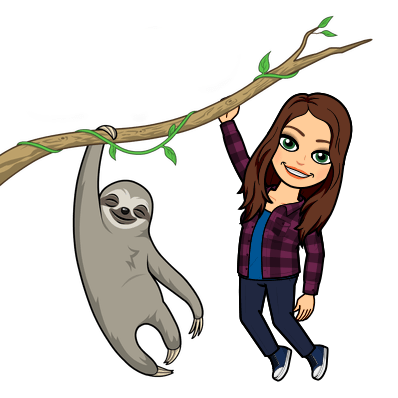
Aside from all the fun we’ve had playing with Séamus, he really provides a lovely sensory experience. It’s reminiscent of having a sleeping puppy on your chest when you drape him round your neck, (minus the warmth, wriggling and gentle snuffling sounds). You get that same sense of calm wash over you like with the weighted blanket, so it’s great for when you’re sitting watching TV or travelling and need something less cumbersome. However, a plushie does not cover the entire body, so it doesn’t quite have that same fully enveloping sense of relaxation that comes from being completely covered by a weighted blanket.
All in all I would highly recommend giving a weighted plushie a try, but they can be a little pricey, so if you’re buying it for a child be sure to involve them in the decision in case they don’t like the animal/character you intend buying.
Hope you enjoyed this post dear Earthlings!
Have a lovely weekend! 🙂
Aoife


 A Is For Aoife Not Autism