Greetings Earthlings! 🙂
This week I’d like to talk about another co-morbid condition with autism and ADHD– rejection sensitive dysphoria (RSD).
So what exactly is RSD?

RSD is an intense or overwhelming emotional sensitivity to rejection and criticism (both perceived and real). This can cause intense emotional pain that can be difficult to bear.
Looking back over my childhood, I really struggled with RSD. Whilst I am well versed in the art of rejection now that I’m in my thirties, growing up as an undiagnosed autist did not make for an easy ride. Even the slightest rejections could trigger meltdowns as my brain struggled to process the situation. Something as simple as someone not immediately having time for me, a passing comment in a raised tone, even constructive criticism could set me off. Once at a family event in a hotel I had a bad meltdown because my uncle was short with me for requesting a different flavour of ice-cream to the one that I had been given. Cue me hiding out in the toilets followed by 3 hours doodling in the back of the car instead of joining the party from my RSD over-reaction (I was 13 by the way! 🙈). I can’t even blame sensory issues for that over-reaction, I just didn’t feel like eating raspberry ripple that day! 😂
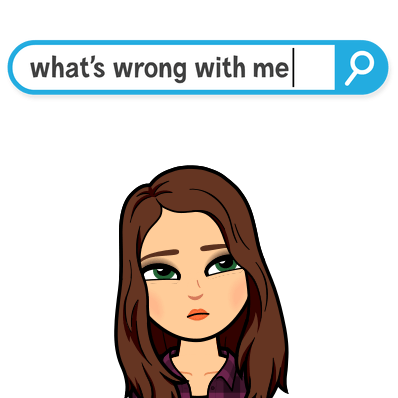
So is there any scientific reason for RSD?
RSD, like maladaptive daydreaming, is not a clinical diagnosis so it’s hard to underpin how it works. There isn’t exactly a scientific way to measure rejection. However, as it has been observed in patients with autism and ADHD, psychologists believe that it is caused by alterations in brain structure in the regions that regulate and process emotions such as the frontal lobe and the amygdala- both regions where structural changes have been linked to autistic symptoms.
As discussed previously, autists often have a warped sense of perception and logic so it can be very easy to misconstrue and over-react to rejection. The tendency towards perfectionism and black and white thinking in particular can make us far more susceptible to such negative reactions. For example, if someone told me that they didn’t like my shoes, even though it’s only one component of my outfit and just a passing comment, my younger self would have spiraled.
Life is often all or nothing for an autist, so if someone rejects one small thing, it may skew our entire perception of ourselves.
You don’t like my shoes = you don’t like me.
The shoes are wrong, I chose the shoes, the shoes are on my body, therefore, I’m wrong. The world is black and white so if I’m wearing the wrong shoes, everything else about me has to be wrong by extension- you’re either wrong or right, you can’t be both.
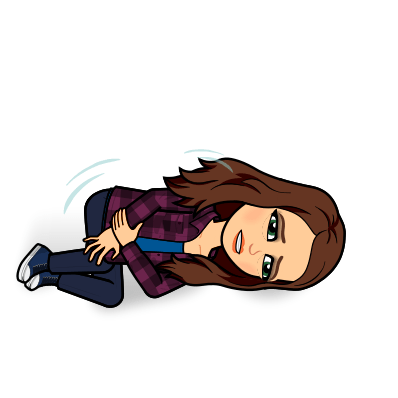
RSV can be pretty exhausting for an autist, so understanding of our responses to rejection is vital to supporting us. If you’re struggling with RSV, cognitive behavioural therapy (CBT) can help you learn how to better process feelings of rejection, but medication such as ADHD drugs and anti-depressants can be useful for more severe cases.
Hope you enjoyed this post dear earthlings!
Have a lovely weekend! 🙂
Aoife
 A Is For Aoife Not Autism