Greetings Earthlings! 🙂
After recently finishing a Netflix binge, this week I’d like to take a look a look at autism in the sitcom ‘The Middle‘ which ran for 9 seasons from 2009-2018.
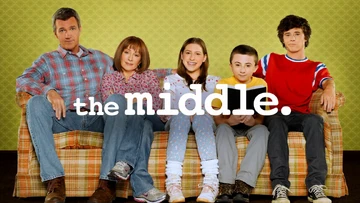
The series centers on the Heck family, a middle class unit, with middle-aged parents who live in the fictional town of Orson, Indiana in the American Midwest (aka the middle of America). A loving but dysfunctional family, they are always squeezed financially and rarely catch any good fortune, so they are really stuck in the middle in every sense of the show.
You can see a trailer for the first season of the show here:
A wholesome and hilarious show, The Middle gives us what many consider to be one of the truest representations of autism on screen in the youngest Heck child Brick. Whilst never explicitly diagnosed with autism (fans believe the parents were too lazy to get him diagnosed), the character of Brick displays a plethora of autistic traits. Based on the real life quirks of show-writer Eileen Heisler’s son, Brick is particularly known for his tendency towards echolalic ticks. He whispers to himself constantly (less as he grow older), whoops, and has other temporary ticks like singing ‘You’re gonna love our pizza!‘ during a period where his mother and elder brother Axel weren’t speaking.
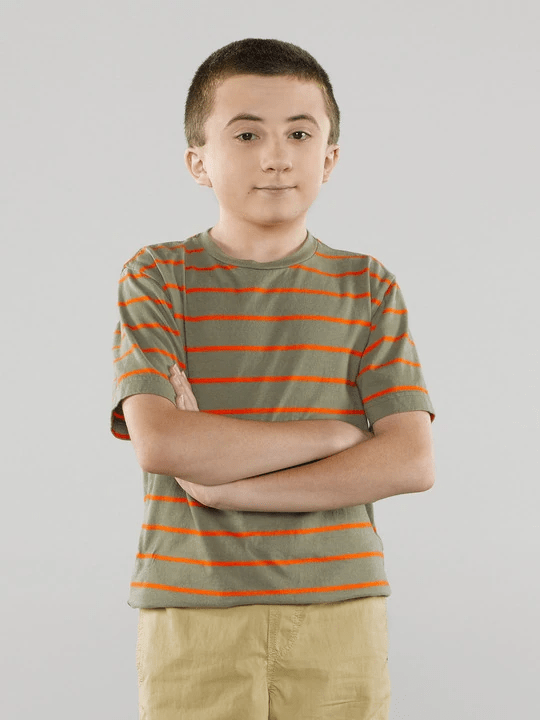
Highly intelligent but poorly organized (classic AuDHD), Brick is obsessed with books and has quirky specialist interests like fonts, his microfiche machine, and the fictional Planet Nowhere book series. He also has a tendency for licking things, struggles to make friends and understand social norms, all of which land him in an after school social group. As the years go on, Brick makes friends with some equally awkward kids like himself, and even lands himself a girlfriend in Cindy who also appears to be on the spectrum (she always wears safari hats, eats only shrimp, speaks in a monotone voice and equally doesn’t seem to understand normal social behaviour).
In addition to Brick, some fans have also thought that middle child Sue might also demonstrate signs of autism more consistent with the high functioning female experience. She is poorly coordinated, never gives up, has a child like energy even into her 20’s, is obsessed with more normal interests like Justin Bieber, and is often socially clueless, constantly consulting ‘Kickinitteenstyle.com’ for advice. In many memorable episodes, she is completely oblivious to the fact that her best friend Brad (and one time boyfriend) is gay when everyone else can see it clearly.
Similarly, one could also identify autistic traits in the Heck patriarch Mike. He’s stoic and silent, not very social, and obsessed with his sports team The Colts, and is often flagged as the genetic source of Bricks quirks. Similarly, his father grandpa Big Mike is the same, a silent hoarder who tends to stay home instead of going out and being a bother.
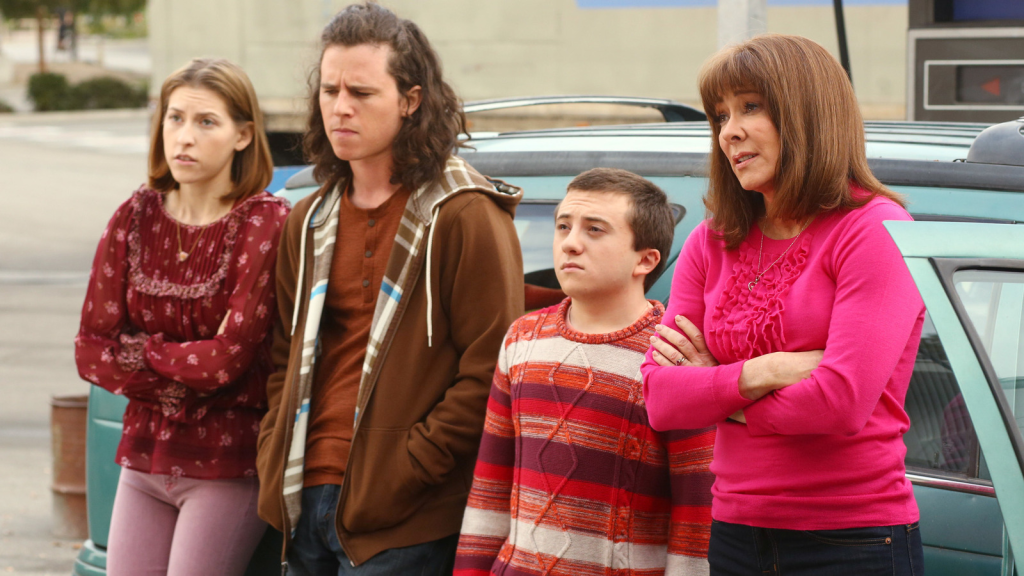
Neurodivergents are woven into the fabric of the show giving much needed visibility during a time in TV when autism wasn’t really being depicted or talked about, let alone giving an accurate take on the experience. Regardless of autism, The Middle is a wholesome and warm show and I would highly recommend giving it a watch if you can (all seasons are currently streaming on Irish/UK Netflix).
Hope you enjoyed this post dear Earthlings!
Have a lovely weekend! 🙂
Aoife