Autism on Screen- The Assembly

Greetings Earthlings! 🙂

This week I’d like to talk about a new TV interview show on BCC called ‘The Assembly’. The format of this show involves a celebrity being grilled by a panel of journalists over the course of 3 hours (30 minutes of which are broadcast). Sounds simple enough, however, the unique thing about this TV show is that the panel is comprised entirely of 35 neurodivergent novice journalists! Bucking the growing trend of highly scripted, edited, agenda driven interviews, the show is an un-filtered breath of fresh air where no question is out of bounds.
The Assembly is carefully recorded with autists in mind to prevent sensory overload, such as recording in a room with lots of natural light (to avoid fluorescent artificial lights). This show is the UK adaptation of the popular French show ‘Les Rencontres du Papotin‘ where many French public figures such as Emanuel Macron were interviewed by a neurodivergent panel run by the newspaper Le Papotin. In honour of Autism Acceptance Week, the BBC broadcast an interview with Welsh actor Michael Sheen on Friday the 5th of April. There are no further episodes currently scheduled, but showrunners have lots of eager celebrities wishing to be interviewed should The Assembly be picked up for series. You can see a trailer for the series here:

The show is a very heartwarming and wholesome affair that has had reviewers raving about it. The questions are so unexpected (ranging from Michael’s opinions on the royal family to the age gap between him and his partner) with delightful results. Michael is such a kind and patient interviewee providing insightful and hilarious answers to the delight of his audience. In one particularly touching moment, a very shy interviewer named Leo is struggling to get past his nerves to ask his question, but Michael is patient with him, allowing him the time and space to ask a very insightful question about Michaels favourite poet.

All in all the show is a wonderful change to your regularly scheduled BBC interview, with the added bonus that the show provides visibility and creates opportunities for the often marginalized autistic community.

Hope you enjoyed this post dear Earthlings! 🙂

Have a lovely weekend!

Aoife

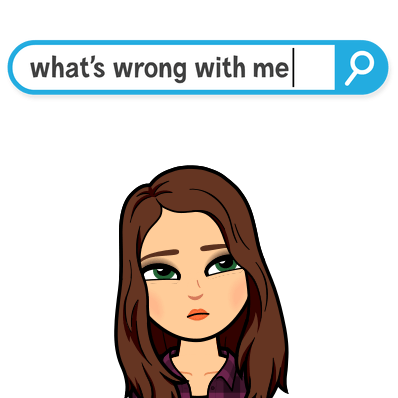
Autism and Rejection Sensitive Dysphoria (RSD)

Greetings Earthlings! 🙂

This week I’d like to talk about another co-morbid condition with autism and ADHD– rejection sensitive dysphoria (RSD).

So what exactly is RSD?

RSD is an intense or overwhelming emotional sensitivity to rejection and criticism (both perceived and real). This can cause intense emotional pain that can be difficult to bear.

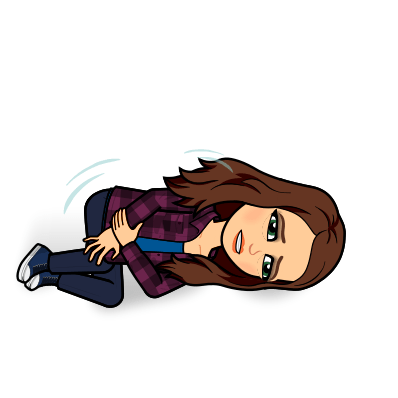
Looking back over my childhood, I really struggled with RSD. Whilst I am well versed in the art of rejection now that I’m in my thirties, growing up as an undiagnosed autist did not make for an easy ride. Even the slightest rejections could trigger meltdowns as my brain struggled to process the situation. Something as simple as someone not immediately having time for me, a passing comment in a raised tone, even constructive criticism could set me off. Once at a family event in a hotel I had a bad meltdown because my uncle was short with me for requesting a different flavour of ice-cream to the one that I had been given. Cue me hiding out in the toilets followed by 3 hours doodling in the back of the car instead of joining the party from my RSD over-reaction (I was 13 by the way! 🙈). I can’t even blame sensory issues for that over-reaction, I just didn’t feel like eating raspberry ripple that day! 😂

So is there any scientific reason for RSD?

RSD, like maladaptive daydreaming, is not a clinical diagnosis so it’s hard to underpin how it works. There isn’t exactly a scientific way to measure rejection. However, as it has been observed in patients with autism and ADHD, psychologists believe that it is caused by alterations in brain structure in the regions that regulate and process emotions such as the frontal lobe and the amygdala- both regions where structural changes have been linked to autistic symptoms.

As discussed previously, autists often have a warped sense of perception and logic so it can be very easy to misconstrue and over-react to rejection. The tendency towards perfectionism and black and white thinking in particular can make us far more susceptible to such negative reactions. For example, if someone told me that they didn’t like my shoes, even though it’s only one component of my outfit and just a passing comment, my younger self would have spiraled.

Life is often all or nothing for an autist, so if someone rejects one small thing, it may skew our entire perception of ourselves.

You don’t like my shoes = you don’t like me.

The shoes are wrong, I chose the shoes, the shoes are on my body, therefore, I’m wrong. The world is black and white so if I’m wearing the wrong shoes, everything else about me has to be wrong by extension- you’re either wrong or right, you can’t be both.

RSV can be pretty exhausting for an autist, so understanding of our responses to rejection is vital to supporting us. If you’re struggling with RSV, cognitive behavioural therapy (CBT) can help you learn how to better process feelings of rejection, but medication such as ADHD drugs and anti-depressants can be useful for more severe cases.

Hope you enjoyed this post dear earthlings!

Have a lovely weekend! 🙂

Aoife

Blog at WordPress.com.

Up ↑