Autism Friendly Parking

Greetings Earthlings! 🙂

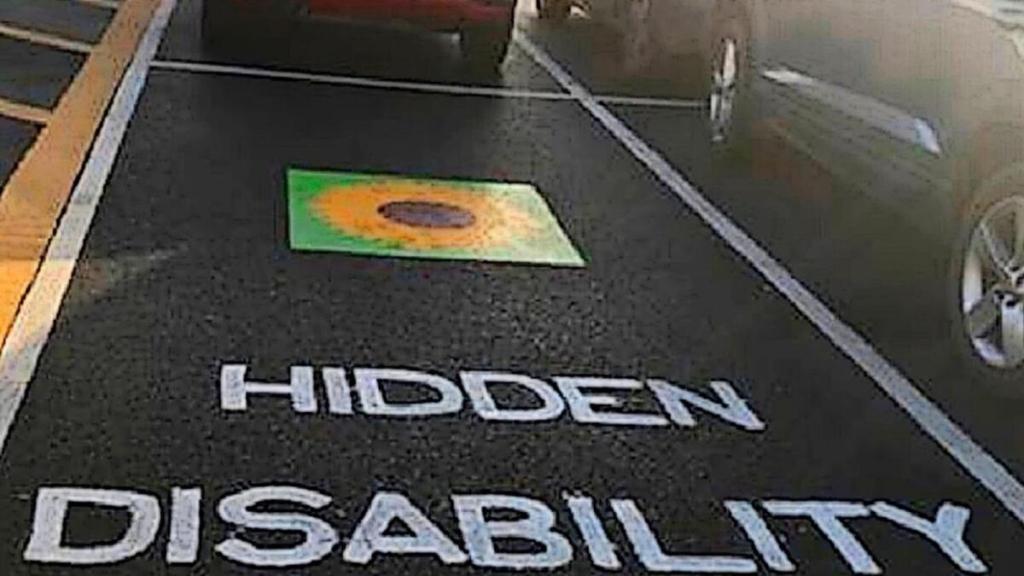
Following on from my post about autism and driving, this week I’d like to talk about autism friendly parking facilities!
So I was recently out looking for parking in my local shopping centre and was surprised to see a sign for ‘Autism Friendly Parking’ with designated spaces for autistic drivers/autistic passengers. Parking is perhaps, in my experience, one of the most stressful aspects of driving on the spectrum. The stress of trying to find a space, efforts to get into available spaces, the panic from holding up traffic when it takes you an age to get into an awkward spot- I would love to see what my blood pressure readings are like after it sometime!🙈 In all my years of driving I have never come across an autism friendly parking system, so naturally I had to investigate.

Many businesses have now started providing designated autism friendly parking. These spaces are located closer to the door of business’s (just like disabled sparking spots), to make life easier for autists, especially for those with mobility issues.

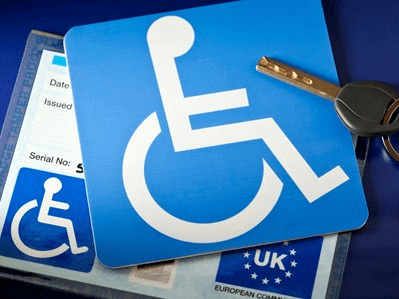
So in Ireland, you can apply to get an autism friendly parking permit. With proof of diagnosis and a small fee, you will be sent a permit to put in your car window which will allow you to avail of autism friendly parking spaces. These permits prevent abuse of the system and allow you to park in these spaces without fear of clamping. The permit also has the dual function of alerting emergency services that there may be an autistic driver/passenger in the car in the event of an accident, just like autism ID cards. So far this system is mainly provided by private businesses, but autism friendly towns like Dungarvan have implemented these parking schemes throughout the area. In recent weeks, Cork councilors are seeking to roll out a similar model to Dungarvan across the county, so this scheme could soon be a lot more readily available.

Similar schemes exist in other countries like the United States and the UK. In the UK for example, hidden disabilities like autism are now eligible for the blue badge scheme- the UK’s disability parking scheme, which enables autists to park in designated disabled parking spaces.
So if you find parking as stressful as I do, it’s worth investigating if there is an autism friendly parking scheme available in your area 🙂

Hope you enjoyed this post dear Earthlings!

Have a lovely weekend!

Aoife

Autism and Driving

Greetings Earthlings! 🙂

Soooo….driving…

uyghl.png

Wouldn’t be high on my list of favourite activities I’ll admit! 😛 Stressful roundabouts, merging onto busy roads, idiot drivers, getting lost, the noise of hitting a pothole- it can be a lot for an aspie to handle!

My coordination issues did not make it the easiest of tasks to get the hang of, that’s for sure!

Coordinating pedal movements and gear changes, difficulties with spatial awareness, not to mention the stress and anxiety of learning to drive on country roads (Irish country roads tend to be narrow, winding, and full of potholes! 😛 ) made this a highly frustrating experience!

driving-gif.gif

I never could understand why I found it so hard to get the hang of driving when my sisters took to it so easily, but after I got my diagnosis, my struggles began to make a world of sense!

Driving would not be the first thing to come to mind when someone pictures the struggles an autist faces. In fact it’s a requirement in some countries that your ASD diagnosis be listed on your drivers licence if it impacts your ability to drive safely– you can even be fined in the event of an accident if it’s not stated on your licence!

Studies among autists actually report more traffic violations than in neurotypical groups, however, this may relate to our tendency to be more honest than our neurotypical peers 😛 😉

This doesn’t mean that autists shouldn’t drive, but it’s something to be aware of.

So how exactly does autism impact our driving?

ClumsyScaryArgusfish-size_restricted.gif

  • Impulsivity Autist’s are naturally more impulsive than neurotypicals. This can impact our driving by causing us to make poor driving decisions on impulse. It has also been reported that this impulsivity may influence speeding behaviours
  • Sensory integration/processing issues– Driving involves a huge amount of sensory input. Listening to the engine, watching the road, spatial awareness, not to mention unexpected road noises and unpleasant smells from the outside- it can be a lot for the autistic brain to process when moving a vehicle
  • ADD & ADHD- Autists can get distracted quite easily…on busy roads where lot’s of things are happening, your focus can sometimes waver. If there’s a cute dog nearby, I have been known to take my eyes off the road…raw (2)
  • Spatial Awareness & Coordination Autists often have issues with these which can make it difficult in positioning the car on the road, parking and navigating gear changes. Spatial awareness was one of my greatest obstacles when first learning to drive. I always seemed to be veering towards the nearest hedge…When I first got my car, I was practicing driving around the house with no problems, aaannd then I decided to change direction- BIG mistake! My poor spatial judgement caused me to nicely scratch the car on the edge of the dog house…before getting it stuck on some cement blocks at the oil tank! Caused a mini shutdown which made my sister think I had run the dog over I was so incoherent!! 😛                                                                           fghd.png

Top tip for parents and instructors: PATIENCE!!!! Learning to drive is much more difficult for autists so don’t be too hard on us for when we don’t get it straight away. We’re already beating ourselves up for our slow progression; getting frustrated or annoyed with us will only make it worse.

Here are some useful links with driving tips for autists:

Click to access Driving1.pdf

https://sellmax.com/driving-with-autism/

Aoife’s Top Tip- Get a Sat Nav. They really help to take the edge off when stressed about driving to new and unfamiliar locations. If you mess up, it will recalculate and send you right in the end 🙂

Having autism may initially make learning to drive difficult, however, you will get there in the end 🙂 After two years of stressful practice, I passed my test first time and drive everywhere now.

The freedom you gain from this skill is worth the fight 🙂

bitmoji1810728188.png

Aoife

Blog at WordPress.com.

Up ↑