So today I spent much of my time screaming inside my head- “Why does this outfit itch so much???!!!” 😛
This is a fairly common complaint for autists when it comes to clothing.
A single sharp fiber in your skinny jeans, an irritating label on your neck, a twisted bra- the niggling is a killer to the autistic brain!
When my skin is irritated, I find it very difficult to concentrate on much else until the offending stimulus is removed. It drives me insane- especially if I’m not in a position to remove or adjust the offending item of clothing. I’ve often had to find creative ways to navigate clothing irritation when out in public such as well placed blister plasters (I did this to the irritating clasp of a lanyard once!) and toilet roll to create barriers against the fabric!
Needs must after all! 😉
But is my skin really this sensitive?
According to science, the answer is yes!
Research suggests that gene mutations cause problems for the sensory nerves in our hands, legs, arms, fingers and of course, the skin covering them. Mutations cause these nerves to be excessively sensitive- described by scientists as having the volume turned up to the max setting. When these nerves relay sensory information back to the brain, the brain feels the touch of certain stimuli at a heightened, exaggerated level.
Hence my internal screams! 😛
Another study, which tested the response of autists and neurotypicals to sensory stimuli (e.g. a scratchy wool jumper) in a brain scanner, found that the autistic brain reacts more strongly. The primary cortex of the brain (involved in sensory processing) and the amygdala (involved in emotional regulation) were both hyperactive during this experiment, suggesting that autists a) process sensory input differently, and b) struggle to regulate their emotional response to stimuli.
So what can you do to help an autist with sensitive skin?
This is a tough one to advise. Sensitivities vary from person to person. Some may favour loose clothing, others enjoy the comfort of tight clothes which provide calming deep pressure. In my experience, the best tip that I can offer is to use a seam ripper to properly remove labels (the remnants of the tag can be just as irritating). After that, trial and error is the best way to find out what works for you/or your child 🙂
Some days, sensitive skin can be a pain (especially where undergarments are concerned 😛 ), but hey- it also makes puppies all the fluffier! 😉
Did you know that between 40% and 80% of autists reportedly have sleep problems?
I have spent many a restless night tossing and turning whilst my mind races. Like a washing machine on the highest spin setting, my mind keeps going round and around when I turn out the lights.
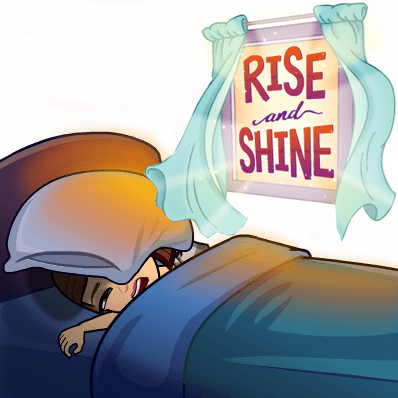
This is a fairly accurate (and cute) representation of my efforts to sleep at night:
^
I struggle to get comfy and start thinking and stressing about my day, about tomorrow, about that embarrassing time when I got an answer wrong in class and everyone laughed at me…and it keeps rolling on in a similar never-ending loop. The pillow starts heating up (did you know that thoughts produce heat? ), I start stressing about not sleeping and how soon the alarm will go off, get frustrated and inadvertently end up even more awake than before!
Eventually I pass out, and when the sun comes up the next morning…
….I wake up feeling like death in a tangle of bedclothes, wearing my sheet as a scarf! 😛
It doesn’t happen every night, but on occasion, especially if I have to be somewhere important or catch a bus early the next morning. I spend so much time thinking about needing sleep that I end up chasing away any tiredness! 😛
But why are we prone to disturbed sleeping patterns?
As with many aspects of autism, it’s unclear why exactly we struggle with sleep, but the experts have a few theories on the subject:
Melatonin, the hormone which controls sleep and wakefulness, is thought to contribute to sleep issues in autism. The amino acid tryptophan is needed for the body to produce melatonin, an amino acid which research has shown can be either higher or lower than normal in people with autism. Ordinarily melatonin is released in response to darkness (to induce sleep) with levels dropping during daylight hours (to keep us awake). However, studies have shown the opposite in some autists, where higher levels of melatonin are released during the daytime and lower levels at night. So that explains why I’m often inexplicably dying for a nap in the middle of the day!
Sensory issues are also thought to contribute to these sleep problems. Many autists have an increased sensitivity to such stimuli as touch, light, noises, etc. During my first year in college I became somewhat of an insomniac due to city noises, late night fire alarms and paper thin walls…
A number of autists, such as myself, are night owls. Recent brain imaging scans have shown that there are physical differences in the brains of night owls and morning larks. Night owls show signs of reduced integrity in the white matter of the brain (fatty tissue that enables brain cells to communicate with each). This compromises the speed of transmission between neurons which can cause insomnia, daytime sleepiness, antisocial personality disorder and interfere with cognitive functioning. Differences in the integrity of white matter have been linked to ASD’s, so this could explain why we struggle to sleep at night. But it’s not all bad- some studies have shown that night owls are more productive, have more stamina and can display greater analytical and reasoning abilities than morning larks! 🙂
Anxiety problems are also thought to contribute to troubled sleeping
So what can you do to improve your sleep?
Weighted blankets are often recommended to help manage autism. As I’ve discussed previously, autists have higher levels of stimulatory neurotransmitters and lower levels of calming neurotransmitters. Weighted blankets contain metal or plastic beads in the quilted layers to apply deep, calming pressure to the user- like simulating a hug. This pressure is designed to stimulate the release of serotonin (which helps regulate the sleep cycle and temperature) and dopamine to relax and calm the mind and to better help us to sleep.
Some studies have shown that weighted blankets do not noticeably improve sleep for autists, however many people, neurotypical and neurodiverse alike, have found that they get a much better night’s sleep from using them- so it’s worth a try!
Personally, I’ve discovered that using screens too close to bed time can make it harder for me to nod off at night. Scientists have found that the blue light emitted by most screens can interfere with the production of melatonin, making it more difficult to fall asleep. If melatonin disturbances are indeed contributing to your sleep issues, it would be wise to decrease screen time in the night time.
Aoife’s Top Tip: Ditch the laptop before bed, read a book instead! 😉
Experts also recommend avoiding caffeine, getting more exercise, establishing a routine and taking measures to manage stress.
In my experience, stress management is key to getting a good nights sleep. My memories of being an angsty teenager are littered with sleepless nights spent fretting about everything! Once I got on top of my stress, peaceful sleep was quick to follow 🙂
Sleep will come, you just have to find what works for you.
Goodnight dear Earthlings, I’m feeling a nap coming on 😉
So today I’m going to be talking a little bit about-
Haha! Sorry about that! 😛 Although fun story- genuinely stopped mid conversation to cry “SQUIRREL” when out with a friend recently! 😉
Yes that’s right, today we’ll be talking about ADHD in autism- also known as attention deficit hyperactivity disorder.
ADHD is commonly diagnosed in autists (in the region of 29-83%), causing such difficulties as impulsiveness, over-activity and poor attention.
There are 3 main types of ADHD:
Inattentive ADHD (formerly known as ADD (attention deficit disorder))- This can manifest in a number of ways such as a lack of attention to detail, losing things, organizational problems, making careless mistakes, having trouble completing tasks and struggling to sustain attention.
Hyperactive-Impulsive ADHD- Signs of hyperactivity and impulsivity include restlessness, excessive talking (Guilty!) fidgeting, interupting others, impulsive descisions and activities etc.
Combined Inattentive and Hyperactive-Impulsive ADHD
Personally, I would have really mild combined ADHD tendencies. In addition to my sometimes impulsive nature, I have a habit of zoning out of lessons and conversations, sometimes even films, books and TV shows for brief moments, completely lost in my own thoughts.
I can be pretty easily bored and distracted!
Half the time I’m not even aware of it happening. I could be reading a page in a book one minute, and suddenly find myself halfway down the next page, without any idea of what I was supposed to have taken in! Other times I find myself in a room in the house unsure as to why I came in as I hopped onto another train of thought mid action! I often have to repeat tasks over and over in my mind to ensure I don’t forget them.
My mind just completely wanders off…
But somehow I’ve always managed to hide my inattention. It never really posed a problem at school. Teachers knew I was away with the fairies, but could never seem to catch me out when pressed! 😛 I suppose my deductive skills must have learned to compensate for my temporary lapses in concentration! 😉
Top Tip: Studies have suggested that playing video games may be beneficial to improving concentration in ADHD.
Just because concentration can be a struggle however, does not mean that you can’t concentrate.
Interestingly, there occurs a concentration paradox in ADHD and autism known as hyperfocus- an intense form of concentration where you are completely absorbed by a task, something that I like to call “The Zone”. I’ll write a separate post on hyperfocus at a later stage 🙂
Aoife’s Top Tip: Applying specialist interests to tasks can encourage concentration. Last year I was struggling to write an essay for college, I found an angle that allowed me to write about Eurovision and suddenly I couldn’t stop writing! 🙂
In addition to my lapses in focus, I can also be a little bit hyperactive. Now, hyperactive doesn’t necessarily mean bouncing off the walls like a child high on sweets, it can also mean abnormally active.
I am quite a restless individual. On the outside, I may look like I’m staring at a wall, in my mind I could be designing a cake, a knitting project, writing a story or drafting a hypothesis. I once spent a train ride visualizing, staging and arranging a musical based on the music of My Chemical Romance!😂
I always have this need to be productive, even if it’s as simple as building my trophy collection on the Playstation or binge watching a TV series.
My brain never turns off!
If I’m excited enough, I do bounce around the place on occasion too 😉
But what’s going on in the brain that interrupts our concentration?
Most current models point to low levels of the neurotransmitters Dopamine and Noradrenaline. Pathways involving these chemical messengers project to the striatum and prefontal cortex of the brain- areas which are responsible for executive function (i.e. memory, planning, organization, behaviour control etc.). If these neurotransmitters are out of sync, this will have an effect on these functions. As neurotransmitters are also dysregulated in the autistic brain, this would explain why ADHD so commonly occurs in autism.
ADHD, like autism, can’t be cured, but it can be treated with cognitive behavioural therapy (CBT) and medication in severe cases, however, the side effects of medical treatment for ADHD have been controversial, and long term usage studies have yet to be completed.
However, like autism, ADHD need not hold you back in life. Some of the most successful people in the world have ADHD, such as Sir Richard Branson, Justin Timberlake, Simone Biles, will.i.am, Russell Brand, Ryan Higa, Jamie Oliver, Jim Carrey and Solange Knowles 🙂
Leading on from the previous post, I’d like to talk to you about shutdowns and autism.
So what exactly is a shutdown?
A shutdown is basically an episode where the brain briefly stops processing and making sense of information in response to stress or sensory overload.
The lights are on, but nobody’s home.
These episodes are much more discrete than meltdowns, and can often go unnoticed by the outside world. Sometimes meltdowns can turn into shutdowns and vice versa.
So what does a shutdown feel like?
Like meltdowns, shutdowns can manifest differently among autists. Some people go completely limp and unresponsive, some withdraw completely from those around them, some even become really sleepy and nod off.
For me personally, a shutdown is like entering a state of shock. You might struggle to move (as discussed in my diagnosis story), formulate sentences, or even think. It can be a completely overwhelming experience. When I first started to become aware of them as a teenager, I had no idea what was going on; I just knew that I felt, for lack of a better word, “wrong”.
Like meltdowns, in my experience, shutdowns can be either mild or severe:
Mild shutdowns tend to happen in social situations, especially in confrontation. Someone throws me off or says something that I hadn’t anticipated…aaaannnd my mind freezes up. I go limp and say nothing, whilst the other person talks on oblivious. To an outsider it looks like I’m just listening or defeated by an argument; in reality, my brain can’t formulate the words to respond.
The minute the conversation ends my brain reboots and suddenly all that I could or should have said comes rushing back- great timing! 😛
Severe shutdowns, like meltdowns, are brought on by serious stress, or a shock. Think of your brain like a computer that’s been attacked by a virus. The system get’s overwhelmed by the attack and needs to shuts down to recover. When this happens, it feels as though I’ve been locked out of my own brain.
However, unlike a meltdown situation, I’m locked out yes, but the brain hasn’t been hijacked. I’m not in a state of total control, but I’m not out of control either- a little bit purgatorial in nature.
It’s a very odd sensation.
I find myself in an overwhelming situation and fail to react. I know that I don’t feel right about the situation, so I try to break down what happened and process. However, when I go to think about the event, it’s as if a firewall has gone up and all of the files in my brain have been encrypted. You keep trying to access your files so you can run a scan to diagnose the problem, but your brain keeps locking you out.
It feels sooo weird, like my mind is flashing this giant ‘NOPE’ sign at me every time I try to think! 😛
^^^accurate representation of my “access denied” face 😛 😉
During a particularly bad shutdown, I once spent about 5 minutes of going “um…ah… what it is… er…you see…uh” down the phone to my mother before I could coherently form a sentence to tell her what had happened. My mind simply refused to let me go there!
But why do shutdowns happen?
There’s not a lot of information out there as to the biological cause of shutdowns, but experts seem to think that it is the result of an abnormal stress response like the meltdown, possibly linked to the high and persistent levels of stress hormones in autism. Some have theorized that the shutdown is almost a preventative form of meltdown wherein the autist shuts down to prevent further sensory input and injury- like playing dead to avoid a fight.
Shutdowns can be difficult, but you just have to give them time to pass 🙂
Top Tip: Like a meltdown, you can sometimes speed up a shut down through music. Animals are also particularly good to release the hold of a shut down. My dogs always seem to sense when something’s wrong with me- a concerned look from them will often get the waterworks flowing 🙂
Remember- your brain needs time to recover after a stressful incident- there’s a reason you need to leave your computer a few minutes rest after a reboot 🙂 😉
Leading on from Friday’s post, I’d like to place the autistic meltdown under the microscope today.
So what exactly is a meltdown?
To an outsider, meltdowns appear like temper tantrums. You see a petulant, naughty child that didn’t get their way. Screaming, throwing things, violent behaviour- it seems like a tantrum, but the reality is very different.
Meltdowns are described as a temporary loss of behavioural control in response to an overwhelming situation or stimulus. This can manifest physically (lashing out, kicking, biting etc.), verbally (shouting, crying, screaming) or both.
So what’s happening in the brain that causes these outbursts?
The human body increases secretion of what are known as stress hormones (e.g. adrenaline, cortisol) in response to a stressful situation. Studies have shown that autists have higher levels of these stress hormones than their neurotypical peers.
When a stressful situation passes, stress hormones should return to normal levels. In the case of autism however, these hormones persist in the body for some time afterwards. The autist is left with residual levels of biological stress which make us more susceptible to stress related outbursts.
Release of stress hormones is controlled by the hypothalamic–pituitary–adrenal axis or HPA axis, a complex interconnecting network that comprises the hypothalamus, the pituitary gland andthe adrenal gland (i.e. HPA). This system controls how the body reacts to stress. Research suggests that this system is hyper-reactive to stress in the case of autism.
In particularly stressful or harmful situations, our bodies enter a heightened state of physiological stress which triggers the “fight or flight” response. High levels of stress hormones such as cortisol and adrenaline increase the release of glucose (to give a burst of energy) and increase blood pressure (to divert blood to the muscles) in order to prepare you to either fight the danger or run away from it.
This response is triggered in the case of a meltdown.
Excessive stress hormone release pushes the brain over the edge. The brain thinks it’s under attack and instructs the body to protect itself at all costs. The autist is in instinctual fight or flight mode at the mercy of their stress hormones.
Meltdowns manifest differently from person to person. When I would meltdown, it appeared as though I were throwing temper tantrums as I stood and fought my corner; other times I would run away from my trigger somewhere quiet. Sometimes I fought and then ran away.
My parents tried everything to get me to control my “tantrums”. Taking away toys, sending me to my room, bribery, guilt, you name it!
Bribery was perhaps one of the more successful tactics they used. My meltdowns were at their worst around the age of 6, so my mother implemented a sticker reward system. If I behaved myself, I got a sticker for the day on the calendar. At the end of the month if I had a full set of stickers I would get a present.
It didn’t really work though…I only managed maybe two months without incident, and I doubt that they were consecutive. I still think fondly of that hard earned Monkees greatest hits tape (such a Hipster child! 😛 ) and Hula Hair Barbie! 😉
Anyone else remember her?
One year, I was even asked to give up losing my temper for lent!!! 😛 I lasted about 4 weeks, had a meltdown and subsequently felt like the worst person in the world for letting Jesus down!
It seemed biology had a different plan- how naive we were! 😛
So what does a meltdown look like for me?
I like to classify the severity of a meltdown on a scale from 1 to 3:
Stage 1: These are very mild and normally pass within a few minutes. Usually these entail getting a little bit overwhelmed and starting to cry unexpectedly- often mid sentence! Think of these moments as opening the steam valve to cool the system 🙂 Maths classes for example triggered many of these mini meltdowns- I wouldn’t understand a concept or problem, get frustrated, aaaannnnd suddenly find myself choking back tears while my exasperated maths teacher attempted to break things down for me (or if this happened mid-homework I’ve been known to throw my book at the wall 😛 ).
Stage 2: This type of meltdown is a little more intense spreading out over several minutes, hours, and if particularly overwhelmed, on and off again over days. A situation, rumination or accumulation of stress tends to set these guys off. If wound particularly tightly, something very simple may tip the scales in this case- “You don’t want to play with me? FINE!” **Core meltdown activated**! Tears flow, your chest gets tighter and breathing can be difficult. This tends for me to be a “feeling” or cathartic stage. You’re in overload and need to feel, think and process the triggers until the storm passes.
TIP: I find that reasoning and music (songs that relate to the emotion or trigger) often work well to calm you and speed up the process. Hugs are also greatly appreciated as deep pressure calms and eases stress 🙂
In this stage I find that shutdowns can also happen, wherein I struggle to speak, think and even act (an experience I’ll delve into further on Friday 🙂 )
Stage 3: Enter the dragon! These are full scale, out of control meltdowns. Fight or flight is triggered and you are working on autopilot. The brain has been pushed too far and launches all out war. These tend to be brief, (gradually abating to a stage 2 meltdown when the adrenaline wears off), but are highly destructive. You can literally say or do anything in this heightened adrenal state. Your mind believes it’s at war and will act accordingly to protect itself. Reason is useless; scolds are futile. The real Aoife is locked outside her brain, banging on the door desperately trying to re-enter the cockpit. I’m aware that I’m out of control and want it all to stop, but am powerless to do so. Nothing can be done but wait until the door is unlocked once more.
TIP: Anger and attempts at restraint are useless in this situation, it only fuels the fire. Remaining as calm as possible until the mist passes is key.
I know these can sound a little scary, but they do decrease in frequency with time and stress management. It takes a significant stressor to trigger a stage 3 for me anymore 🙂 Happy stage 1 meltdown’s, like hearing the Phantom of the Opera overture, can even be quite amusing! 😛 😉
Meltdowns are tricky, but easily managed when you understand them for what they are. In the years leading to my diagnosis, without knowing it, I developed methods to help ease these passing hurricanes. Deep breathing, writing out my emotions, hugging a pillow or giant teddy, talking, and praying, but most importantly music. Music is key for me personally. The melodies, the riffs, but especially the lyrics; they soothe my soul. They verbalize the emotions I’m struggling to identify and process, guiding me safely past the storm 🙂
A meltdown is not a tantrum; it is not attention seeking behaviour; believe me- no one wants it to stop more than I do.
It is a biological response to excessive stress. We have no control over it. Punishments and judgments will only make things worse. Growing up would have been so much easier had my friends, family and (most importantly) I understood this.
Love, support and understanding are critical to meltdown management.
So try not to judge that kid crying hysterically in the corner at a party- there may be far more to it than you realize 🙂
Today I’m going to talk to you about coordination difficulties and the spectrum.
Did you know: Roughly 80% of autists have issues with motor coordination?
And I am no exception! 😛
To be honest, I needn’t even write anything for this post- a host of gifs would fairly accurately sum up my experiences of coordination! 😛
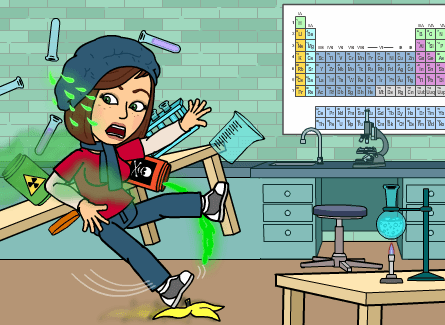
I drop things more easily, I fall over a LOT, bump into things, walk sideways into people I’m walking alongside, fumble a little longer with buttons, laces, hair clips etc. People have often thought I’ve been drunk on nights out (although I don’t drink) when coordination trouble presents itself- giddiness has a habit of rendering me less coordinated for some reason! 😛
These incidents happen so often it becomes another part of daily life- you trip over your feet for no reason, laugh and keep walking! 😛
You might think I’m exaggerating but it happens all the time! Even my dogs have noticed- I once fell flat on my face on a walk and my normally attentive German Shepherd just stood and laughed, waiting for me to get back up! 😛
I’ve always been a little slower than my peers when it comes to mastering my finer motor skills. From my very first skip I’ve struggled with my coordination issues.
My mother often reminds me of how I used to screw my face up in concentration after dance classes in my attempts to master the skill. I would try and try and try to skip around the room, but kept falling over my own two feet!
Don’t get me started on the struggle to add in a skipping rope! 😛
But nevertheless, each time I fell, I got back up again and persisted until I mastered it- and then you couldn’t keep me from skipping!
This has always been my experience of coordination. I struggle a little bit longer than my peers to develop my motor skills, but with persistence, master them I will. Tying my shoelaces, riding a bike, learning to drive, knitting- all these skills took time to master, but I got there in the end 🙂
Now if I could just master walking in heels, I’d be flying! 😛 😉
Top tip– Keeping on top of sleep, thirst and hunger can really help to keep your coordination in check. In addition to acting loopy if I fall victim to these, I find that my equilibrium can also be affected.
But what do scientists have to say about these coordination issues?
The underlying cause of these issues is poorly understood, however, recent studies suggest that motor coordination issues in autism are likely linked to abnormal neural connections in the brain. Remember the synapse (or connecting junction point between two neurons) which we discussed last week? Autist’s have an overabundance of these bad boys compared with normally developing peers.
So how does the synapse affect motor coordination?
Motor learning and control is influenced by a specific group of neurons known as purkinje cells. Purkinje cells, (located in the cerebellum- an area heavily involved in motor control), receive signals from climbing fibers- a type of neuron which carries information from the body to the brain. These climbing fibers detect changes or disturbances in our environment, such as changes in space or the position of nearby objects, and relay this information to the purkinje cells. Purkinje cells then emit inhibitory signals at synapses so to modify motor movements accordingly.
In autism however, the efficacy of purkinje cells to influence motor change is greatly reduced.
Normally, each purkinje cell receives input from a single climbing fiber. Autists have too many synapses connecting the brain, and so the purkinje cell receives signals from multiple climbing fibers. This confuses the purkinje cell, which in turn alters the efficacy of corrective signals. Like a game of Chinese Whispers, the more people involved (i.e. synapses and climbing fibers), the more the message get’s lost in translation.
To give an example, if you were walking along and someone threw a ball at you, climbing fibers will alert the purkinje cells to tell the body to move out of the way. In autism….well, the signal to do this get’s scrambled on route to the brain, aaaaand… you’ll likely get hit in the face! 😛
^^^^Story of my life right here! 😛
At the end of the day, whilst coordination problems can be incredibly frustrating, persist and you will get there 🙂
Never give up- ride that bike, drive that car, skip like there’s no tomorrow!! Autism only limits us if we allow ourselves to be limited 🙂
Today I’m going to dive into the physiology of the autistic brain to explain what’s actually going on at the neurological level. I’ve touched on aspects of the science in previous posts, but I wanted to give you a quick overview post where the main points in the one place 🙂
So let’s get down to some science! 🙂
Hyper-connected Neurons:
Scientific evidence suggests that neurons in the autistic brain are hyper-connected. Specifically, studies indicate that autists have too many synapses in the brain. The synapse is basically a gap or a junction between two neurons where chemical messengers (neurotransmitters) carry information like a ferry from one neuron to the next. It looks a little bit like this:
During normal brain development, about half of the synapses we are born with are “pruned” off. In autism, this process is slowed down, and so autistic children have an excessive amount of synapses compared with their neurotypical peers. As these connections are essential to communication between neurons, this can greatly effect how the brain works and processes information.
Dysfunction at the Junction:
In addition to possessing an excessive number of synapses, communication at these neuronal junctions is also impaired in the autistic brain.
Animal studies have indicated that synapses function differently in the autistic brain as a result of genetic mutation. Mutations cause certain proteins to be absent in autism- proteins that are essential to the normal functioning of the synapse. As a consequence of this, the transmission of information between neurons is affected, resulting in a number of social and behavioral issues.
Think of physical junctions on a busy road- if something goes wrong at the junction, a chain of chaos will ensue!
Hyper-excitable Neurons:
Research shows that in many cases of autism, neurons in certain regions of the brain are more excitable than others. This means that these neurons are more sensitive to stimulation. For example, the neurons located in the sensory cortex of the brain (which processes sensory information such as smell), are more sensitive and excitable than other neurons. This is kind of like how a person can be more ticklish in some parts of the body than another- the nerves in the underarm are more excitable than those of the arm.
This sensitizes the autistic brain to all kinds of stimuli as discussed here.
Dysregulated Neurotransmitter levels:
As previously mentioned, information travels across the synapses in the brain via chemical messengers known as neurotransmitters. In the autistic brain, the levels of these neurotransmitters are dysregulated- or out of sync. Research indicates that individuals with autism tend to have higher levels of excitatory neurotransmitters (e.g. glutamic acid) and lower levels of calming neurotransmitters (e.g. GABA, serotonin) causing neurons in the autistic brain to fire excessively. In addition to this, levels of the neurohormone (a chemical that acts as both a hormone and neurotransmitter) oxytocin, which plays an influential role in trust and social behaviours, are also out of balance. Moreover, dopamine (a neurotransmitter which can both calm and excite) is also dysregulated in autism. Together, the action of biochemicals like these influences a number of autistic behaviours and issues such as ADHD, mood, appetite, sleep, anxiety, sensory processing, social behaviours, learning, memory and emotional responses.
Male vs Female Brain
Perhaps one of the most fascinating things that I have discovered about autism are the anatomical differences between the brains of the male and female autist. Brain imaging studies have revealed that autistic women have brains that are anatomically similar to neurotypical male brains, and the brains of male autists share anatomical similarities to those of neurotypical female brains.
In short- this indicates that men with autism have feminine brains, and women with autism have masculine brains!!!
I know!!!!
It sounds weird, but it makes a world of sense. Oftentimes I’ve felt like I had a male brain growing up- my tomboyish interests, my fashion sense, my preference for male company, my inability to walk in heels; it all fits!
Strange but true! 🙂
There we have it Earthlings- hope you enjoyed this brief insight into the physiology of the autistic brain 🙂 There is no clear mechanism through which autism acts, these are just some of the likely pathways involved. I’ll explore other possible mechanisms in a later post.
So today I’m going to briefly introduce you to the issue of sensory processing for people on the spectrum. This is a very broad topic, but I’ll expand on the issues in more detail at a later stage 🙂
Many individuals on the autistic spectrum struggle to process every day sensory information. Sounds, textures, smells, lights, even colours (boys in particular struggle to process the colour yellow) can overload the nervous system and greatly upset us, effect our behavior or even trigger a meltdown.
But why?
In autism, our senses can be either hyper or hypo sensitive (sometimes even both) to stimuli at different times. Our senses are heightened- smells are stronger, sounds are louder. As a result of this, stimuli reverberate all the more intensely in our brains.
Think of the brain as a computer server at exam time where everyone is logging in at once. Too much information has been entered into the system, but the server can only cope with so much. The entire system becomes overwhelmed and the server crashes.
Here’s just a quick video simulation of sensory overload.
Warning for those on the spectrum– this video contains flashing lights, bright colours and loud, sudden noises
For me personally, I have many (mild) issues with sensory processing. Smells, tastes and textures are a daily struggle. For example, I don’t think I’ll ever be able to eat a salad as the smell alone makes me want to throw up- I’m dreading what pregnancy may one day bring! 😛 😉
Loud or irritating noises, (especially repetitive ones), too can be a challenge. Don’t get me started on the shock I get when a passing bus makes that giant hiss/woosh sound or a car honks the horn unexpectedly!! 😛
Most days, you’re lucky and the offending stimulus passes quickly, but other times it can get the better of you. I recently had a near meltdown on holiday from a cocktail of excessive heat, hunger, exhaustion and social frustration.
Top Tip– Keep on top of your hunger/thirst. I’ve discovered this past year that an excess of either will make me act really loopy! 😛
When you’re hit by sensory overload, it feels as though your head is caught in a vice grip. Your mind is screaming, unable to focus on anything else but the source of discomfort.
The worst part of it I find is coming across as a complete basket case when overloaded. You don’t get the most sympathetic of looks when you complain about a persistent noise- few can understand how it’s making your brain hurt.
So what does science have to say about sensory processing?
Sensory integration involves three basic sensory systems:
The tactile system (touch)- comprises a series of nerves passing information from the skin to the brain
The vestibular system (sound)- comprises a series of structures in the inner ear involved in movement detection
The proprioceptive system-a series of receptors in the muscle (proprioreceptors) which feed information to the brain about the body’s position
These three systems share a close but complicated relationship which allow us to experience, process and respond to different stimuli. Dysfunction in this network can cause hyper/hypo sensitivity, in addition to problems with coordination, behavior and academic issues.
Evidence from brain imaging studies has also shown that autists experience stronger responses in the brain to sensory stimuli in areas that process sensory information and the amygdala- an area that is involved in attention, emotional reactions and threat response.
But why is this?
Several studies have found evidence of hyper-excitability and hyper-connectivity in the autistic brain.
Evidence shows that in many cases of autism, the neurons located in the sensory cortex of the brain are more sensitive and excitable than others. This is kind of like how a person can be more ticklish in some parts of the body than another- the nerves in the underarm are more excitable than those of the arm.
The autistic brain has also shown signs of hyper-connectivity, where regions of the brain are excessively connected- like an overloaded plug!
This amplifies memory formation, sensory processing and causes an autist to be hyper-emotional, which can make the world painfully intense. Scientists have theorized that autists prefer safe, controlled and predictable environments as a coping mechanism to actively avoid this pain.
Finally, studies have indicated that sensory issues, in addition to a number of other autistic behaviors, may be linked to neurotransmitter (chemical messengers between body and brain) levels in the body. As previously discussed, some neurotransmitters are dysregulated in autism. Evidence suggests that in cases of autism, there are higher levels of excitatory neurotransmitters, and lower levels of inhibitory (i.e. calming) neurotransmitters. These high levels of excitatory neurotransmitters cause neurons to fire excessively, which can influence sensory perception and processing.
I’ll expand a little bit more on the individual sensory issues at a later stage 🙂
Following on from the previous post examining ‘Rain Man‘, today I’m going to dive into the area of high IQ’s and savantism relating to autism.
Now before we start, remember- in spite of what Hollywood has led us to believe, savantism is a RARE condition affecting between 0.5 and 10% of autists. This means that over 90% of the autistic community do not possess these skills.
So be sure to take ‘Rain Man‘ with a grain of salt.
Now that we’ve got that out of the way, let’s explore this fascinating condition properly 🙂
So first off- what exactly is savantism?
Savant syndrome is an extraordinary phenomenon wherein a person with serious mental disabilities (such as autism) shows unusual or exceptional aptitude for a particular area, task or activity in spite of their mental challenges. Historically, these individuals were also referred to as ‘idiot savants’, a term that is sometimes still used today.
While seemingly insensitive, the phrase actually comes from the French term meaning unlearned (idiot) skill (savant).
Surprisingly, savant skills tend to exist within five different skill categories:
Music (perfect pitch, performance skills)
Art (drawing, painting etc.)
Mathematics (human calculator abilities)
Calendar calculating (i.e. can tell you the weekday a previous date fell on)
Other skills have been recorded, but most generally fall within these categories.
Like autism, savant syndrome exists on a spectrum with varying degrees of savant ability. For example, there are:
Splinter skills- the most common form, involving memorization and obsession with facts, music, trivia, licence plate numbers etc.; kind of like specialist interests
Talented savants- who show highly honed talents and abilities predominantly in single areas of expertise
Prodigious savants-those who possess extraordinary skills
Savant skills are additionally accompanied by exceptional memory. For example the ‘megasavant’ Kim Peek on whom ‘Rain Man‘ is based, memorized over 6000 books in his lifetime, all US area and Zip codes, several maps and possessed encyclopedic knowledge of music, geography, literature, history and sports to name but a few!!!
Astonishing!!! 😀
So what’s going on in the brain to cause this?
Numerous theories have been proposed to explain this phenomenon, but as with autism, there is no one single theory to explain all cases. However, two theories in particular seem to dominate.
As savantism is found more often in cases of autism than in other mentally disabled groups, leading expert Simon Baron-Cohen proposed a theory concerning hyper-systemizing.
I know- it sounds complicated! 😛
But basically the theory suggests that savantism results from an autists ability to recognize repeating patterns (systemizing) and excellent attention to detail. People with autism have a different style of thinking and memory filing and this predisposes them to savant skills 🙂
Further to this another theory, supported by several neurological studies of savants, indicates that dysfunction in the analytical left hemisphere of the brain (responsible for logic, language, reasoning, maths etc) causes the right hemisphere (creativity, imagination, art, music) to compensate, which can cause savant skills to emerge. It’s kind of like the right hemisphere is giving the left a piggyback.
In addition to savantism, higher IQ’s are sometimes linked to autism and Asperger’s syndrome.
A number of studies have found that some of the genes linked to autism development are also associated with high intelligence. The link between autism and intelligence is not yet clear, however, people who carry these genes scored better than those without on intelligence tests.
These findings create an interesting paradox given that autism is generally characterized by lower IQ’s. Researchers have proposed the hypothesis that autism involves augmented, but imbalanced elements of intelligence to counter this paradox. This basically means that autists have higher levels of intelligence in some areas (e.g. academia, mathematics, art etc.) but not in others (e.g. social intelligence).
So there we have it, just a quick over view of savantism and IQ in autism! 🙂
Today I’m going to discuss the issue of digestive problems for people on the spectrum- but don’t worry, I’ll stick to the science! I won’t regale you with any personal tales on this occasion 😛 😉
Gastrointestinal (GI) problems are among the most commonly associated conditions with autism.
Evidence suggests that autists may be over 3.5 times more likely to suffer from issues such as diarrhea, constipation, food allergies, gastroesophageal reflux disease (GERD), irritable bowel syndrome (IBS) and inflammatory bowel diseases (i.e. Crohn’s disease and ulcerative colitis).
I know- not the most pleasant of subjects, but we can all be adults right? 😉
Joking aside- these are serious issues for people with autism, especially for children. Autists are already sensitive to such stimuli as sound and touch. Adding GI discomfort to the mix can make things so much more difficult. The associated pain from these conditions can worsen behaviors, and in some cases, trigger regressions.
So what does science have to say about all of this?
As with autism, it’s another game of Cluedo- research is ongoing to determine ‘who-dunnit’. There are many suspects, but the culprit remains unclear.
Bacterial Abnormalities & Carbohydrate Digestion-The gut is home to trillions of bacteria naturally living in harmony with us. Our gut provides them with food and shelter, and in return they digest certain dietary substances and produce vitamins B and K for us to absorb. This forms what is known as the gut microbiome. Ordinarily bacteria and host exist in harmony, however, if there is an overabundance of certain bacterial strains, this can lead to a number of GI problems. Studies have shown that such overabundance exists in children with autism.
Abnormalities in carbohydrate digestion have also been reported in cases of autism. The cells of the intestines appear to have difficulty in breaking down and transporting carbohydrates in the gut causing malabsorption of these vital nutrients.
It’s been suggested that these issues with carbohydrates may be connected to the high level of bacteria present in the autistic gut as digestive alterations may influence nutrient availability within the microbiome, but further investigation is needed.
Furthermore, in recent years, evidence is emerging that gut microbes can influence brain development and behavior!
Wuttttttt???!!!
I know!!!
In particular, there is evidence to suggest that people with autism are missing one specific bacterium- Lactobacillus reuteri.
One study in mice showed that following the addition of this bacterial strain to their diet, the natural microbiome of the was gut restored AND further restored some behaviors associated with ASD’s! Interestingly, L. reuteri promotes the production ofoxytocin, which as previously discussed, is essential for human bonding and social behavior.
Who knew that bacteria could control our brains this way?!
Brain-Gut Communication and the Role of Serotonin-As in the picture below, the brain and the gut share a very close relationship in the human body.
The gut in actual fact has it’s own complex nervous system (the enteric nervous system) which regulates the activity of the gut- kind of like a second brain. Together, the gut and the brain form what is known as the brain-gut axis, a two way street where each can influence the other. For example, signals travelling from gut to brain can influence satiety, whereas stress/anxiety signals from the brain to the gut affect gut sensitivity.
Serotonin is an important neurotransmitter (chemical messengers that allow neurons to communicate) within this axis. For example, serotonin plays an important role in the control of intestinal motility. As such, alterations in serotonin levels have been implicated in a number of GI problems.
But how does this relate to autism?
Yep- you guessed it, serotonin levels, like oxytocin, are dysregulated in autism, and therefore likely contribute to associated GI issues.
Further to this, there is also evidence to suggest that certain gut bacteria are involved in the production of serotonin in the body by interacting with serotonin producing cells (enterochromaffin cells). So perhaps alterations in these serotonin producing bacterial colonies may also contribute to these GI issues.
Diet-As people with autism often have restrictive eating habits, it was proposed that perhaps diet may contribute to GI issues. However, studies have shown that although autistic diets may differ, overall nutritional intake does not. On the other hand, many people report improvements in both GI and autistic symptoms following gluten (a protein found in grains like wheat) and casein (a protein found in dairy) free diets, but there is insufficient scientific evidence to support this.
Genetics- Finally, scientists believe that as with autism, genetic abnormalities likely contribute to these GI issues. Moreover, as autism and GI problems are so frequently linked, researchers have suggested that perhaps they both share the same underlying genetic mutation or may be caused by some other unknown biological mechanism.
So there we have it! 🙂
Hope you enjoyed this ‘alimentary’ introduction to digestive issues and the spectrum! 😉




 ^
^