Greetings Earthlings! 🙂
This week I’d like to talk about another unusually name aspect of the spectrum- autistic inertia.
I know, it sounds like they’re making things up again, but it’s the official name of something that many autists can relate to.
So what exactly is it?

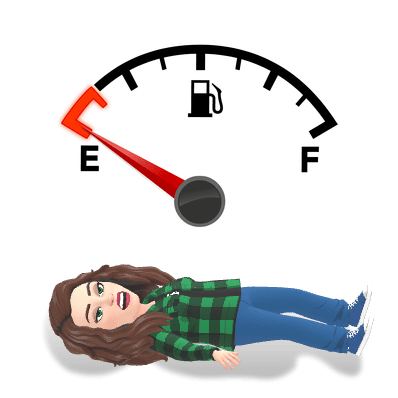
Autistic inertia describes the difficulty that many autists experience in changing between tasks and activities, or being unable to start another task. In your head you want to do what needs to be done, but somehow you’re not able to get started. You just can’t seem to get started or move on from the task you’re currently doing.
In my case, this often happens, particularly when I’m in a hyperfocus or in the zone. When I’m in it, I might get hungry or need the bathroom, or asked to do a quick chore. I know I need to stop what I’m doing, but I’m so consumed by my current task that I can’t easily transition. Round and round my head is telling me to do the other thing, but I stay stuck. Sometimes a couple of hours can go by like that with my stomach rumbling and my bladder bursting, until eventually something snaps and I finally manage to shake myself into what needs to be done. Equally I find it difficult to get going on things I don’t want to do like assignments or exercise- but those are pretty normal things to want to procrastinate 🤣
So any scientific reason why this struggle?

Derived from Issac Newton’s laws of motion, autistic inertia can be explained by many of the autistic traits you’re already familiar with. The struggle with change and sensory processing issues can make inertia an overwhelming experience so you get stuck in the moment. Similarly, difficulties with executive functioning or the brains “management” system can make it harder to plan, focus and regulate your emotions which can impact your ability to do basic every day tasks.
On another level, the struggle may be more chemical, especially for autists with co-morbid ADHD. Dopamine, the reward and motivation hormone, is often dysregulated in autism and ADHD, making it very difficult to start new tasks, especially if they are boring. Dopamine is linked to reward seeking behaviours, so often neurodivergents will gravitate towards tasks that will give them the dopamine they are missing, like activities relating to specialist interests. If your dopamine is low and the task doesn’t trigger that reward pathway, an autist will struggle with inertia until they get enough dopamine to make them start. Interestingly, many neurodivergents unknowingly self medicate with things like sugary foods and fizzy drinks as these will trigger dopamine release to help keep them motivated.
Hope you enjoyed this post dear Earthlings!
Have a lovely weekend!
Aoife

